Holy Family
ActiveCity of Auburn, Cayuga County
Auburn's first Masses, apart from evangelization among Native Americans, occurred in 1816 when Fr. Michael O'Gorman traveled from Albany to the area. These early Masses took place at the O'Connor family home on Water St. Fr. John Farnan of St. John's parish in Utica visited Auburn on July 11, 1919 and celebrated Mass at the courthouse. This visit spurred efforts to establish a parish. Land was acquired for five dollars, and construction of Auburn's first church commenced—though the project remained unfinished, and both the building and land were eventually sold.
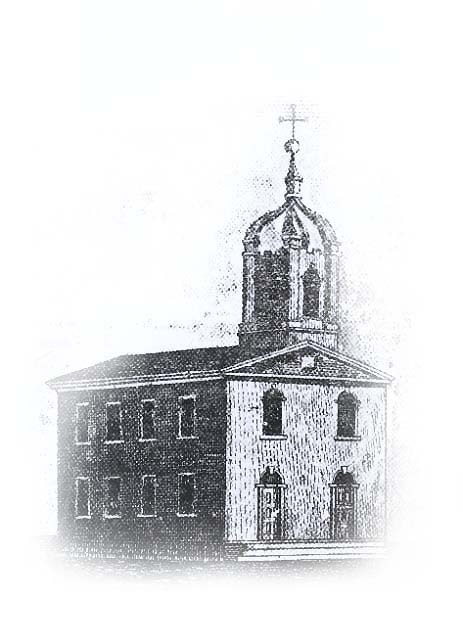
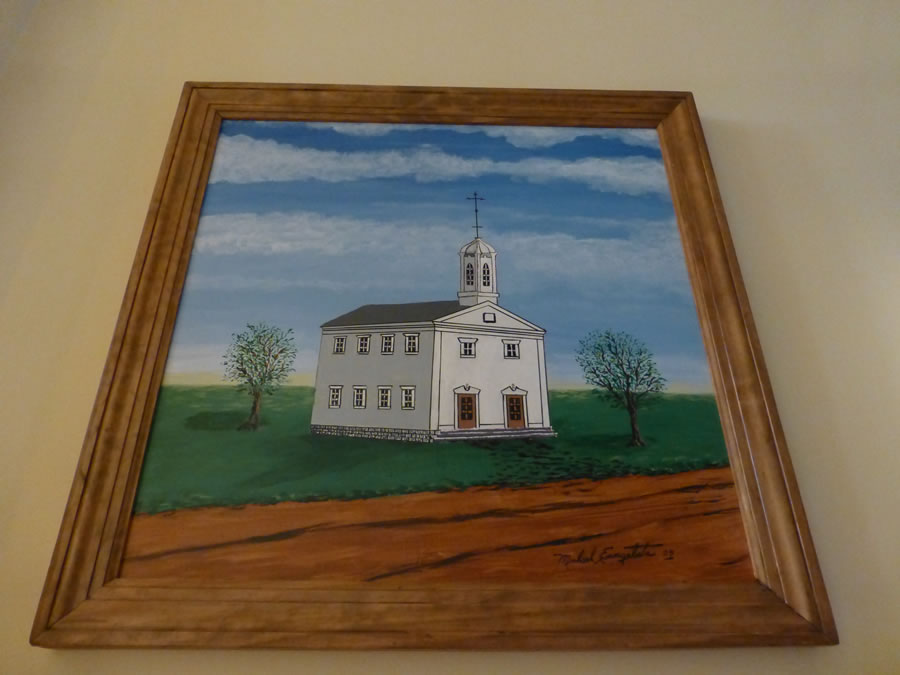
From 1820 to 1834, priests—primarily Fr. Patrick Kelly—continued missionary visits to Auburn. On May 15, 1834, Fr. Francis O'Donoghue purchased a former two-story Methodist church on Chapel St. for $1,200 and converted it for Catholic worship. Holy Family parish traces its origins to this modest building, which was dedicated as a Catholic church on Oct. 23, 1834.
Just one year after its founding, a young Auburn resident attempted arson during a service. The fire was discovered quickly and extinguished before causing major damage. Several priests served during these early years, including Frs. O'Donoghue, Connoly, Grace, and Bradley. Fr. Thomas O'Flaherty arrived in 1840 amid controversy—parishioners reported abusive language from the pulpit, misuse of church funds, and conflicts with the Sisters of Mercy. He was ultimately suspended from the priesthood.
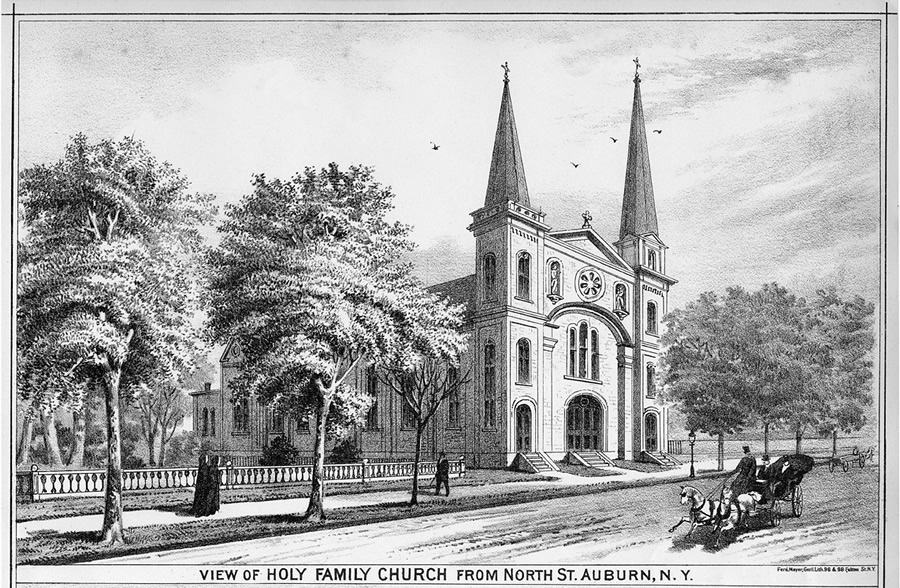
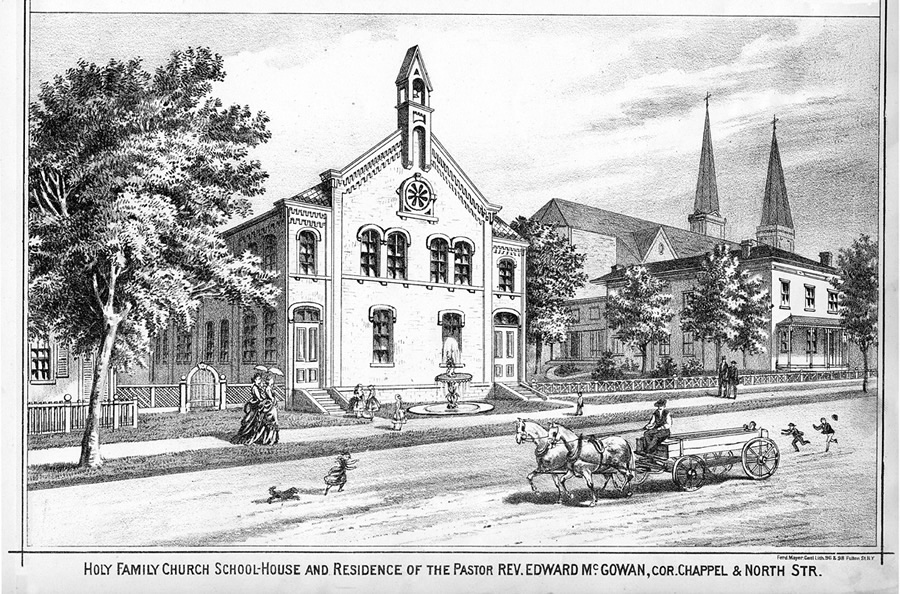
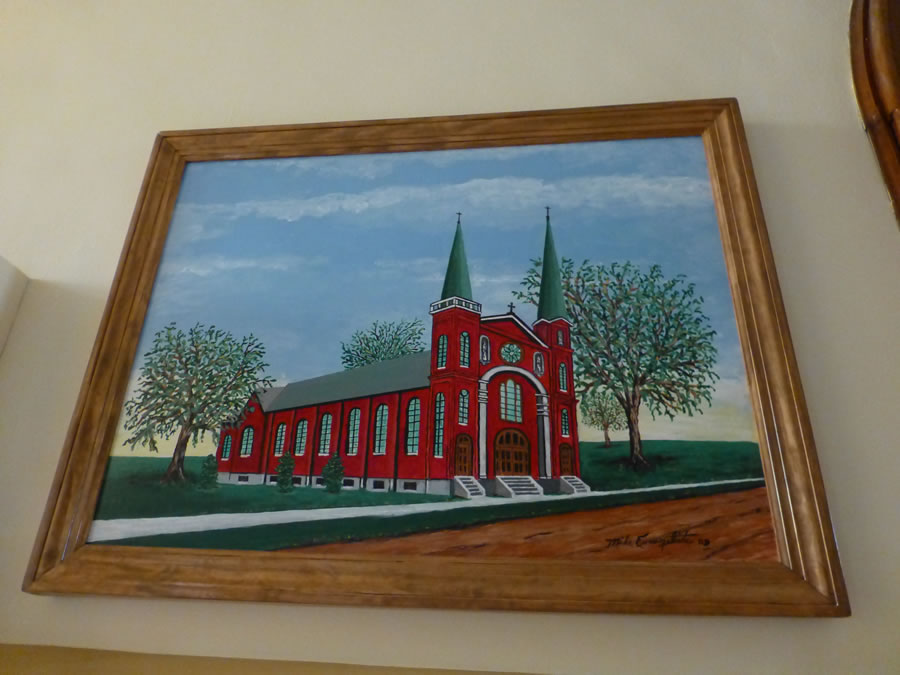
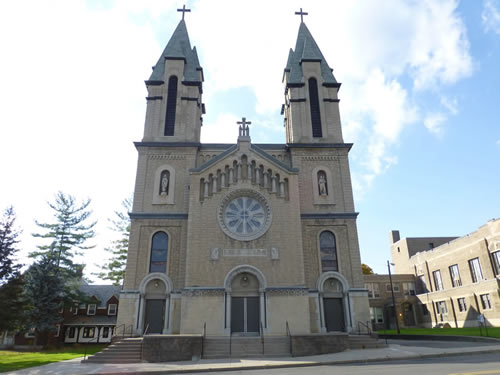
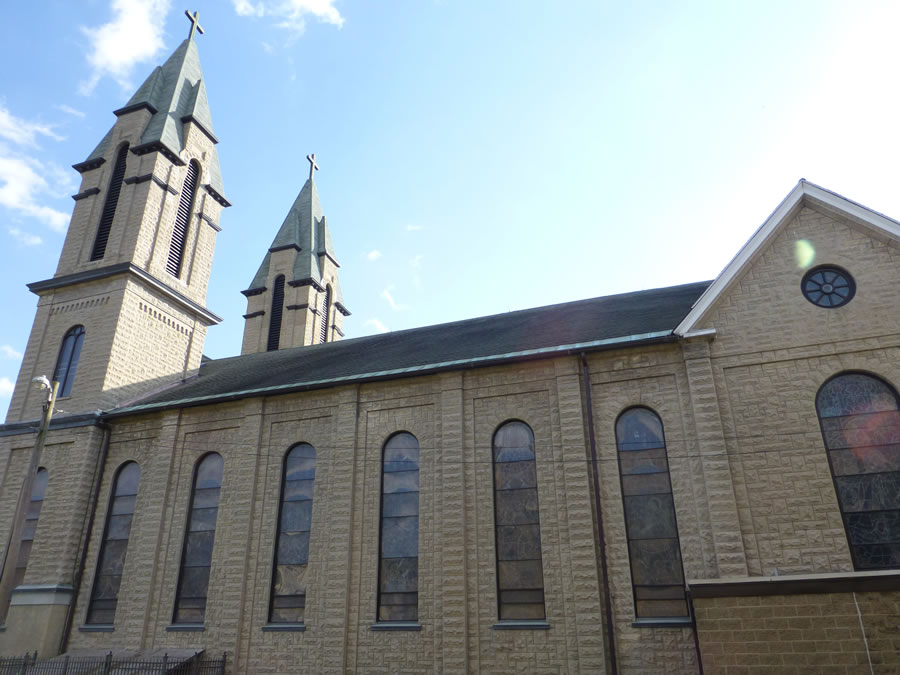
A landmark moment came on July 1, 1861 with the dedication of the present-day church building under Fr. Michael Creedon's leadership. Construction cost $35,000, and the building featured a red brick exterior. A cross imported from Paris was installed in 1862. The original church building was converted into Holy Family School. Despite the parish's growth during this period, turmoil would return.
Bp. Timon of Buffalo, then overseeing Rochester's territory, reinstated Fr. Thomas O'Flaherty in 1864 and reassigned him to Holy Family. Parishioners, vividly recalling his controversial tenure that had ended 14 years earlier, reacted angrily. Bp. Timon dispatched his Vicar General, Fr. William Gleeson, to reassure the congregation that Fr. O'Flaherty had reformed. These assurances proved unfounded as Fr. O'Flaherty again created divisions, attracting national attention. On Feb. 21, 1869, tensions escalated to the point that Auburn's Mayor, police, and National Guard were summoned to restore order. Upon learning of the situation, Bp. McQuaid immediately reassigned Fr. O'Flaherty to establish St. Mary's in Auburn and appointed Fr. Kavanaugh to heal the parish's wounds.
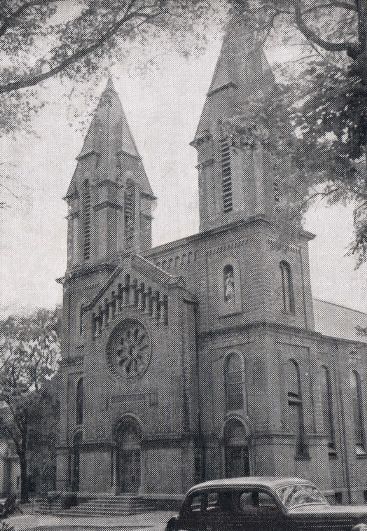
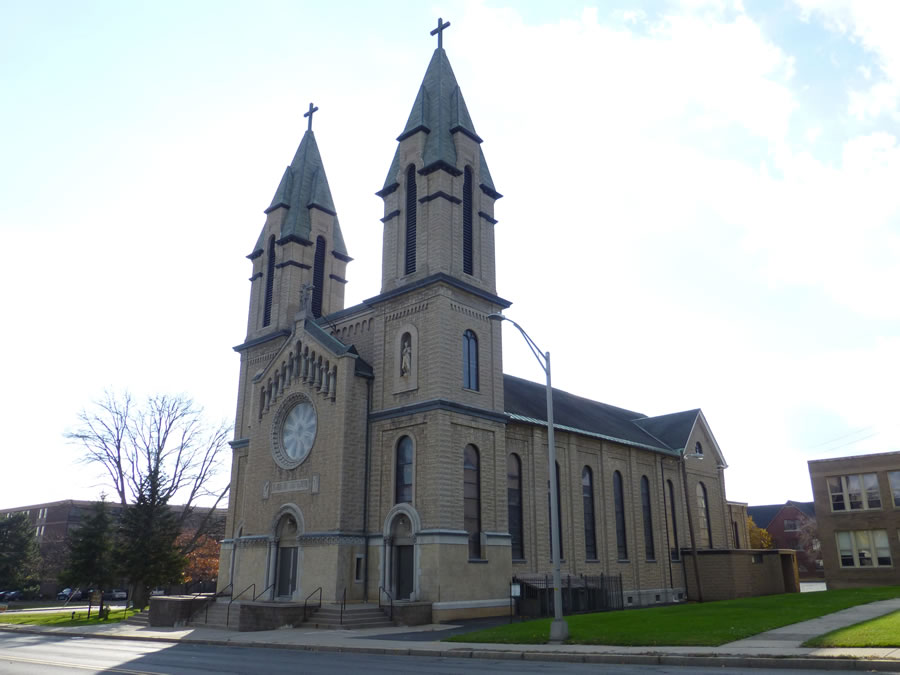
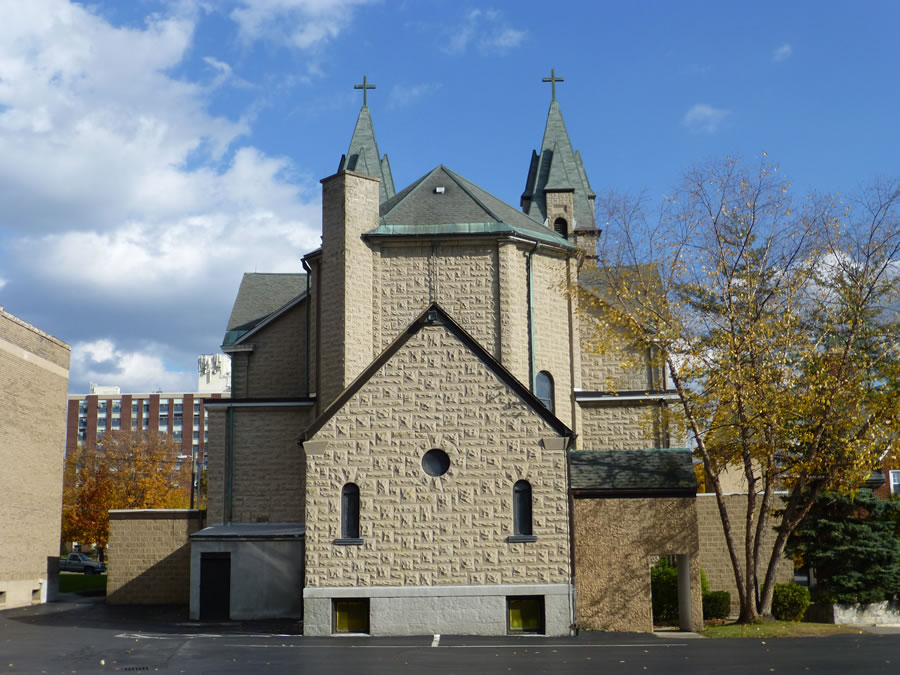
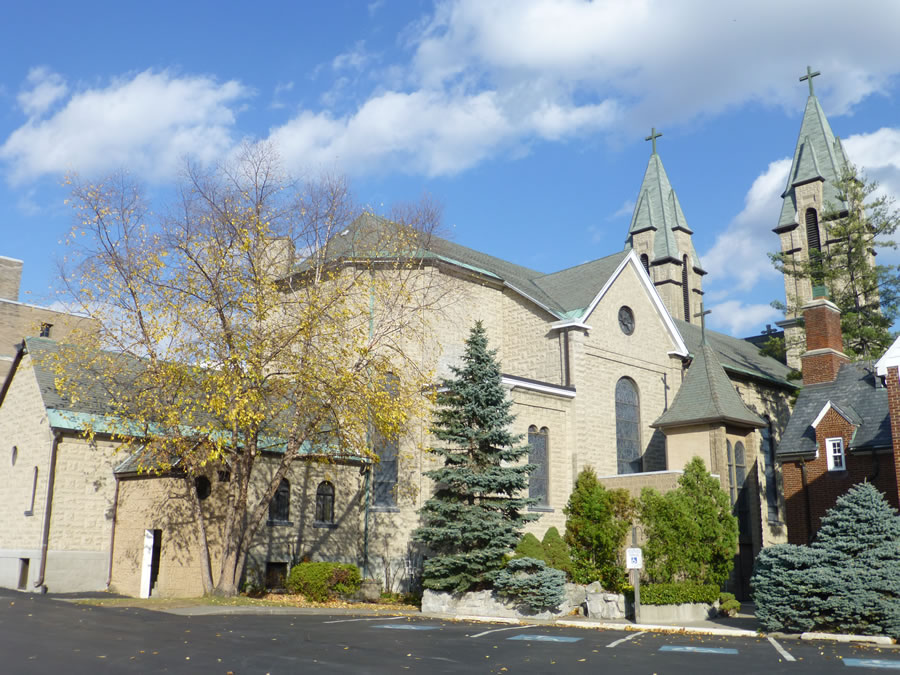
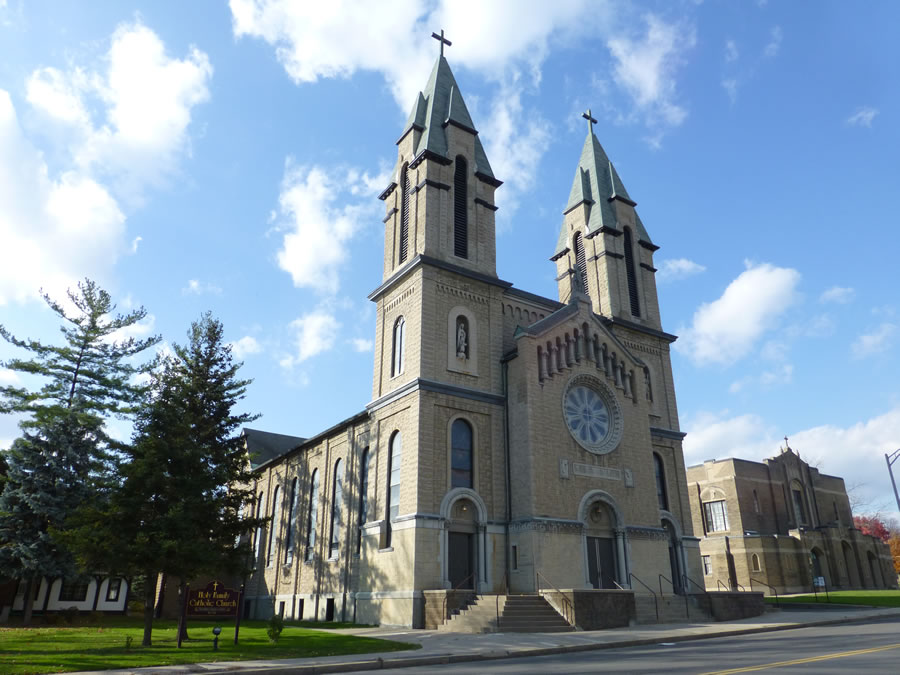
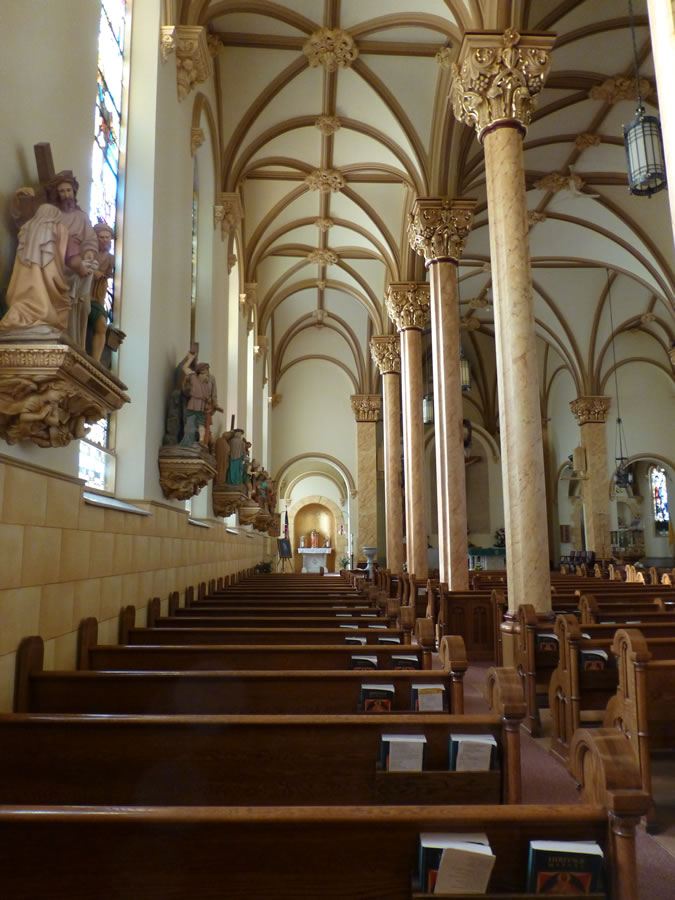
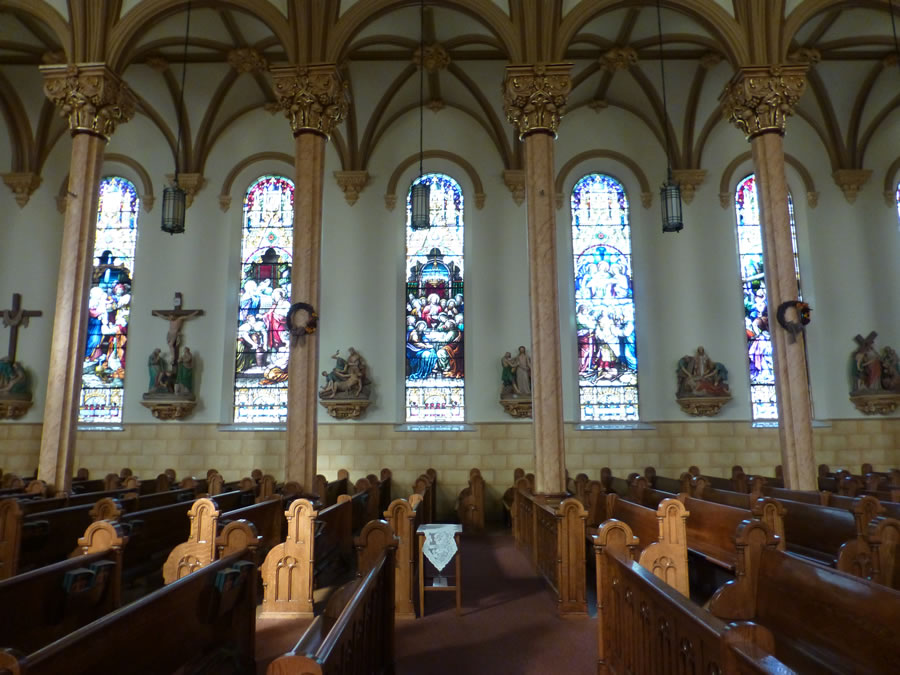
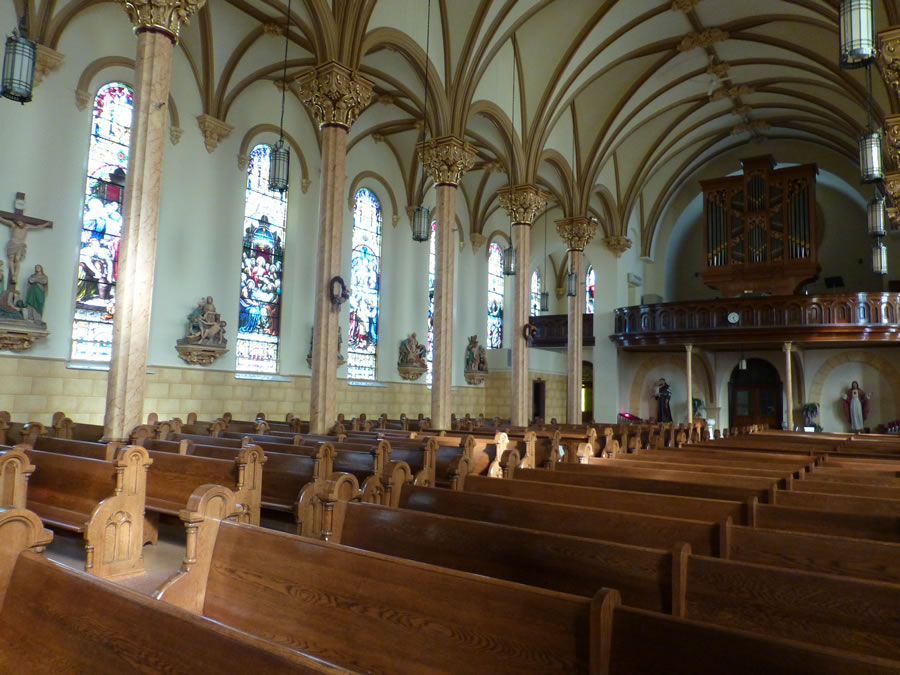
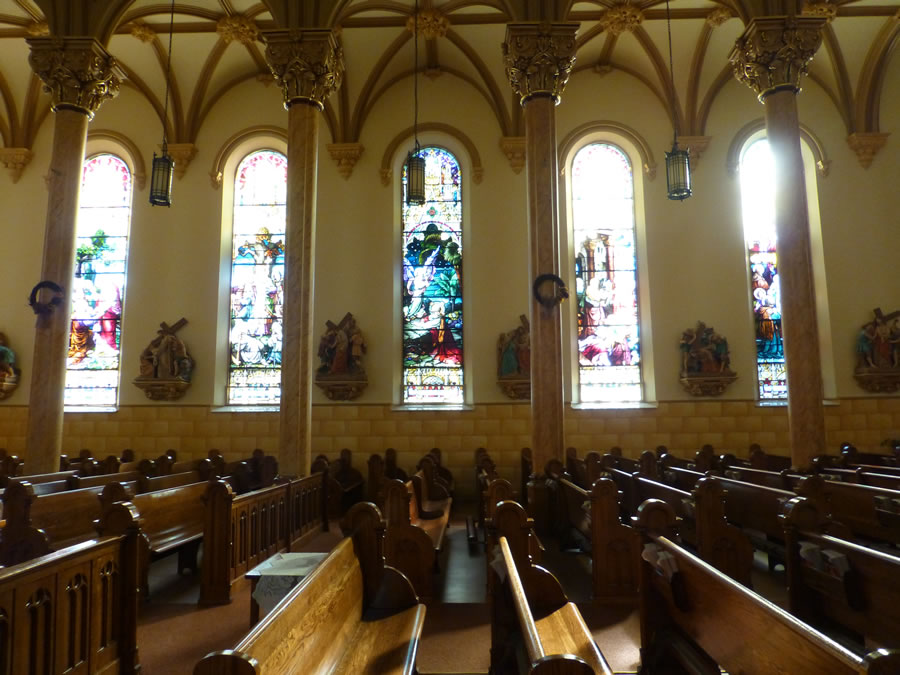
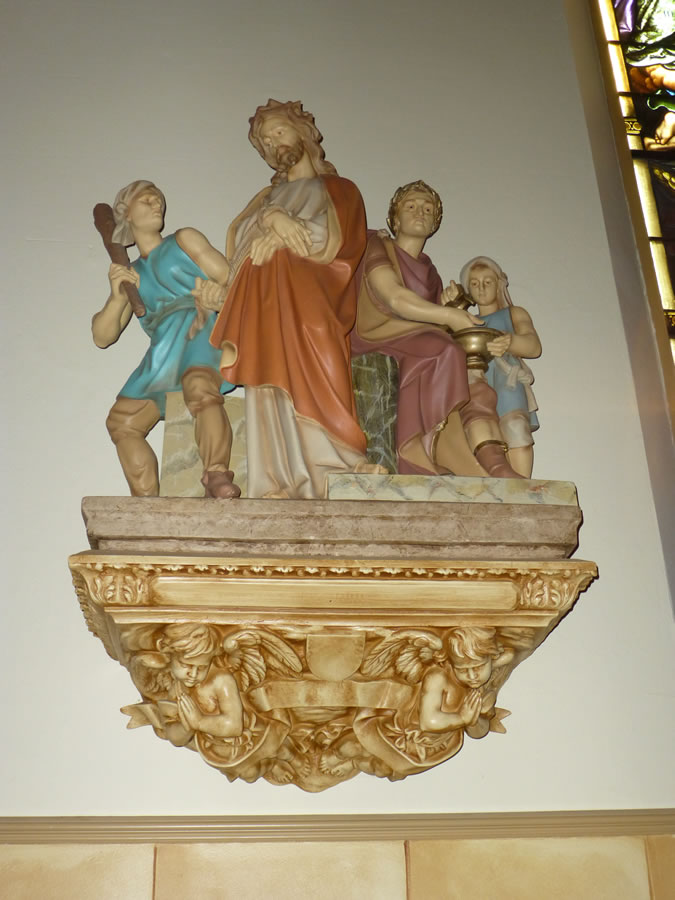
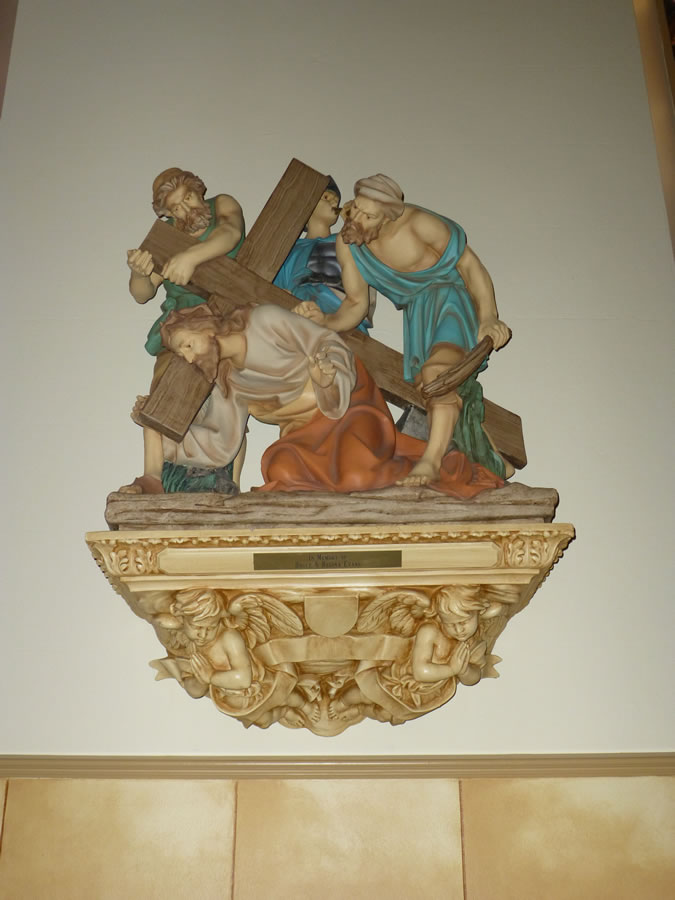
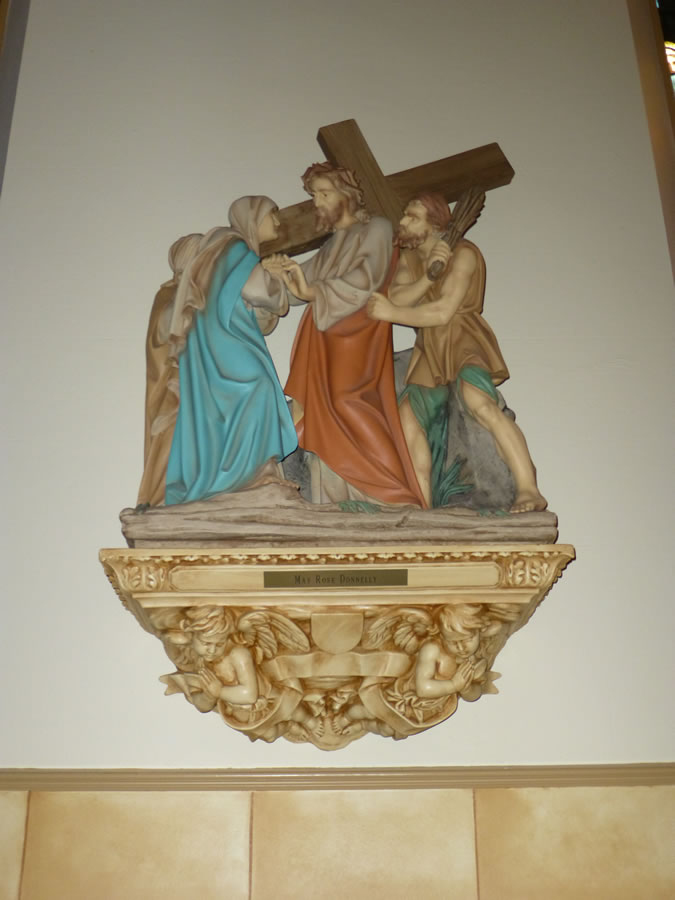
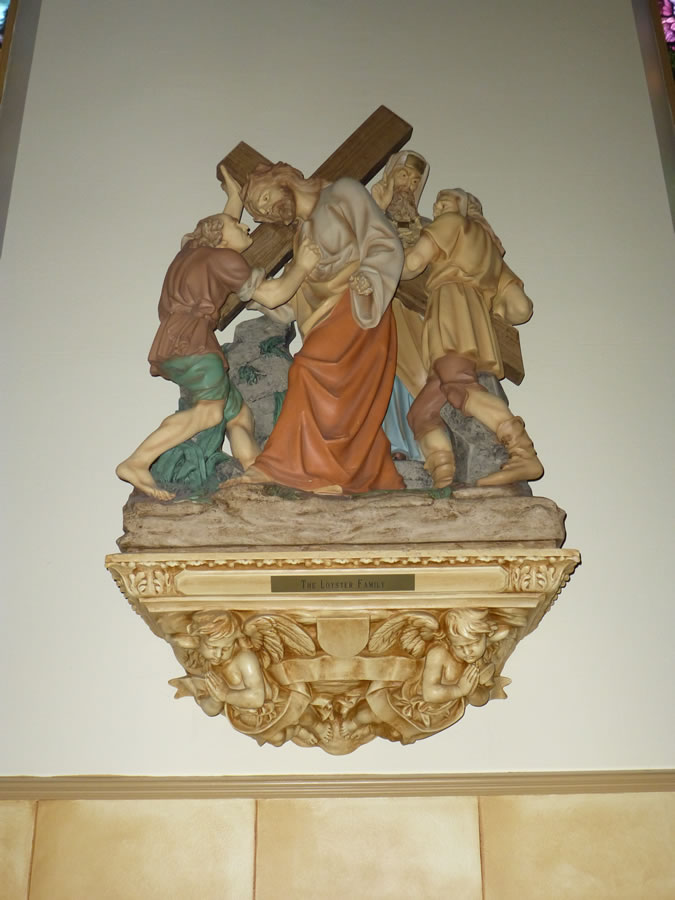
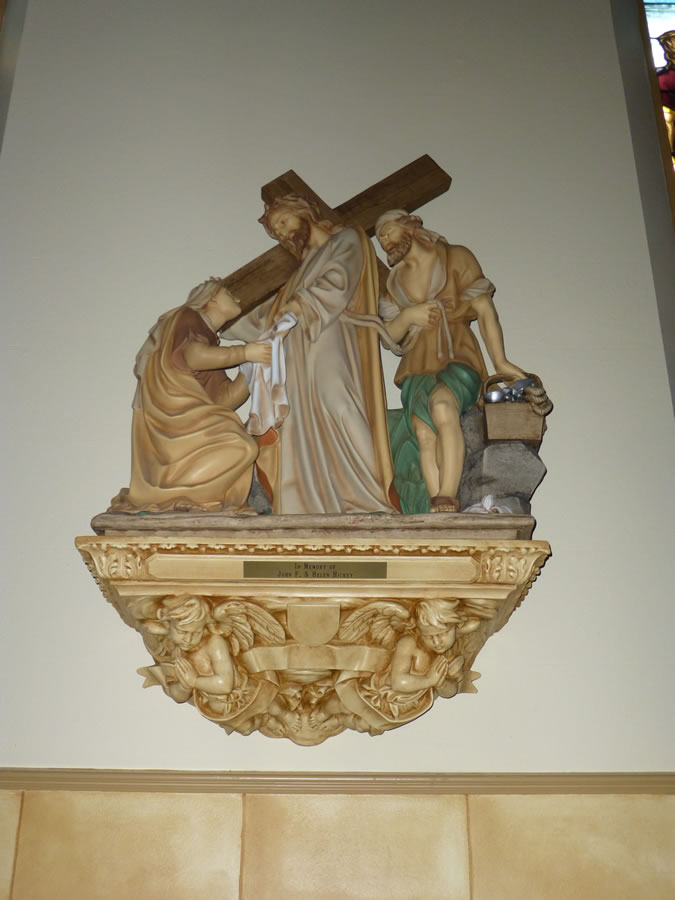
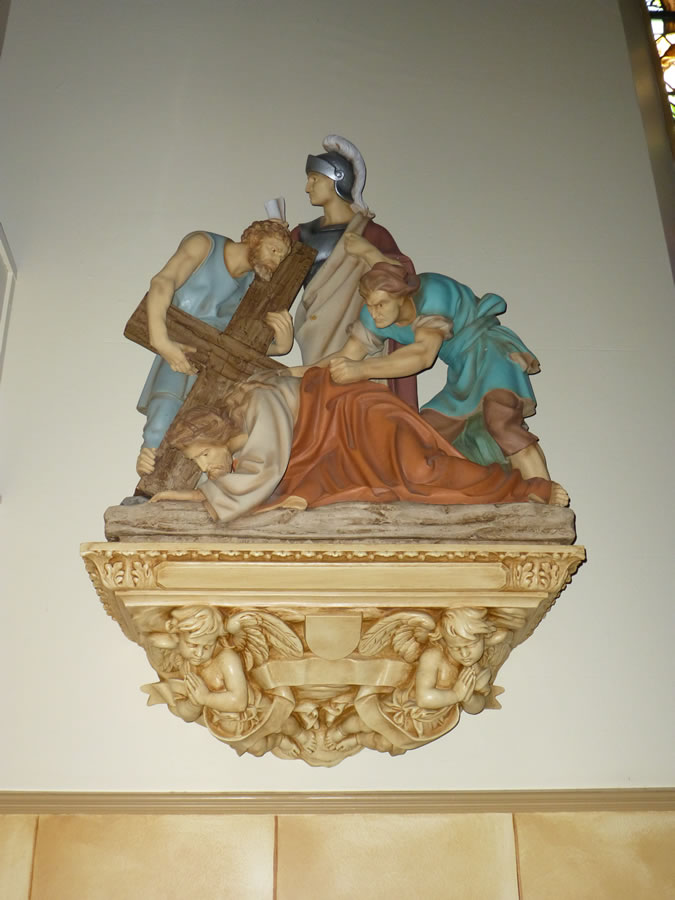
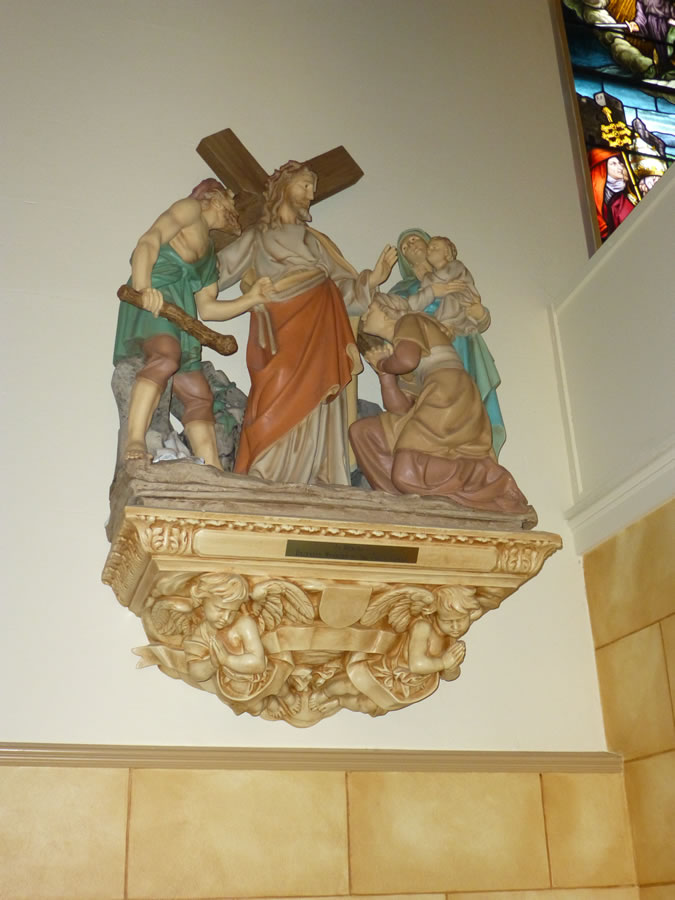
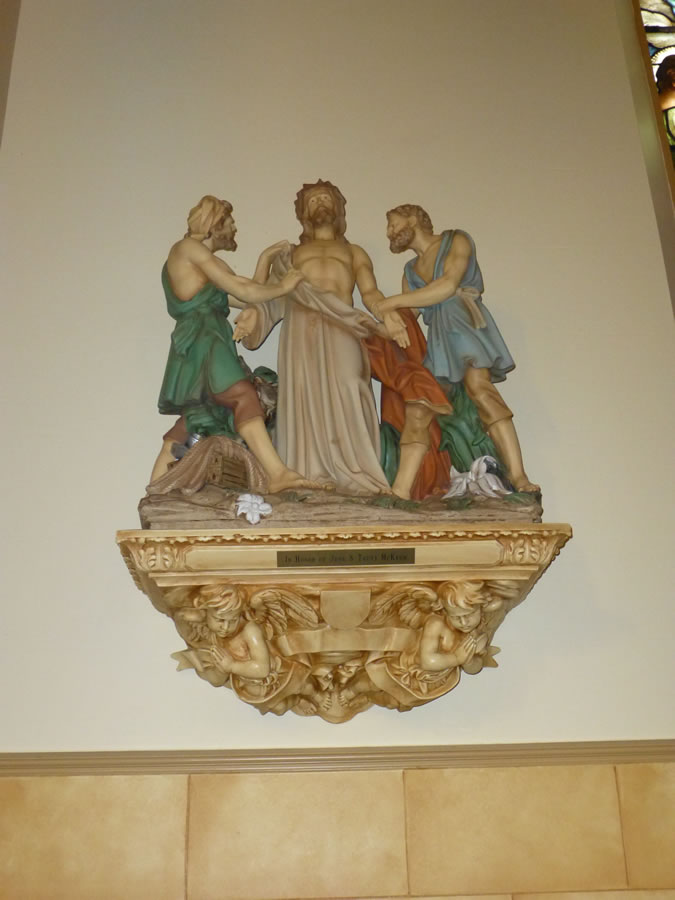
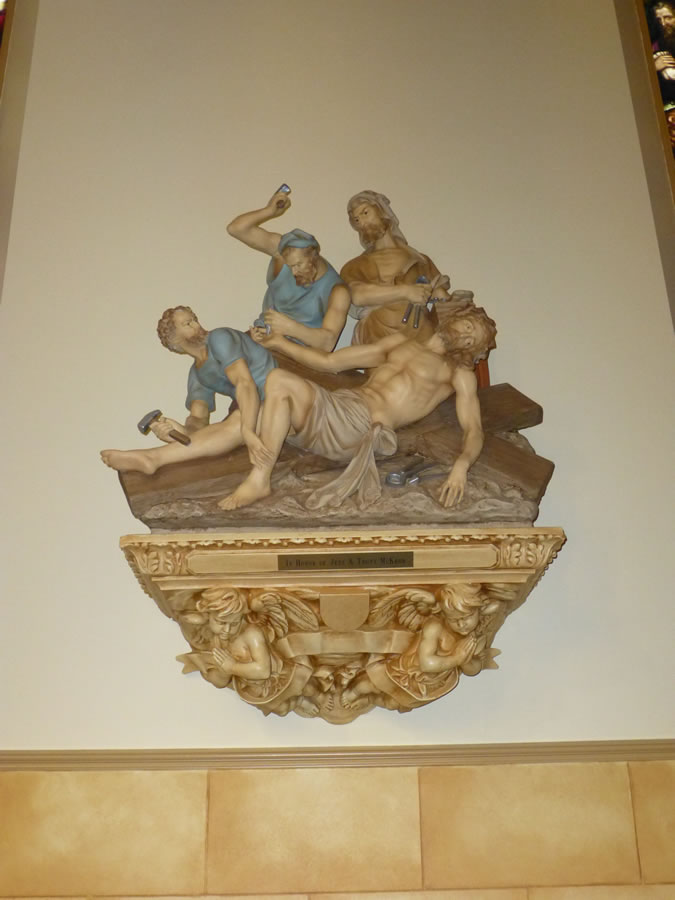
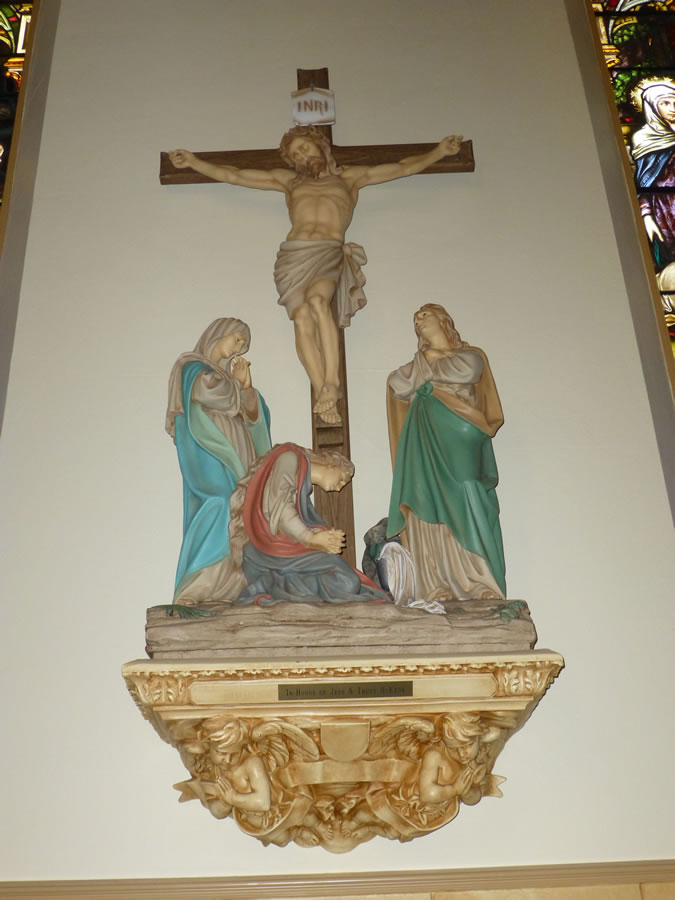
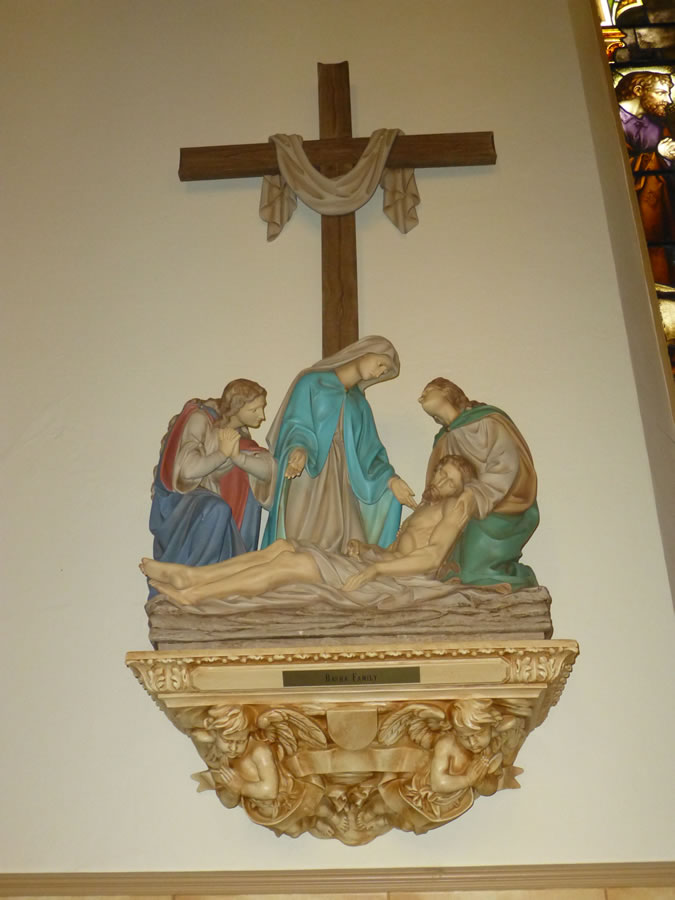
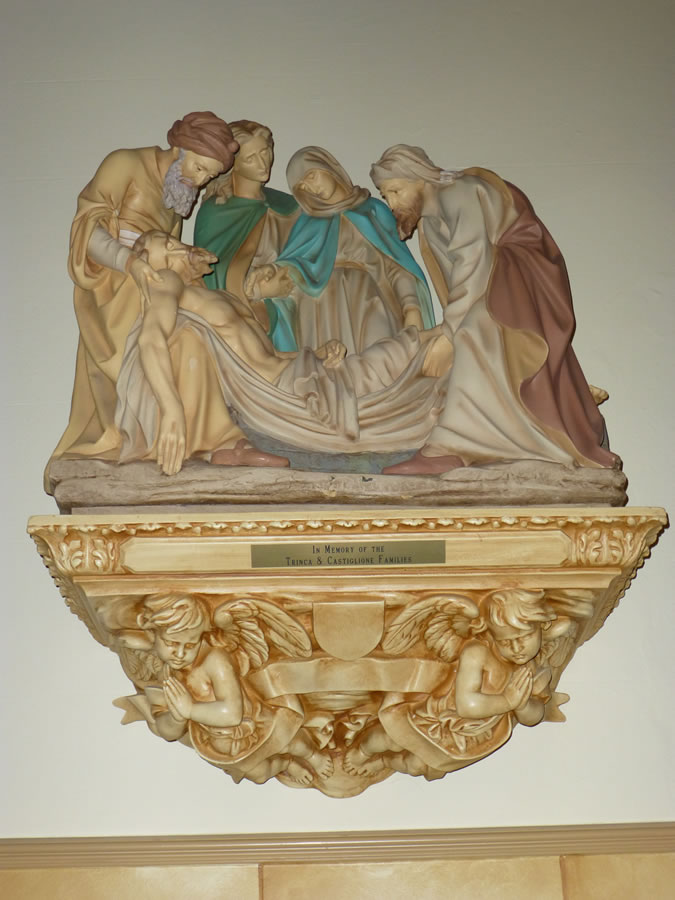
Fr. William Seymour, serving from 1877 to 1895, oversaw several improvements. Bp. McQuaid dedicated a new marble altar in November 1885, and Stations of the Cross were installed and dedicated the following year. His successor, Fr. John Hickey, acquired additional land for two bell towers and a sacristy. The church underwent complete interior and exterior remodeling, including installation of the current larger Stations of the Cross. This renovation totaled $30,000.
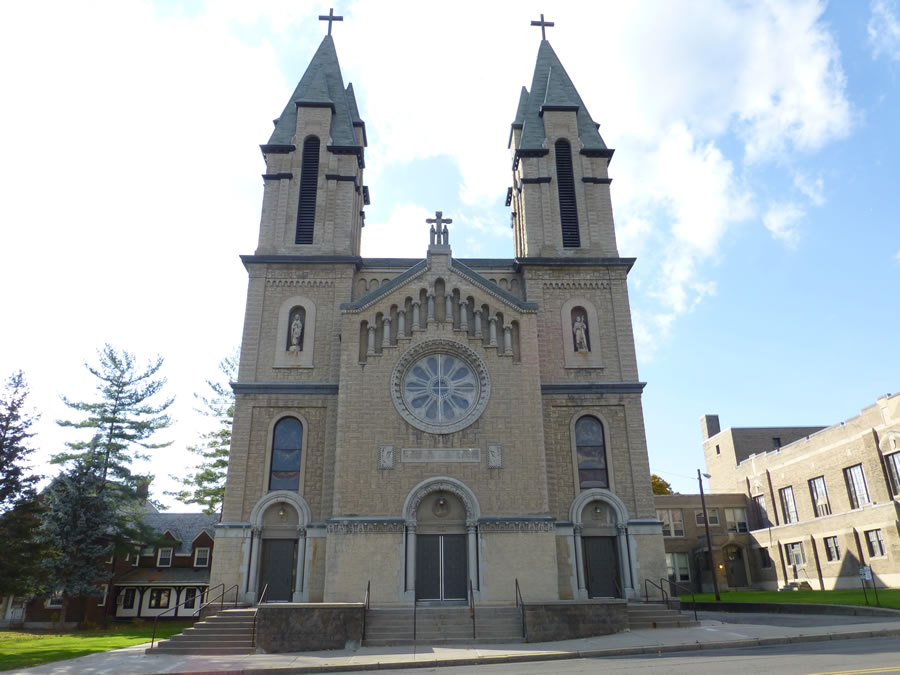
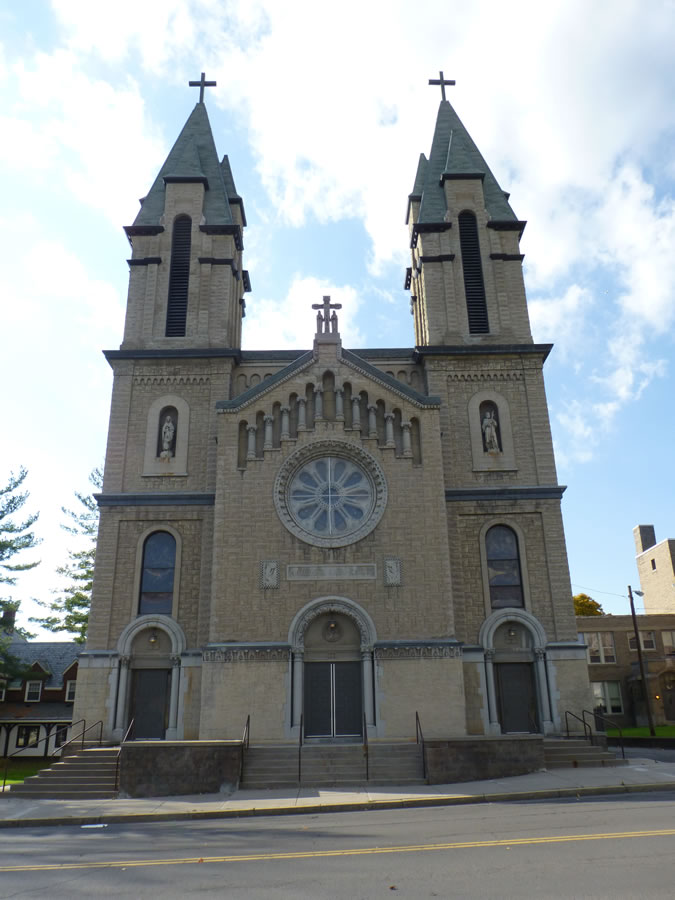
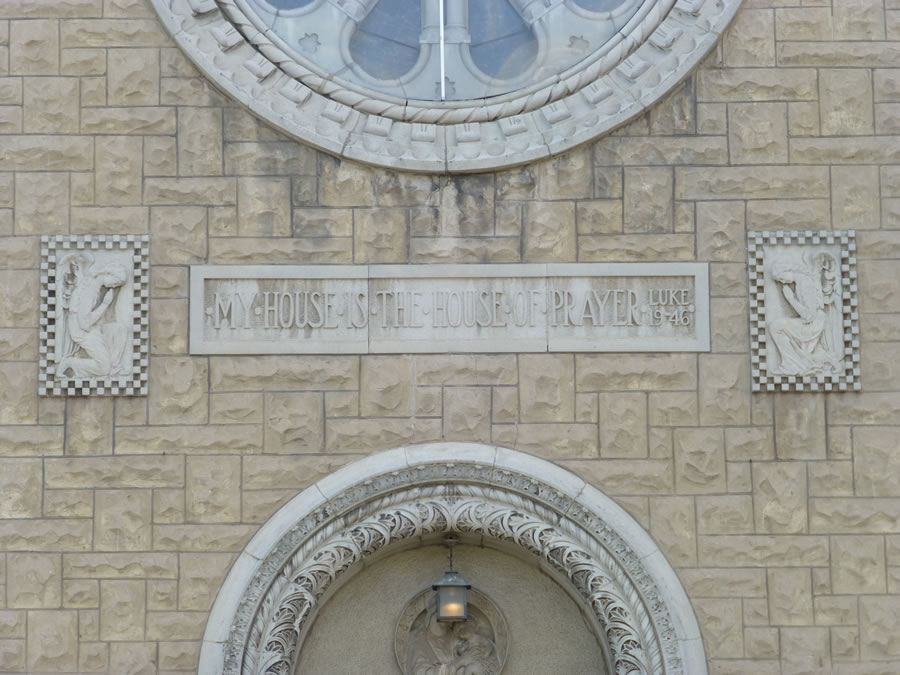
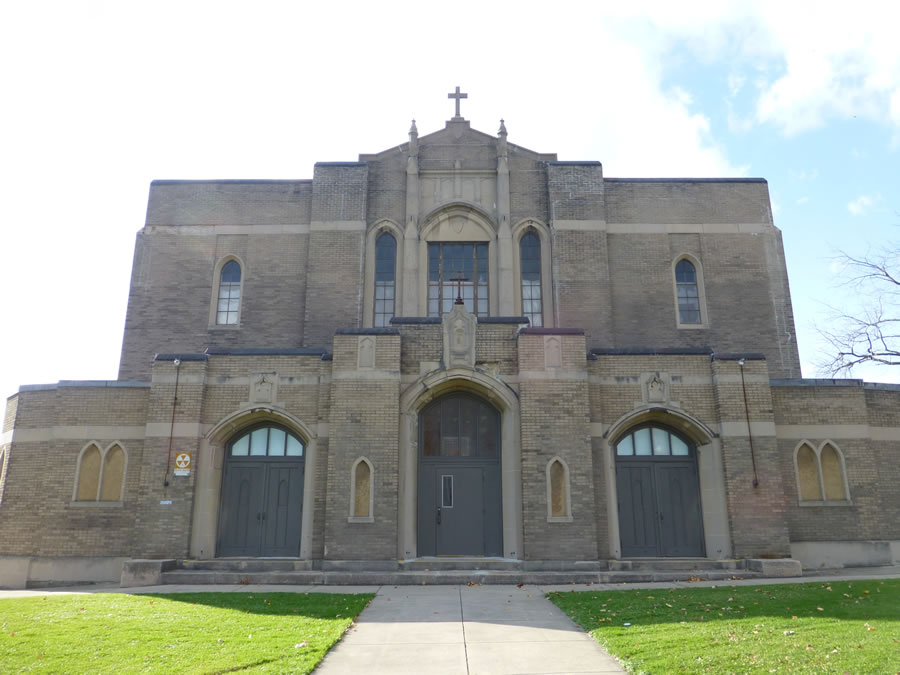
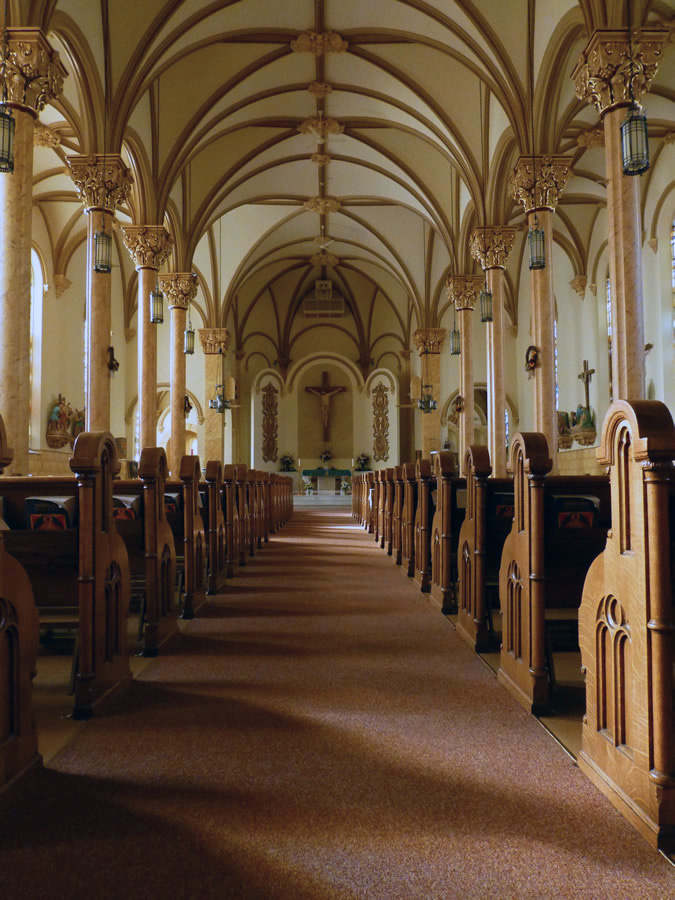
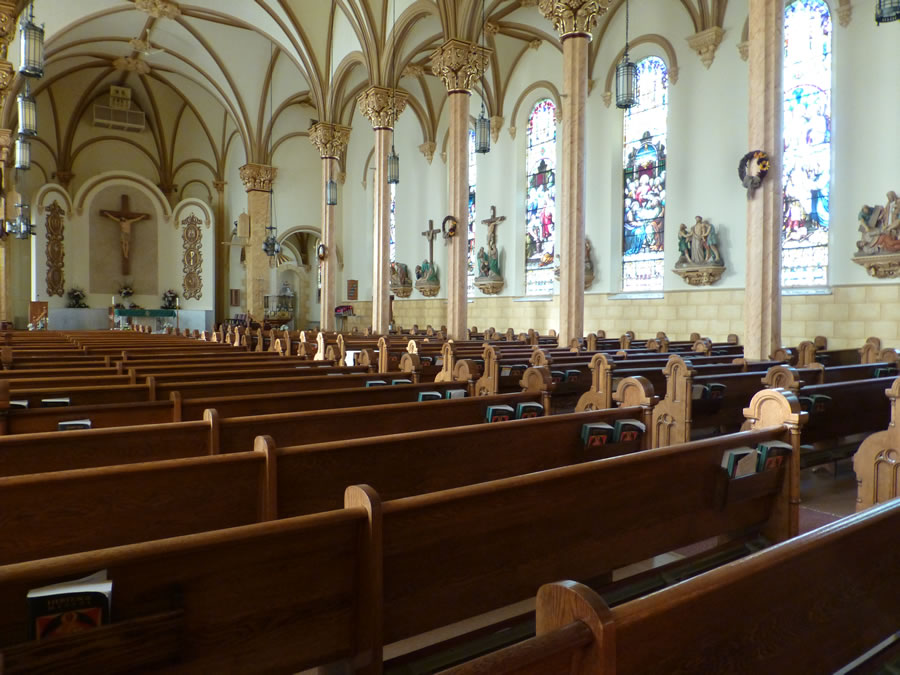
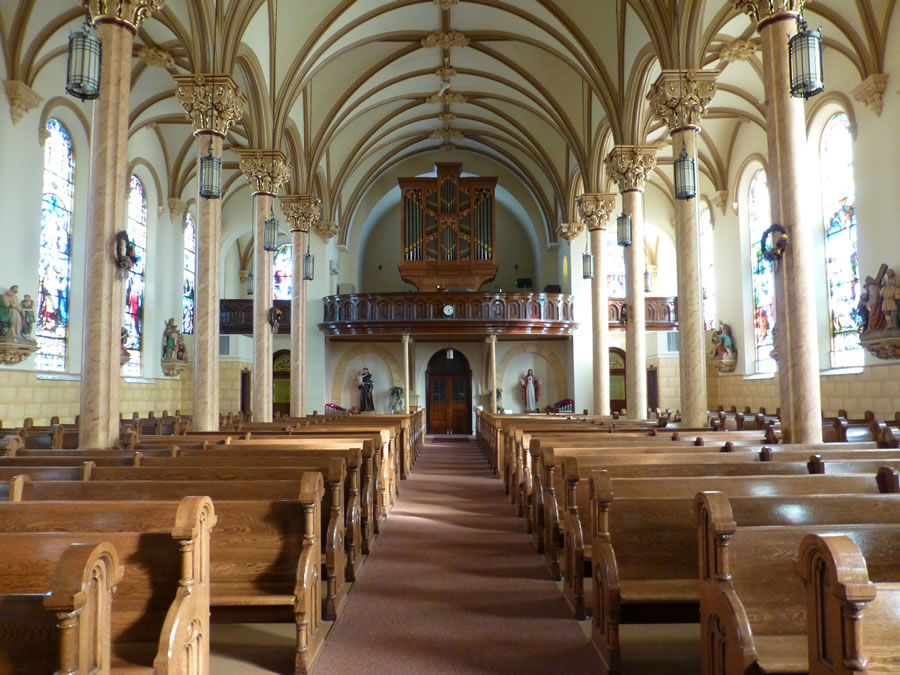
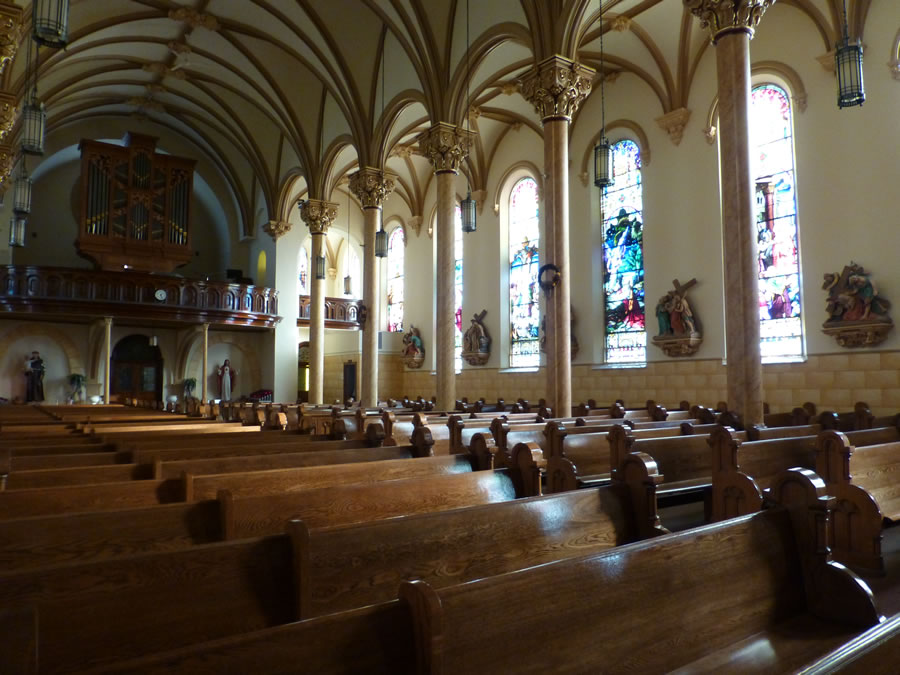
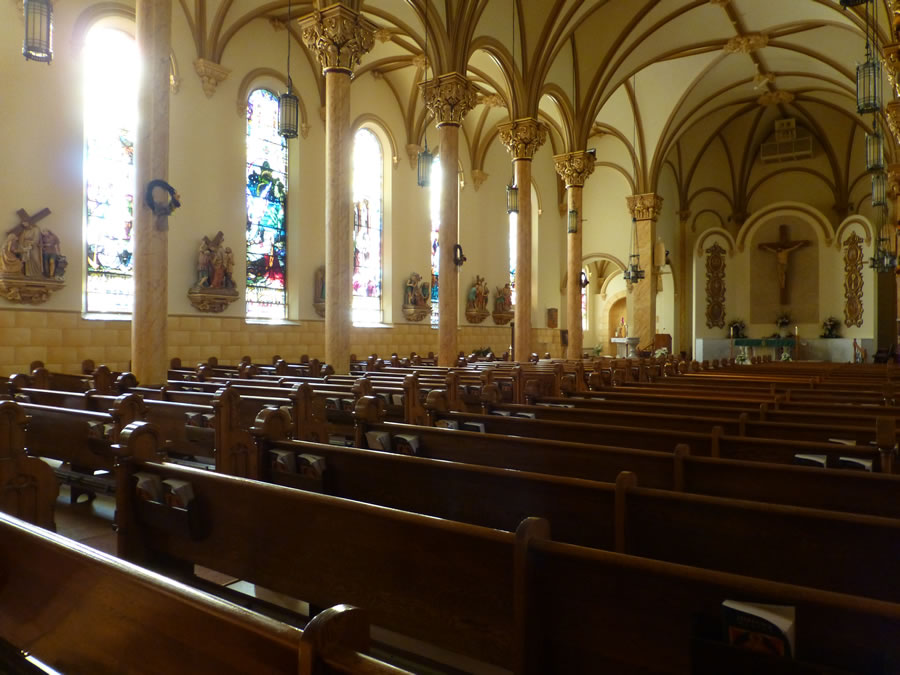
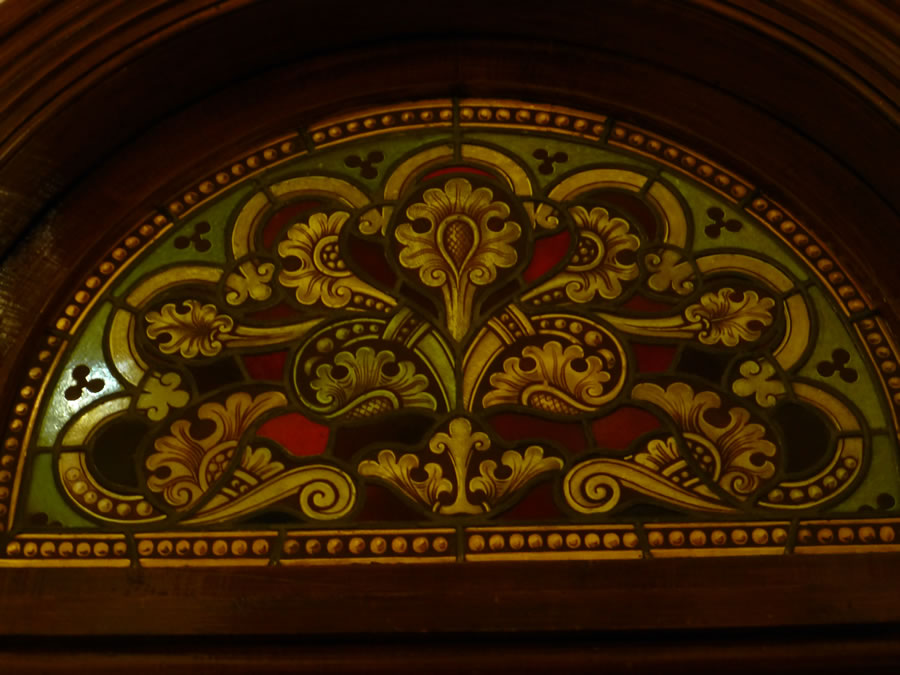
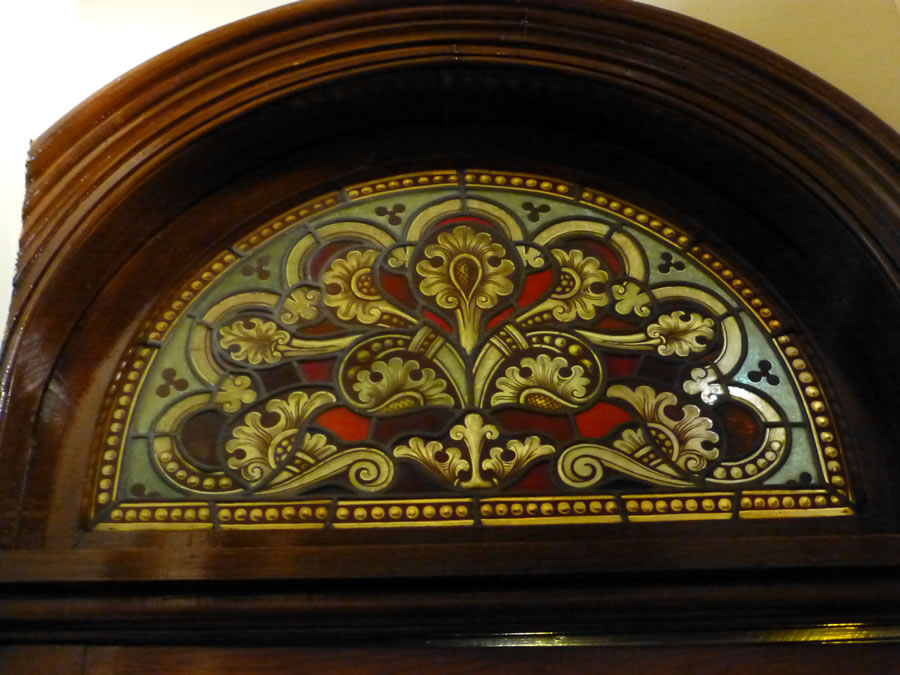
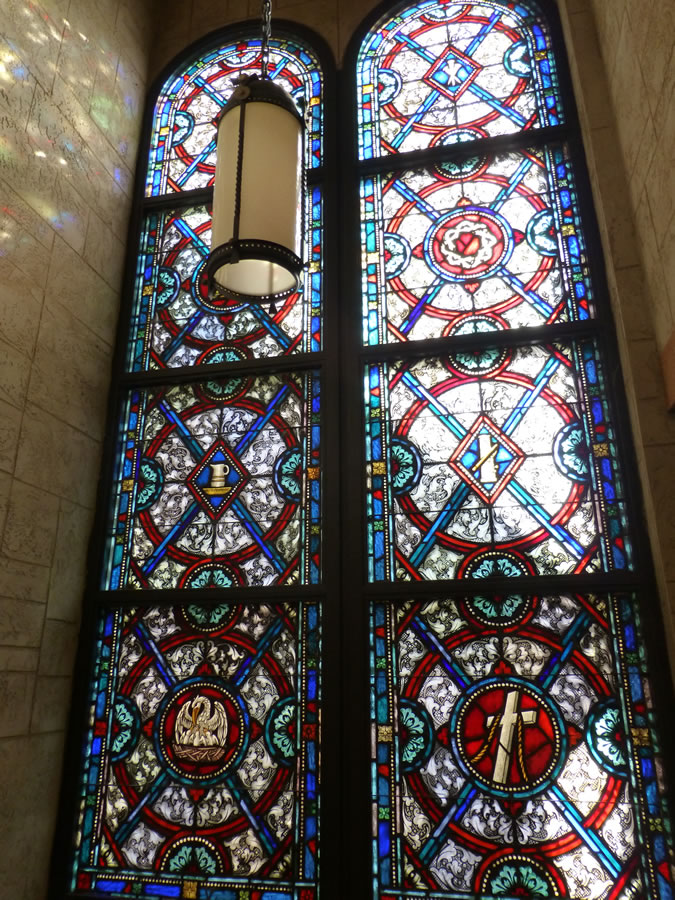
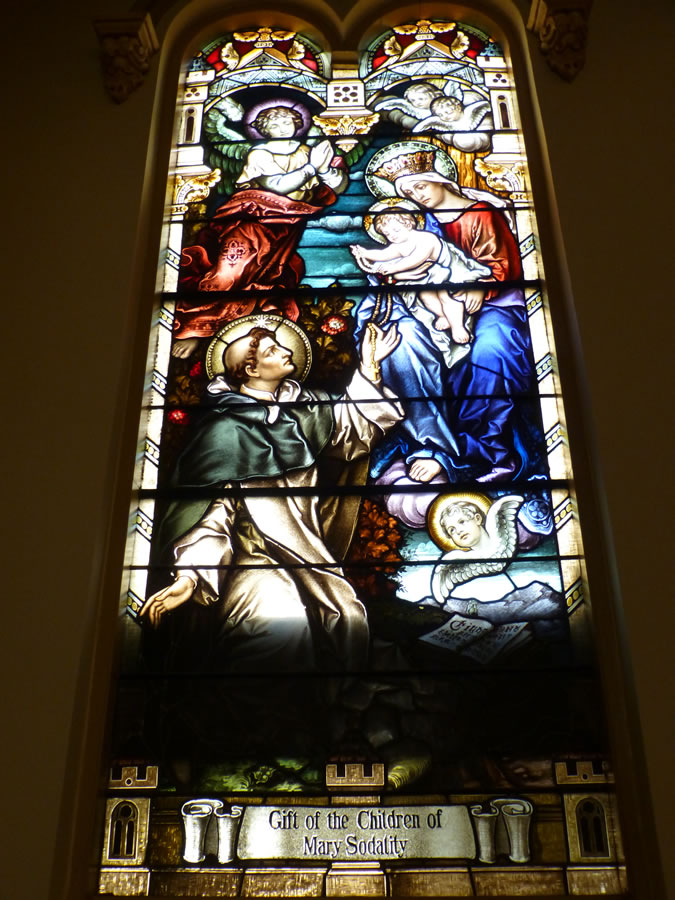
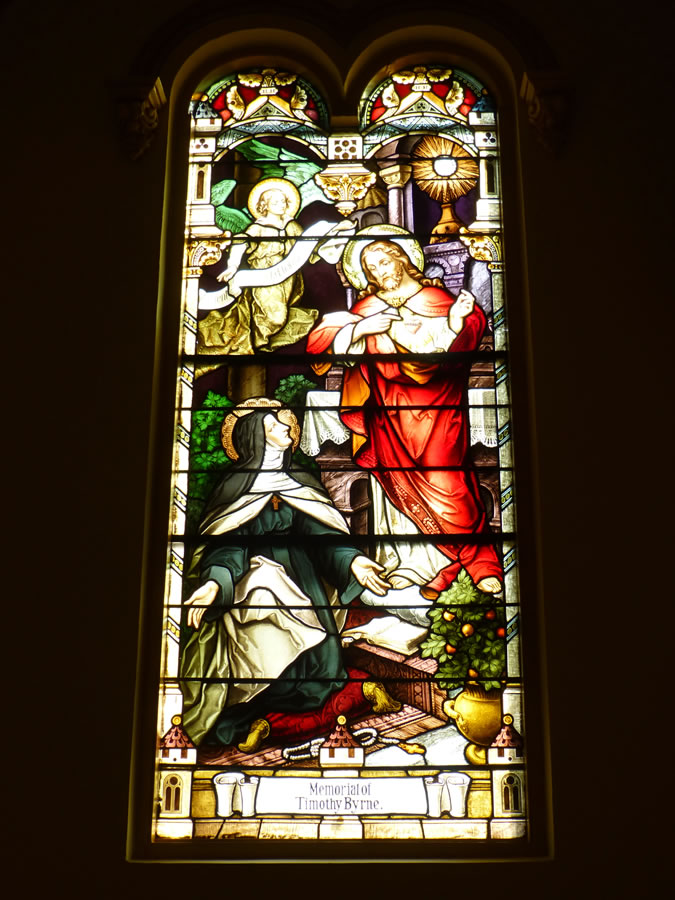
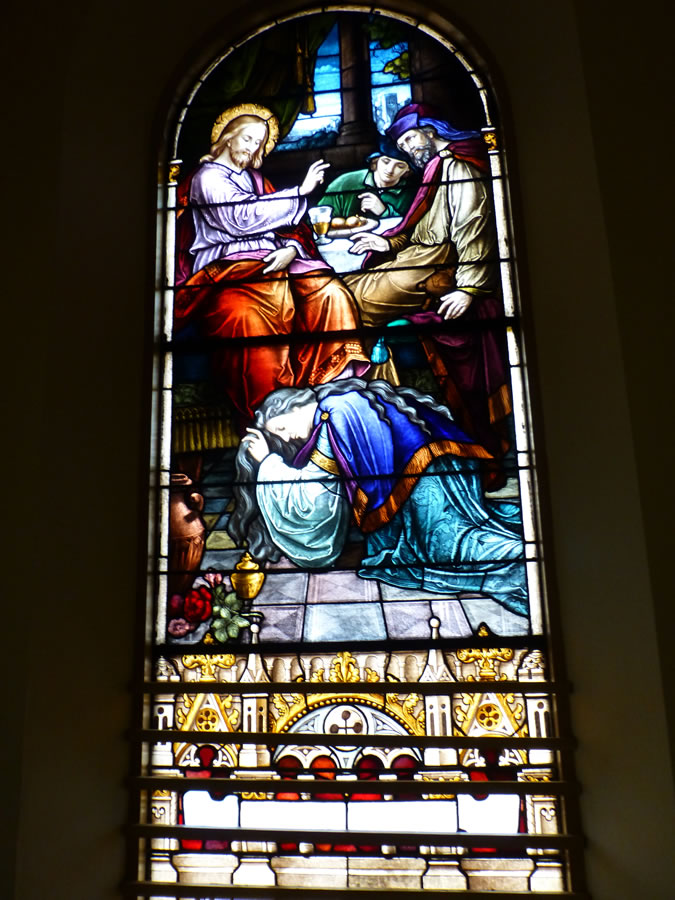
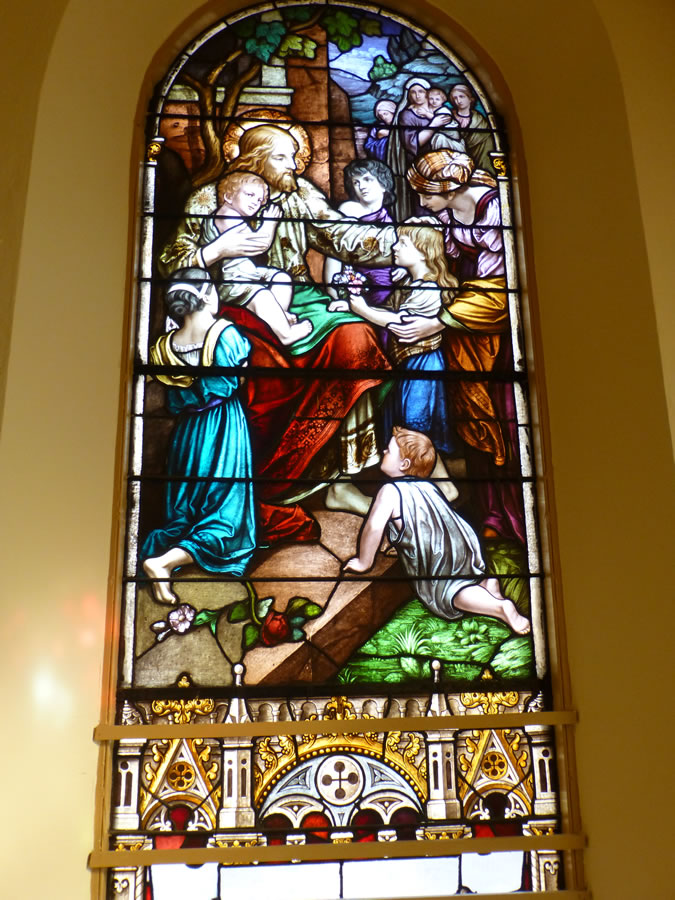
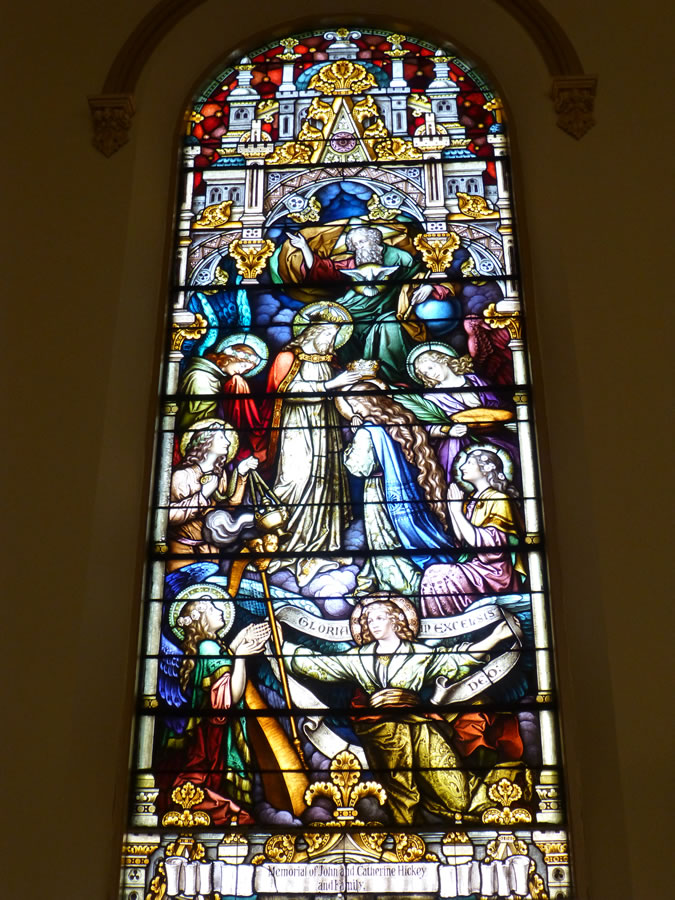
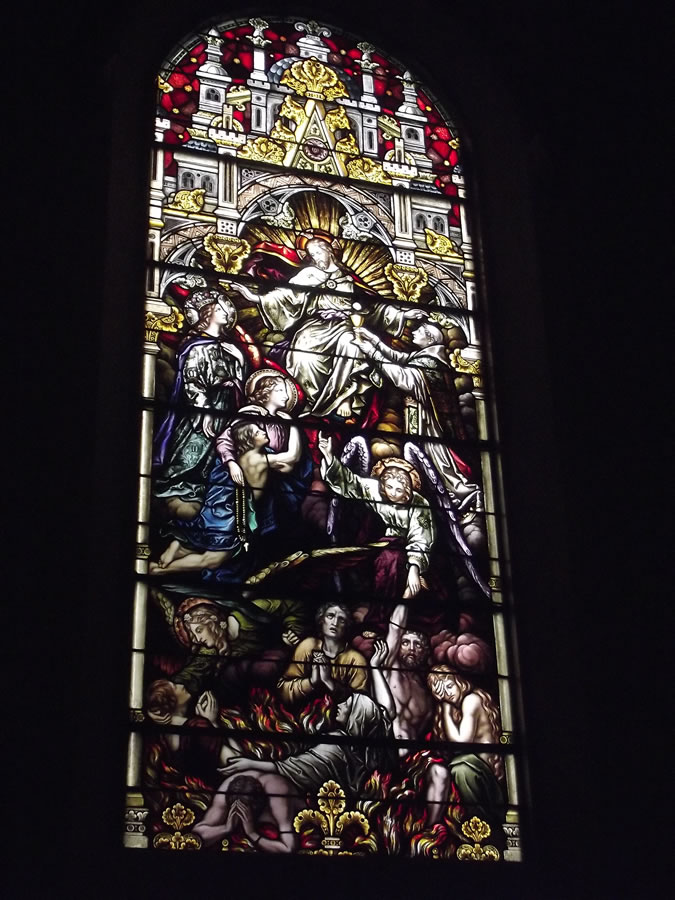
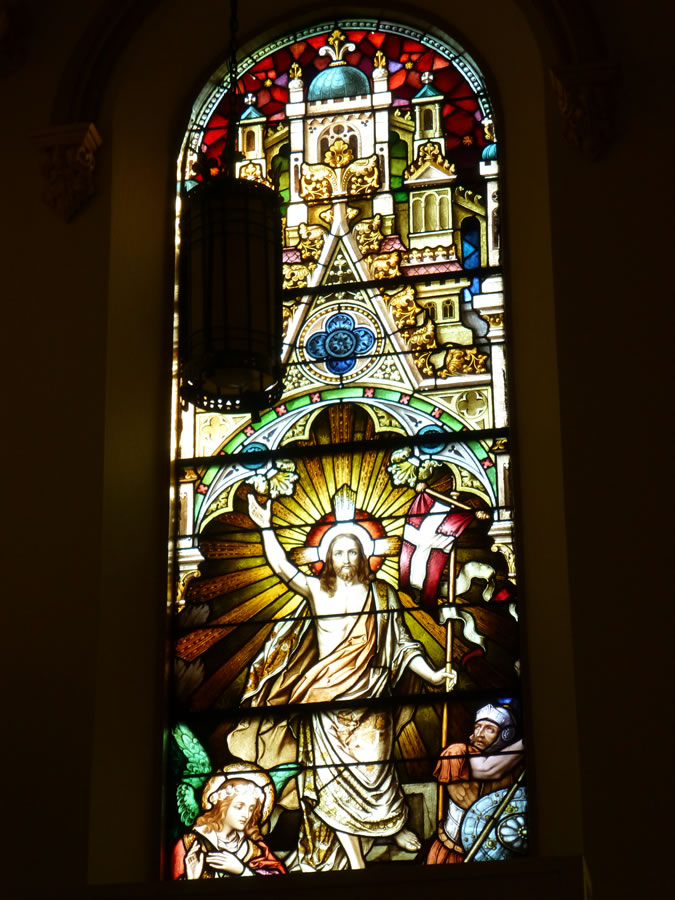
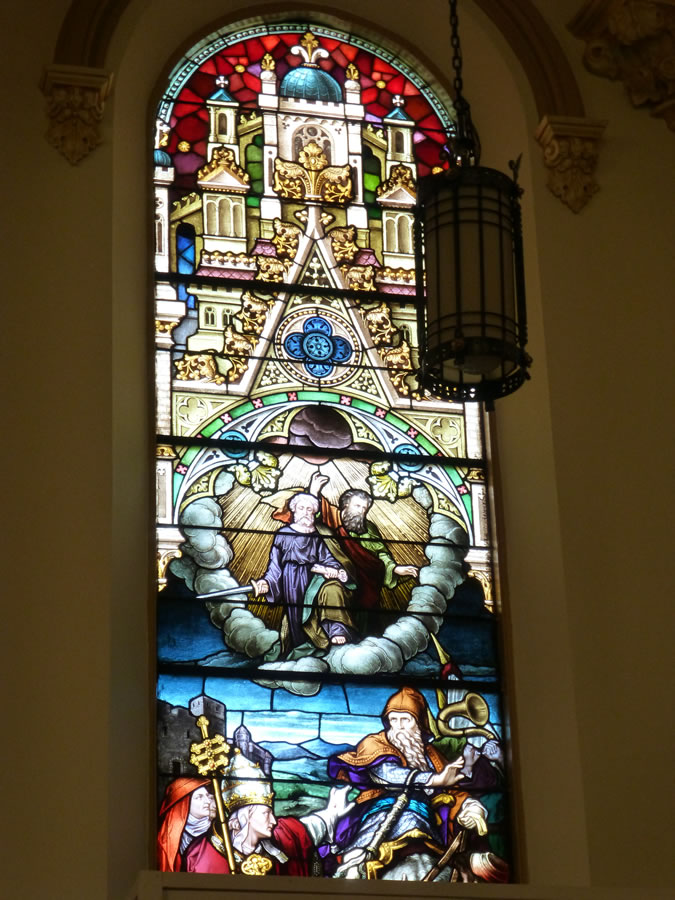
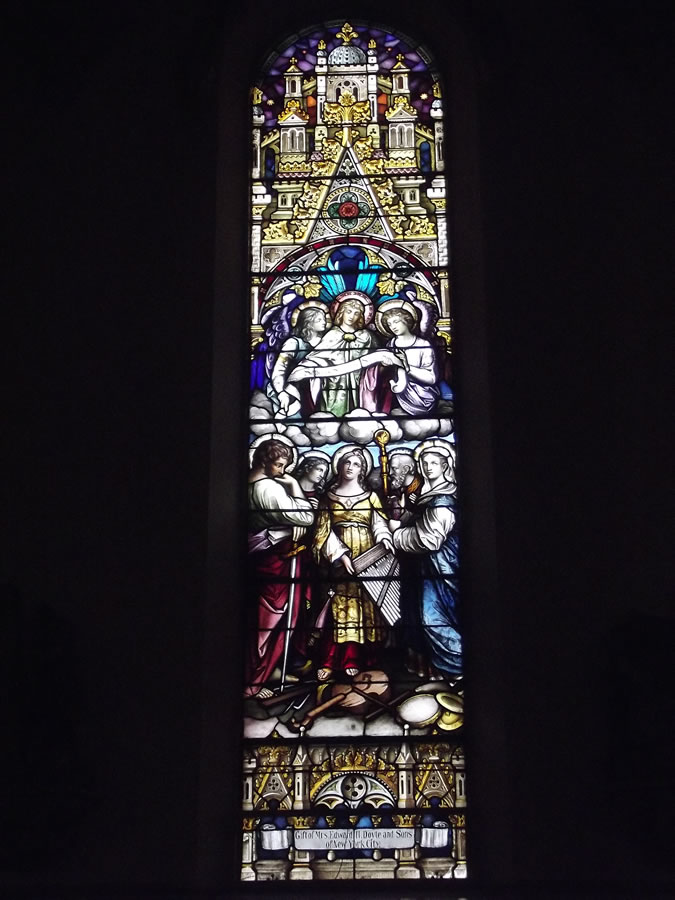
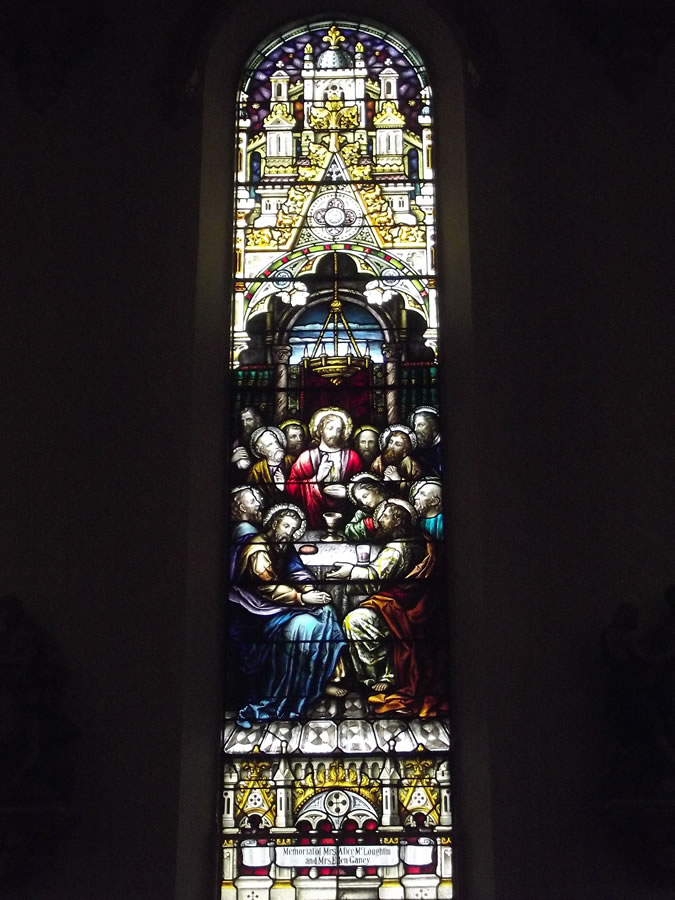
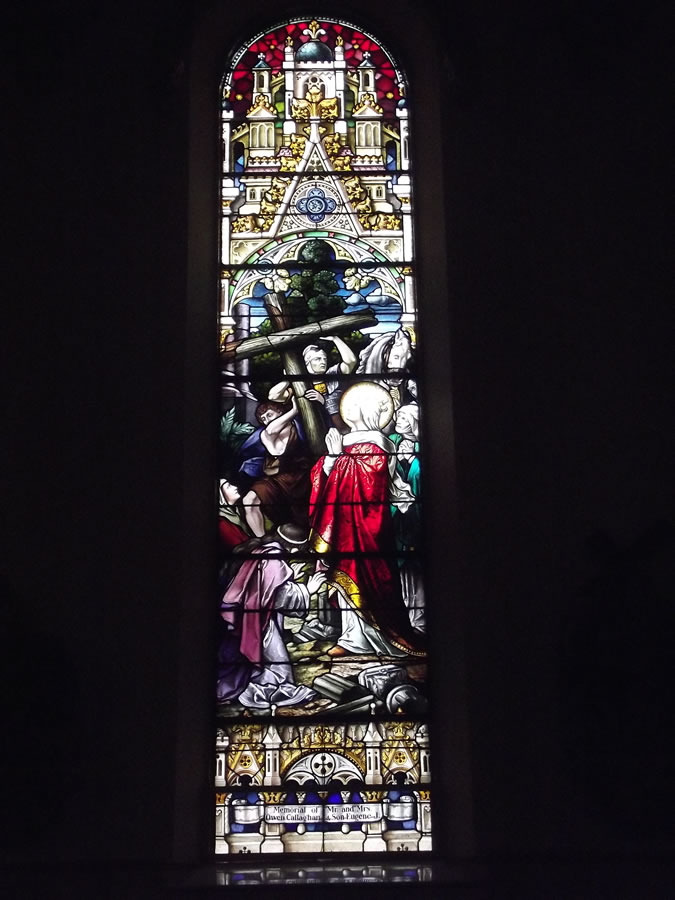
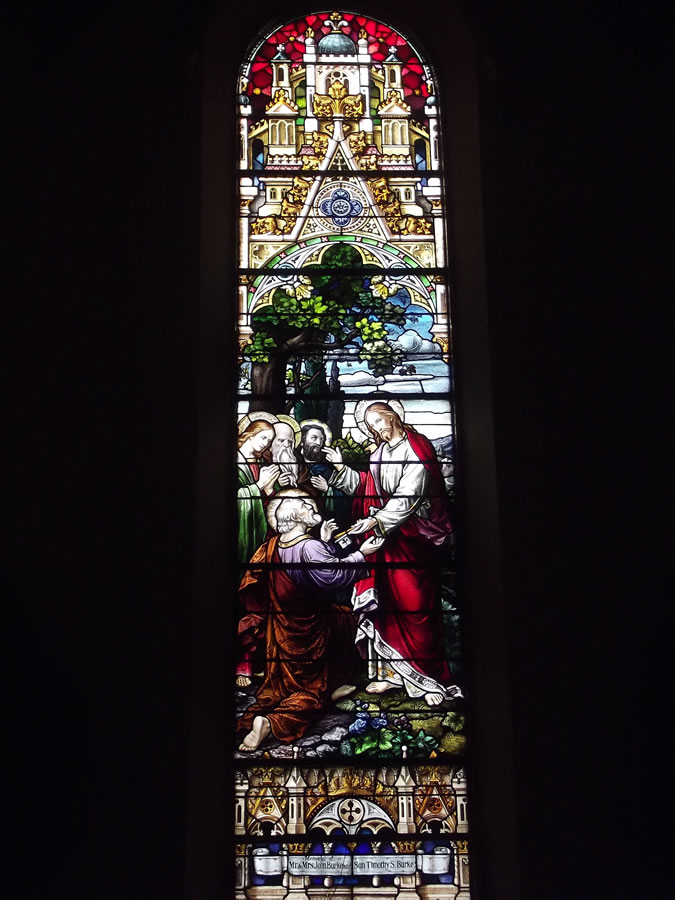
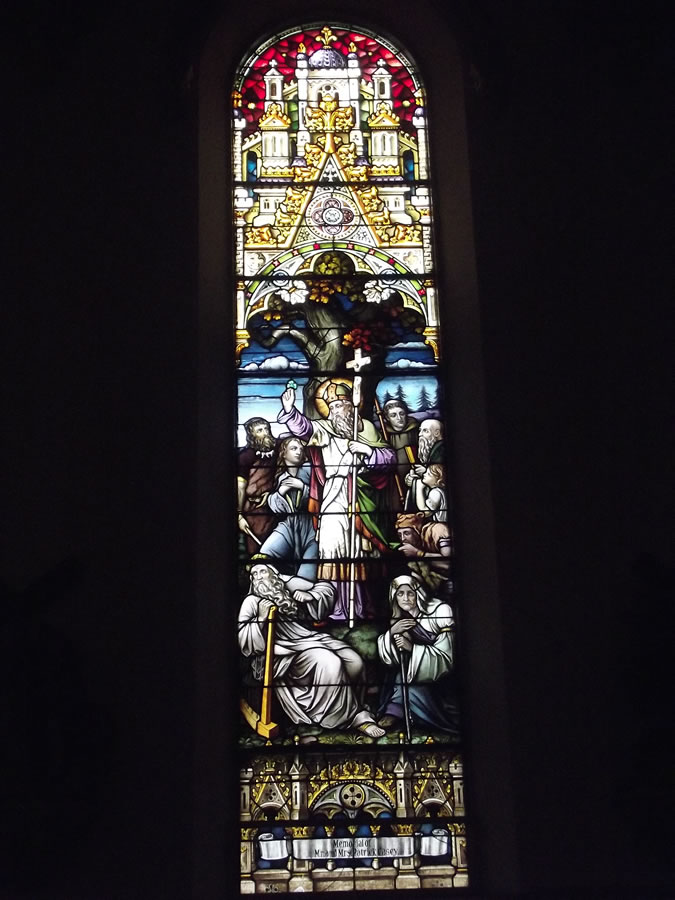
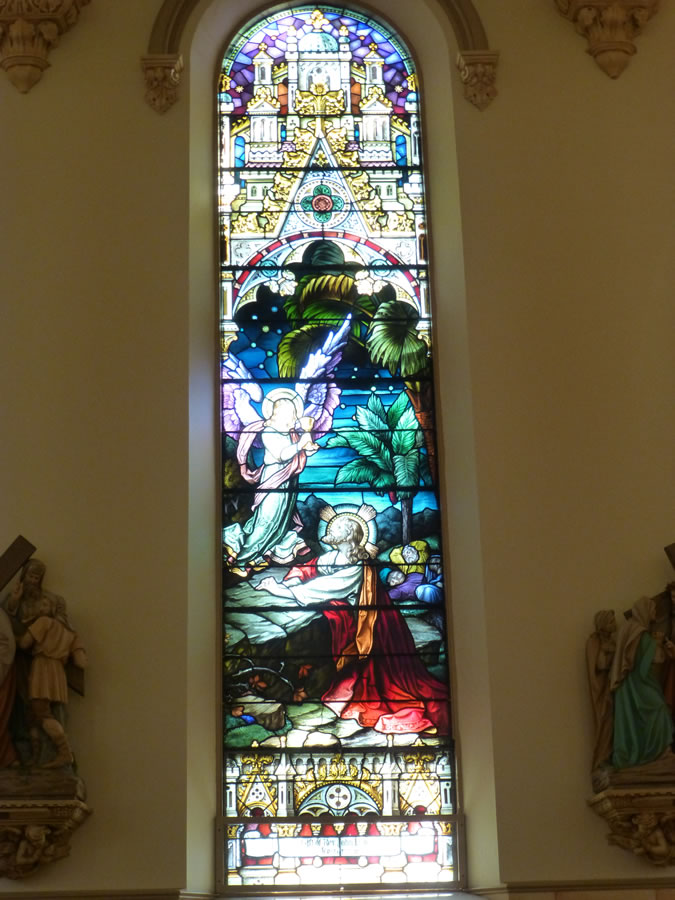
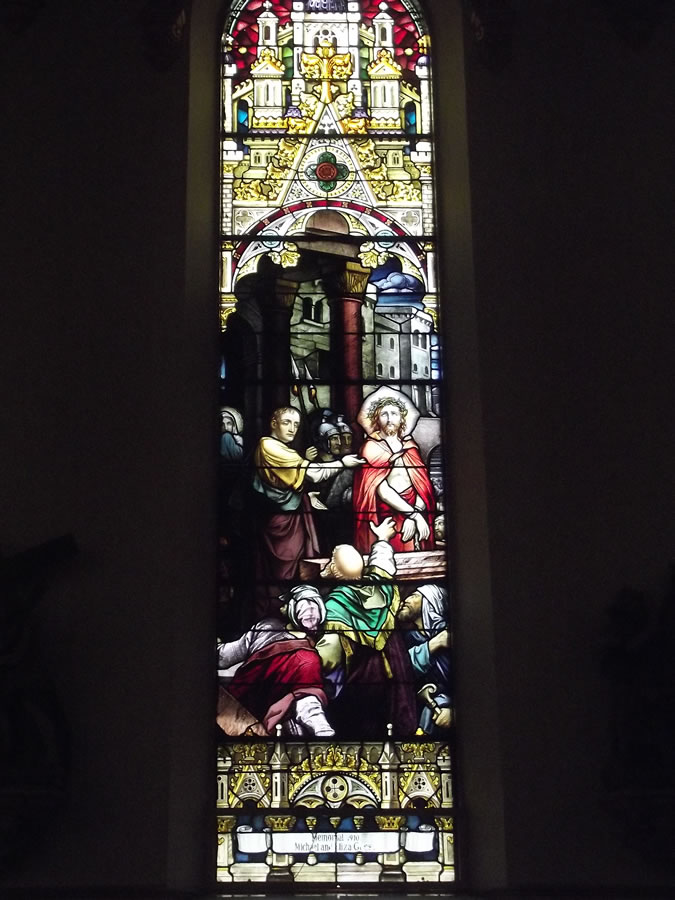
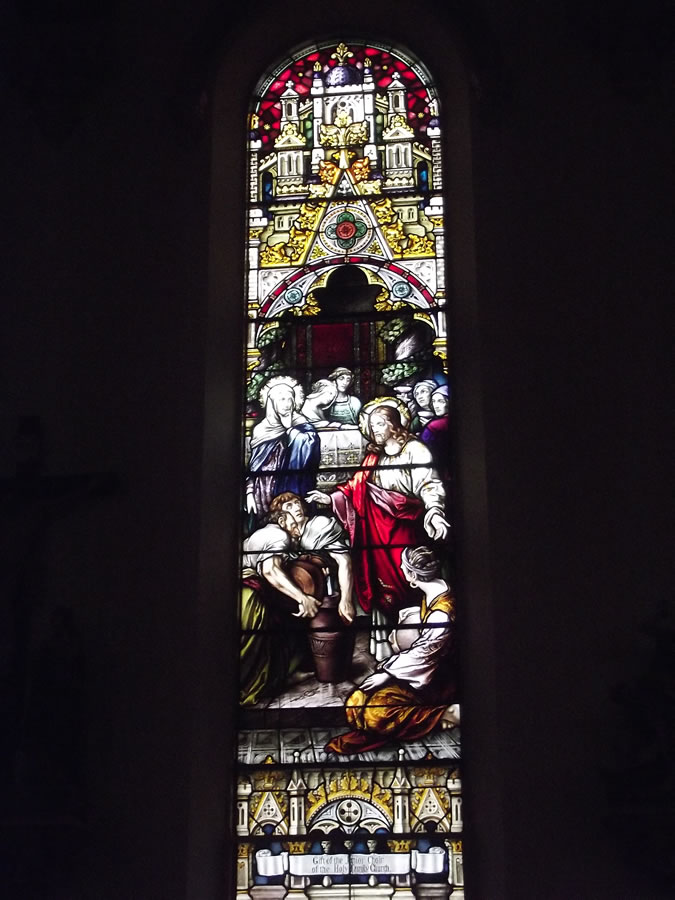
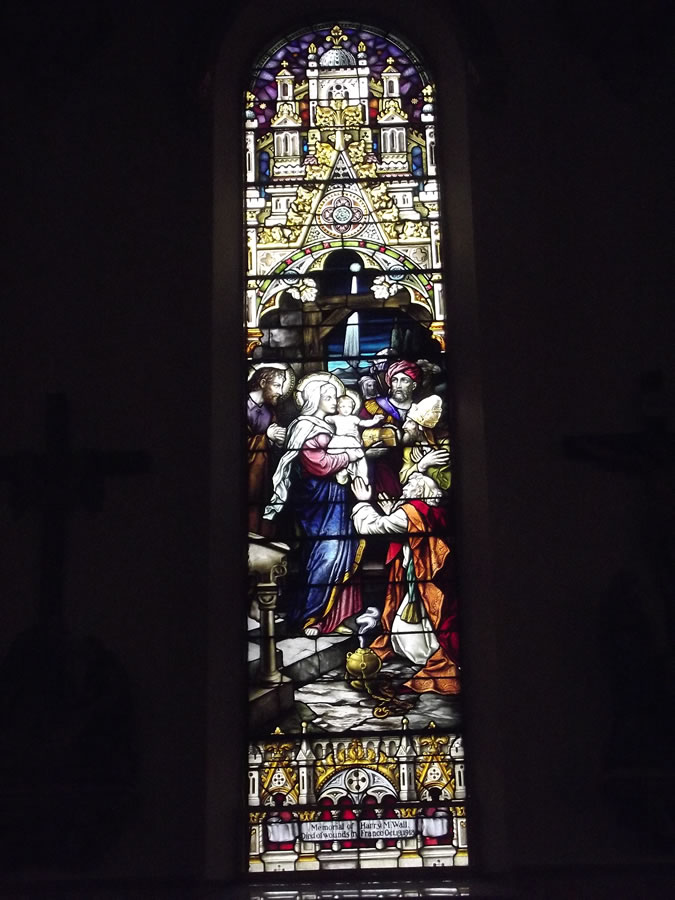
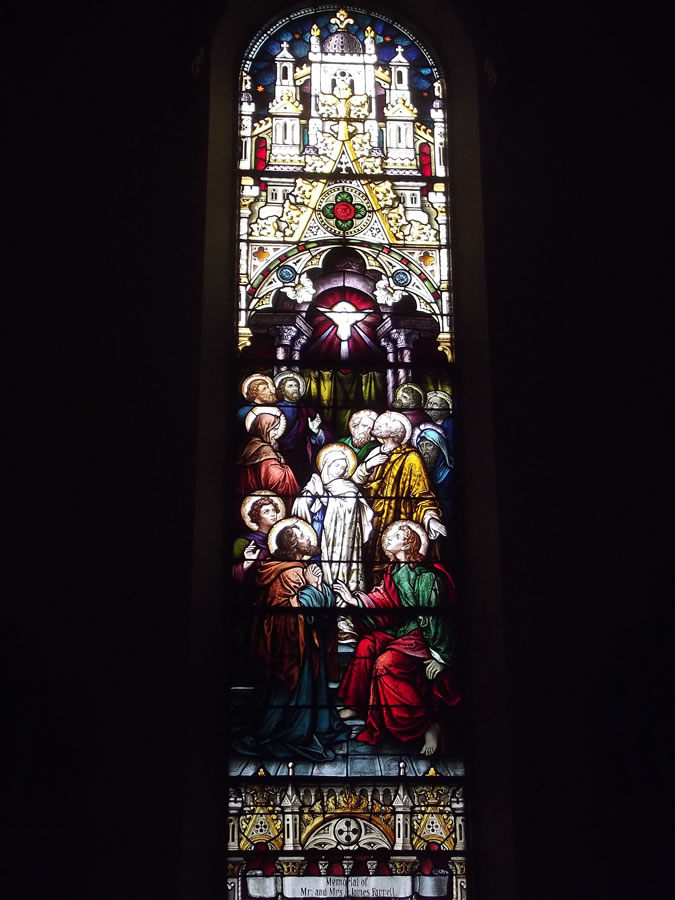
Twenty stained glass windows from Munich were installed in 1912. Oak pews—still present today—replaced older seating in 1913. In 1916, the church was extended 20 feet at the front with a new facade designed to resemble Indiana limestone.
Lightning struck the school building in 1924, causing fire damage to the roof. The parish purchased two adjacent lots for $28,000 to construct a replacement school. Groundbreaking occurred in April 1927, and Bp. Thomas Hickey dedicated the $244,300 building in August 1928. A high school was also constructed, opening on Sep. 8, 1930.
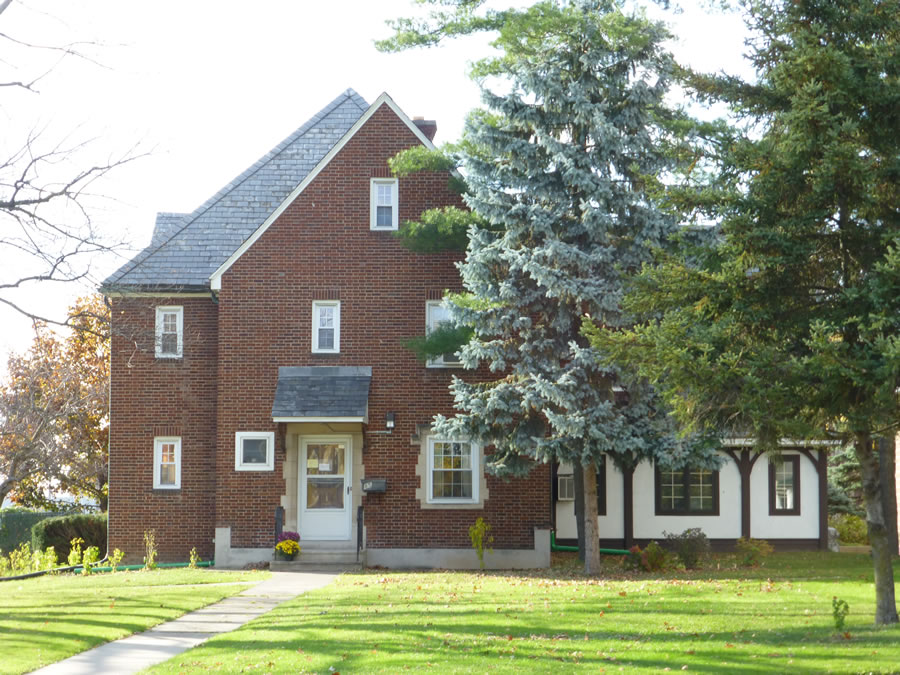
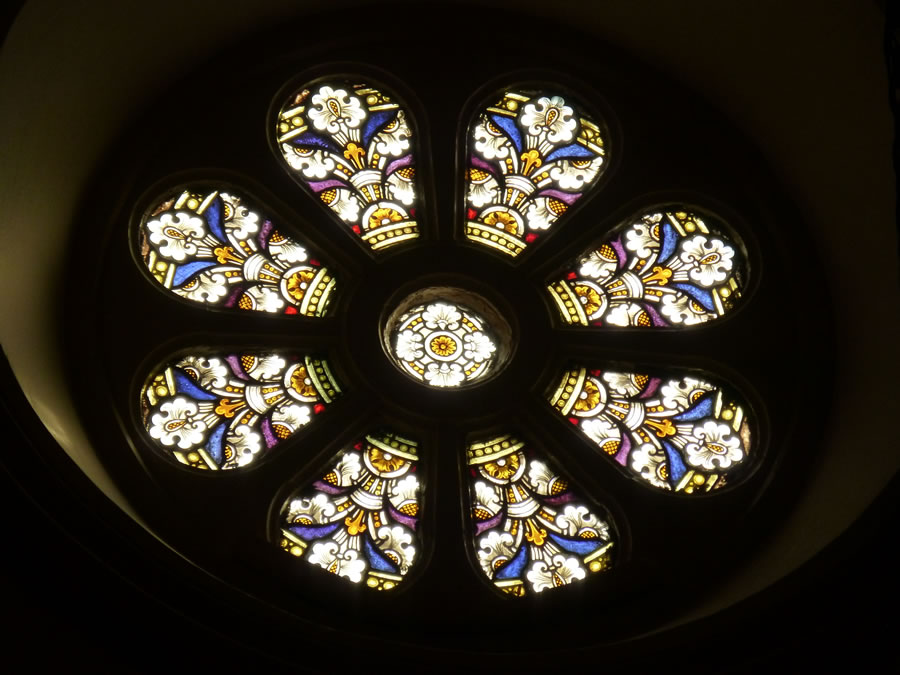
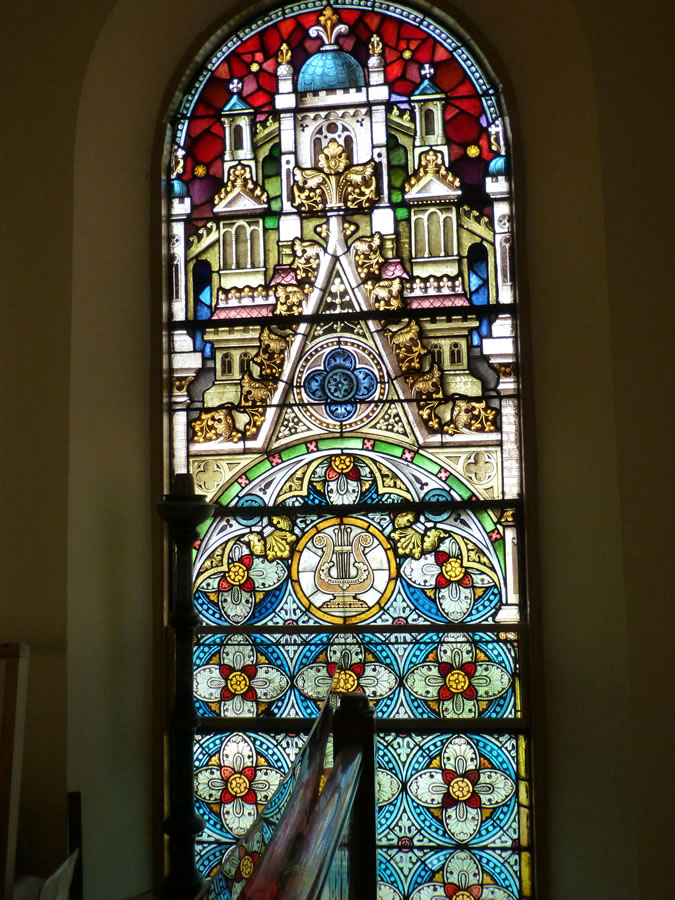
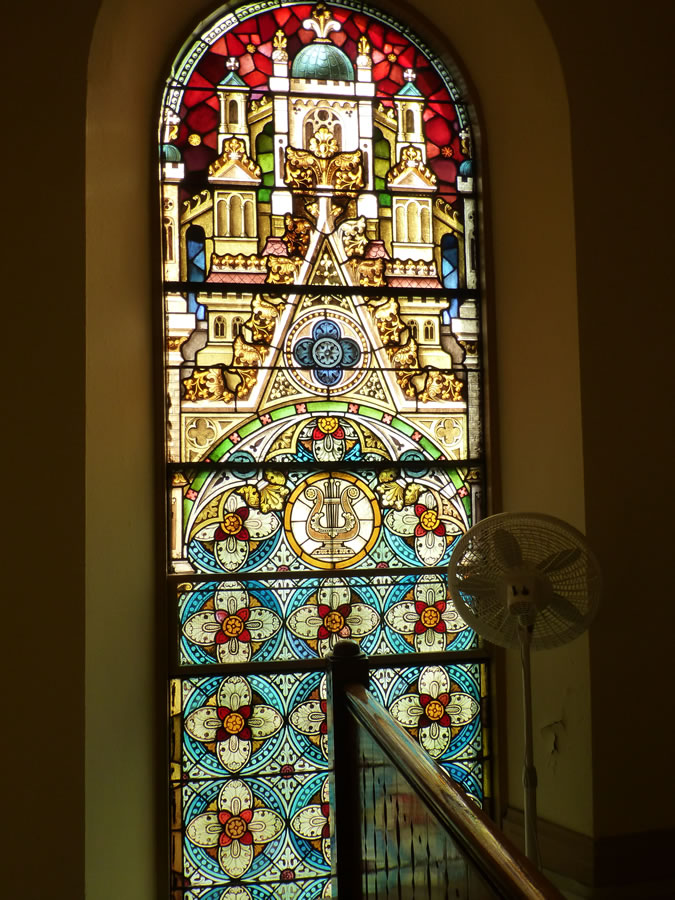
Subsequent decades brought continued growth and construction. The church was renovated in 1933 for its centennial. A new rectory was completed in February 1942. The Sisters of Mercy occupied a newly built convent starting Mar. 13, 1957. Renovations to the church and schools occurred from 1958 to 1959. A large rose window was installed in the choir loft in November 1967. Heated sidewalks were added the following year for parishioner safety, and steel beams and columns were installed beneath the church, which had begun settling with age.
The Second Vatican Council prompted changes in the late 1960s and early 1970s. The parish established its first Board of Education and Parish Council in 1970, with council members elected in April 1973. Holy Family High School, administered by the nearby Carmelite Fathers, closed and was sold in Spring 1972, eventually giving rise to Mt. Carmel High School in Auburn. Declining enrollment forced the elementary school's closure in 1973. Holy Family's school merged with St. Alphonsus and Sacred Heart elementary schools to form Blessed Trinity School on the St. Alphonsus campus, opening in September 1973. The Sisters of Mercy convent also closed that year and was leased to generate parish income.
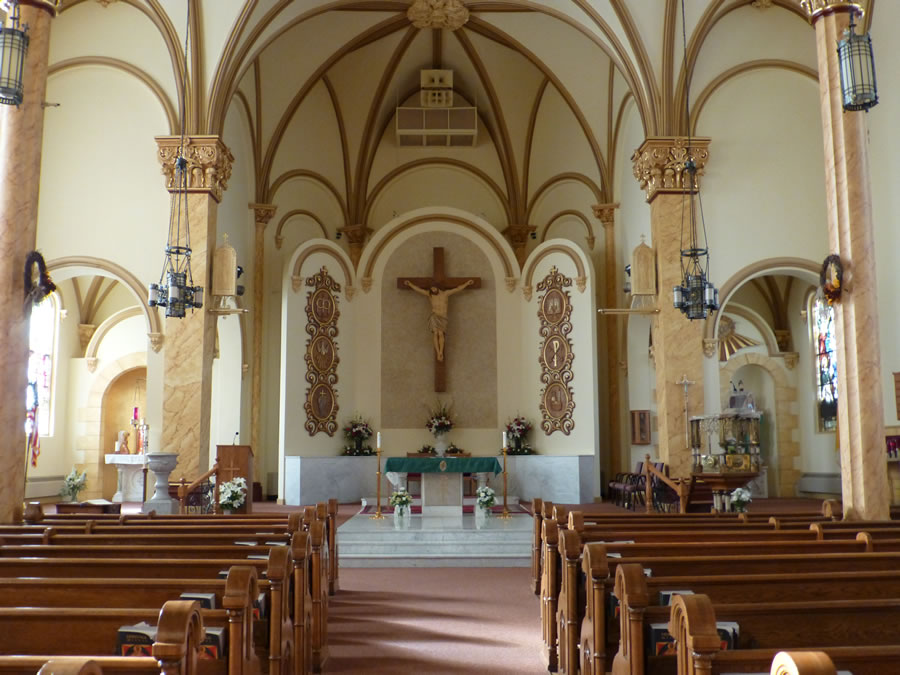
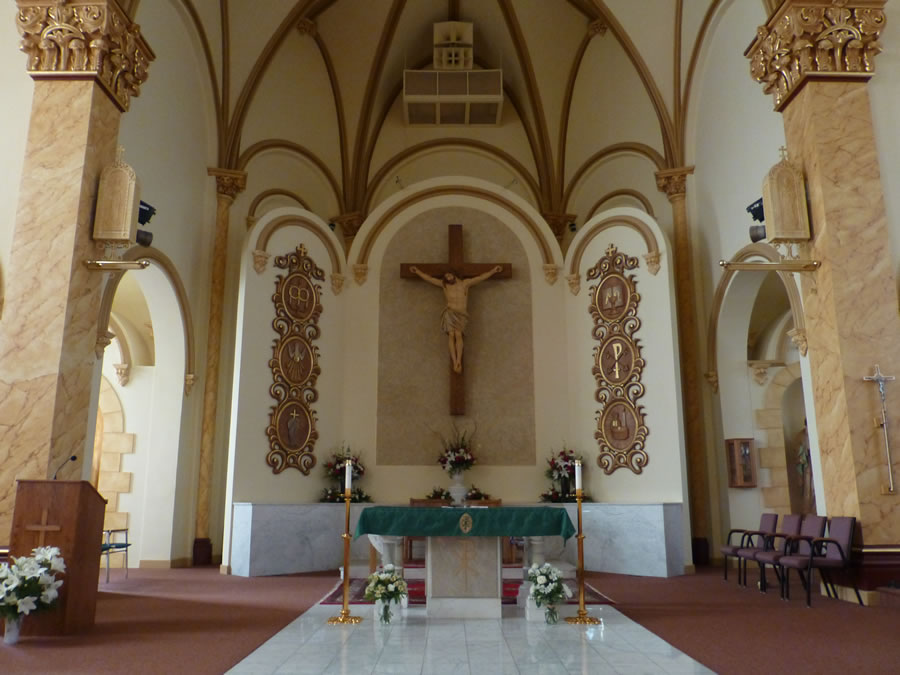
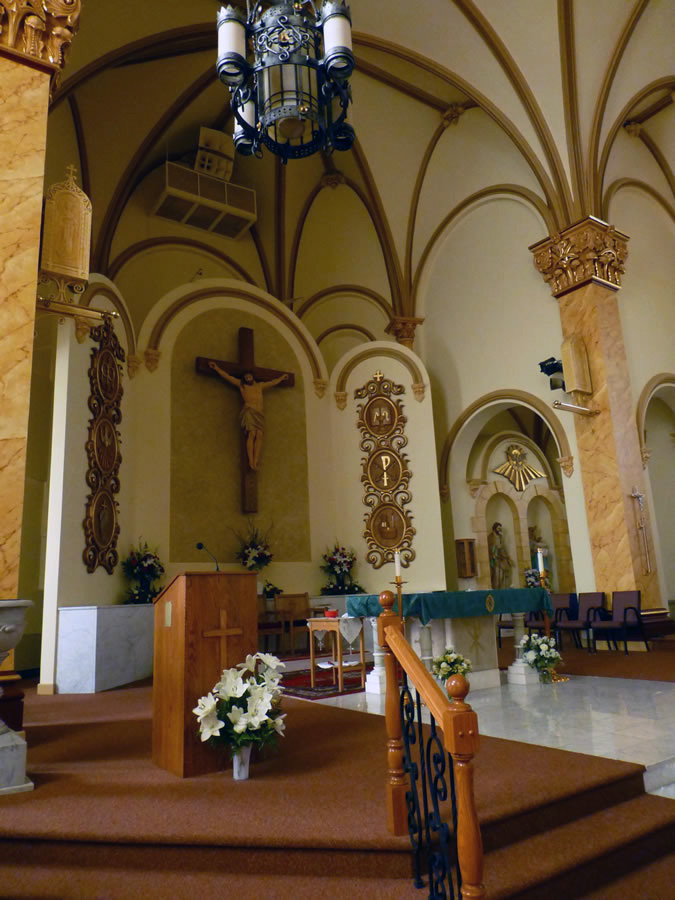
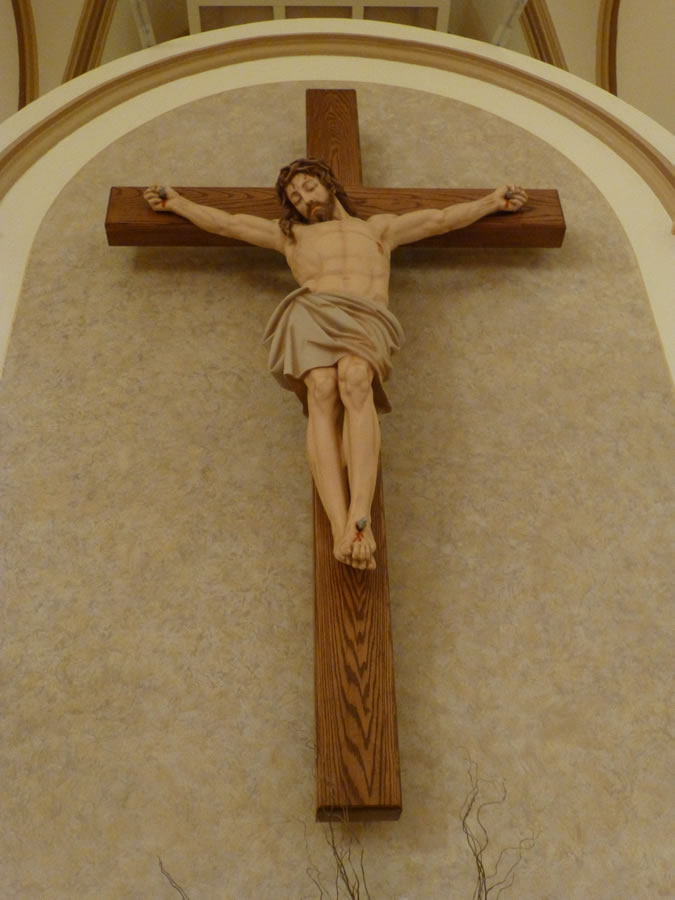
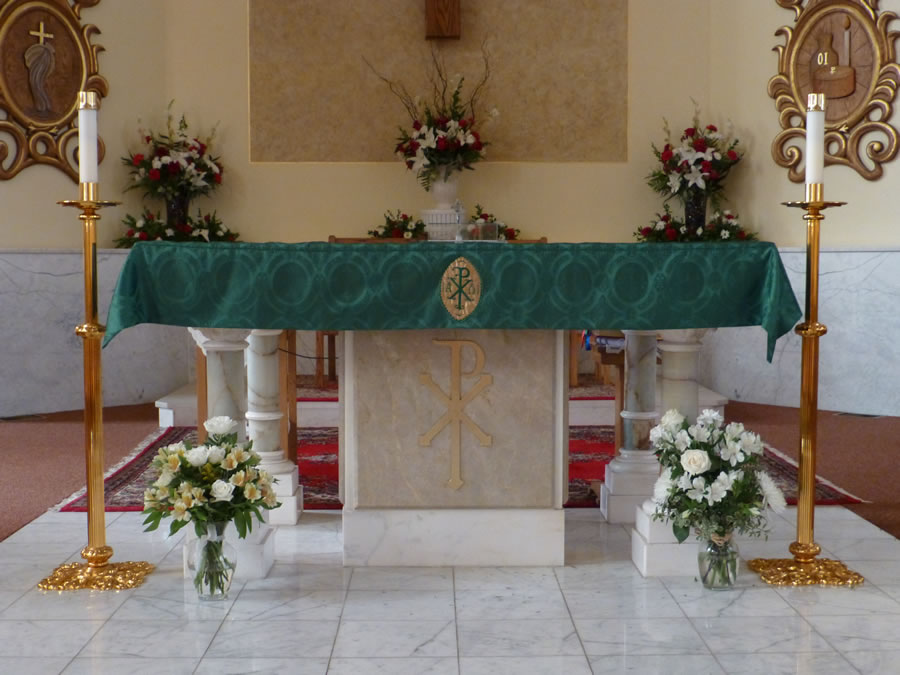
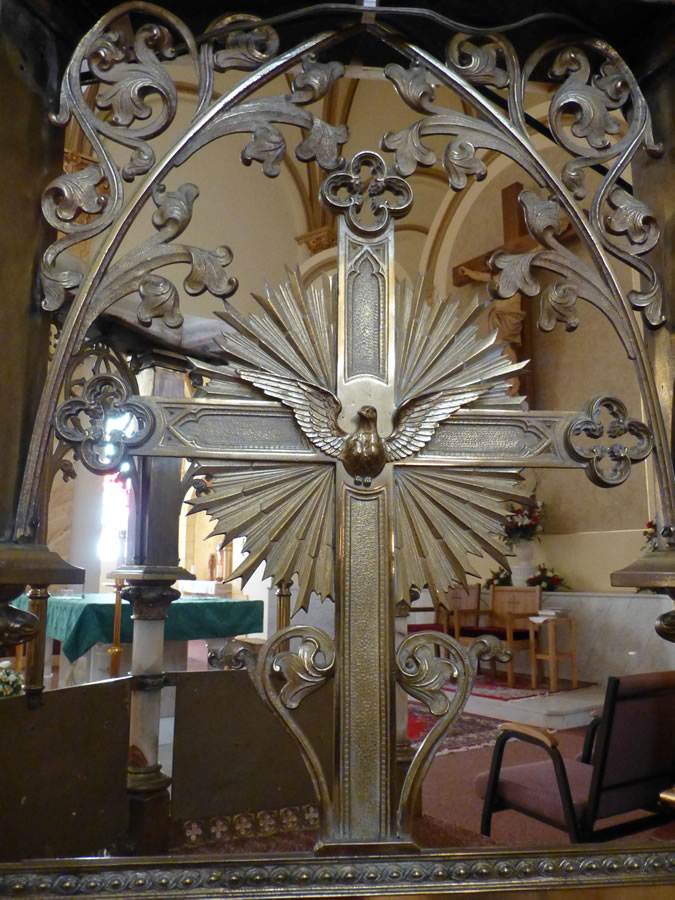
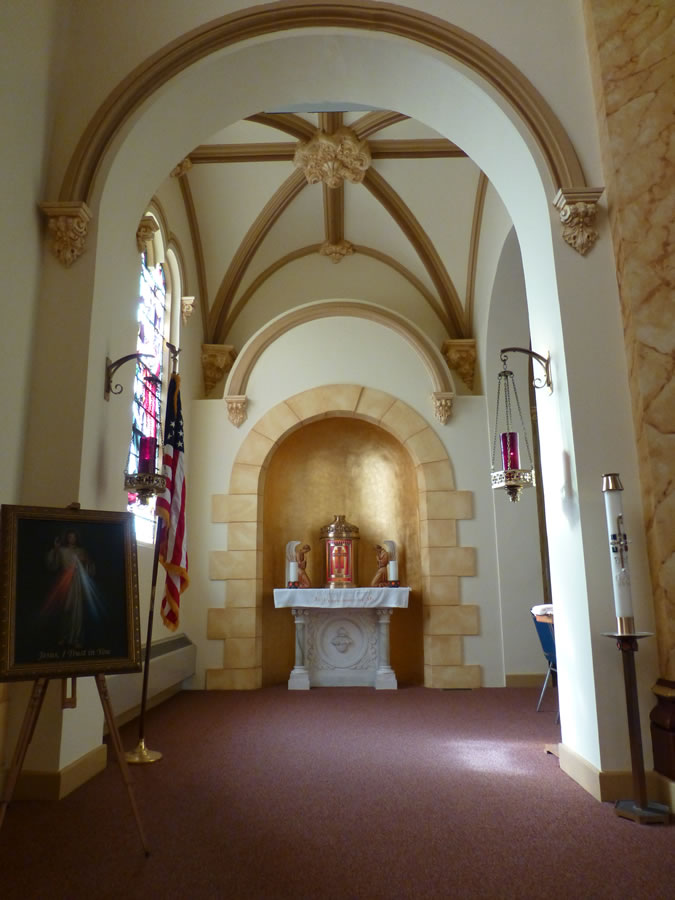
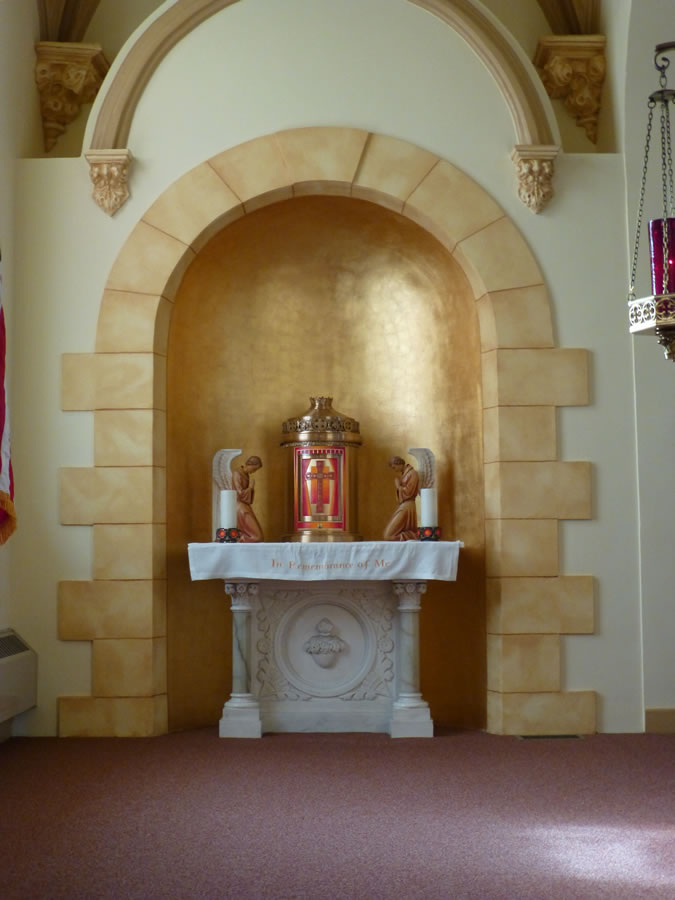
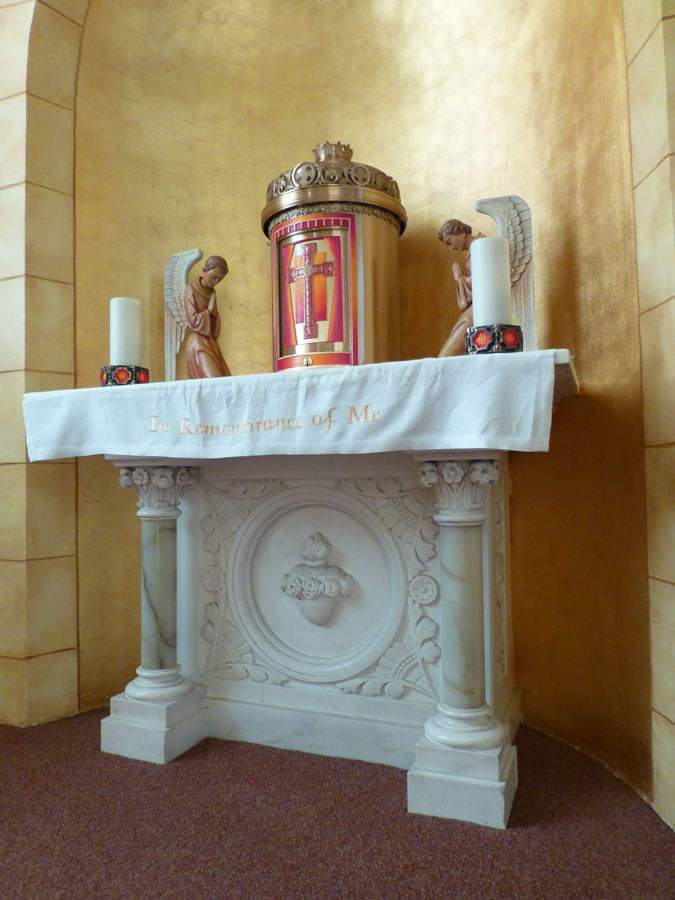
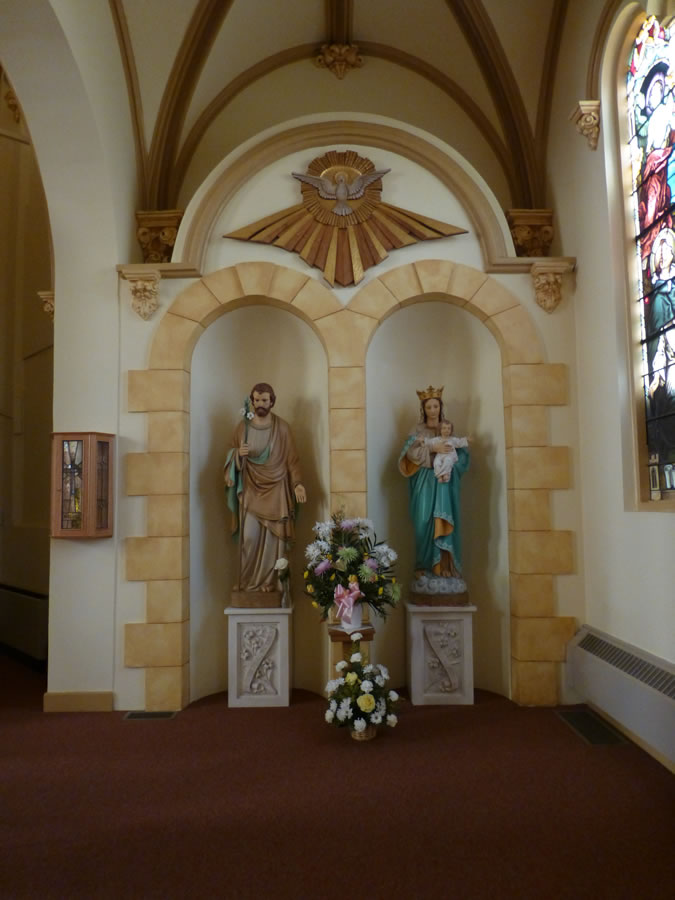
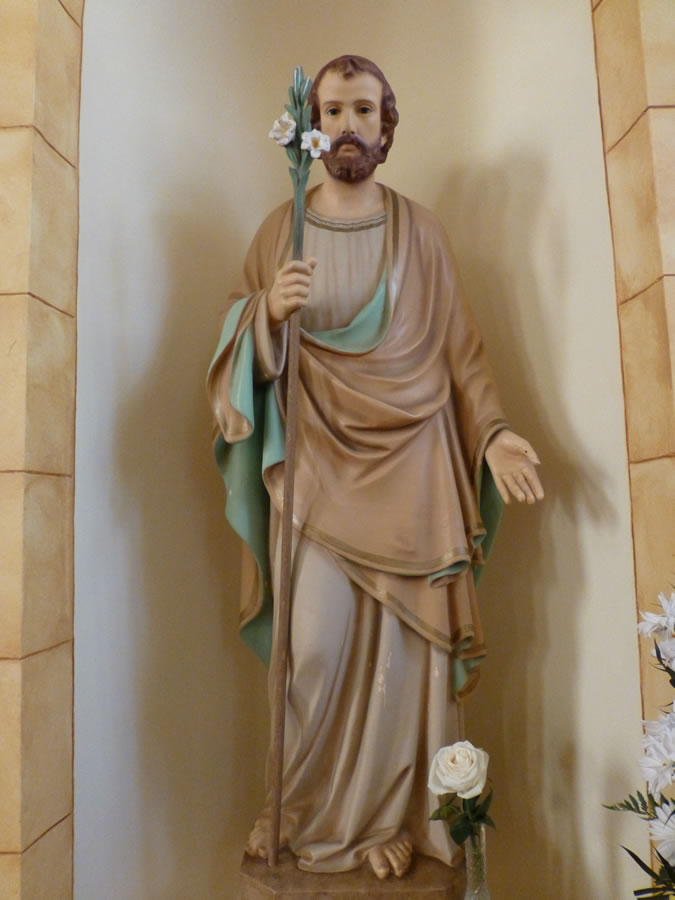
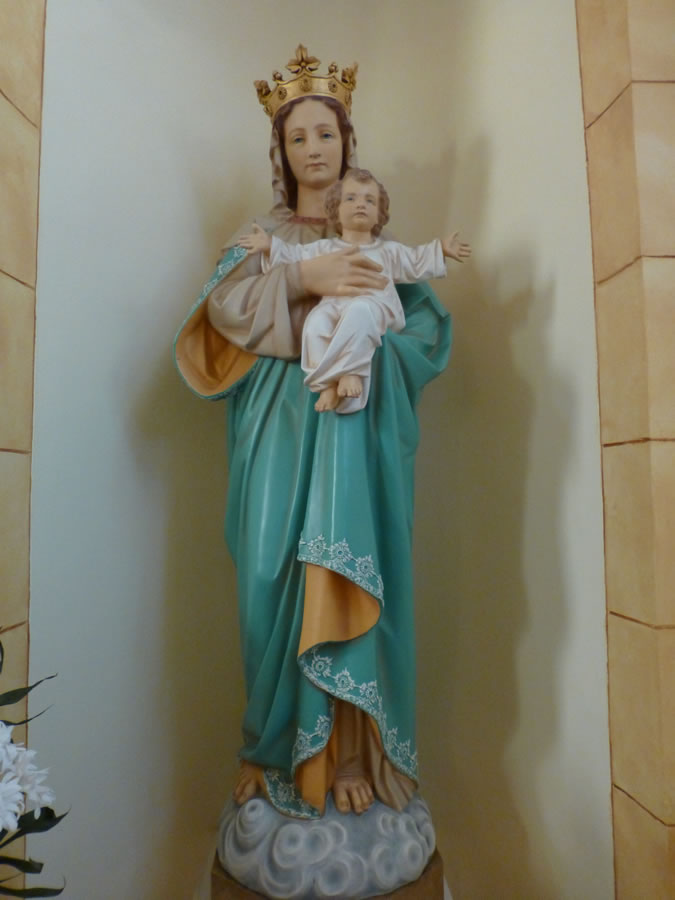
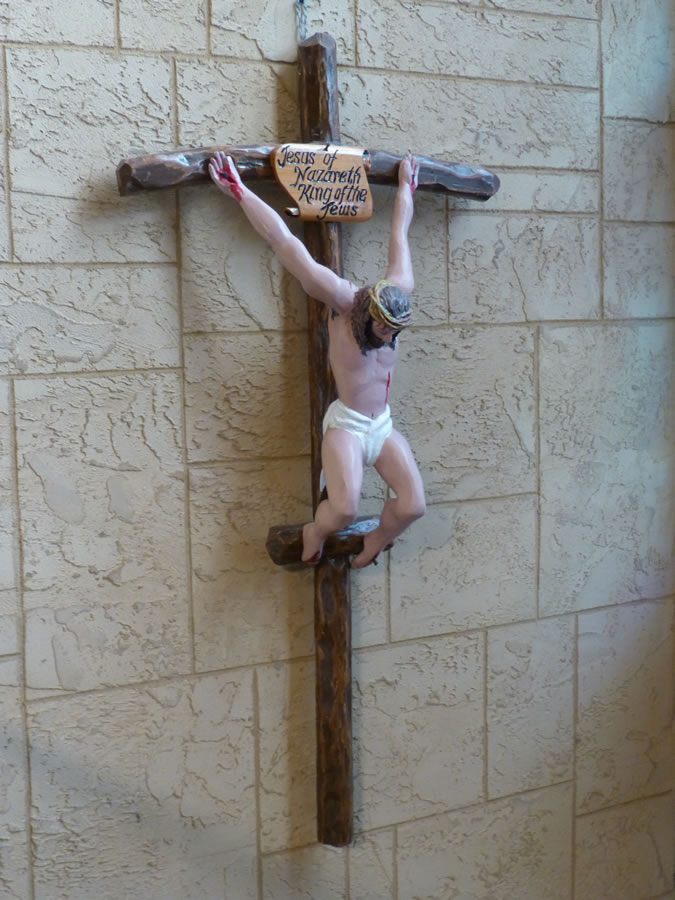
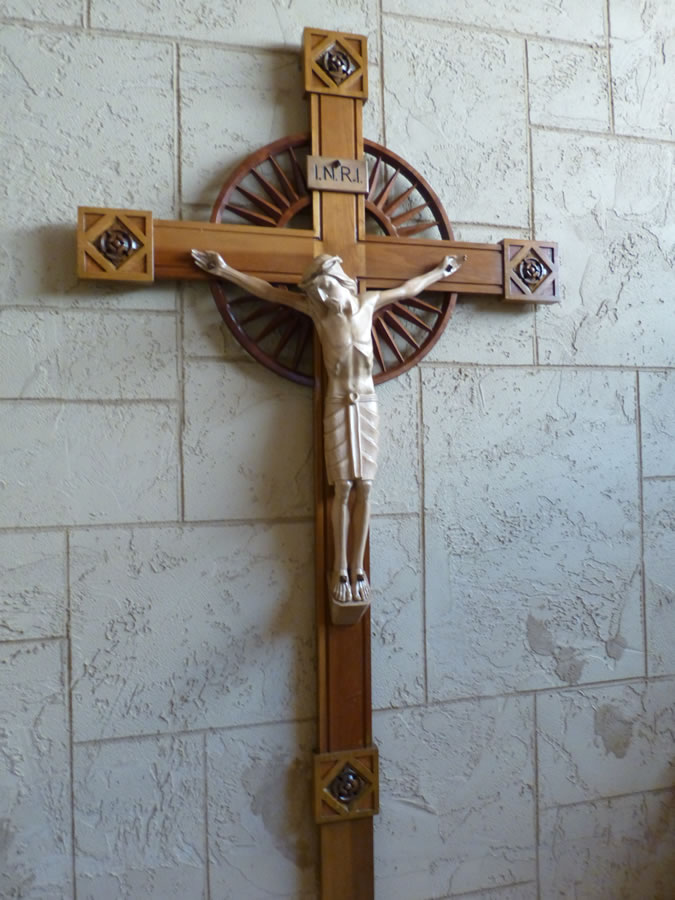
Declining Mass attendance and priest shortages led to the clustering of Holy Family and St. Aloysius churches in 1982 under Fr. Conrad Sundholm. Extensive renovations followed, with parishioners worshipping in the school gym during construction. The church became handicap accessible in 1983. A major 1988 interior renovation lowered the pews to ground level, repaired the Stations of the Cross, and redesigned the sanctuary. The high altar was removed, with portions incorporated into a new freestanding altar. The large crucifix moved from the left side to the sanctuary. Side altars gave way to a Blessed Sacrament chapel and Holy Family shrine. Bp. Clark dedicated the renovated church and new altar on June 24, 1989.
During the 1990s, approximately 800 families comprised the parish. Attendance declined steadily over subsequent decades, a trend that intensified when Pastor Dennis Shaw was placed on leave in December 2010. A temporary administrator served briefly before Bp. Clark assigned Fr. John Gathenya to lead Holy Family on June 28, 2011—a role he continues today. Though smaller than its peak, the parish averaged about 385 weekly worshippers as of 2017 and remains Auburn's "Mother Church."
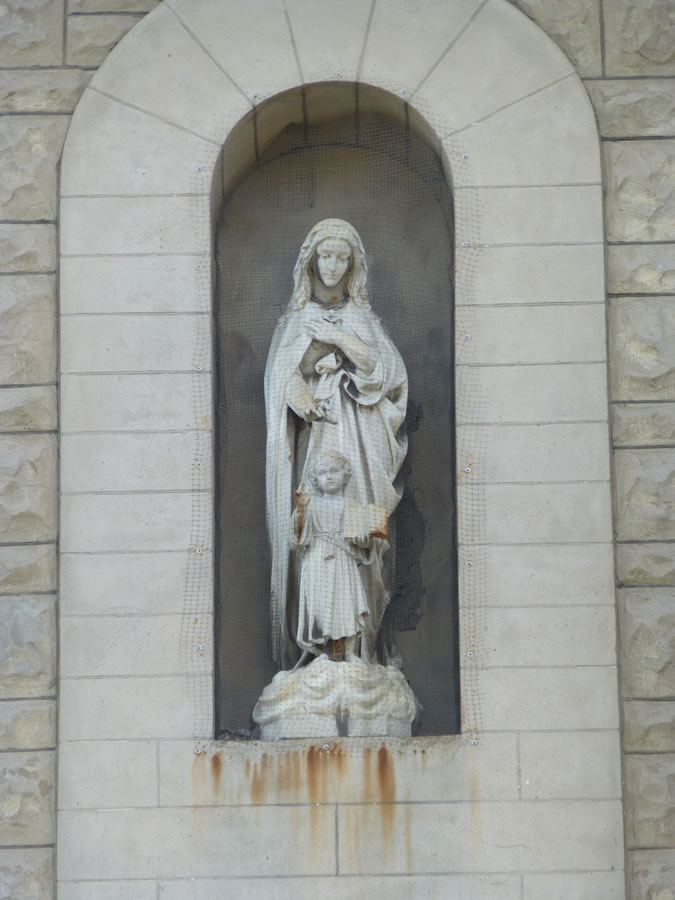
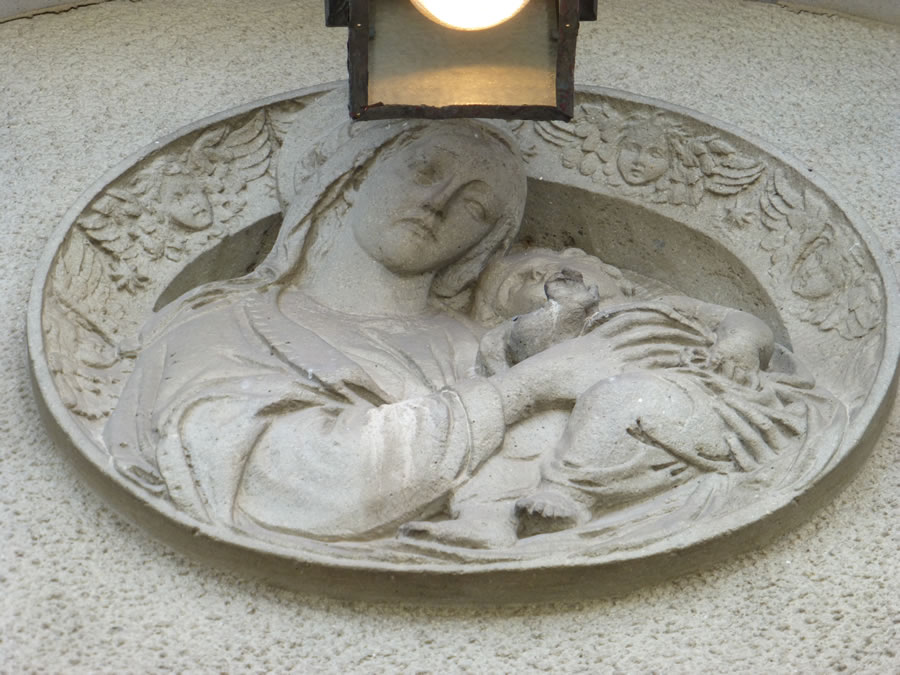
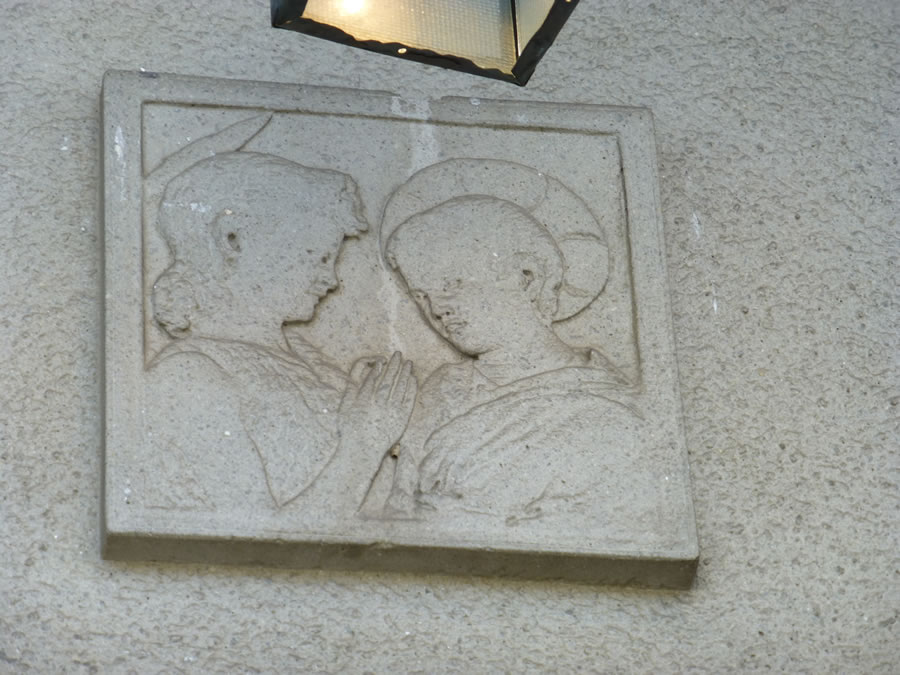
Exterior Photographs
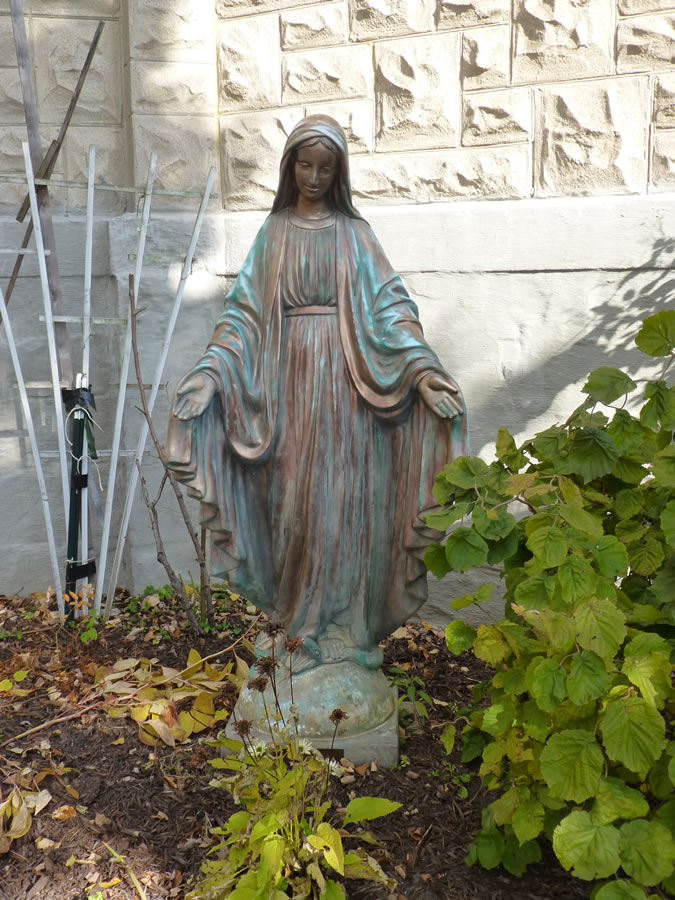
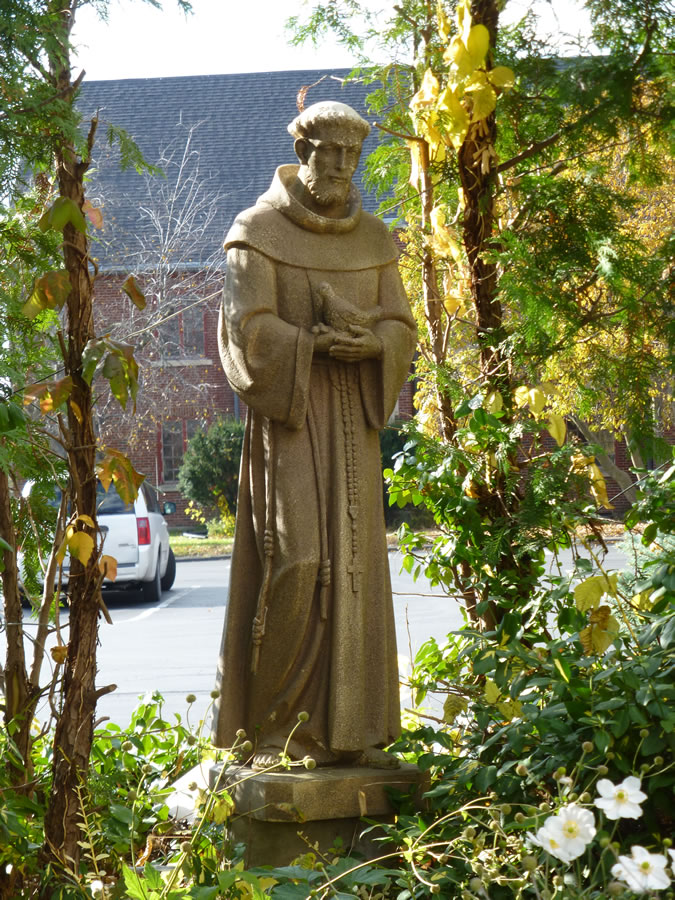
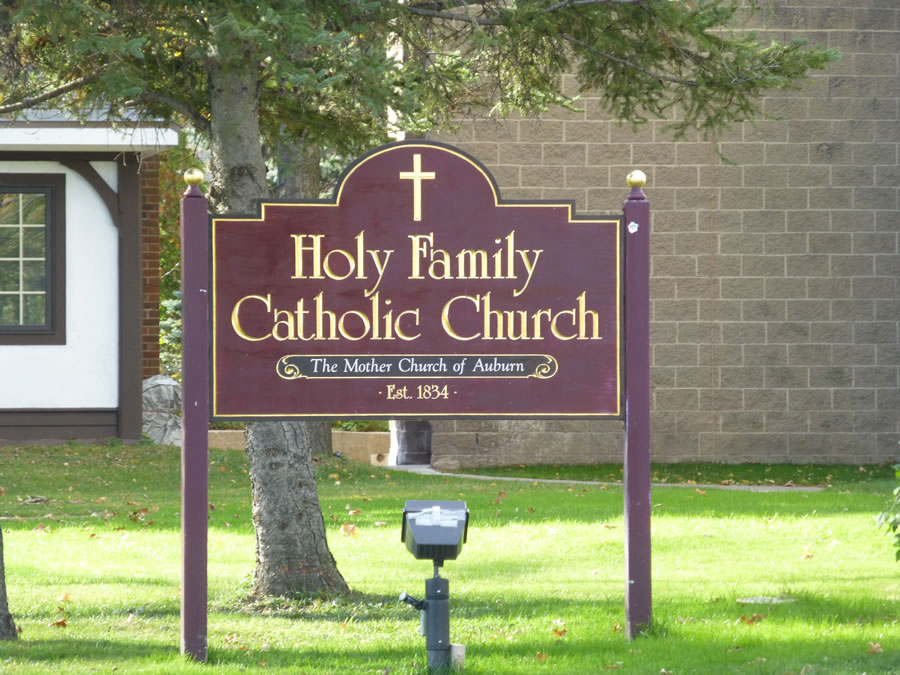
Interior Photographs
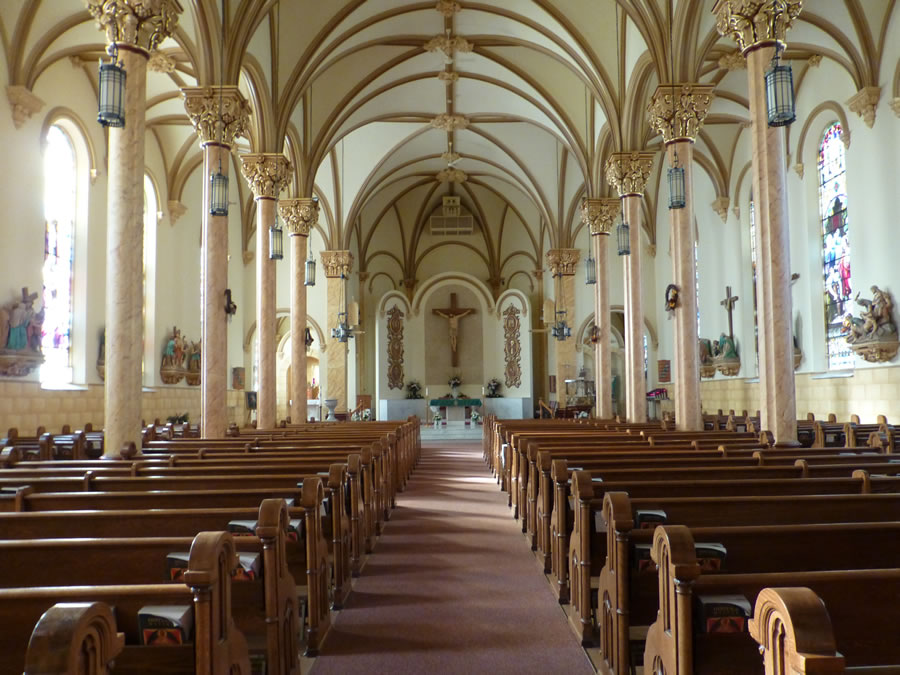
Stations of the Cross
Stained Glass
Historical Photographs