St. John the Evangelist
ActiveCity of Rochester, Monroe County
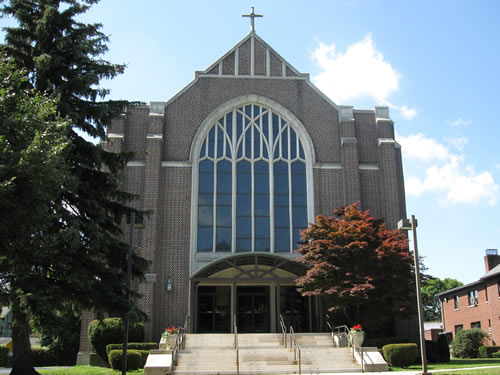
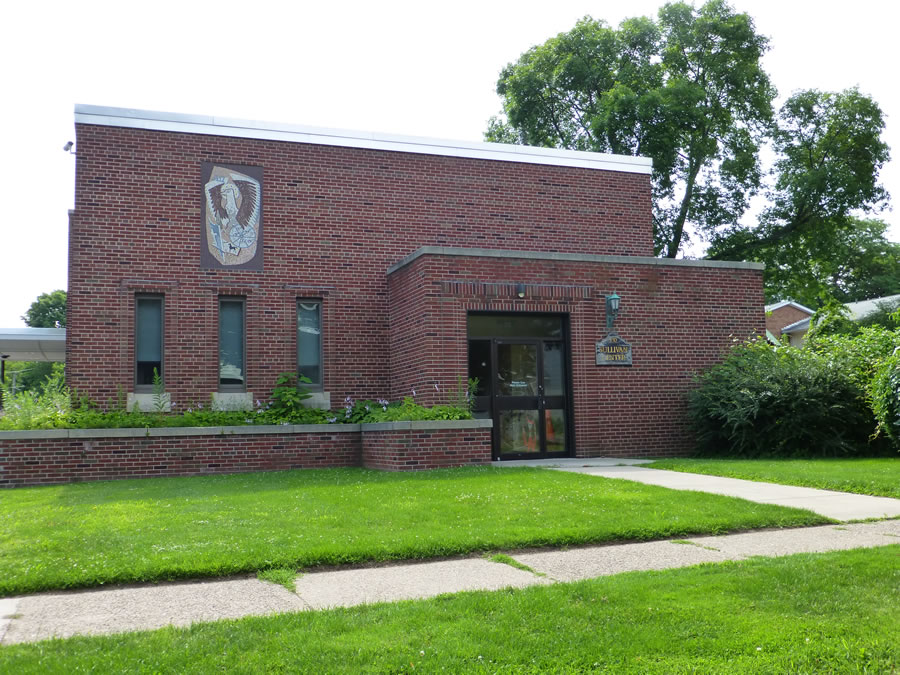
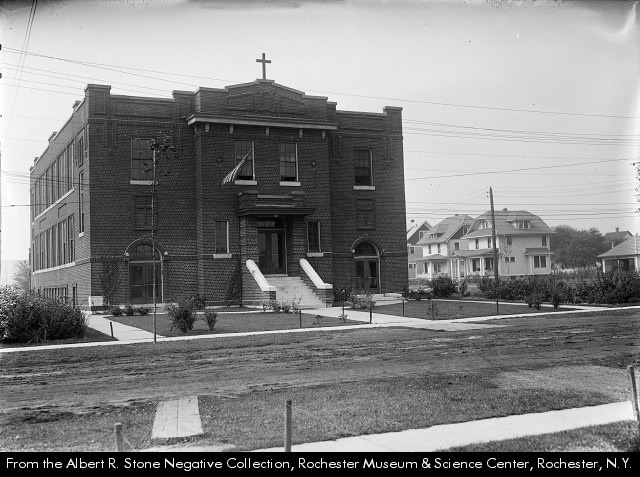
Early in 1914, Bp. Thomas Hickey resolved to create a new parish in Brighton's northern section (territory that would be annexed by the City of Rochester in 1922). The founding congregation comprised 68 families drawn from Corpus Christi, Blessed Sacrament, Our Lady of Victory, and St. Joseph parishes. Fr. John B. Sullivan received appointment as founding Pastor, and the parish was officially formed on July 1, 1914. Construction began promptly, with groundbreaking for a combined church and school building on Sep. 20, 1914. Bp. Hickey presided at a grand cornerstone ceremony on Oct. 4, 1914. The first church was finished by 1916 at a cost of $35,000, with the worship space on the first floor, four classrooms on the second, and an auditorium in the basement. Sisters of Mercy staffed the school, living at the Our Lady of Mt. Carmel convent until their own convent at 340 N. Winton Rd was ready in 1922.
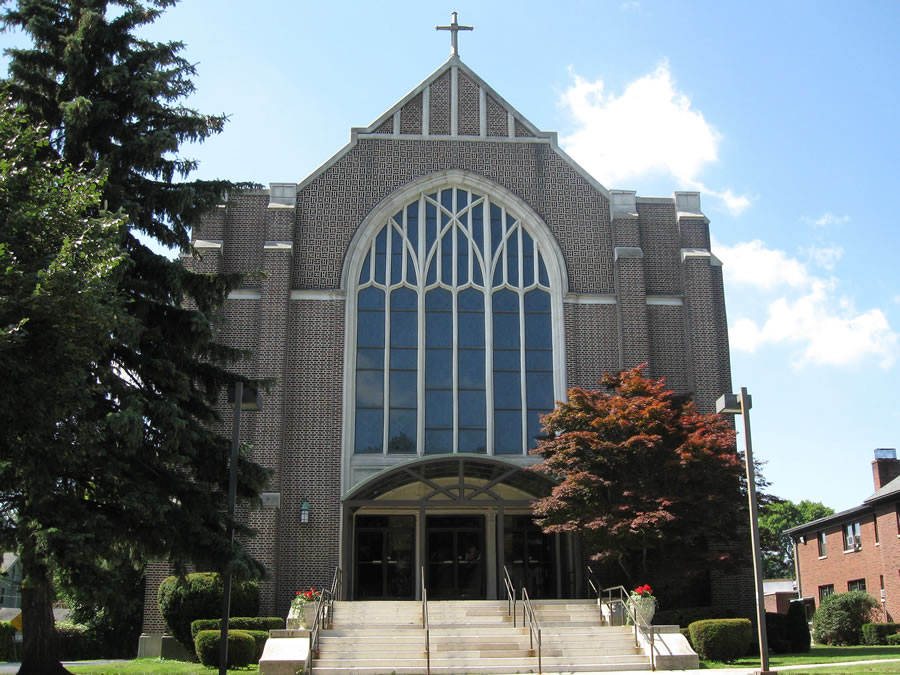
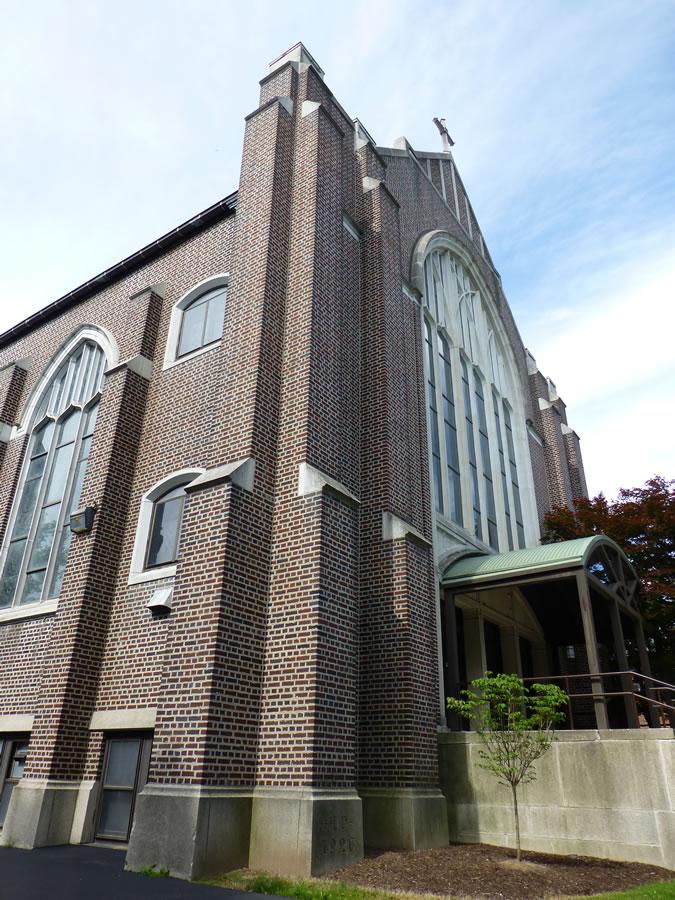
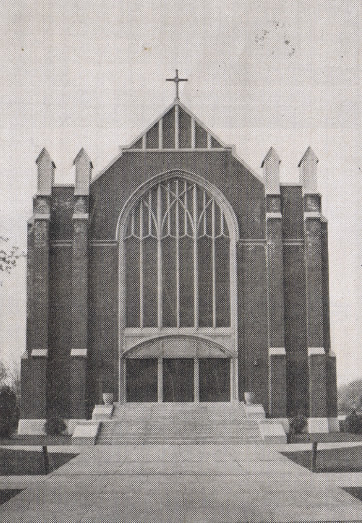
Rapid growth through the 1910s and early 1920s led Fr. Sullivan to develop plans for a new church. Financial constraints forced abandonment of the original vision—a basilica-style structure with transepts. The planned 750-seat capacity was reduced to 500, with a smaller sanctuary than intended. Despite these compromises, the church featured impressive large stained glass windows designed by Norman Lindler and Herman J. Butler and fabricated by James O'Hara and Pike Stained Glass Studio.
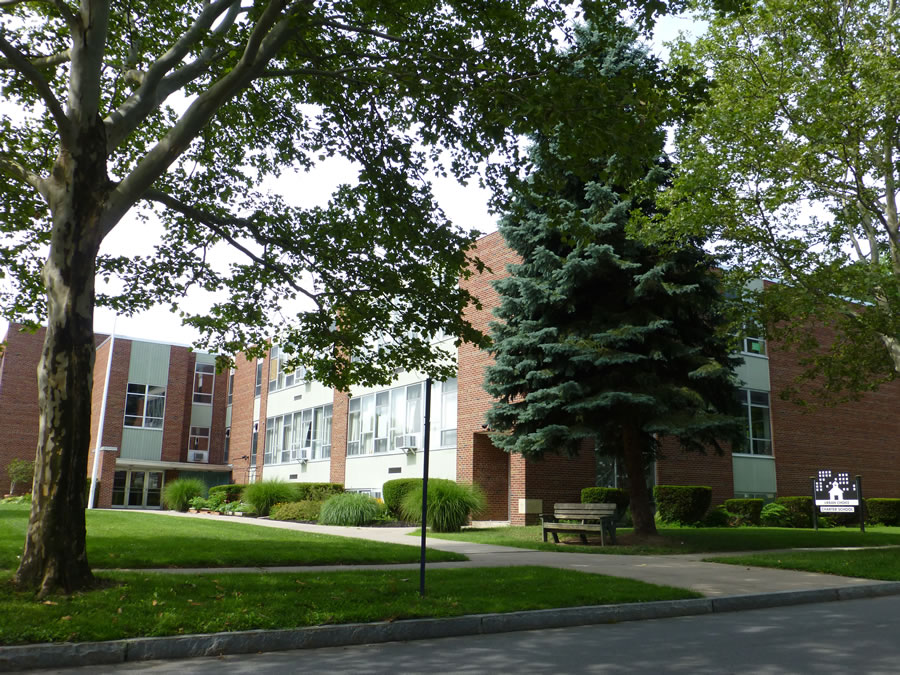
Expansion persisted under Fr. Sullivan's leadership. His accomplishments were recognized on Oct. 8, 1949 when he was elevated to monsignor. Msgr. Sullivan directed additional projects during the 1950s, including a new rectory in 1952 and convent in 1955. The Tellers company installed an organ in 1953 that remains in service today. Msgr. Sullivan's final achievement as founding Pastor was completing a 16-classroom school building in 1959, the year of his retirement.
Msgr. Charles v. Boyle succeeded him on June 30, 1959, ending Msgr. Sullivan's 45-year tenure. The new school building received its dedication in 1960. Financial troubles eventually emerged, with the parish carrying $35,000 in debt and facing extensive stained glass repairs—the large windows contained 55 holes.
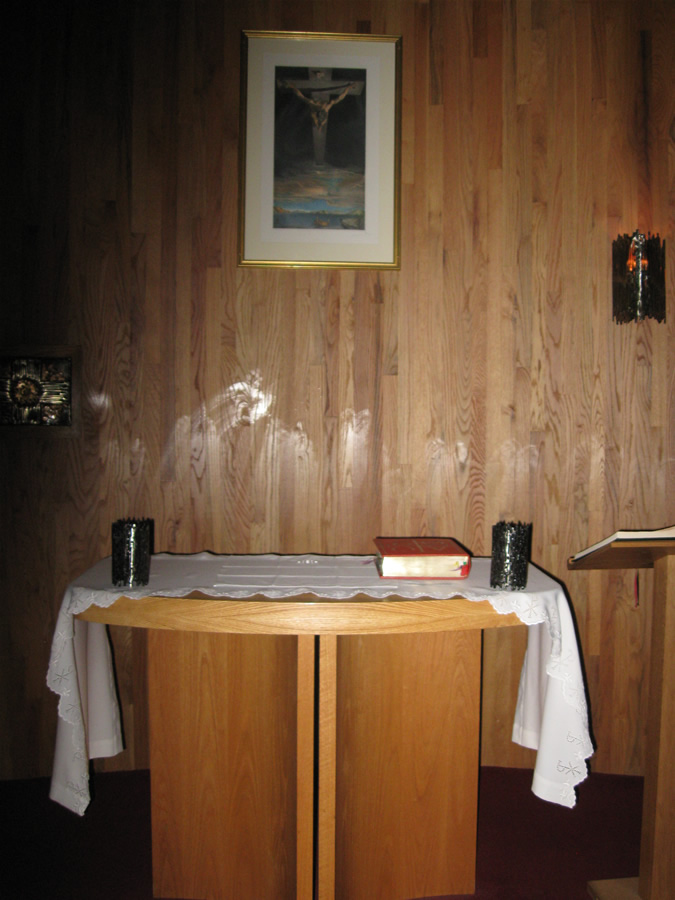
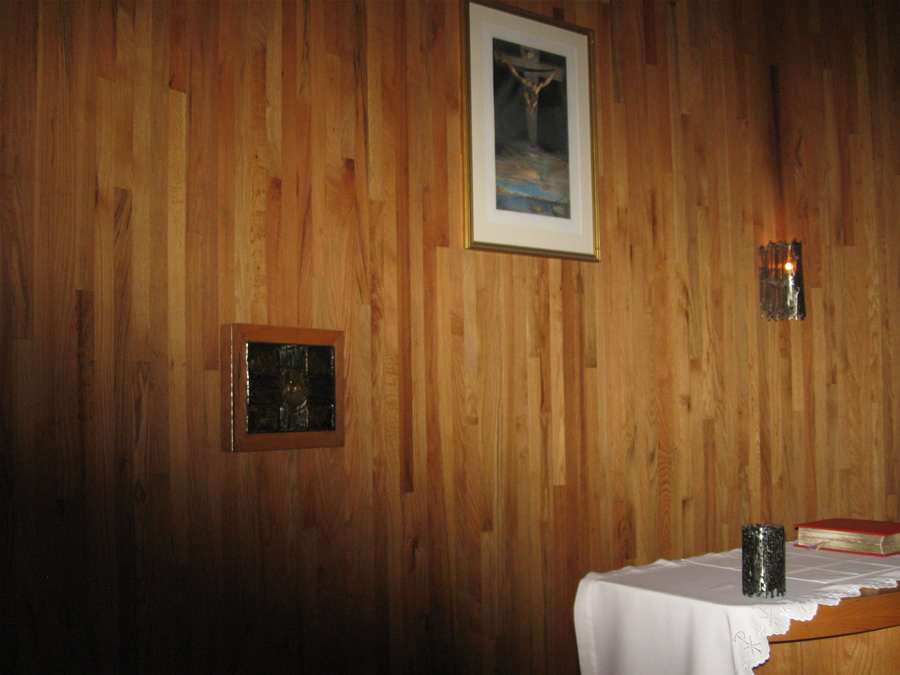
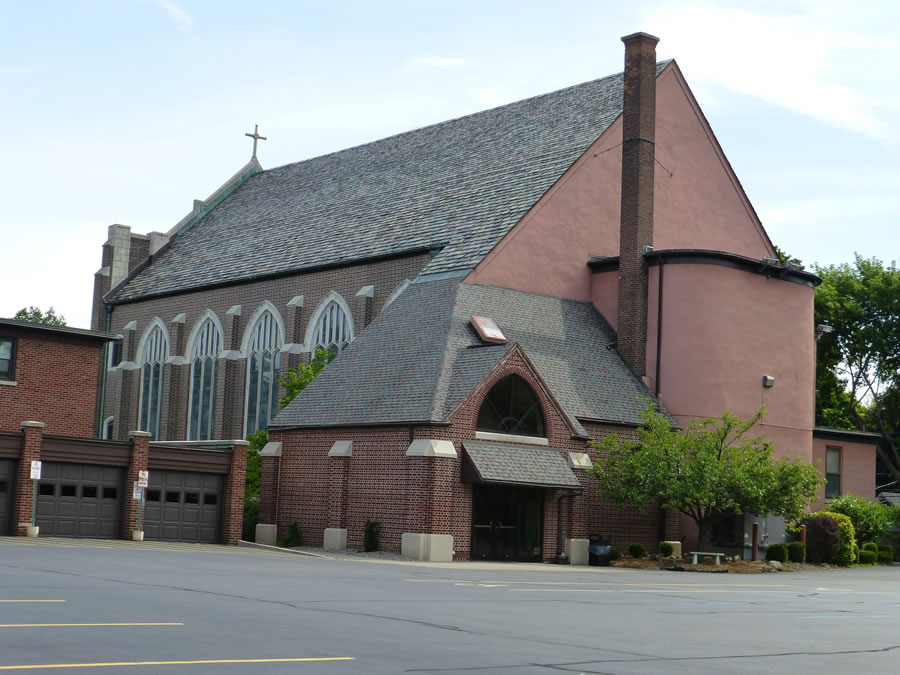
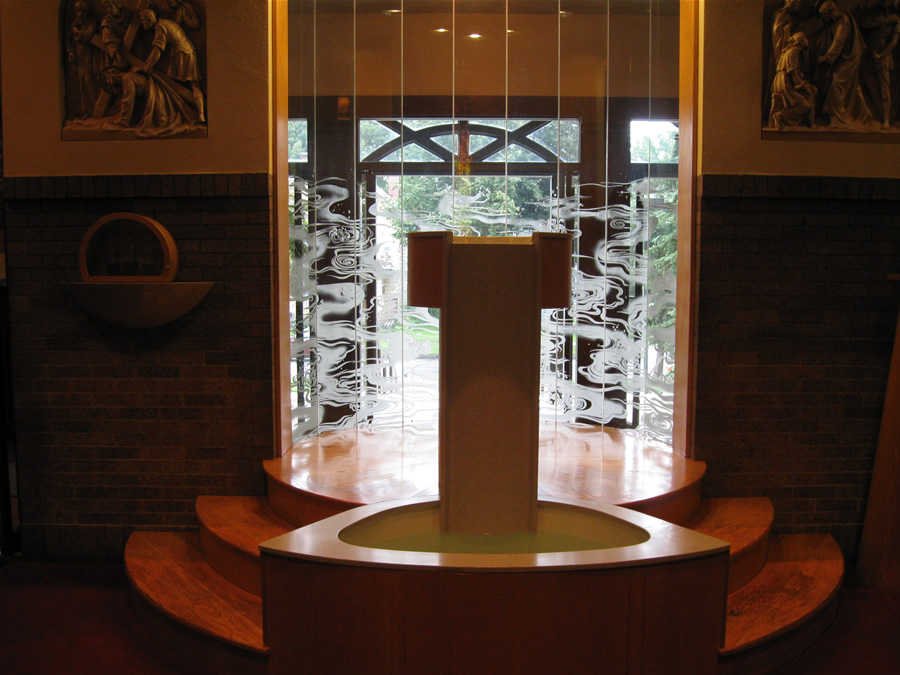
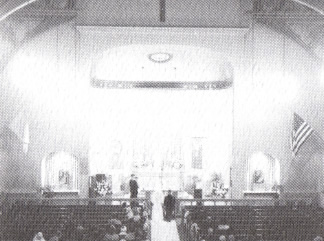
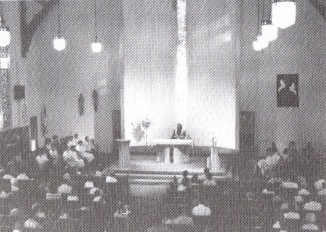
Frs. James Boyle and John Mulligan were appointed on Feb. 15, 1973 in one of the Rochester Diocese's earliest co-pastorates. Bingo nights were introduced to defray repair costs and eliminate the debt. A 1976 renovation committee oversaw sanctuary changes that moved the altar into the nave, converted the former sanctuary into a daily Mass chapel, and removed the two side altars. This reconfiguration divided parishioners, and architect Robert Macon subsequently modified the layout. Additional improvements included parking lot expansion and a new church entrance.
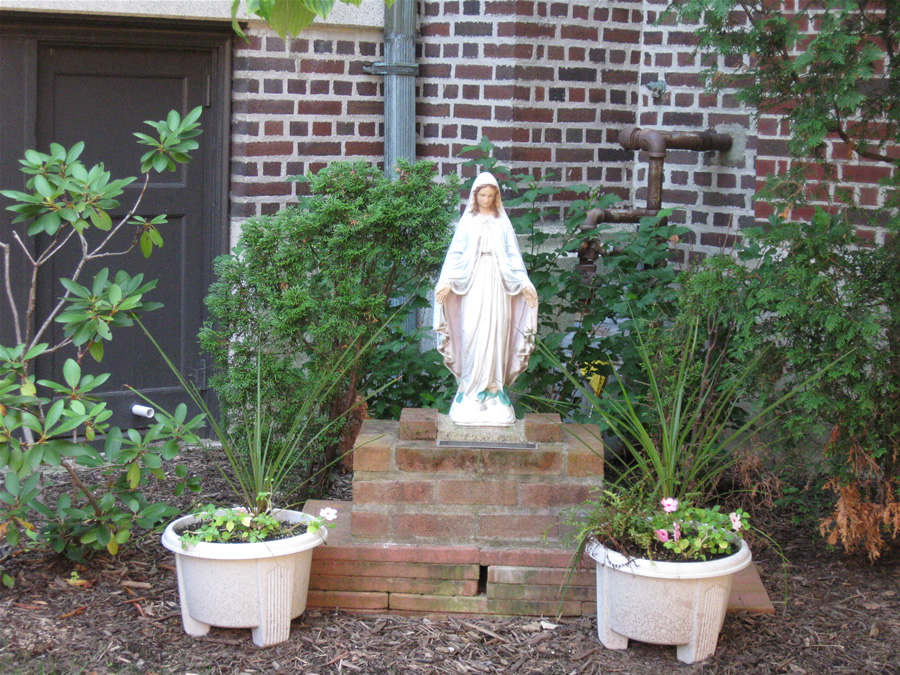
When Bishop Matthew Clark arrived in Rochester, he spent his first year residing at the St. John rectory alongside his priest secretary, Fr. Charles Latus. After approximately a year, Bp. Clark relocated to the Sacred Heart Cathedral rectory. Another co-pastorate began in June 1981 when Frs. Peter Clifford and Kevin Murphy were appointed. When Fr. Clifford departed in 1991, Fr. Murphy continued alone as Pastor. This period saw beautification efforts including Fr. Zimmer's creation of a Peace Garden in 1992, a new parking lot entrance in 1994, and church repainting and recarpeting in 1996.
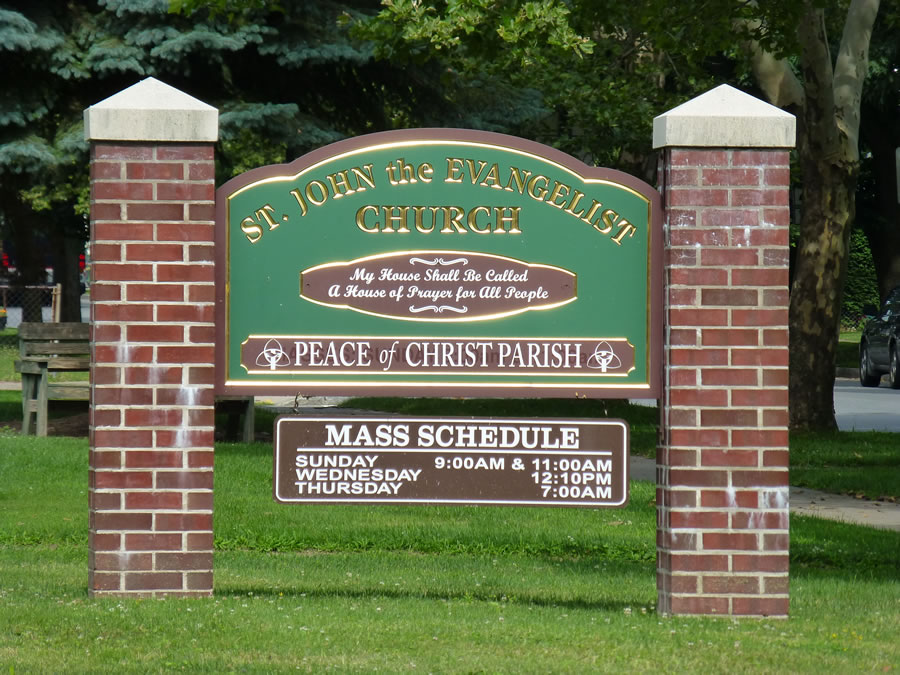
In response to diocesan pastoral planning, St. John the Evangelist formed a collaborative partnership with neighboring St. Ambrose and St. James parishes in 2004, known as the "Winton-Culver Catholic Community." This collaboration evolved into a unified three-site parish called "Peace of Christ" on May 18, 2007. St. John's school closed in June 2005.
St. John remains part of the Peace of Christ parish today, currently under Fr. Robert Schraeder's leadership.
Exterior Photographs
Interior Photographs
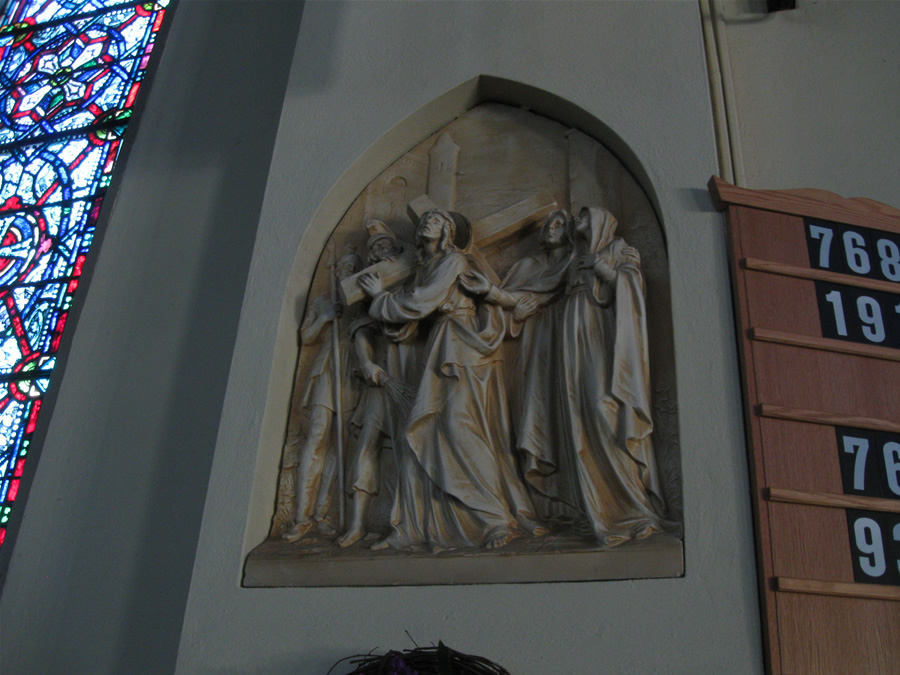
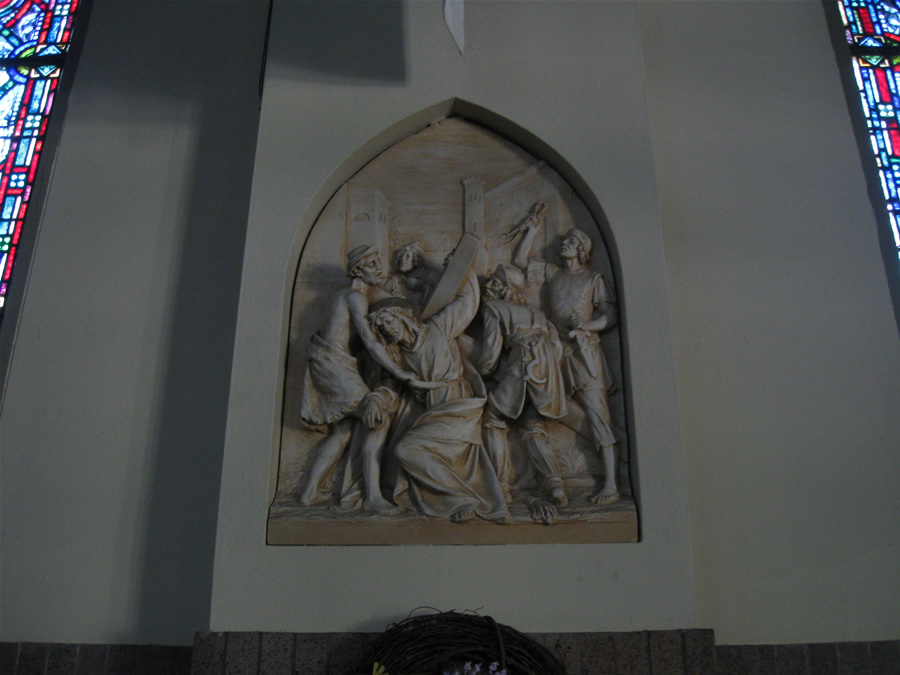
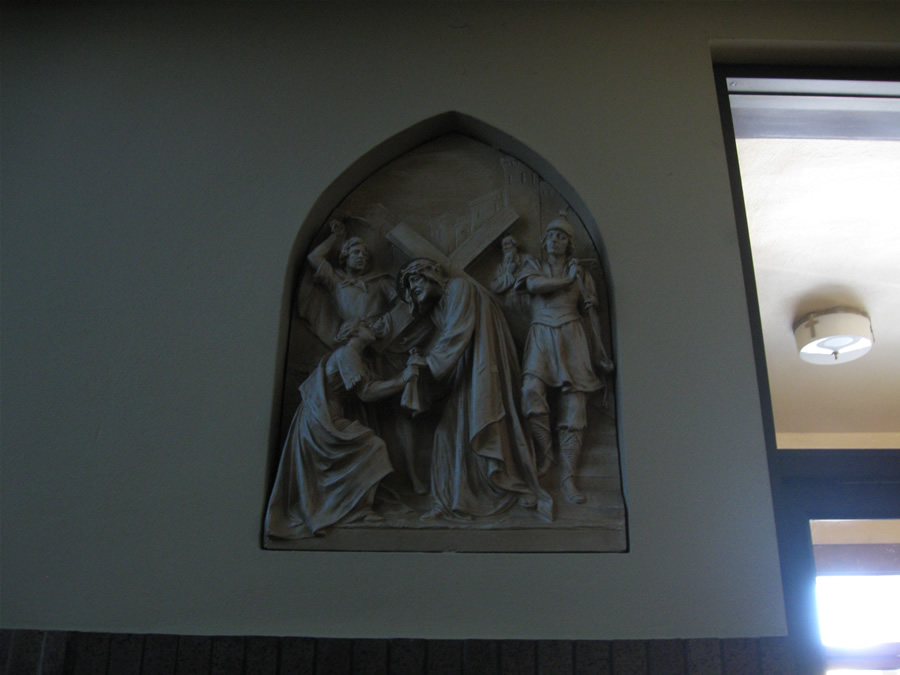
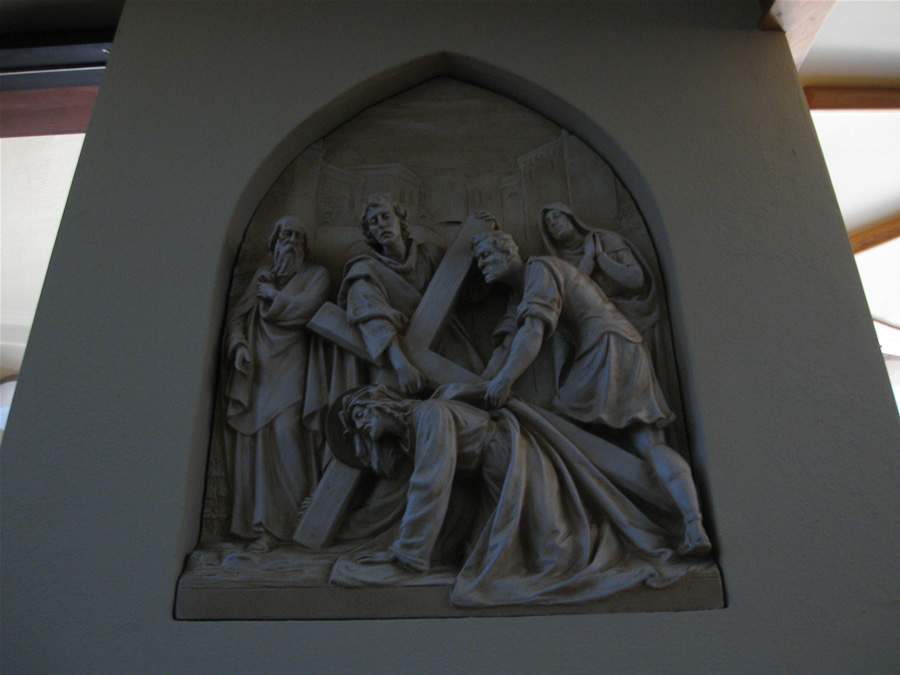
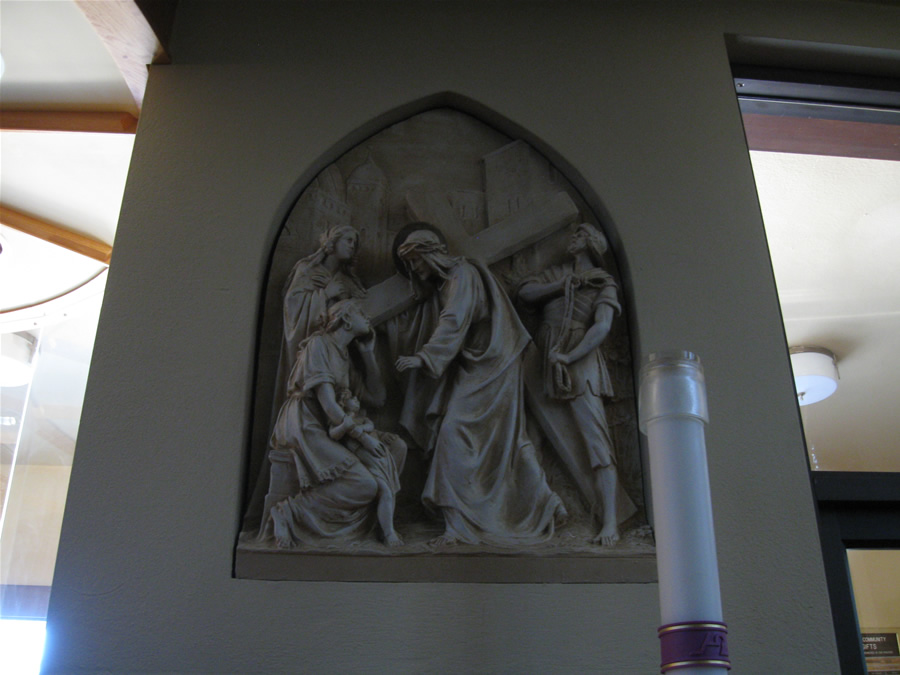
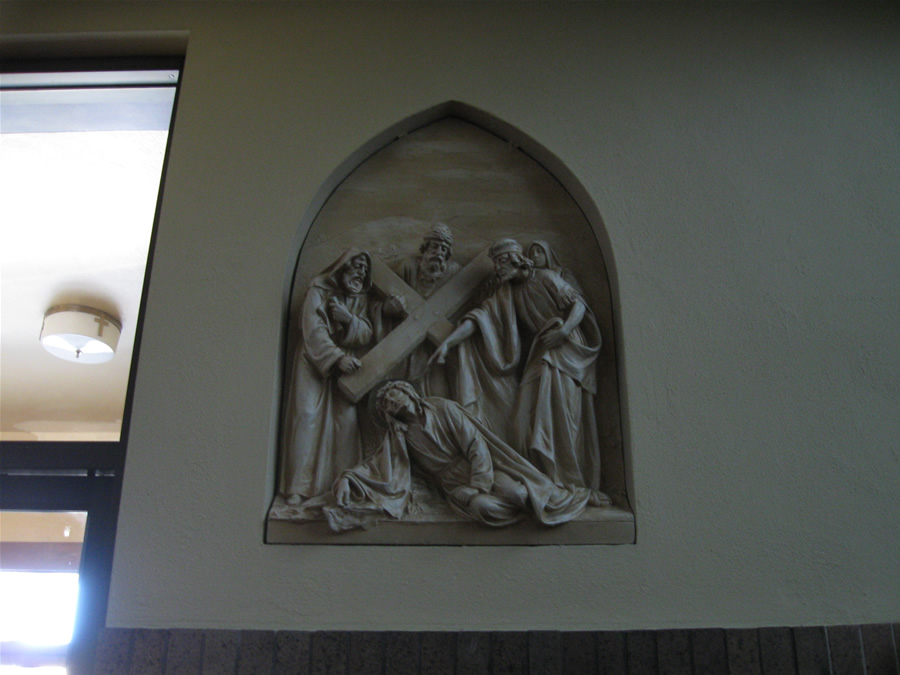
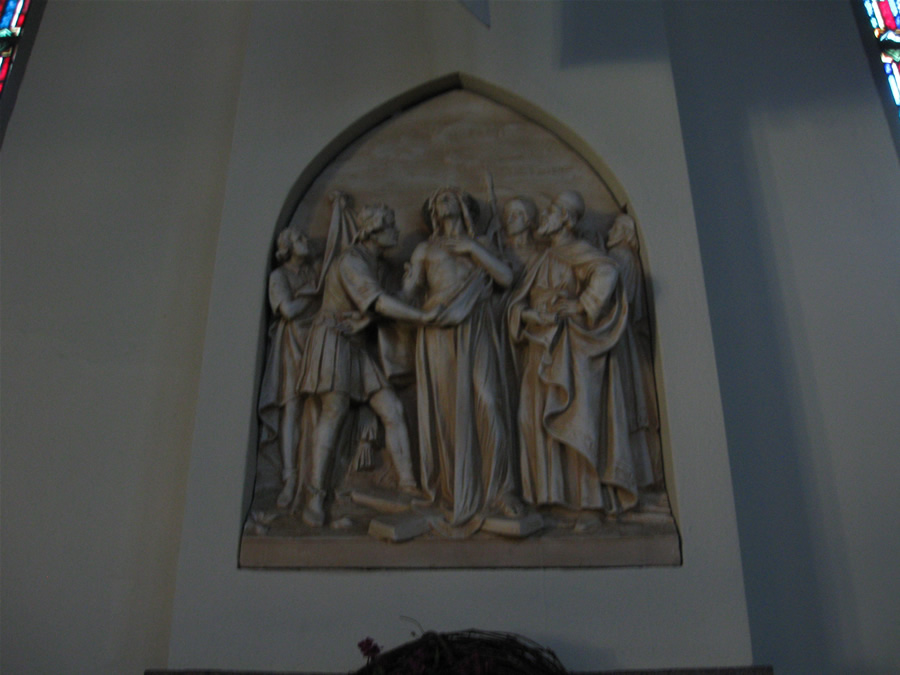
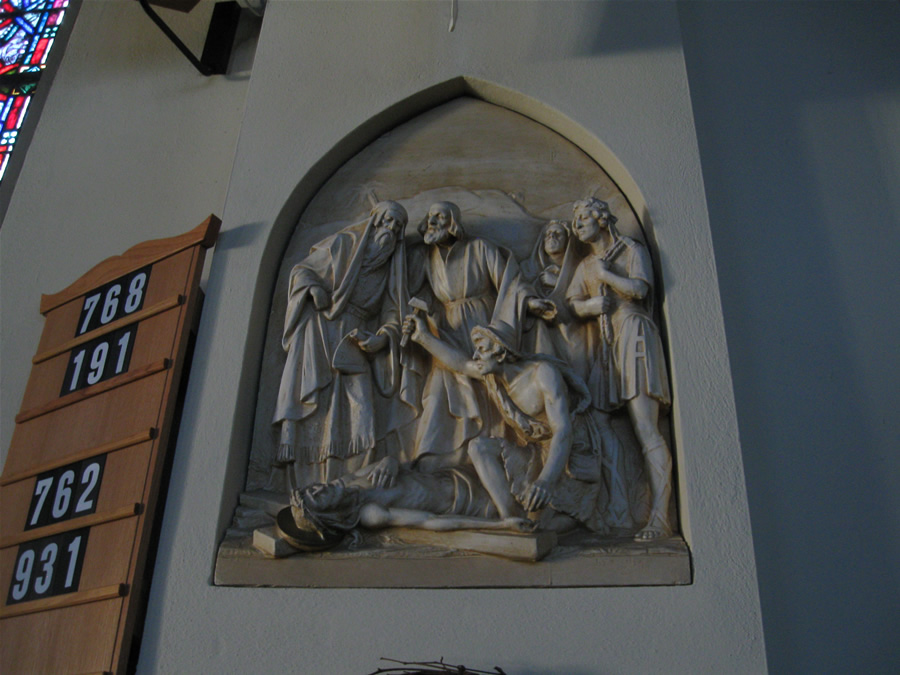
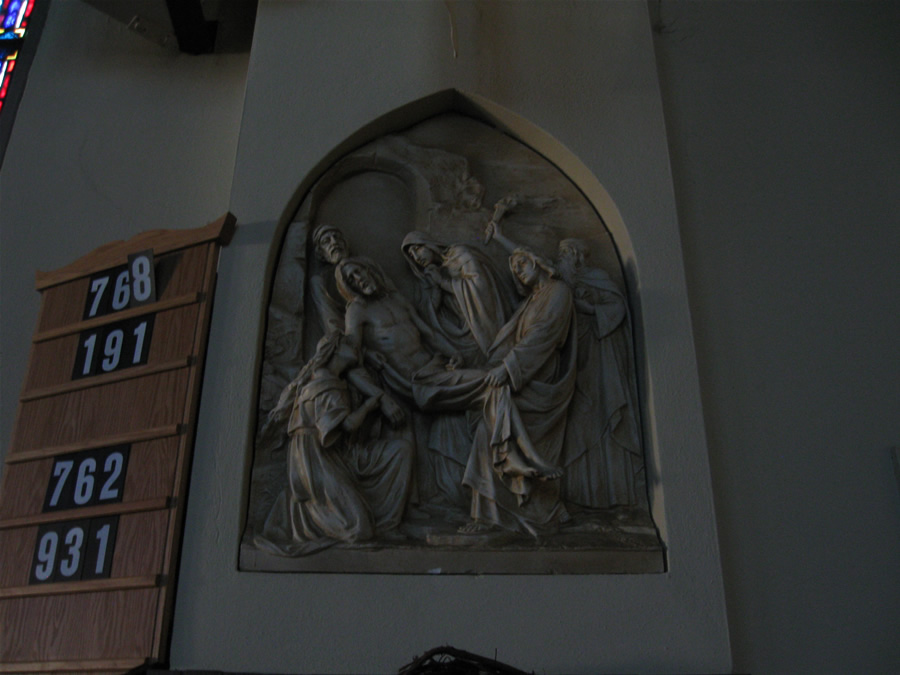
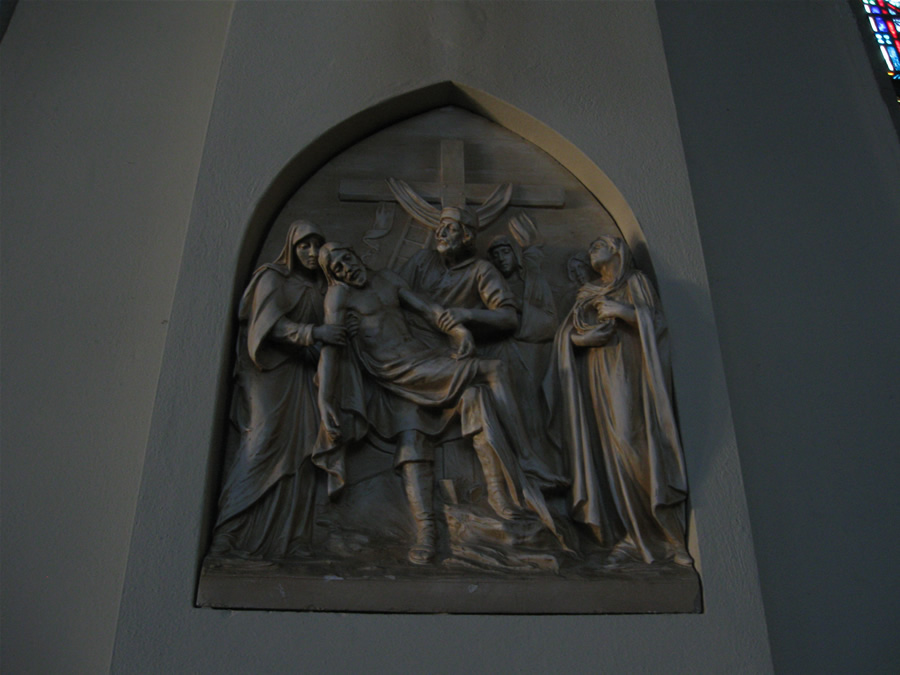
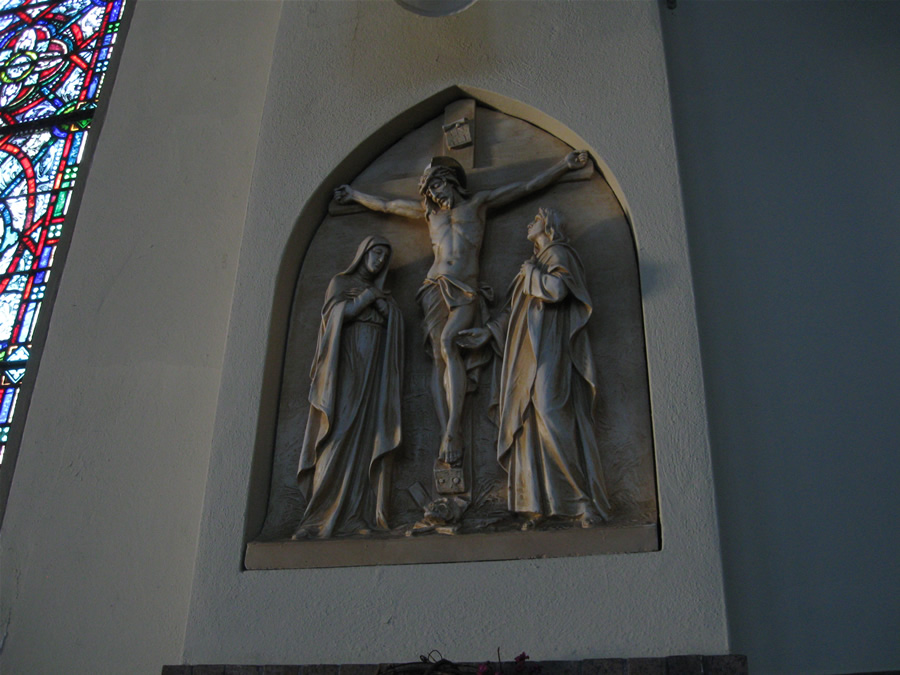
Stations of the Cross
Historical Photographs
Chapel