St. Nicholas the Wonderworker
ActiveGates, Monroe County
Beginning in the late 1890s, immigrants from Syria, Lebanon, Jordan, and Palestine started arriving in the Rochester area. Without an Eastern Rite parish in the Diocese of Rochester, these Middle Eastern Catholics attended Latin Rite churches including St. Bridget, St. Joseph (downtown), and St. Michael. Early in the 20th century, Jacob Sabella and his wife asked Fr. Matthias J. Hargather at St. Michael about receiving the Mystery of Holy Illumination in the traditional Melkite manner—Baptism by immersion followed immediately by Confirmation and first Eucharist. Unable to perform this himself, Fr. Hargather contacted the Diocese of Brooklyn, which sent Fr. Paul Sanky, a Melkite pastor, to Rochester. Fr. Sanky administered the Sacraments and celebrated the first Melkite Divine Liturgy in the Diocese of Rochester at St. Michael's church. The strong attendance prompted him to urge the community to establish their own Melkite parish.
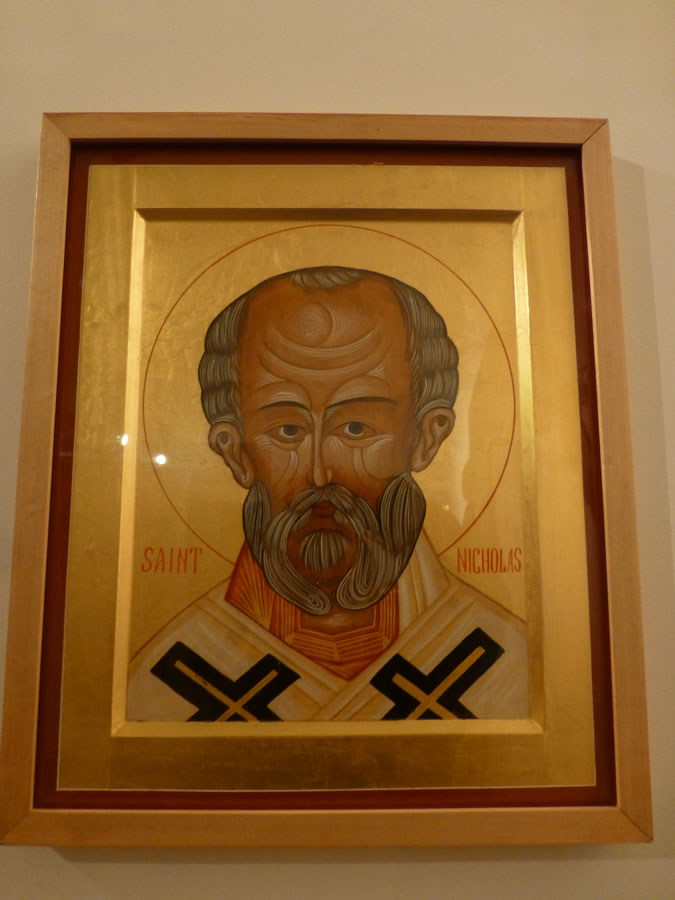
Approximately 30 families began gathering in homes for prayer and scripture study. Following Fr. Sanky's advice, they petitioned Bp. Thomas F. Hickey in September 1923 to establish a Melkite parish in Rochester. The bishop declined initially, advising them to raise more funds and organize themselves first. On April 1, 1925, these Catholics convened to form the "Syrian Catholic Melkite Rite Society" and elected their first officers. Mr. Charles Sullivan suggested St. Nicholas the Wonderworker as the patron saint, as his father bore that name. The group raised approximately $3,000 for a church. When they returned to Bp. Hickey in November 1925, he granted permission for the Melkite parish.
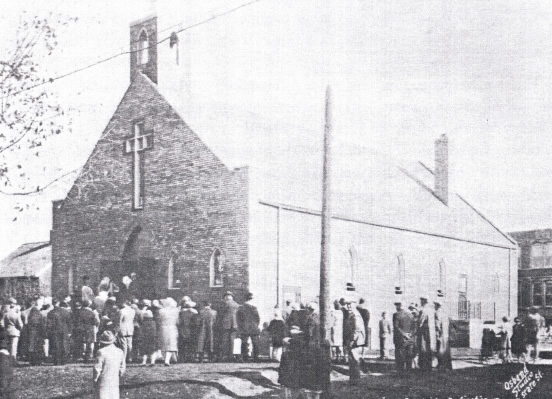
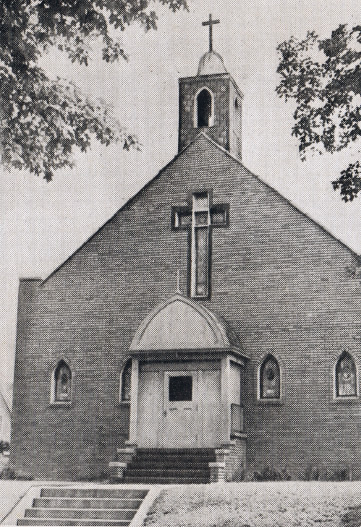
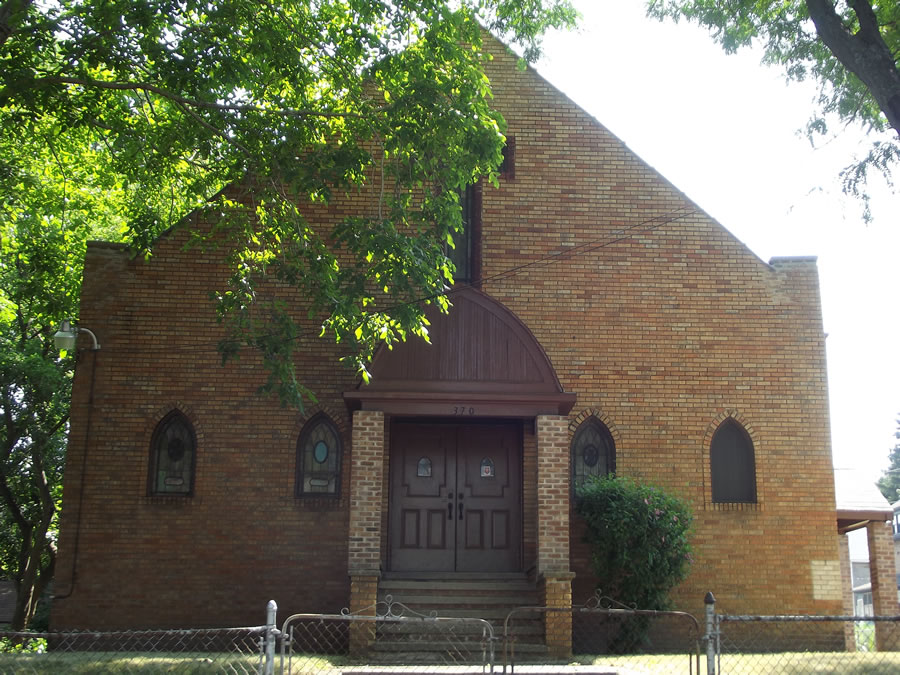
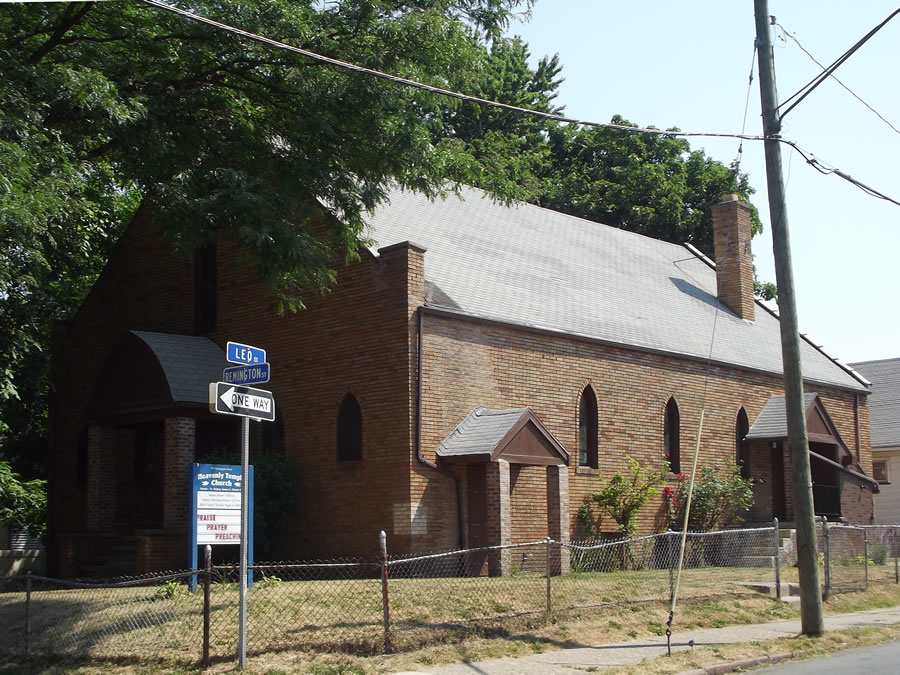
The new church site was acquired from St. Michael's parish at the intersection of Leo and Remington Streets. St. Michael's eventually sold four and a half lots to St. Nicholas. The Diocese of Rochester provided a $6,000 loan plus $2,300 for the lots. Parishioners raised additional funds through Halfis, costume parties, raffles, and selling bricks at ten cents each. The congregation built the church themselves almost entirely. Upon completion, other diocesan parishes contributed: Our Lady of Perpetual Help provided religious art and statues, St. Andrew supplied pews, and St. Michael gave candle holders.
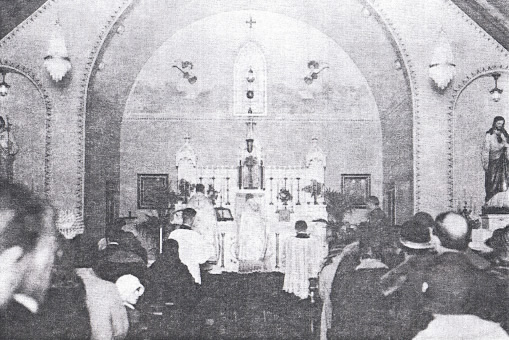
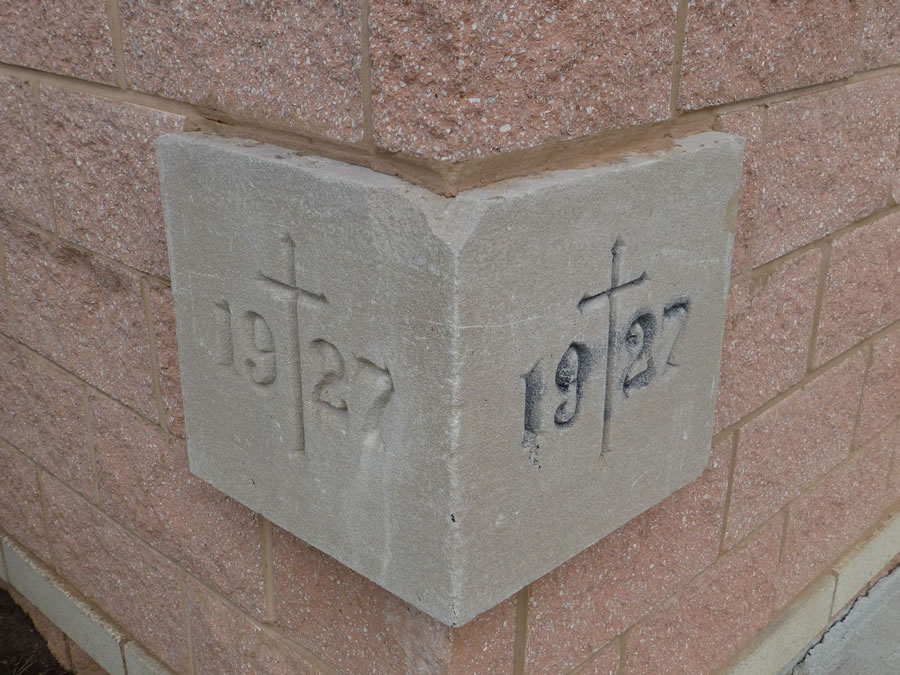
Bp. Hickey appointed Fr. Ignatius Gebara as St. Nicholas's first Pastor on Dec. 24, 1926. During that initial year, Liturgy was celebrated in parishioners' homes while awaiting the church's completion. Msgr. John F. O'Hern, who later became Rochester's third Bishop, dedicated the completed St. Nicholas church on Oct. 27, 1927. Approximately 125 Melkites lived within the Diocese of Rochester when the church opened.
After Fr. Gebara's death, Fr. Raphael Gedah B.S.O. became Pastor in January 1929 and oversaw the rectory's construction. He was reassigned to Milwaukee in May 1936, leaving St. Nicholas without a pastor until Fr. Thomas Fayad B.C.O. arrived in 1935. When Fr. Fayad died on Sep. 20, 1939, the parish again lacked a pastor. With no Melkite priest available, the church closed temporarily for seven years. Fr. George Vogt and Msgr. Richard Quinn occasionally celebrated Liturgies there, but most parishioners attended nearby Latin Rite parishes during this time.
St. Nicholas reopened in Spring 1946 when Archmandrite Andrew Hallak became the fourth Pastor. The community flourished, and Mrs. Morgan's generous donation enabled the mortgage to be fully paid in 1949. A ceremony on Jan. 10, 1949 marked the mortgage burning. A choir was established in 1950 to sing Arabic and Greek chants during Liturgy, adding English following the Melkite Synod of Bishops' 1958 decision permitting greater vernacular use. Fr. Hallak's tenure saw several religious vocations, notably the ordination of James R. Sarkis—the first priest ordained for the Melkite Church in America—on June 12, 1961 at St. Joseph's church in downtown Rochester.
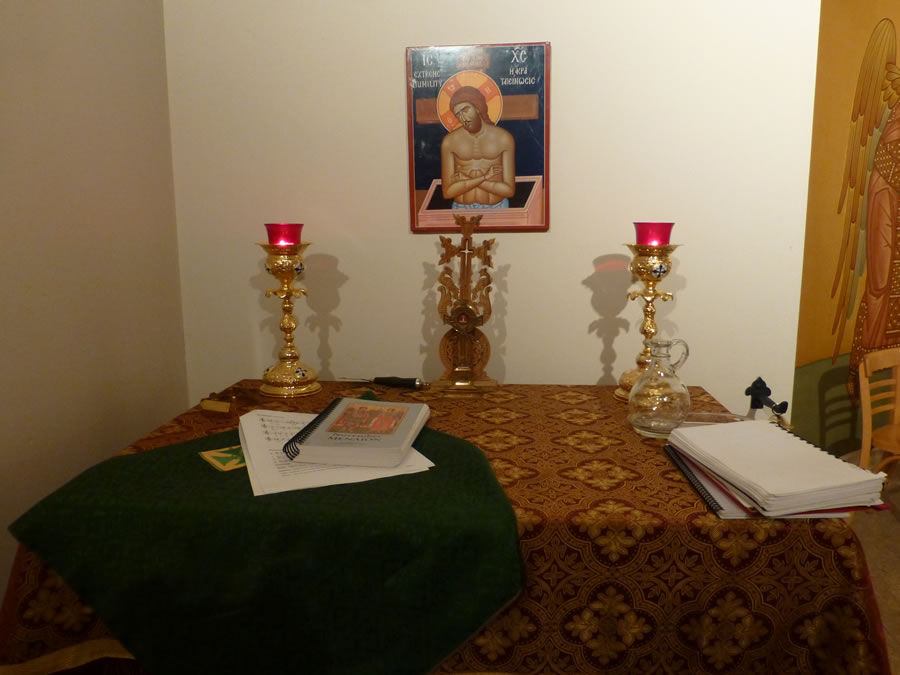
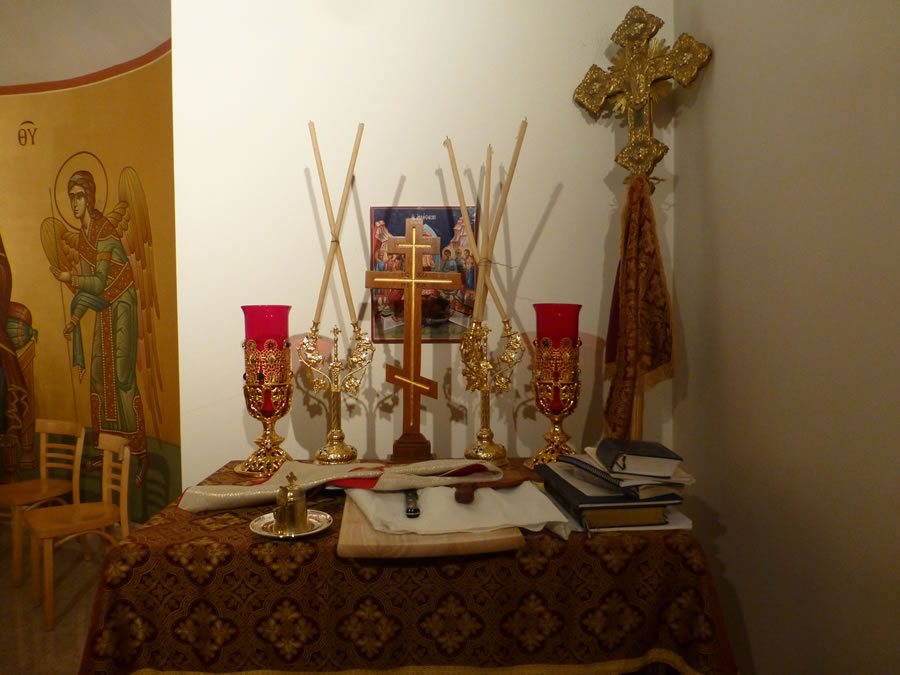
Upon Fr. Hallak's death, Sarkis assumed the pastorate and immediately began moving the parish away from Latinizations that had accumulated over the years toward more authentic Melkite worship. He removed Latin Rite furnishings including the altar rail, kneelers, artwork, and Latin vestments, replacing them with Melkite items. A square free-standing altar replaced the high altar, and icons took the place of statues. Sarkis became the first Pastor addressed by his first name, establishing a tradition his successors continued. These changes proved controversial among parishioners accustomed to the Latinized Melkite Liturgy, and dissatisfaction mounted. Fr. Sarkis departed the pastorate in Spring 1965 and subsequently left the priesthood.
Fr. Raymond Shashaty arrived in Spring 1965 with a different approach. He championed the Cursillo movement and introduced guitar liturgies in 1966, incorporating instruments like maracas, drums, and tambourines. St. Nicholas established its first youth group in May 1966, eventually growing to more than 40 members.
Ven. Fulton J. Sheen concelebrated the Divine Liturgy with Fr. Badie Essa at St. Nicholas in 1967. That same year, in July 1967, the parish launched its Lebanese Open Golf Tournament, a fundraiser and fellowship event that continues today. This period also brought a new wave of Lebanese immigrants who began worshipping at St. Nicholas, many of whose descendants remain active parishioners.
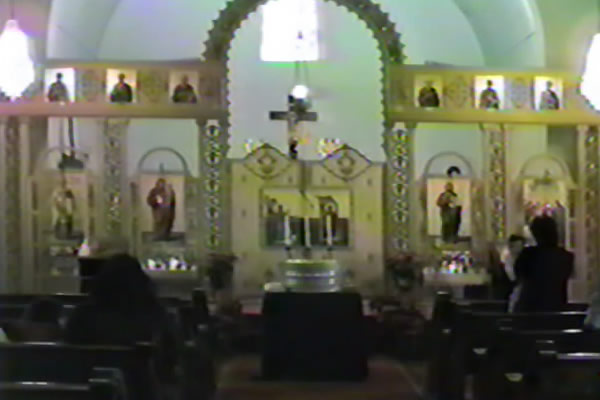
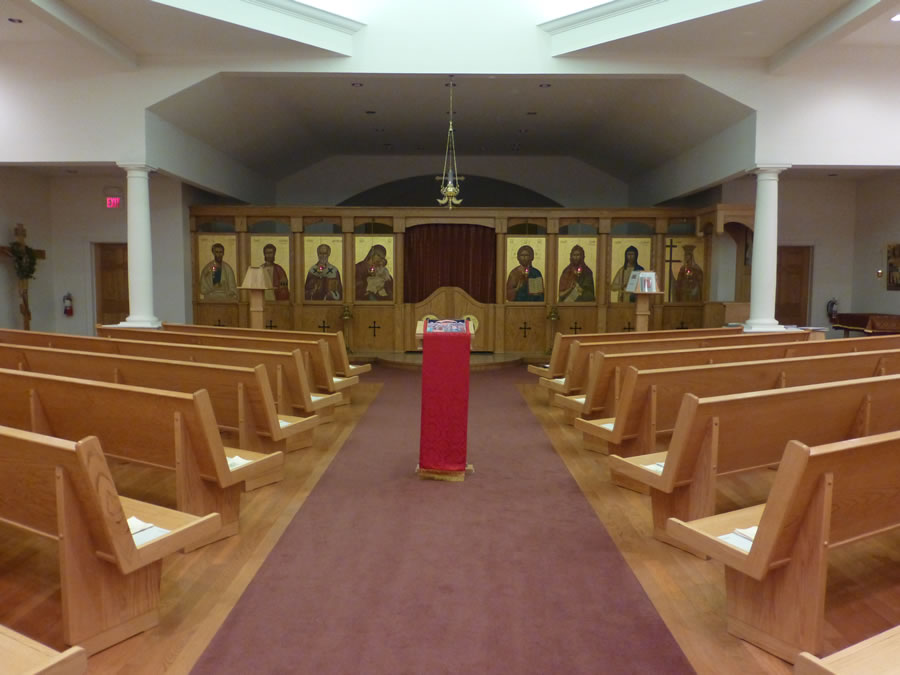
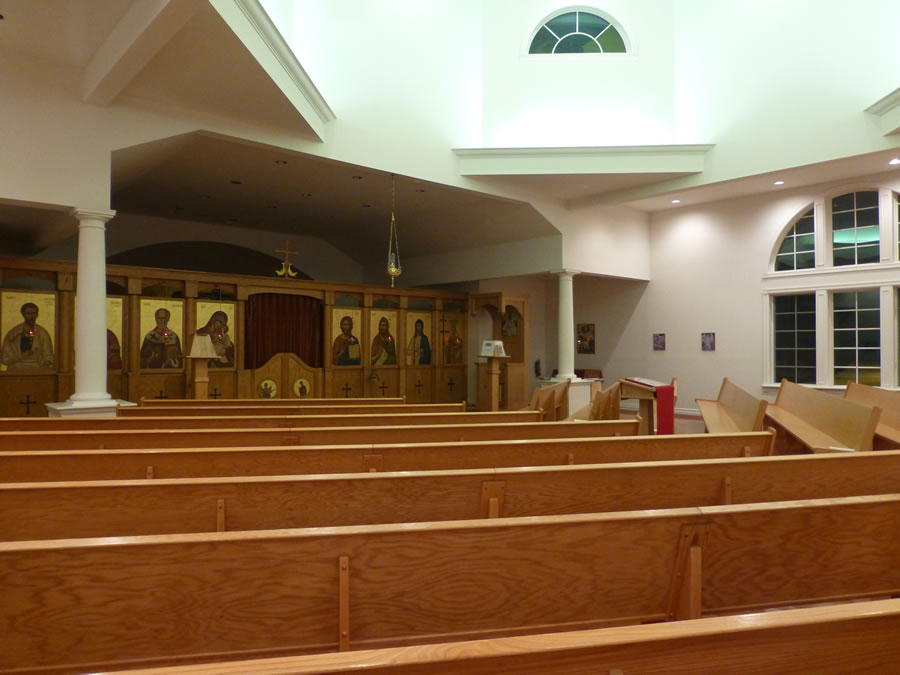
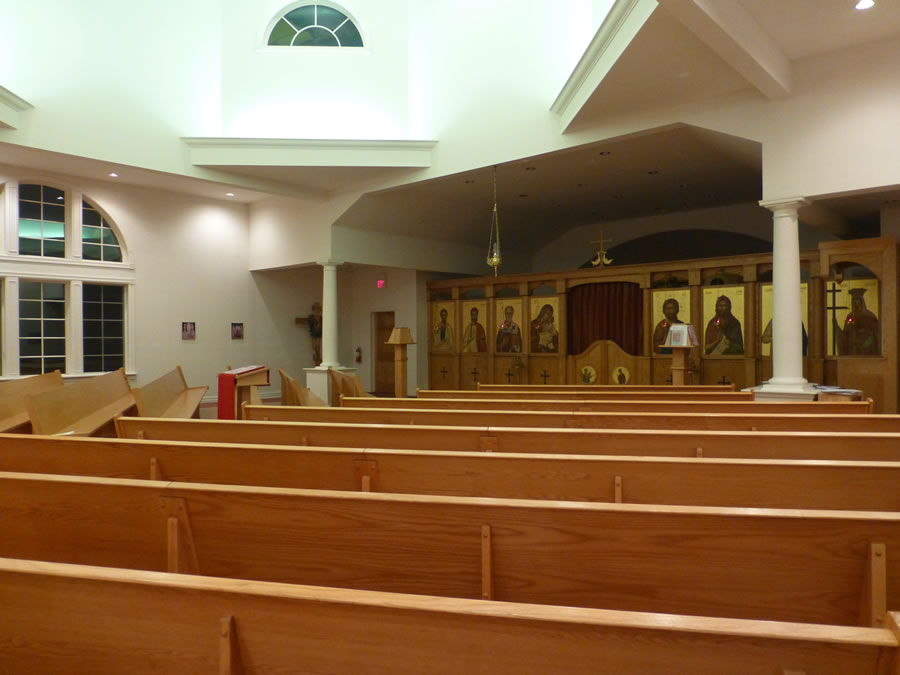
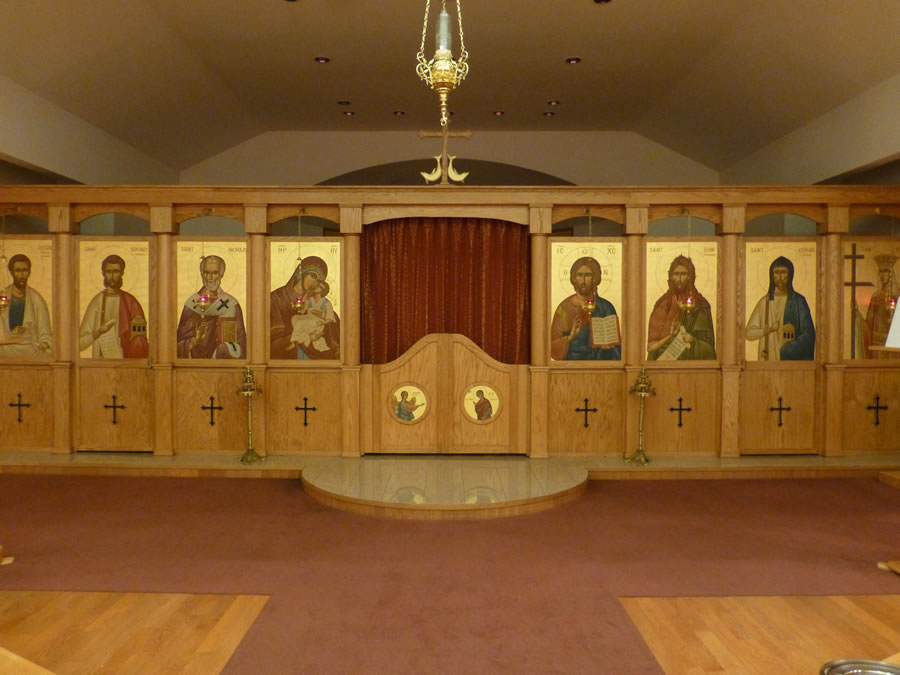
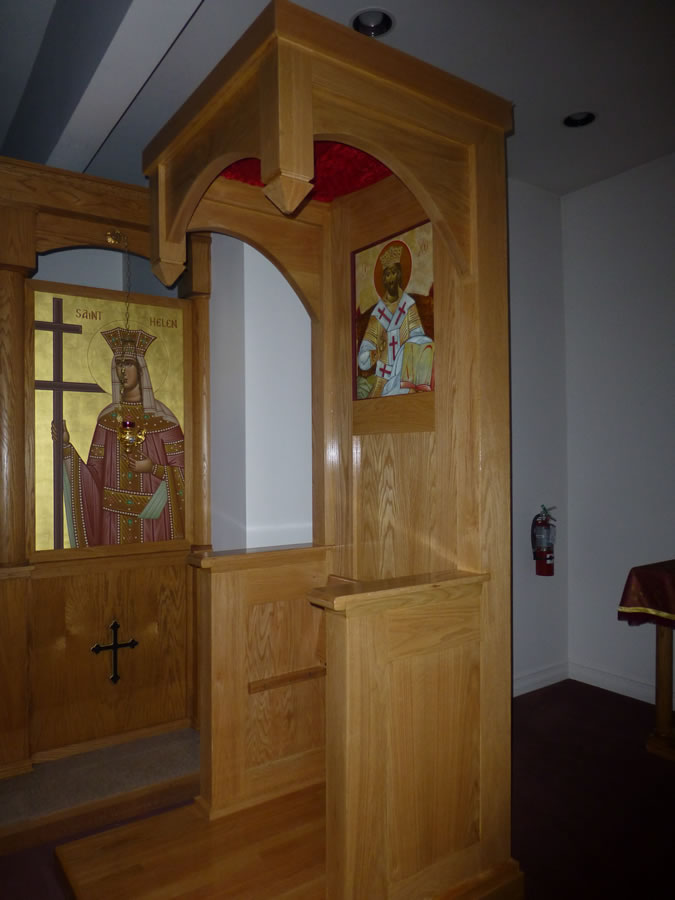
Under Fr. Athanasius Hassey, the wooden iconostasis was installed, separating the sanctuary from the nave. Frank Sarto of Ridge Lumber constructed it. Fr. Salem Faddoul became Pastor in 1976 and actively engaged in Diocese of Rochester causes, particularly pro-life efforts and the Blue Army, reflecting his devotion to Our Lady of Fatima. He encouraged Professor Joseph Versage of St. John Fisher College toward ordination as a permanent deacon. Fr. Faddoul welcomed non-Middle Eastern parishioners, including young men from Laos and Vietnam who served at the altar for several years. During this period, the St. Nicholas property transferred from Diocese of Rochester ownership to the Melkite Eparchy of Newton.
Fr. Mark Melone succeeded Fr. Faddoul and established a youth religious education program. His pastorate renewed emphasis on Melkite traditions that had been rejected under Fr. Sarkis. A new choir formed to sing traditional Melkite chants. Fr. Enrique Rueda, a biritual priest who worked at Kodak to support his family, assisted generously during this time. Though his controversial book, The Homosexual Network, had created tension with diocesan leadership, he found a welcoming home at St. Nicholas. When his job relocated to Florida, Fr. Frederick Helfrich, another biritual priest from the Diocese of Rochester, began providing assistance.
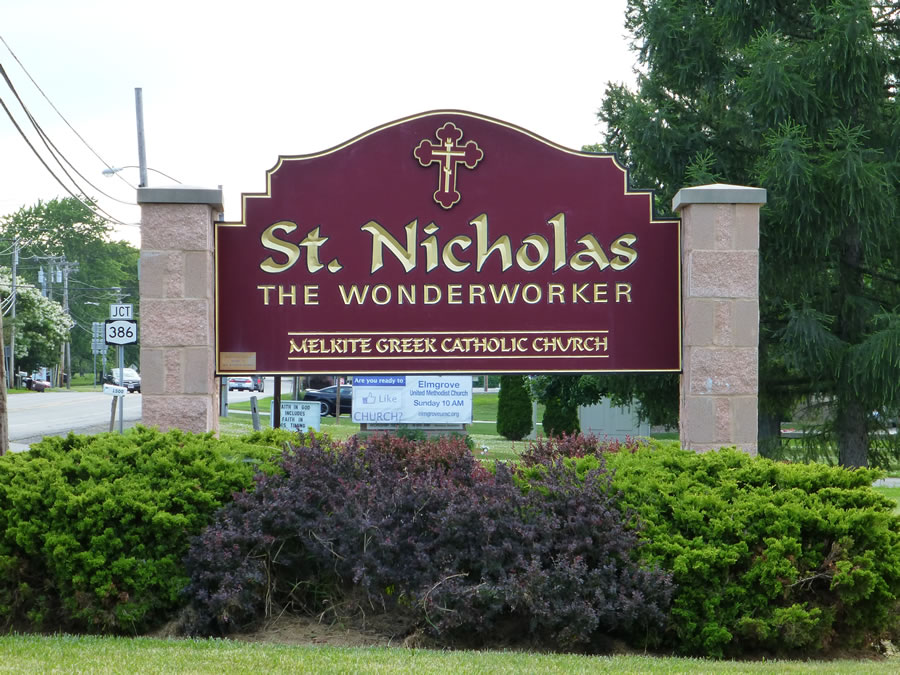
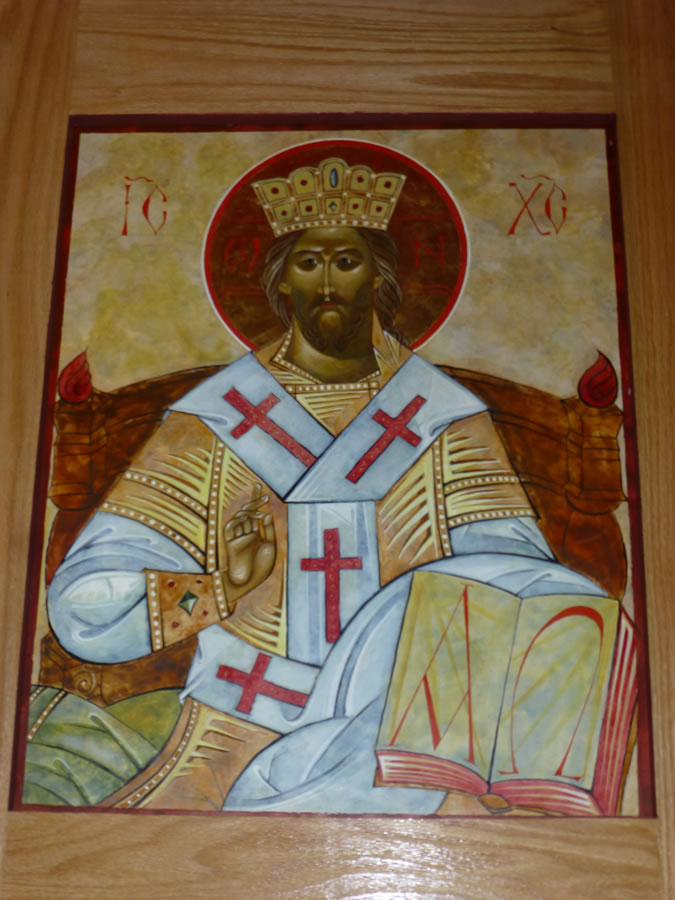
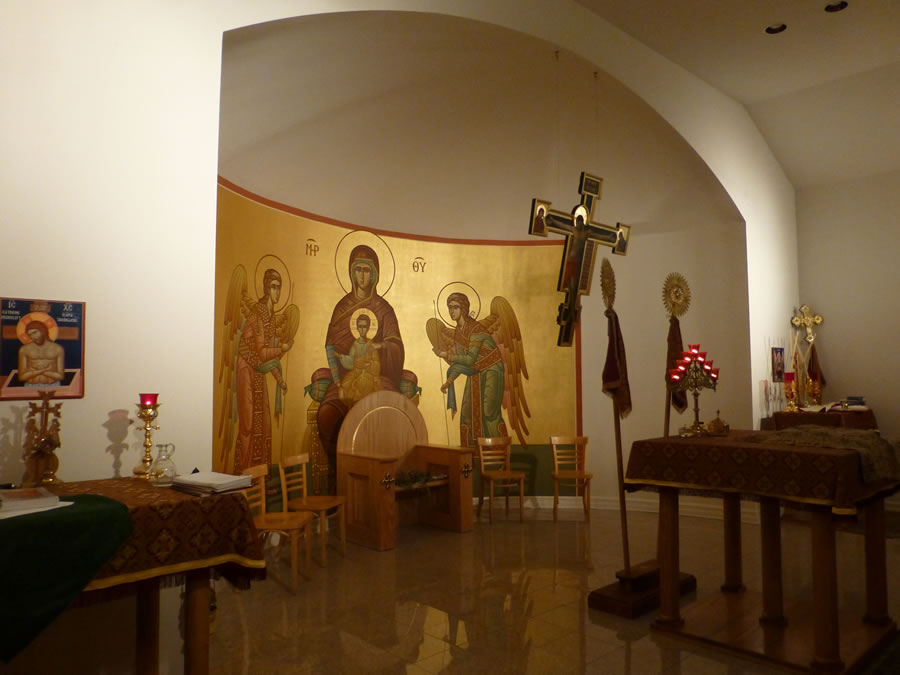
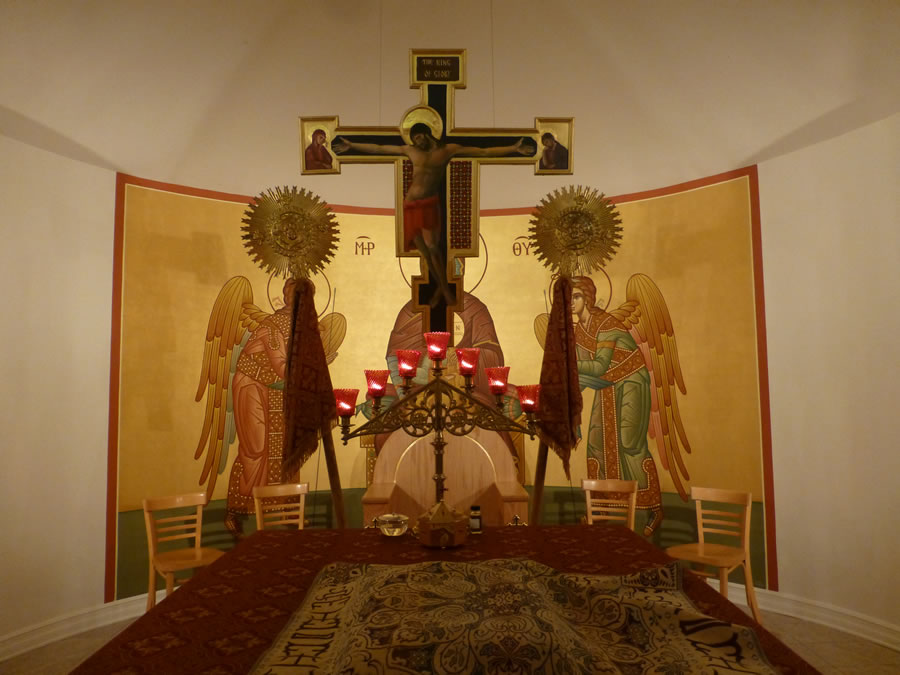
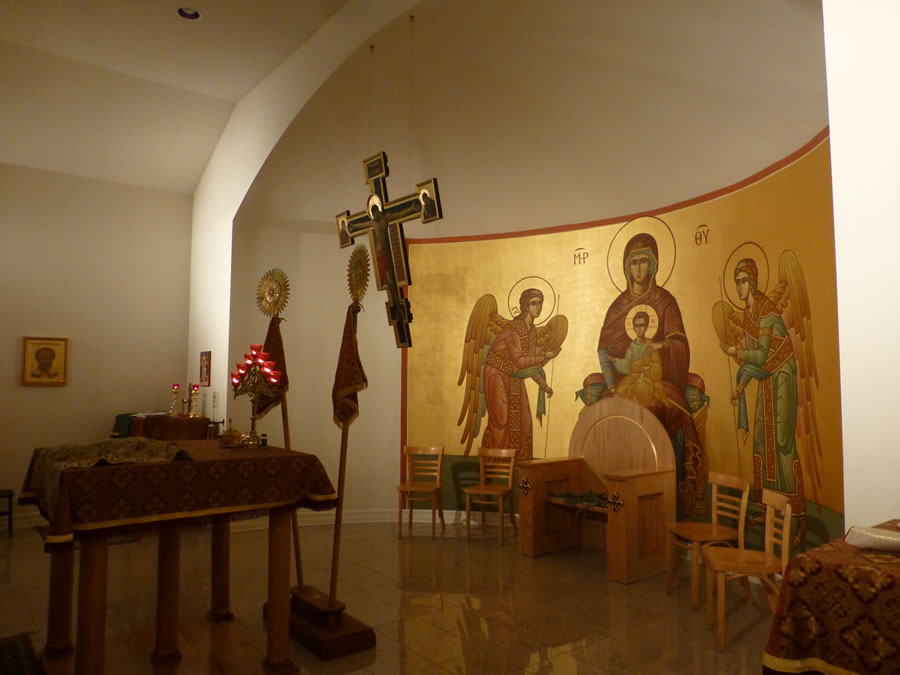
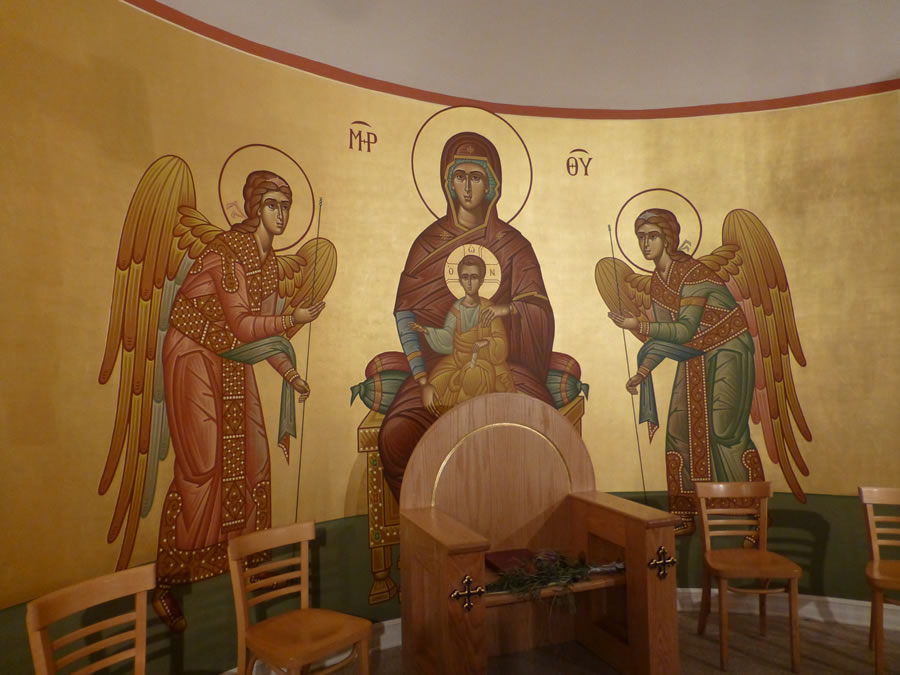
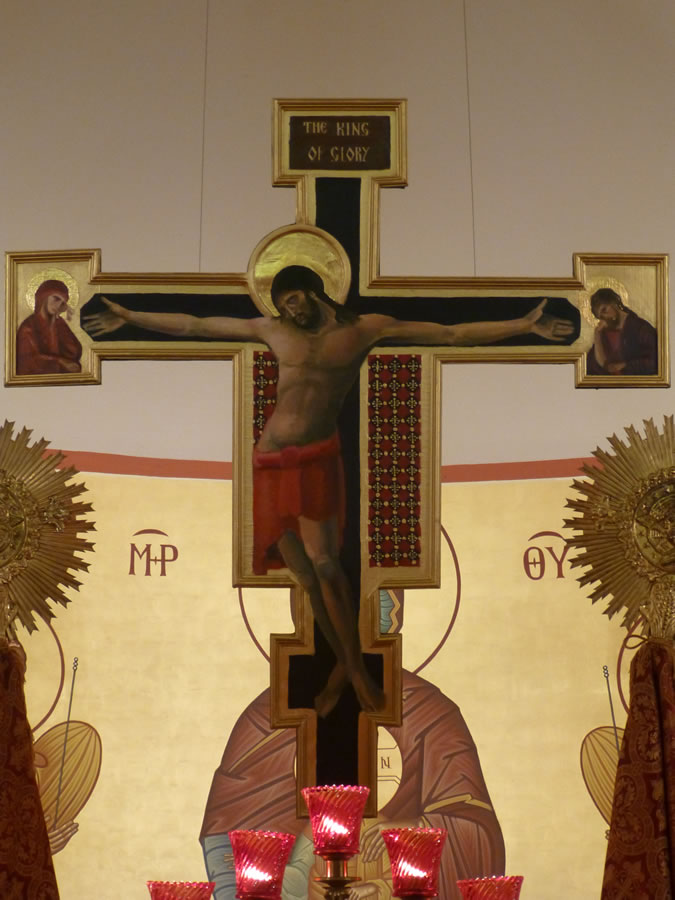
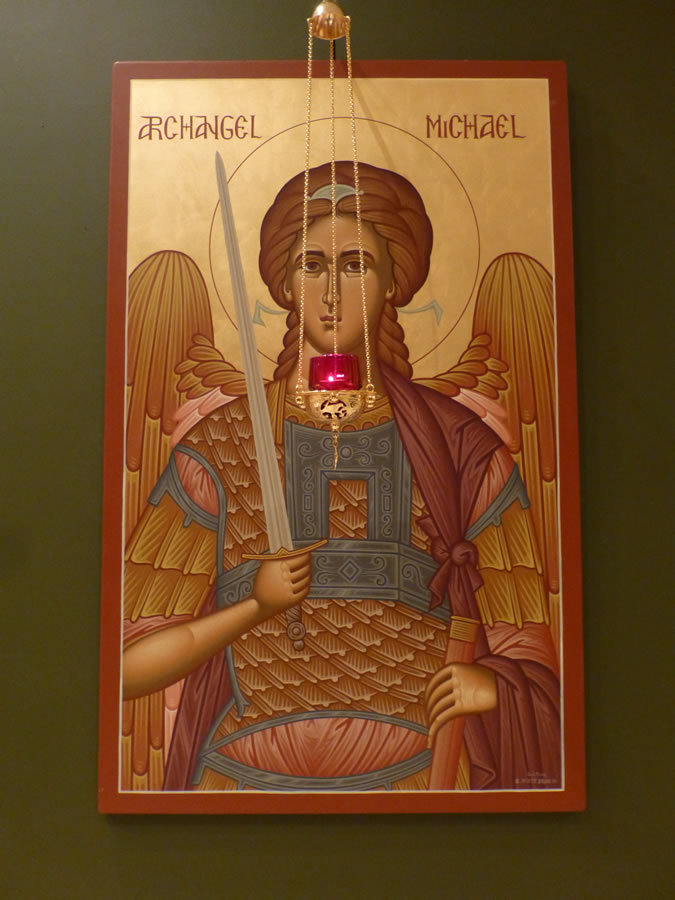
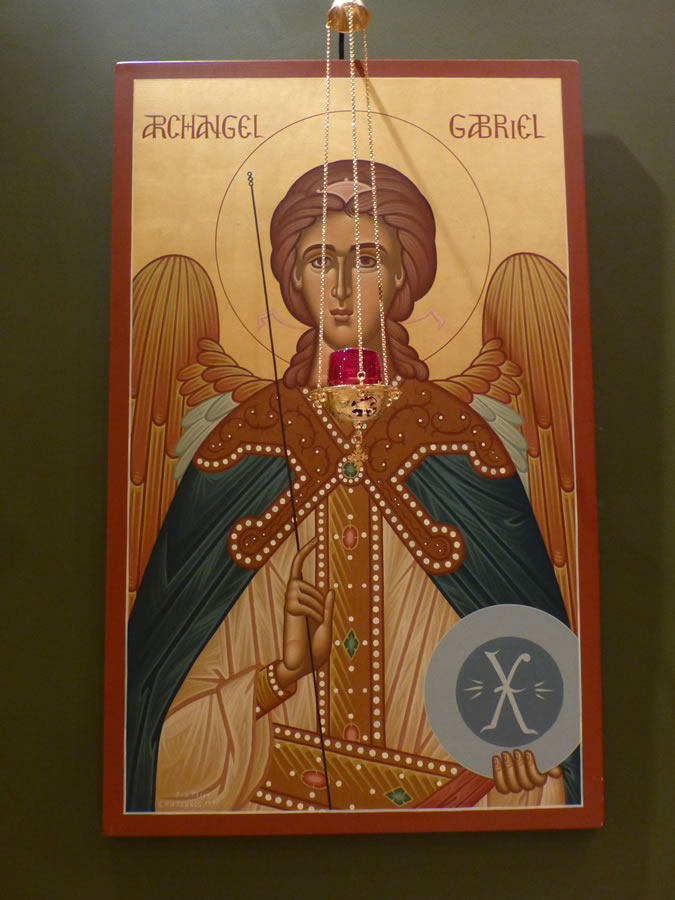
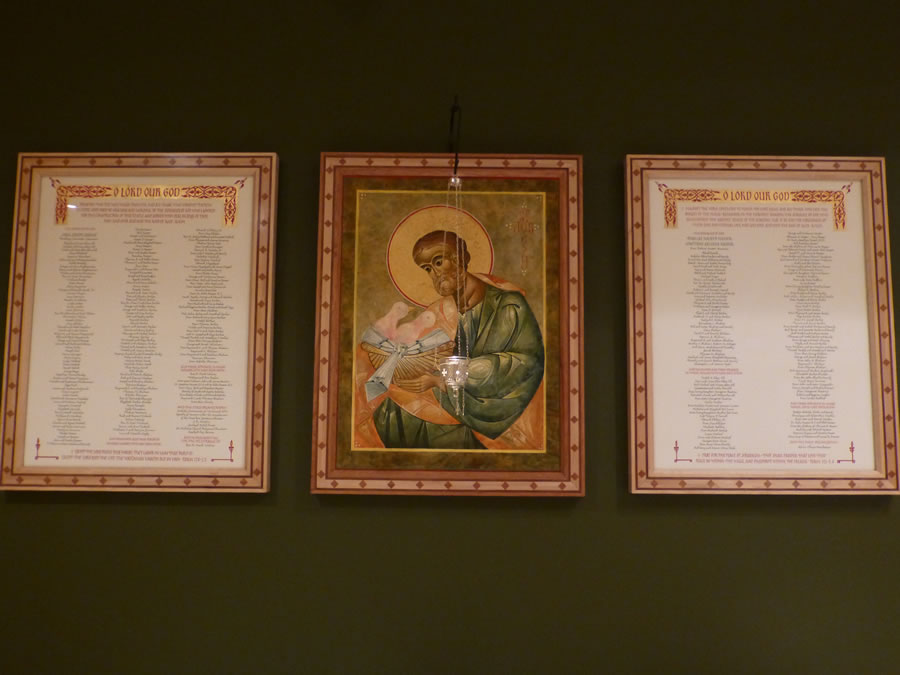
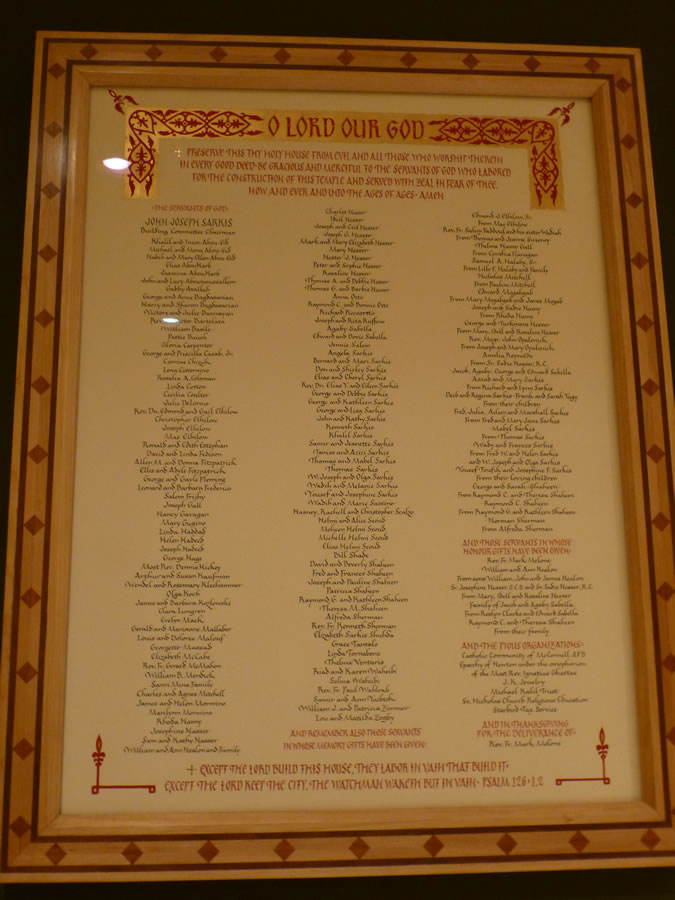
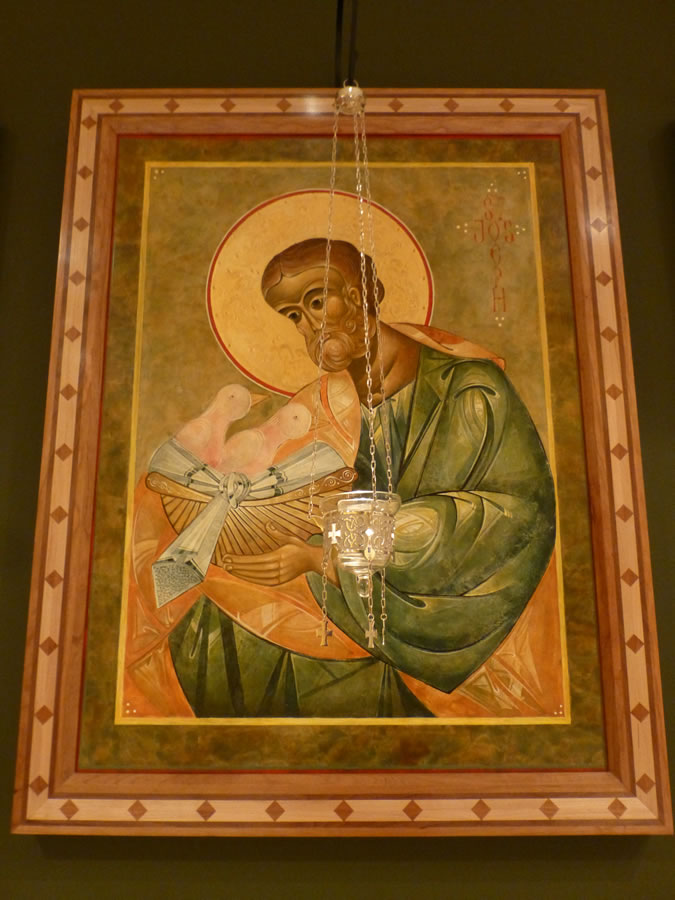
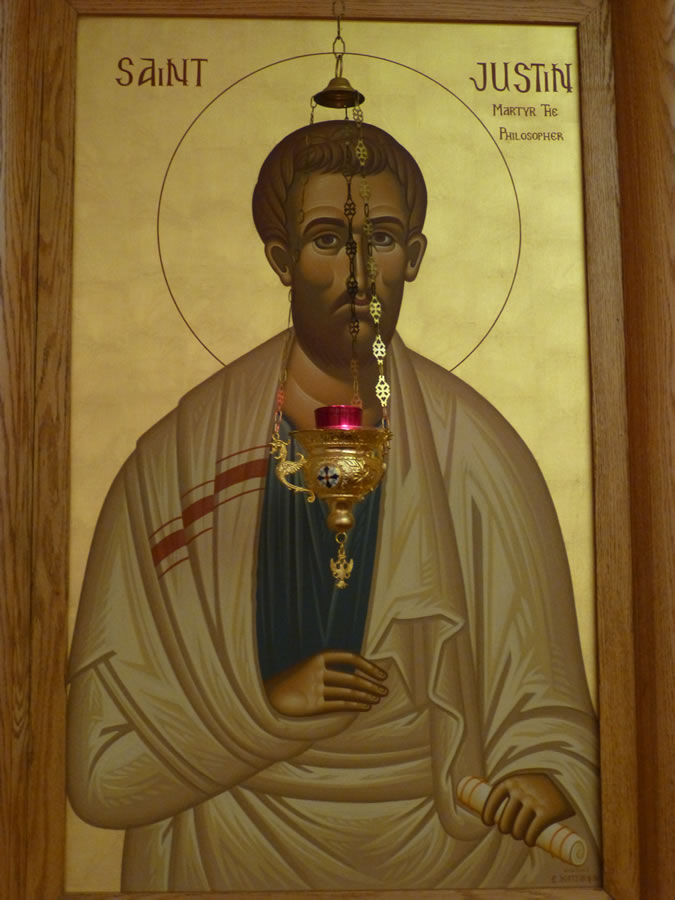
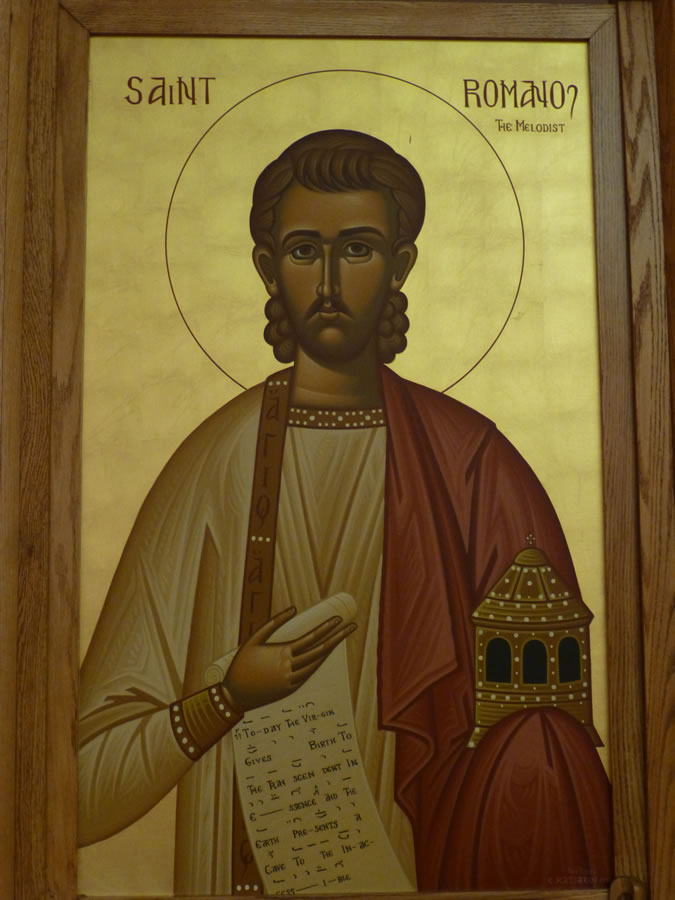
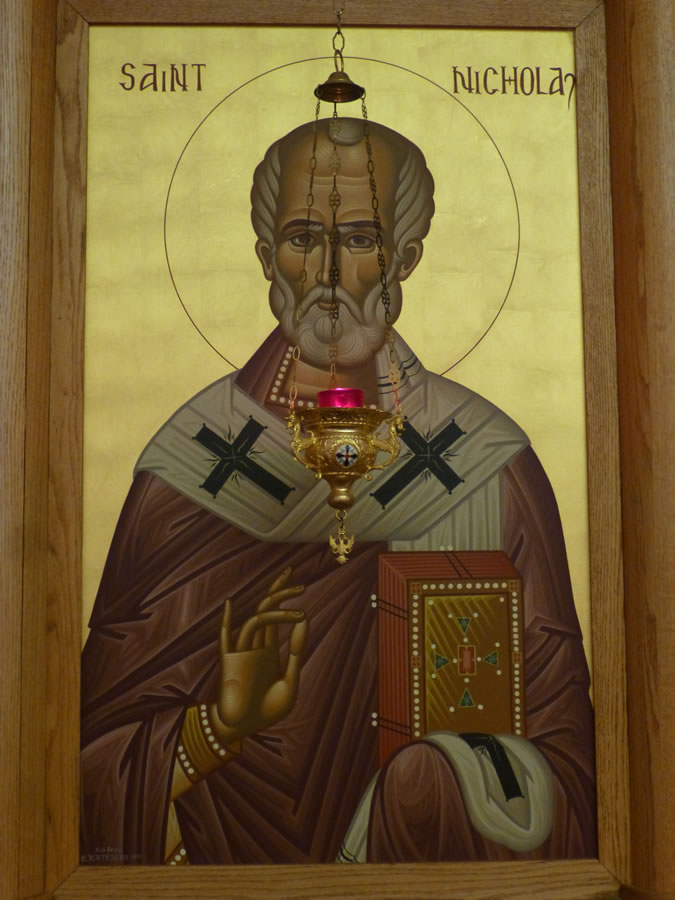
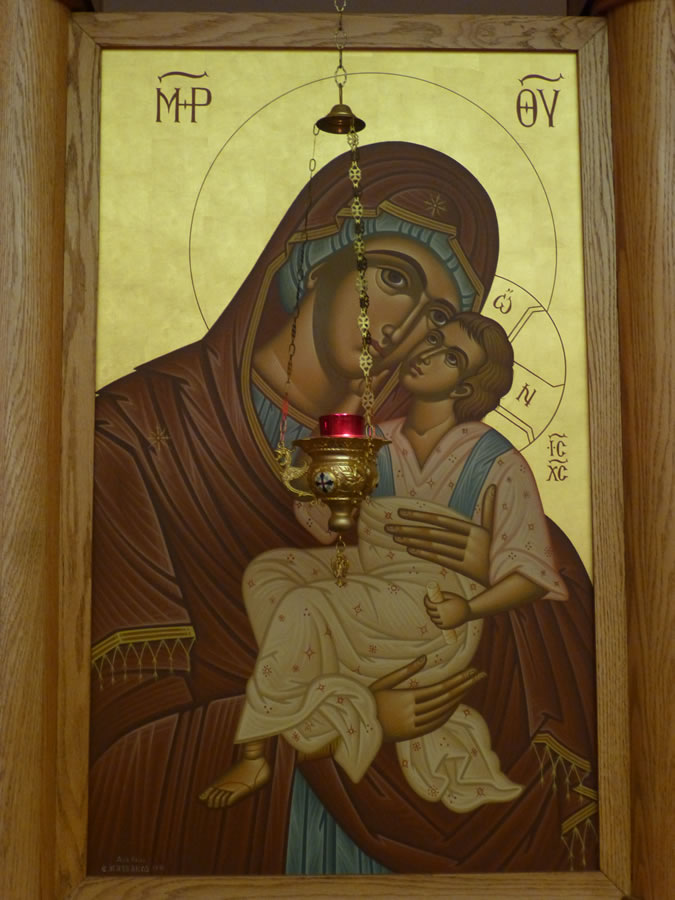
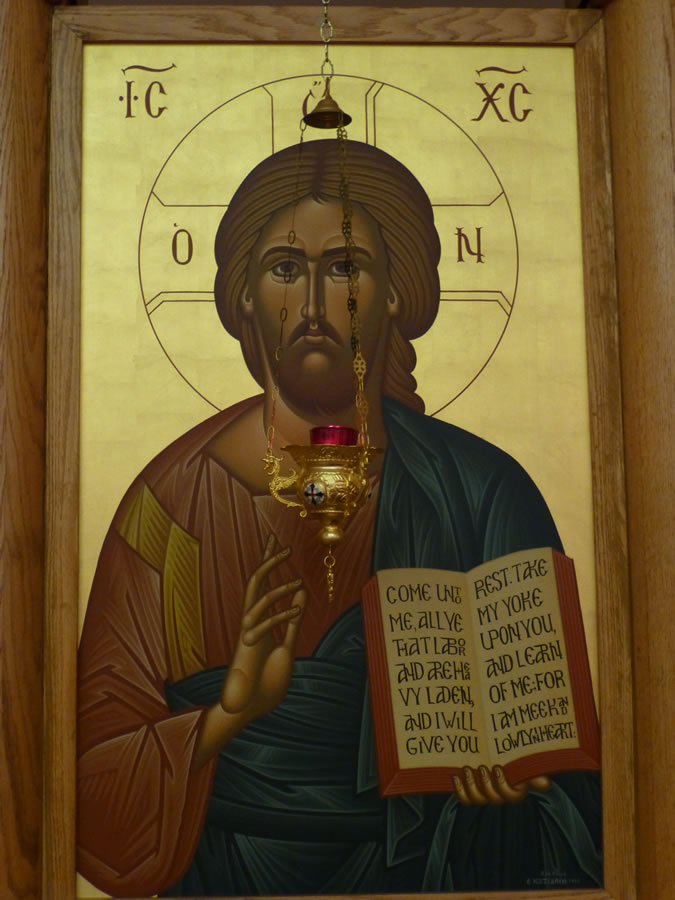
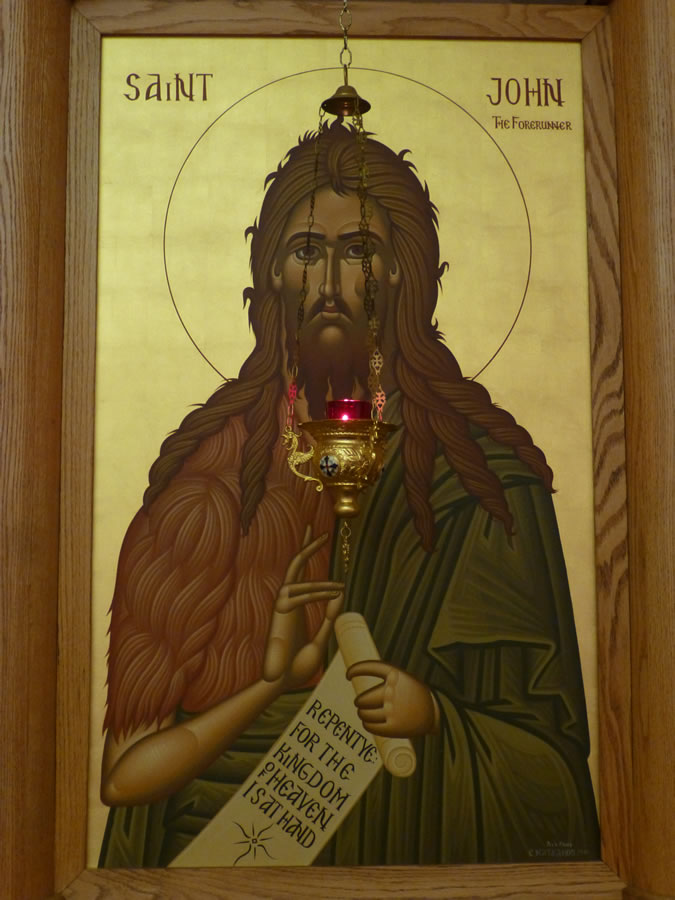
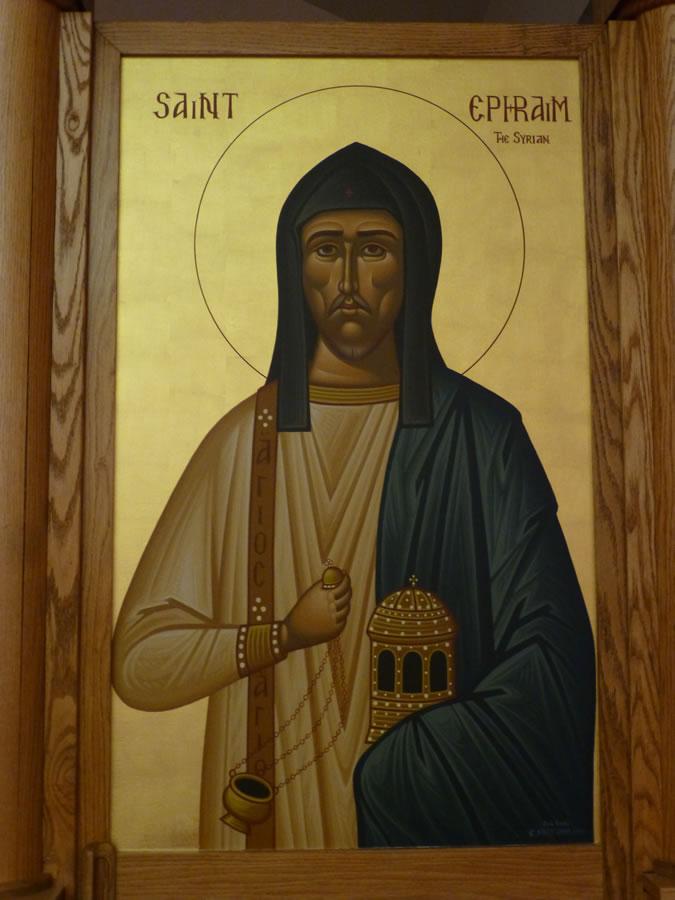
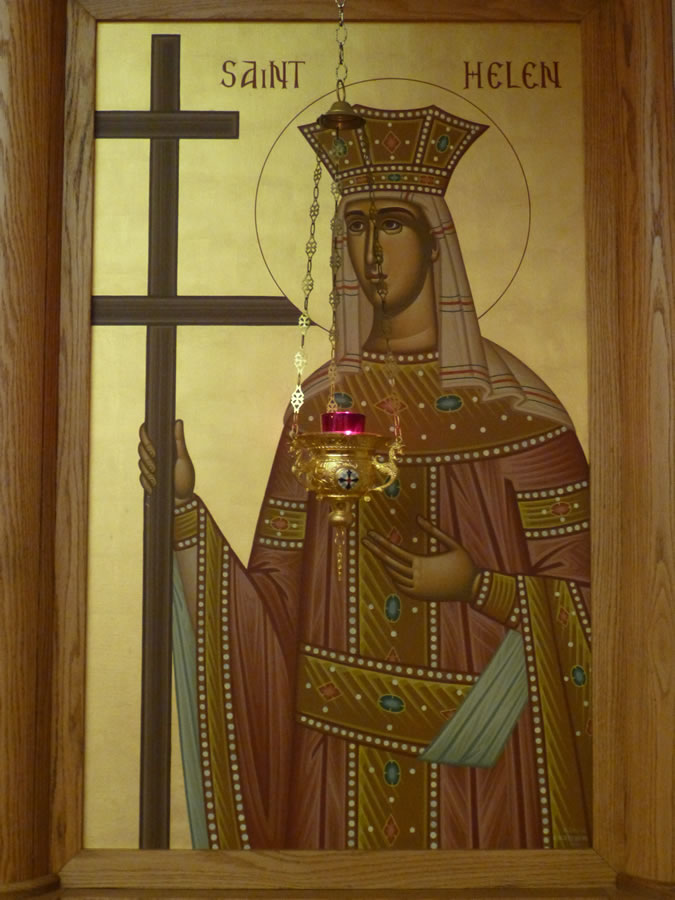
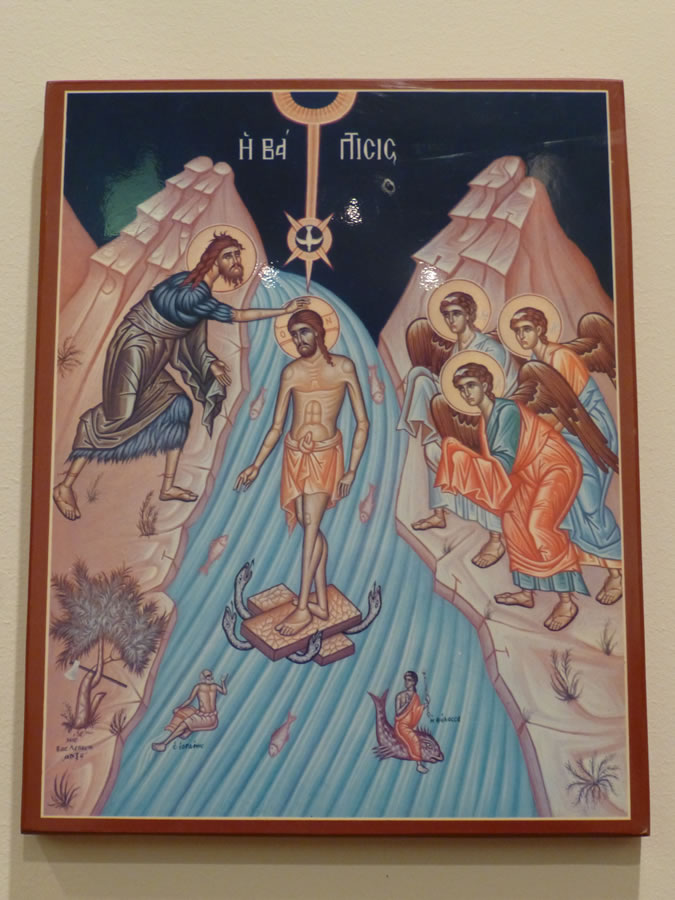
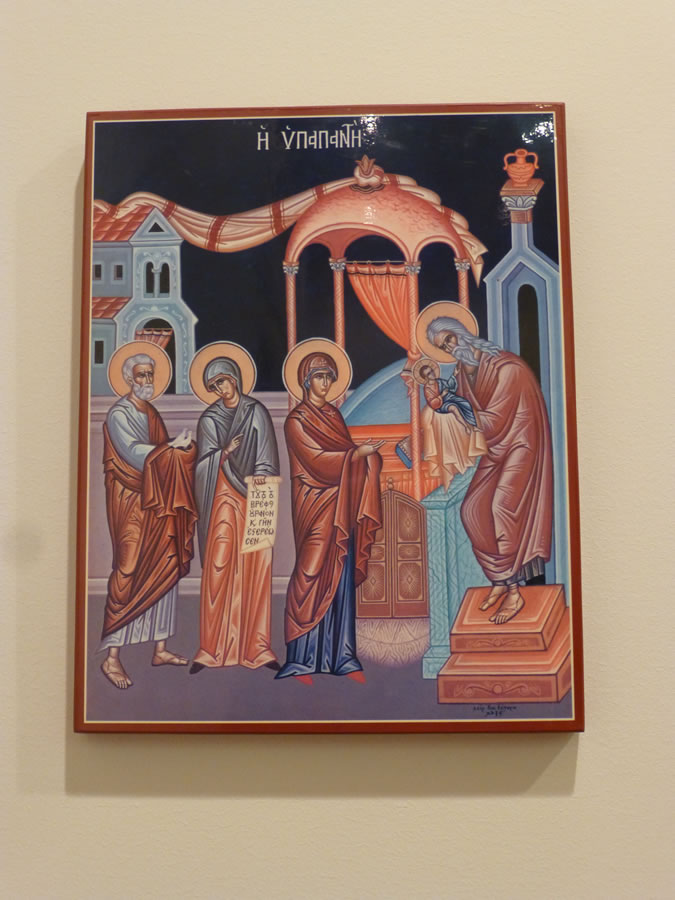
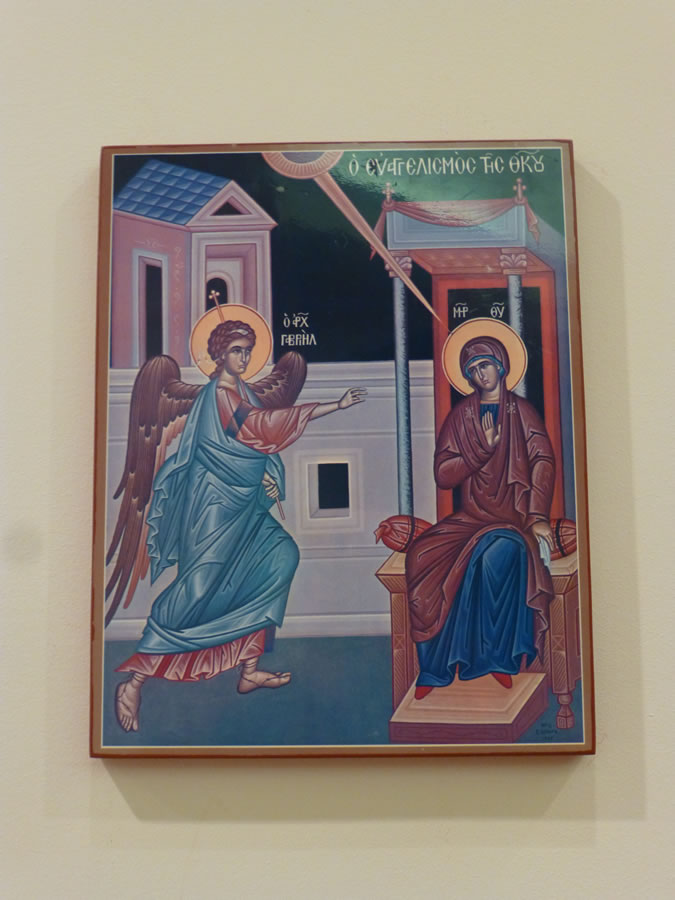
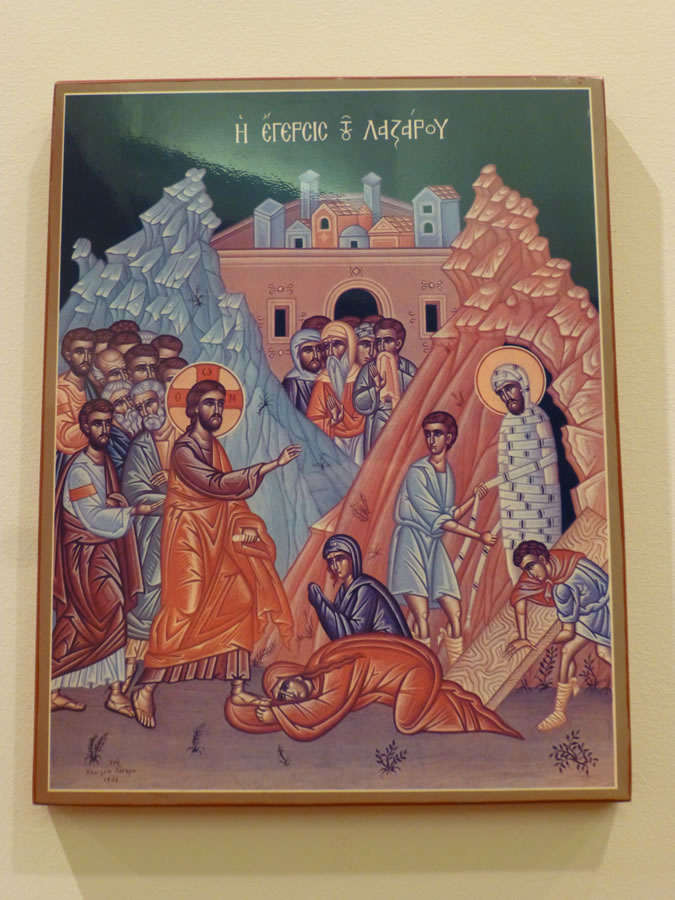
Melkite Archbishop Joseph Tawil encouraged the parish to consider building a new church. In 1986, a building committee formed and purchased eight acres in Gates—the former McDowell Farm on Spencerport Road. Over the next four years, approximately $100,000 was raised. Initial plans envisioned a two-story building with a library and hall. Fr. Melone commissioned Elias Katsaros to paint iconography for the new church.
Fr. Kenneth Sherman became Pastor in late 1991. After a corpse was discovered outside the rectory, plans for the new church accelerated. The parish council discussed selling the original church and rectory for $150,000 on Mar. 1, 1992. Parishioners rejected this offer, and the building committee disbanded. A new committee subsequently formed, launching a fundraising campaign in Fall 1992. The original St. Nicholas church was sold to Heavenly Temple of God, and the congregation temporarily relocated to the former St. Jude the Apostle church in Gates with the blessing of its Pastor, Fr. John Steger.
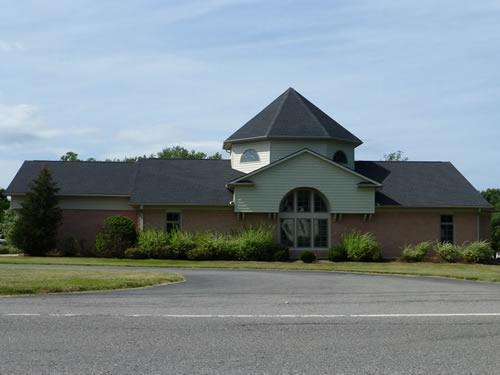
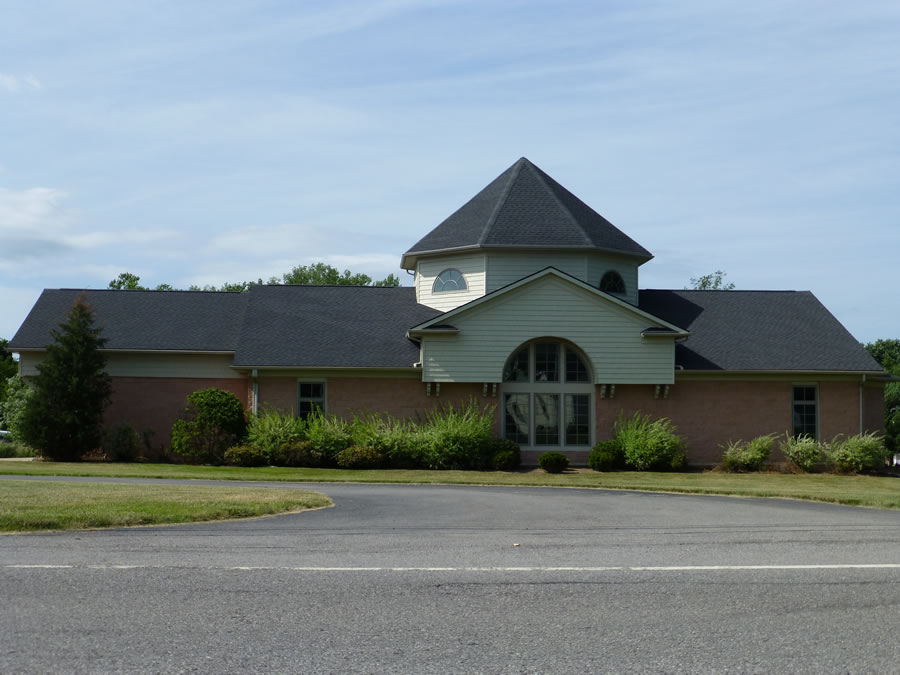
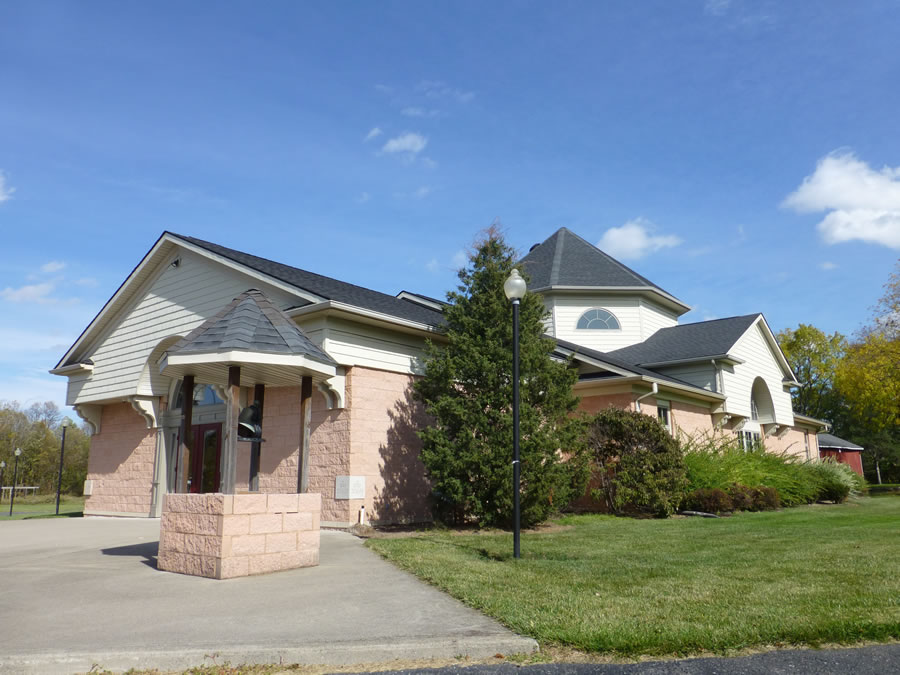
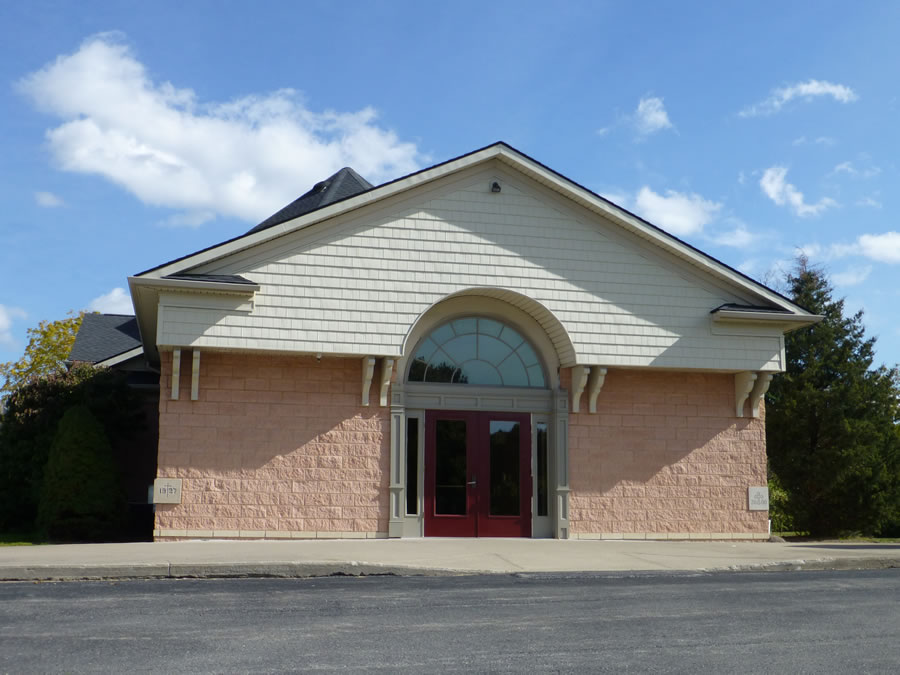
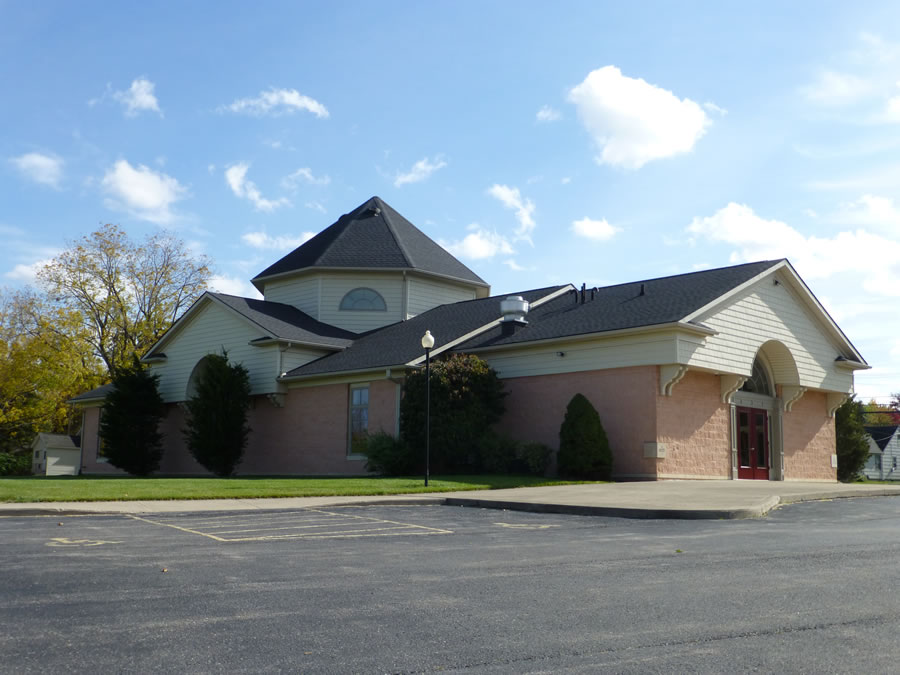
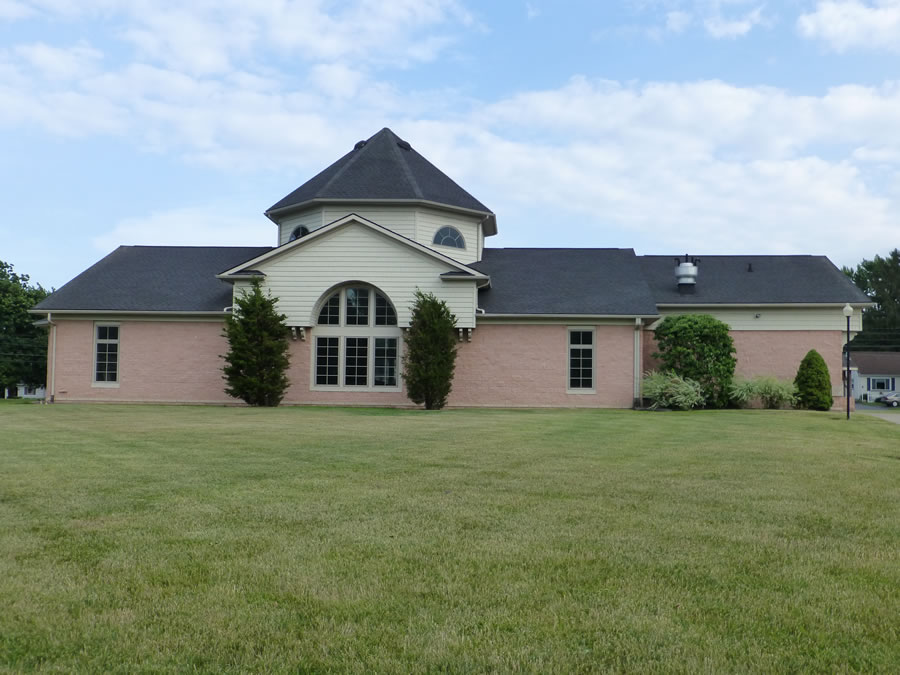
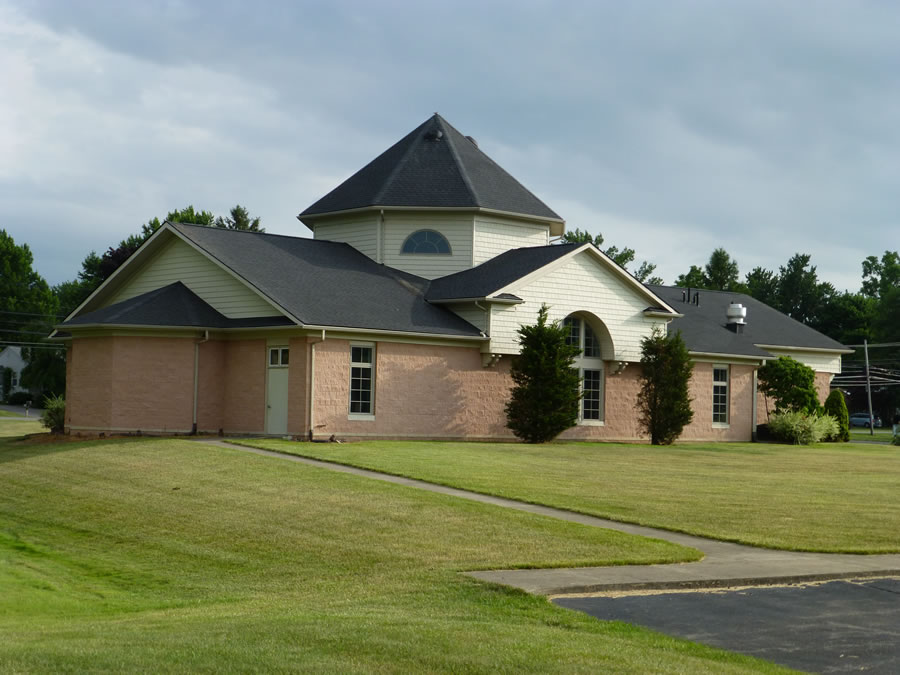
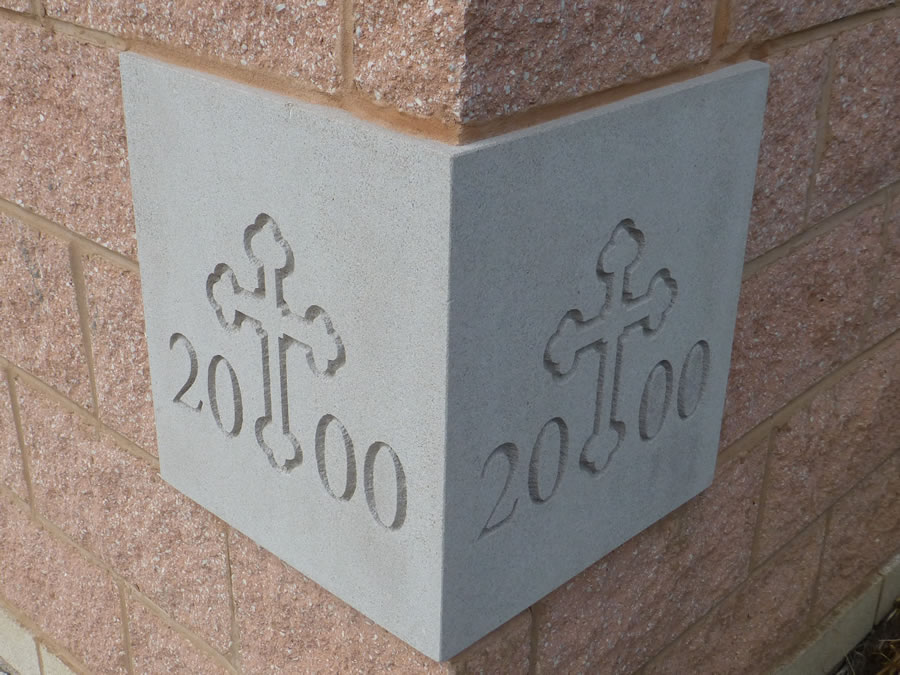
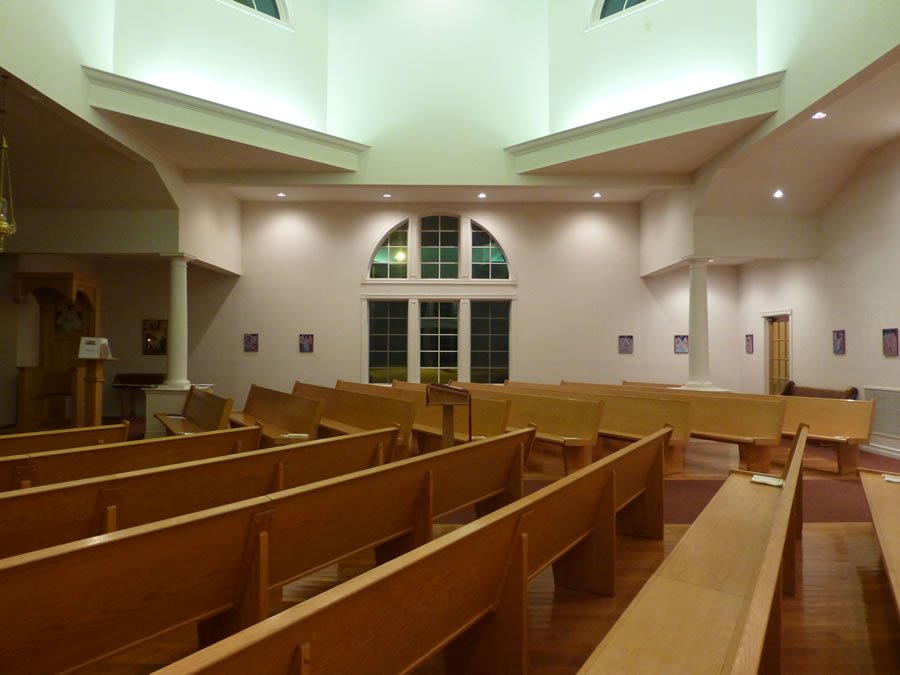
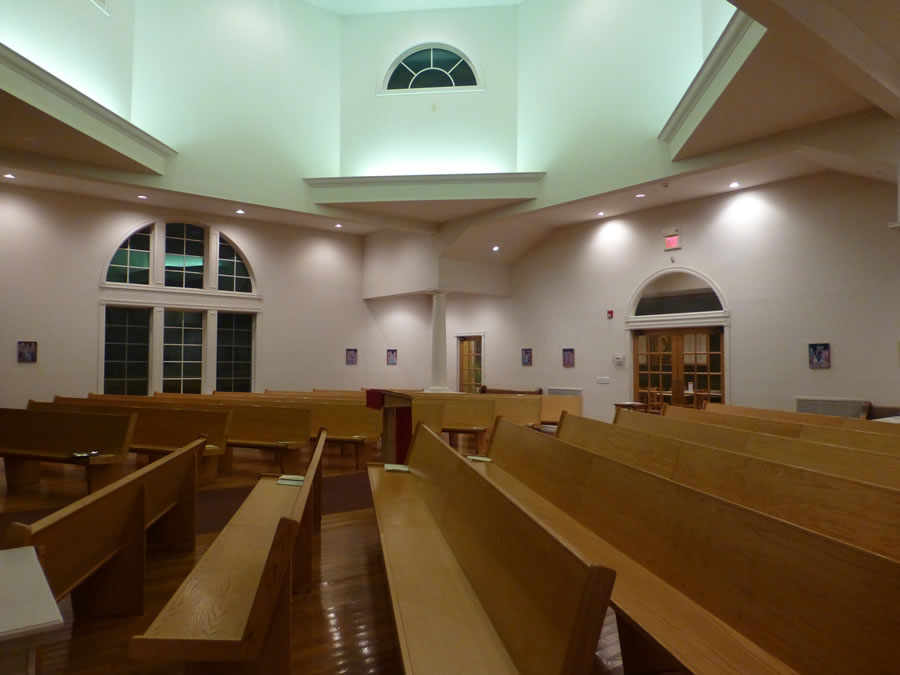
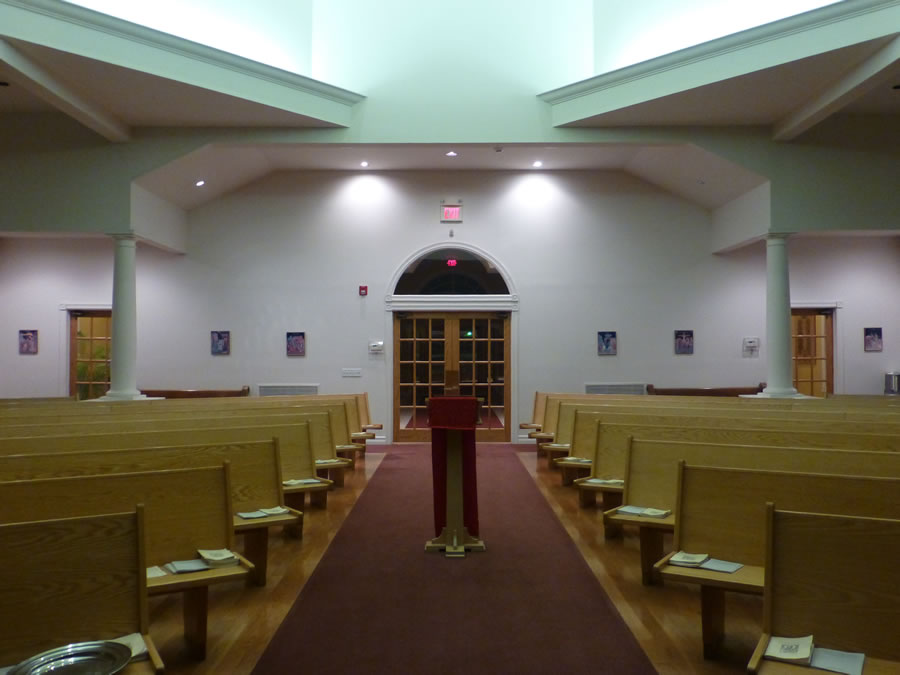
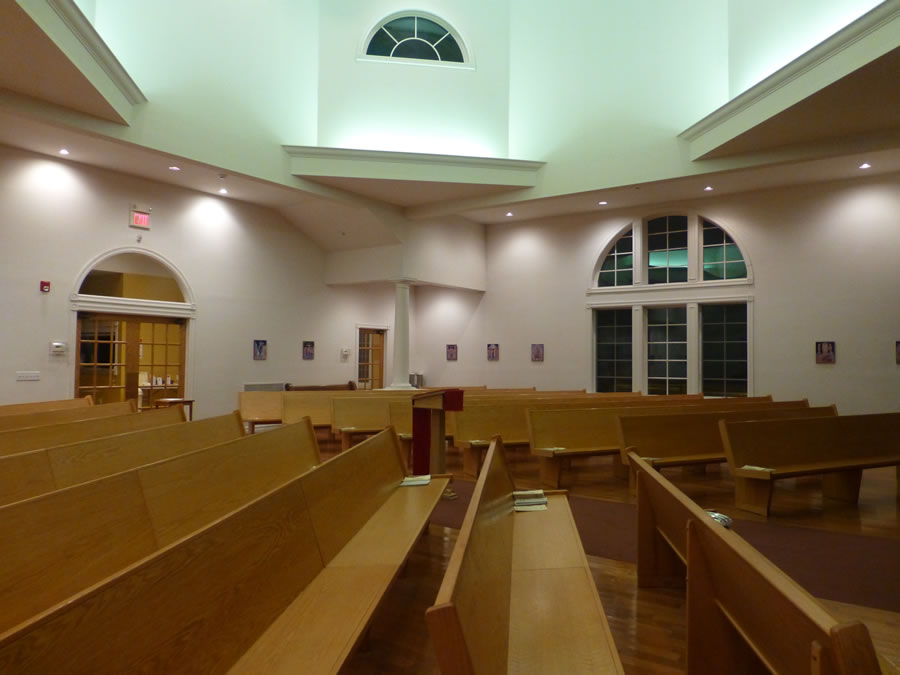
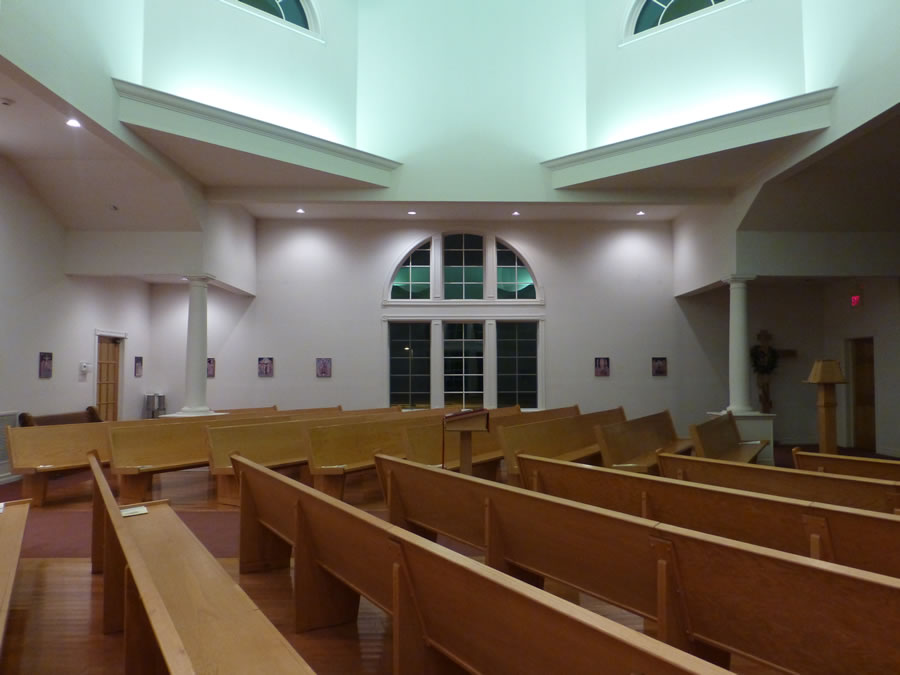
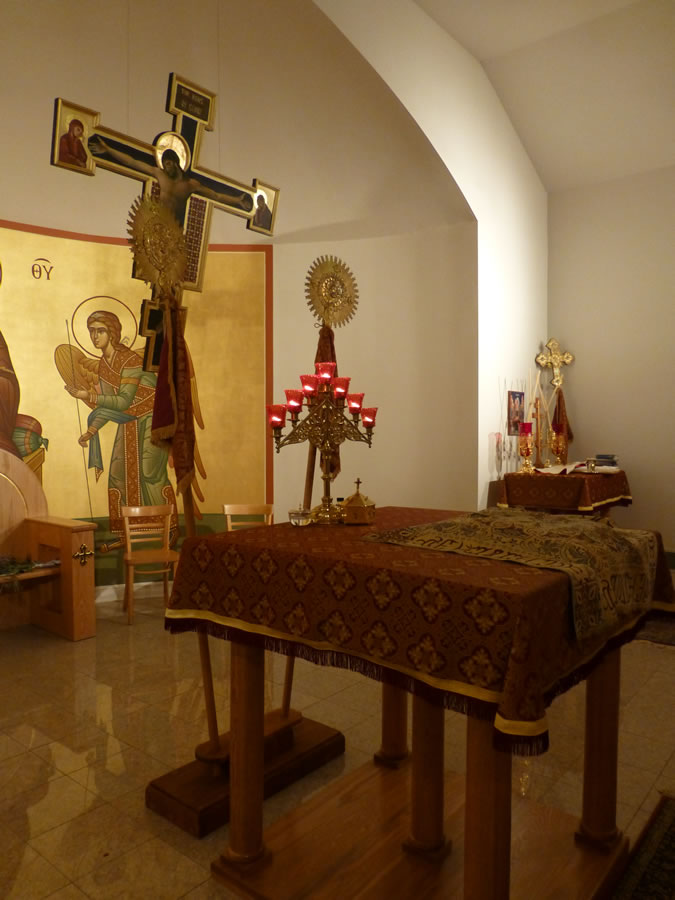
The rectory was constructed first on the new property. Budget constraints forced the parish to scale back original plans. Michael Dana of LAD Construction designed a single-story church. As completion approached, Fred Sarkis built the new iconostasis and altar. On May 21, 2000, after approximately seven years worshipping at the former St. Jude church, St. Nicholas parishioners celebrated the dedication of their new home before an overflow crowd.
Fr. Sherman, elevated to Archimandrite, served St. Nicholas for nearly twenty years. His January 2011 reassignment brought Fr. Charles Kattan as the new Pastor. Fr. Kattan's attempts to introduce Latin Rite practices sparked controversy, and pressure soon forced his departure. Fr. Christopher Manuele was appointed administrator in June 2011 and later became Pastor. His theologically rich sermons did not resonate with many parishioners, generating resentment of his leadership style and prompting open complaints at parish meetings.
Fr. Manuele transferred to his former parish in Scranton, PA on Sep. 20, 2015, leaving Deacon Elias Sarkis as temporary administrator. Parishioner Michael Copenhagen was ordained deacon and subsequently priest. On Dec. 30, 2015, Fr. Copenhagen became St. Nicholas's first married priest to serve as pastor, following the Melkite hierarchy's decision to restore this ancient practice. His ordination brought an influx of new parishioners who continue attending St. Nicholas faithfully.
Exterior Photographs
Former Church
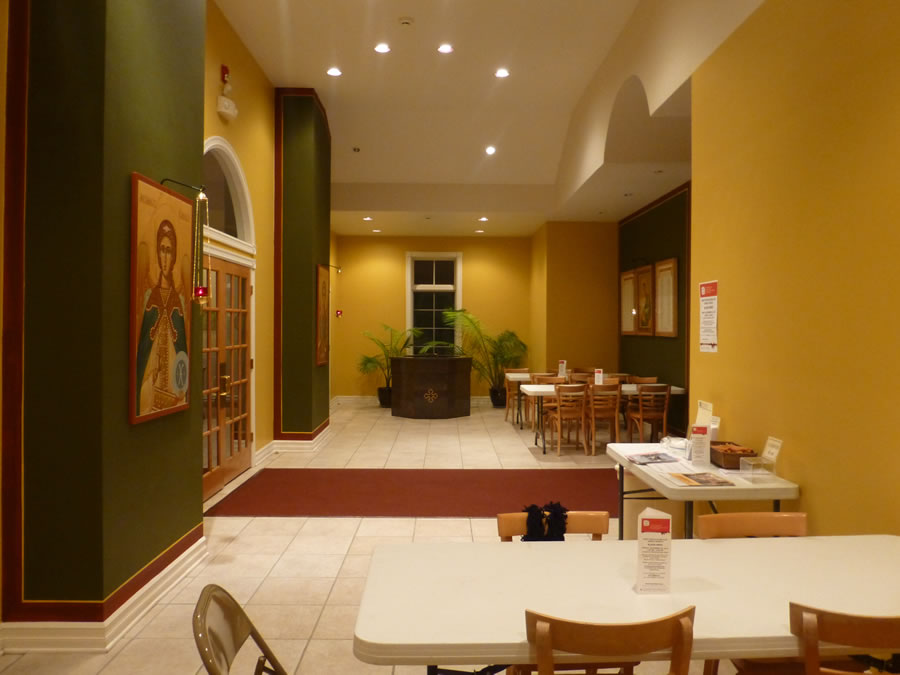
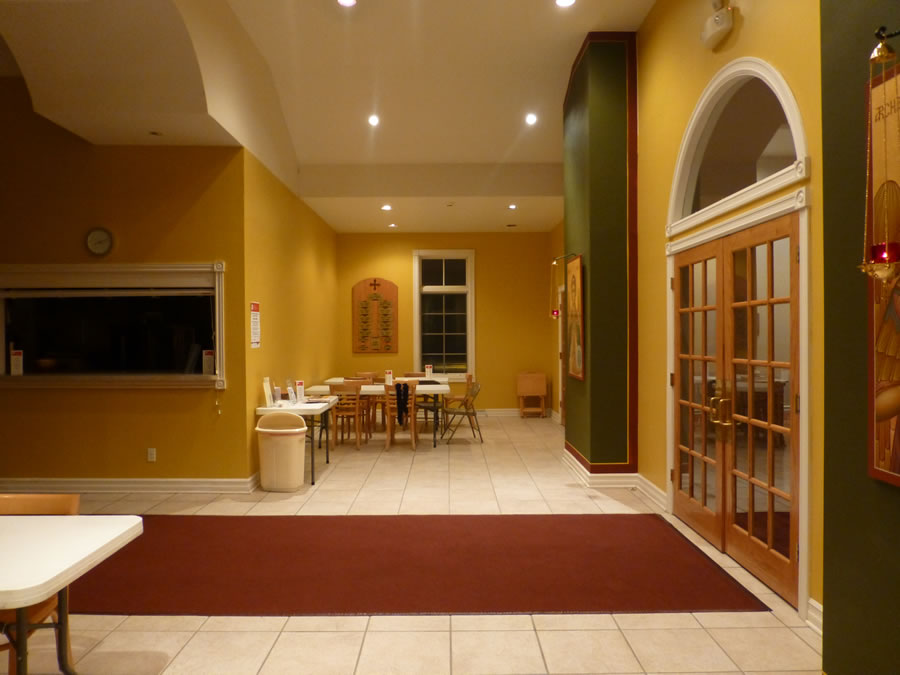
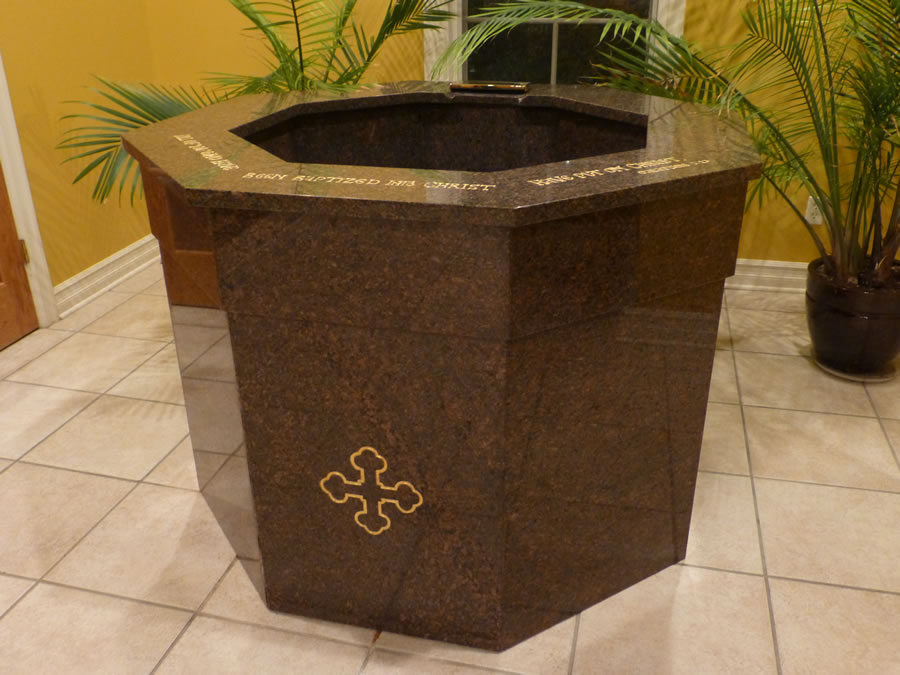
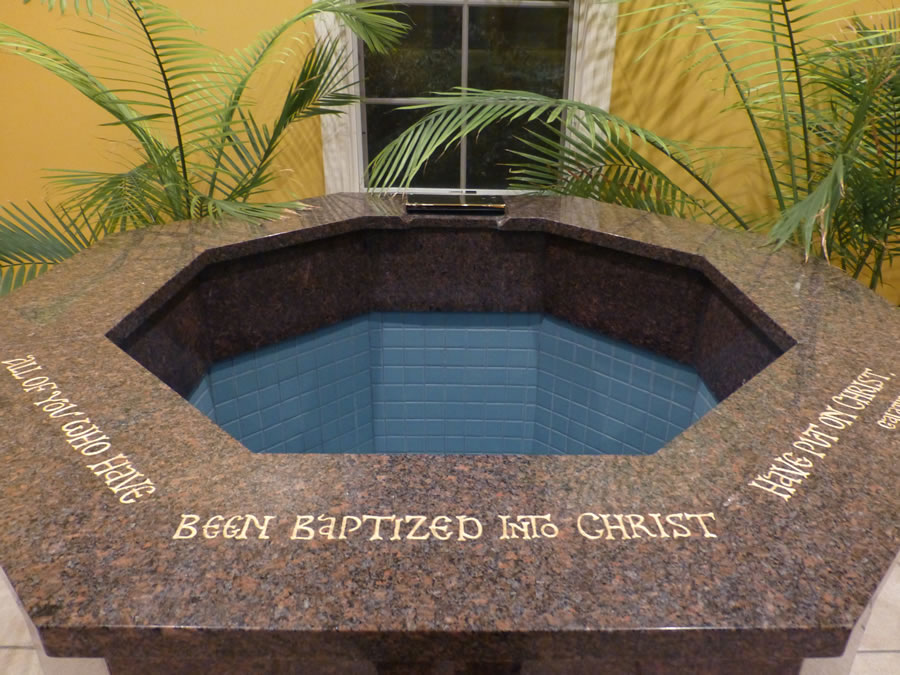
Interior Photographs
Iconostasis
Icons
Historical Photographs