St. Pius X
ActiveChili, Monroe County
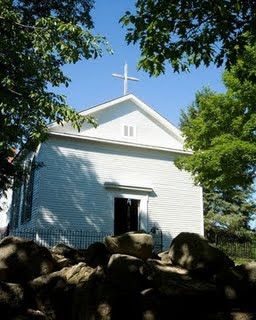
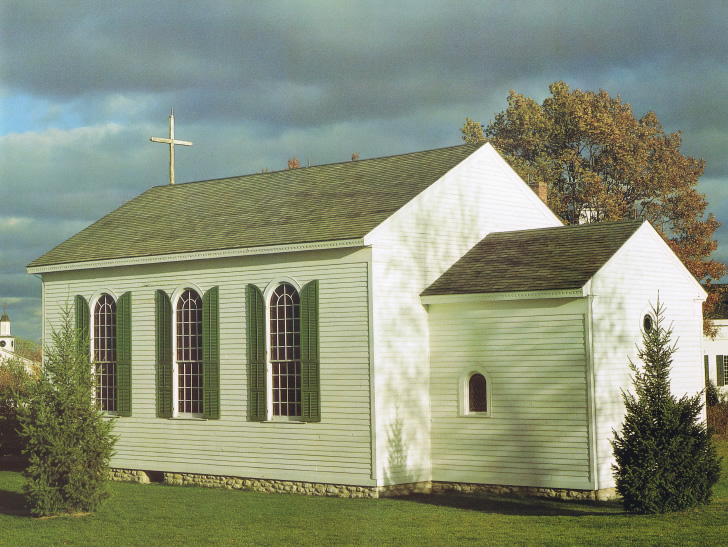
The origins of St. Pius X date to the mid-1800s, when the Rochester area was part of the Diocese of Buffalo. In 1854, Bp. Timon created a mission in Chili to serve the expanding Catholic farming population. With encouragement from Fr. James McGlew, pastor of nearby St. Mary of the Assumption in Scottsville, area residents constructed their own church. Building work began Nov. 5, 1854 and concluded approximately a year afterward. The low, wet terrain gave rise to the nickname "Swamp Church." Patrick Golden, a founding parishioner who donated the property, proposed naming it for the little-known Irish saint, St. Fechan.
From 1854 to 1869, St. Mary's in Scottsville administered pastoral care for St. Fechan. The mission then came under St. Vincent de Paul in Churchville (which itself was subject to St. Patrick's Cathedral until 1873). In June 1873, Fr. William Mulheron was appointed the first resident Pastor of St. Vincent, with responsibility for St. Fechan as well.
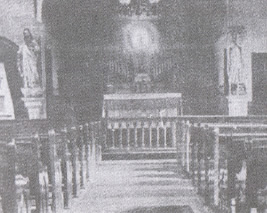
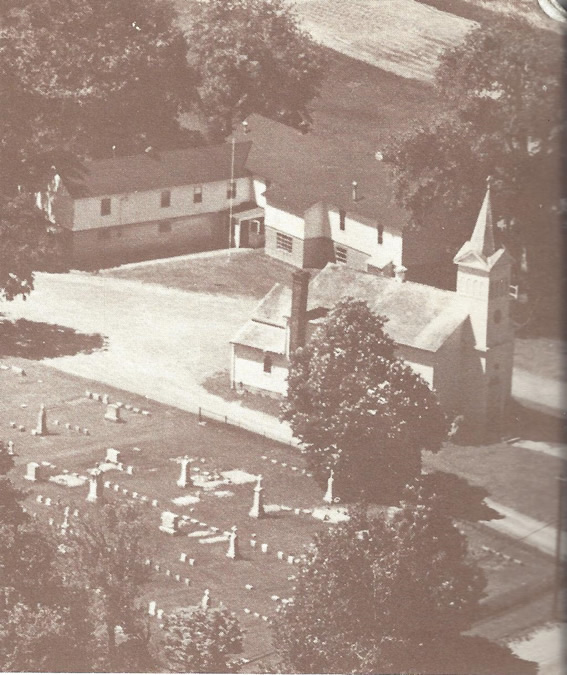
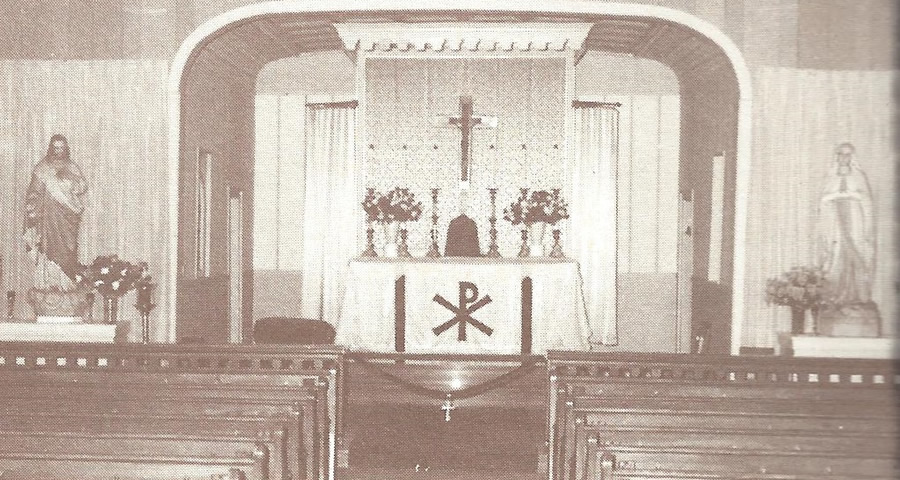
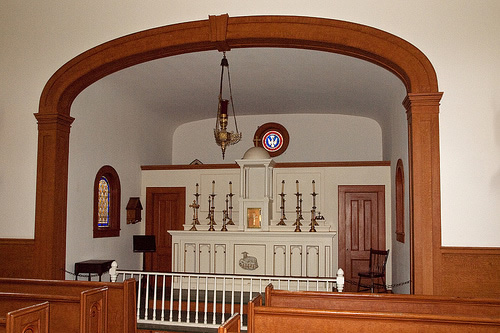
In 1882, land was acquired from Michael McEntee on Chestnut Ridge Rd. for a cemetery, and the first interment occurred that same year. The marshy ground conditions necessitated moving the church to elevated terrain at 200 Chestnut Ridge Rd. The original property was raffled, and a house was erected on the old foundation. Major structural upgrades came in the early 1900s: steel ceiling and walls, new vestries, sidewalks encircling the church, and stained glass windows. Further renovations during the 1930s and 1940s added a new altar, lowered ceilings, modern lighting, and carpet.
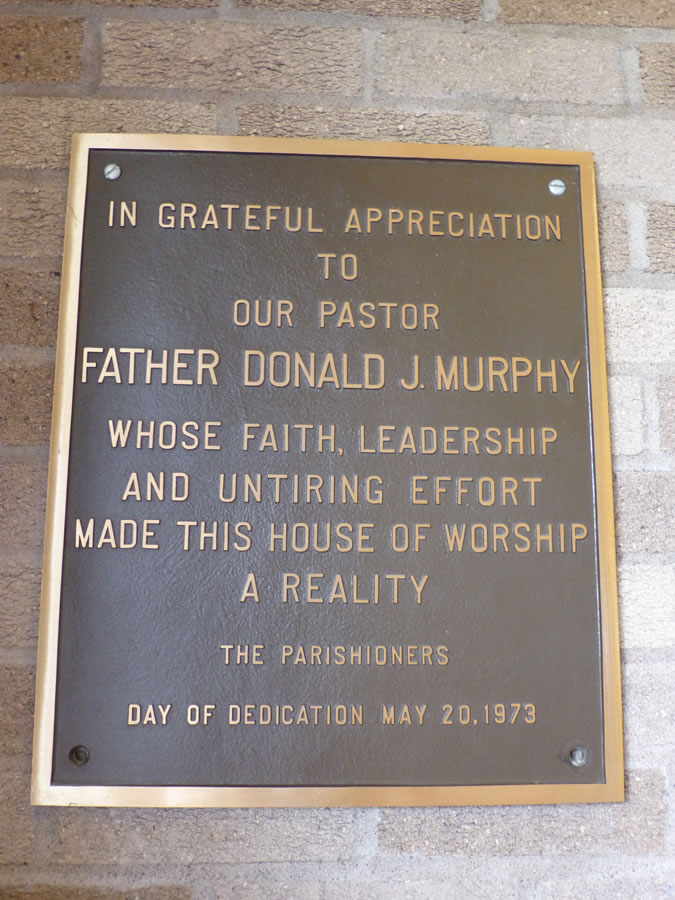
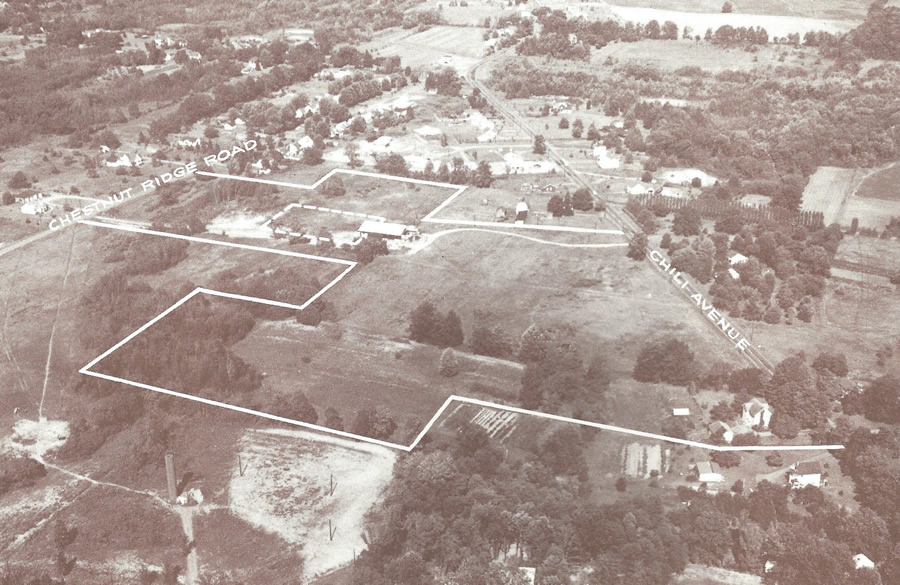
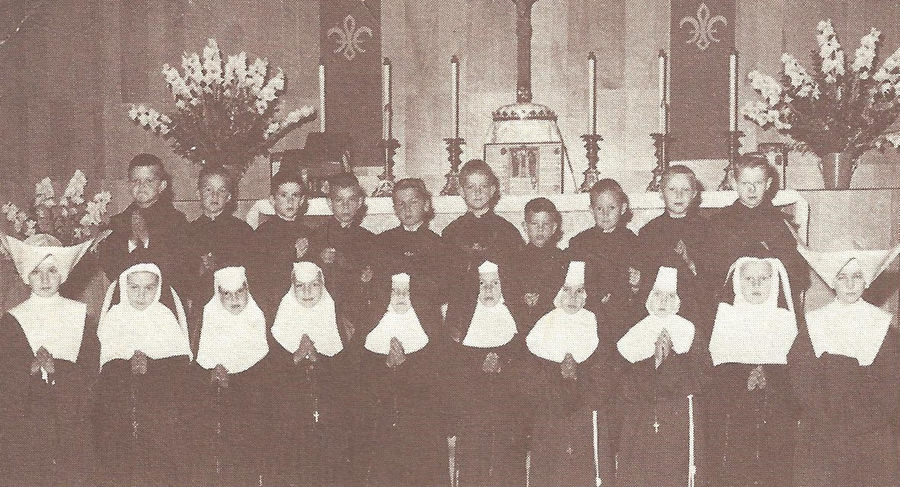
In January 1954, Fr. Donald J. Murphy took charge of St. Fechan's. His extended tenure brought numerous important developments. Soon after arriving, he changed the mission's spelling from St. Fechan to St. Feehan. The Sisters of St. Joseph opened a school in September 1954. Fr. Murphy formulated plans to move the church from Chestnut Ridge to Chili Avenue. The Sachs family proposed selling ten acres for $10,000, but Fr. Murphy wanted additional Chestnut Ridge Rd. land to allow access from both roads—a goal eventually accomplished for $15,000.
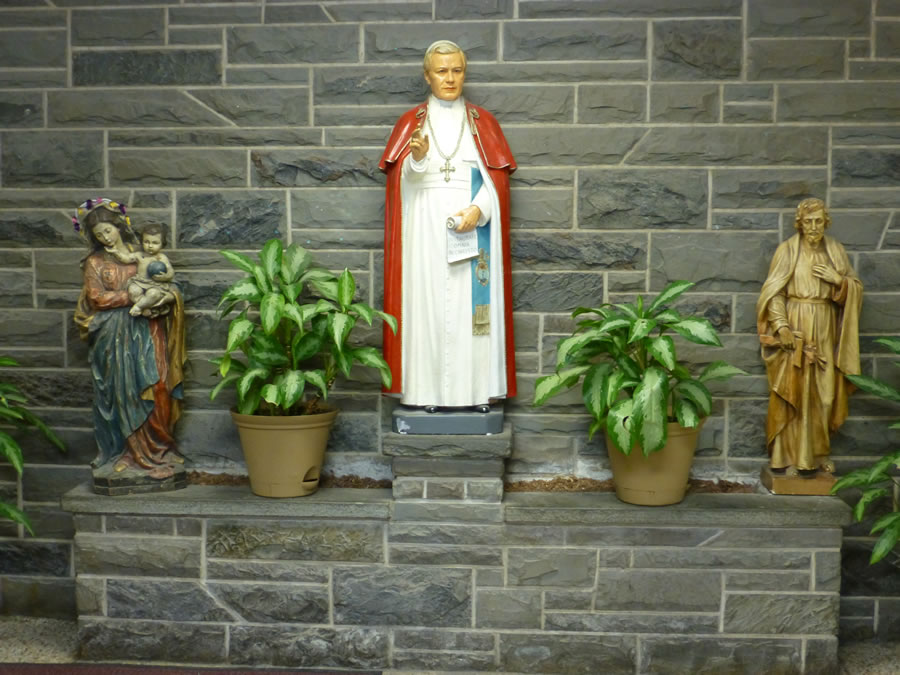
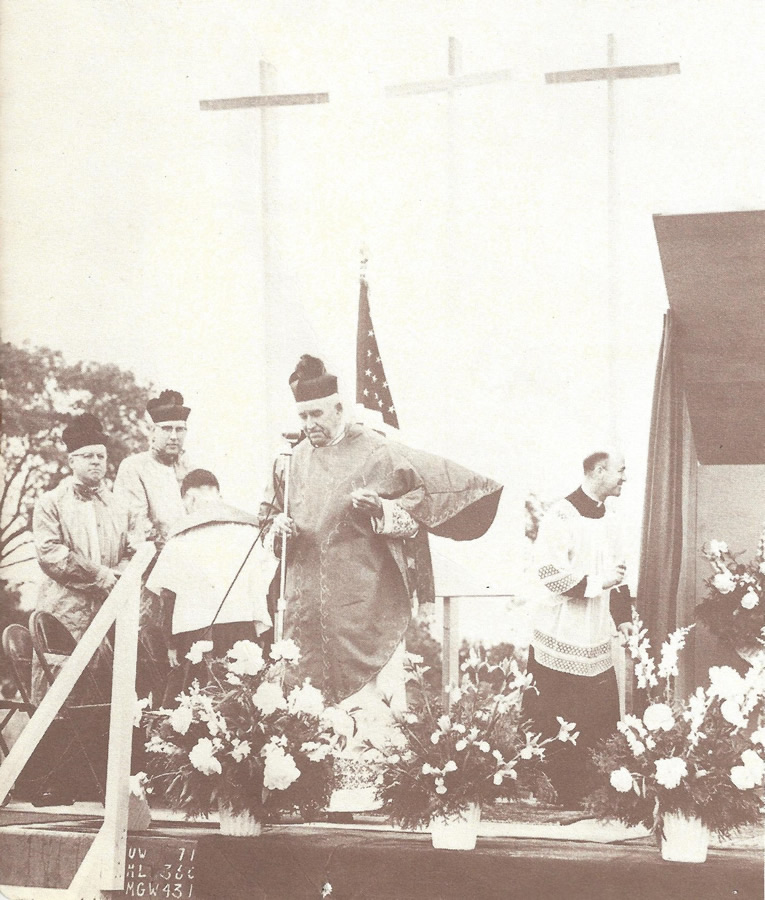
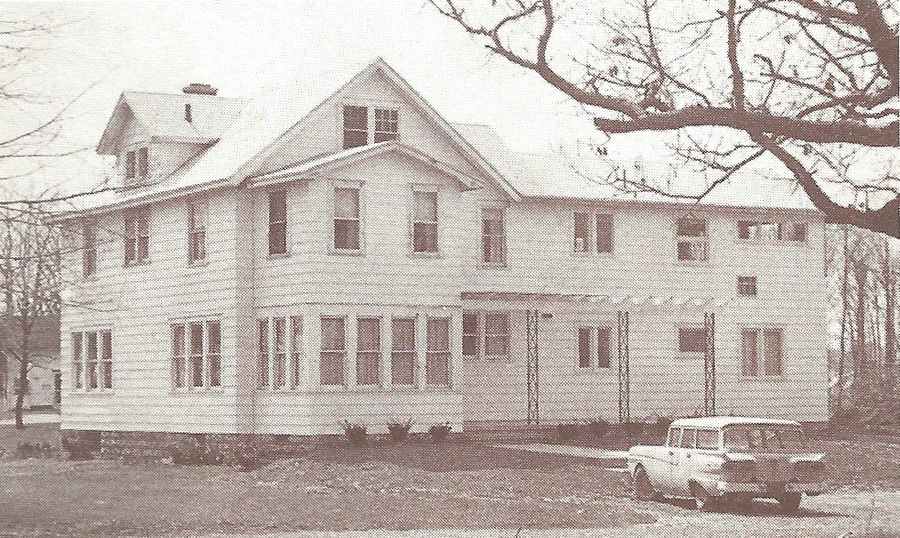
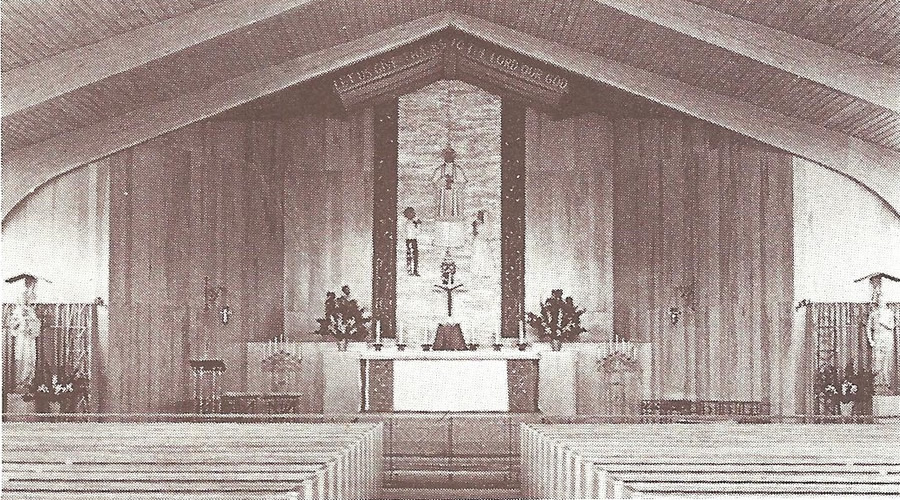
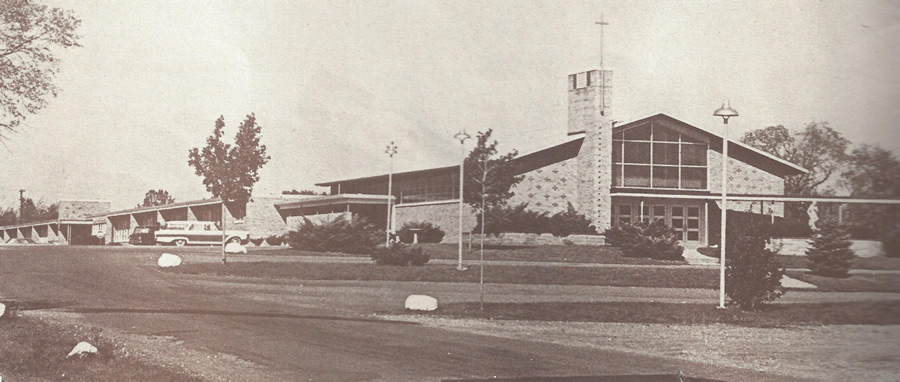
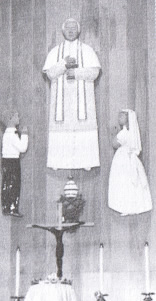
Planning for a new church and full parish status required a different name. Bp. Casey notified Fr. Murphy that the parish would bear the name St. Pius X, who had been canonized on May 29, 1954. An outdoor Mass celebrated by Bp. Kearney took place at the future site the next year. In January 1956, the new parish was formally created, superseding the former St. Feehan mission. The first St. Pius X church was finished, and the inaugural Mass took place Christmas 1956. The tabernacle and pews from St. Feehan were repurposed for the new building. Above the high altar hung a large photograph of St. Pius X bearing the inscription "Let us give thanks to the Lord our God." A neighboring house was bought for convent use.
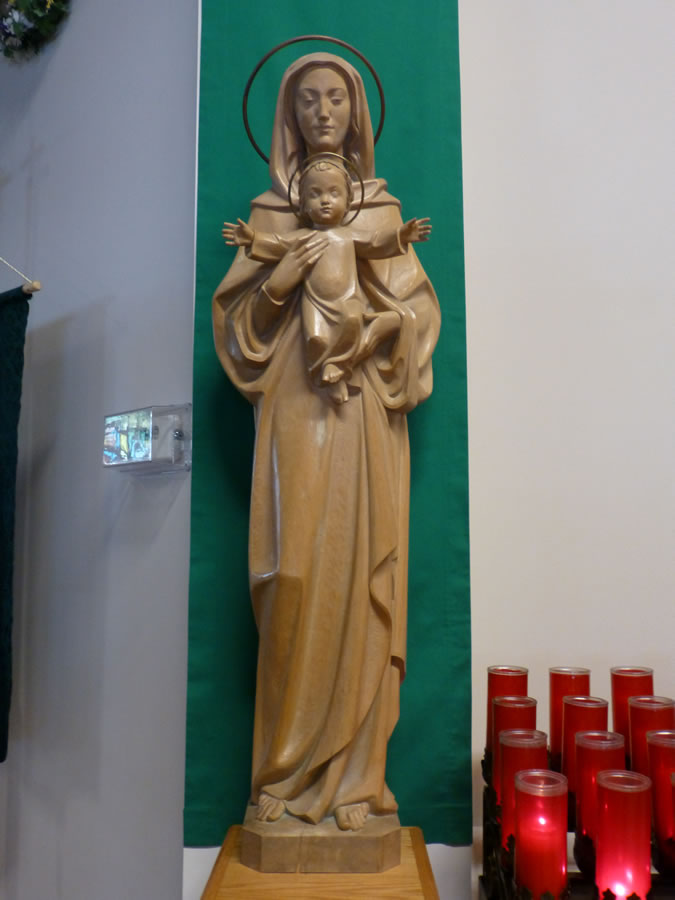
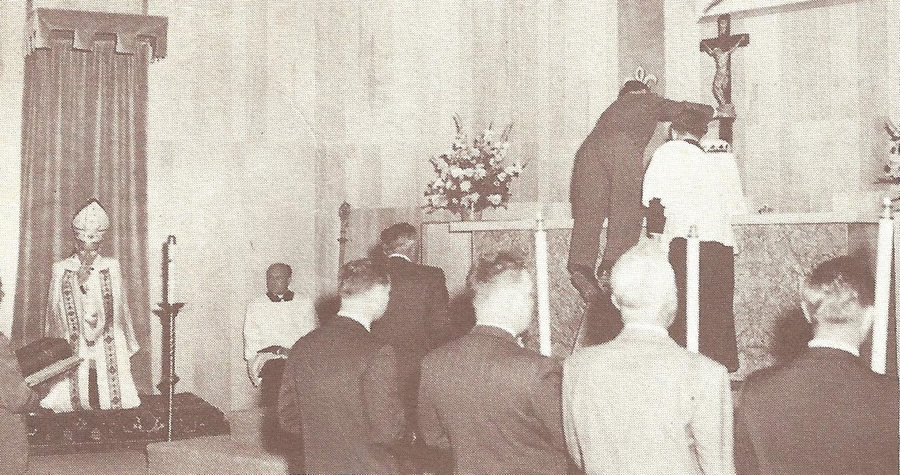
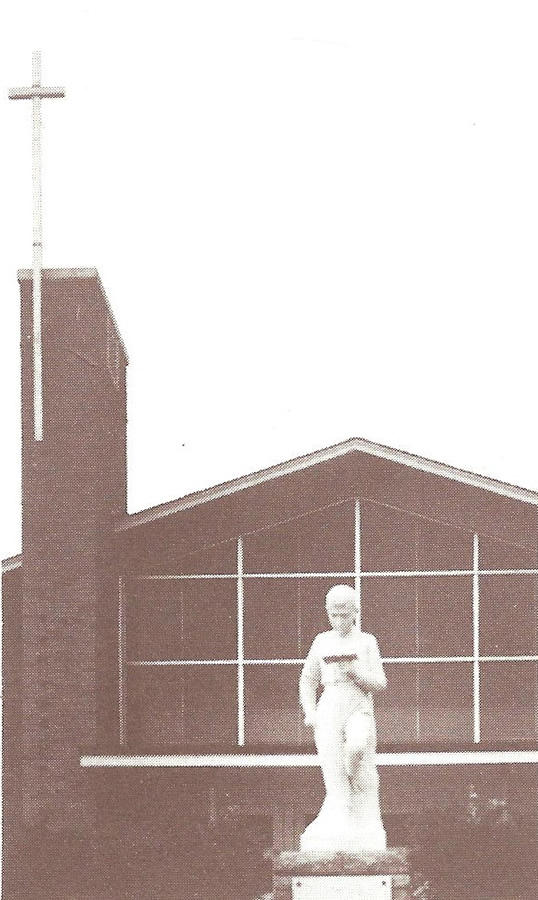
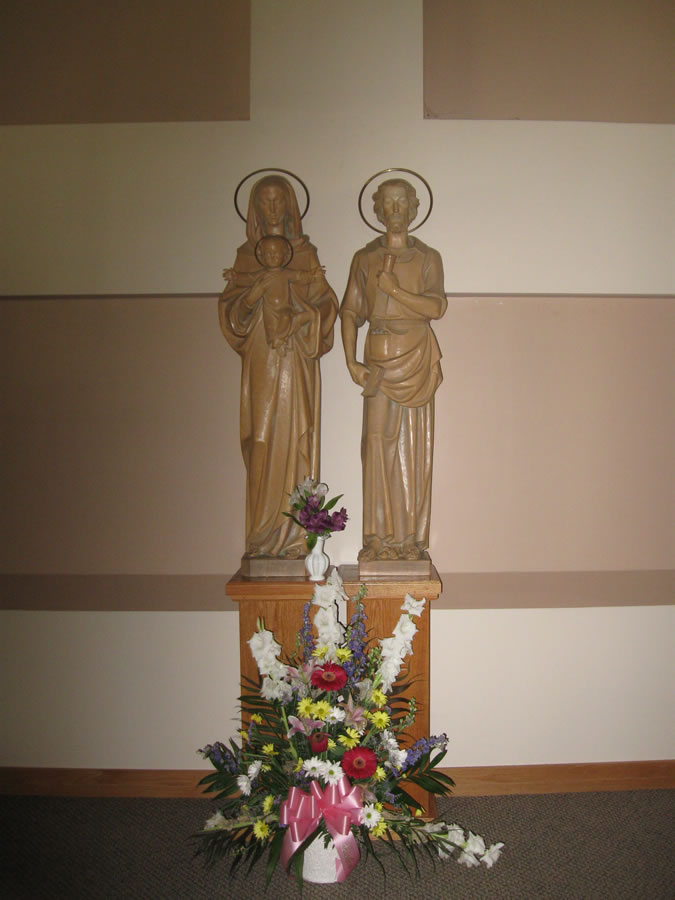
On May 19, 1957, Bp. Kearney dedicated St. Pius X church. Soon afterward, two life-sized carved statues of the Blessed Virgin and St. Joseph, crafted by Franz Mersa of Bressanone, Italy, were placed in the church. Parish children accidentally broke the hand of a commissioned marble St. Pius X statue.
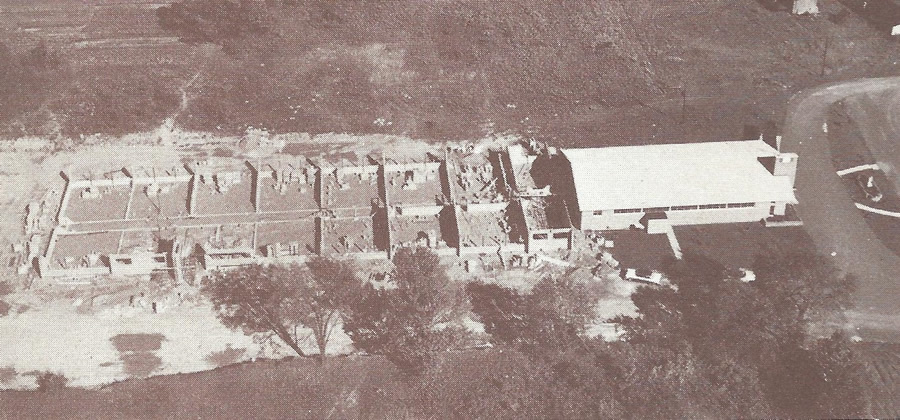
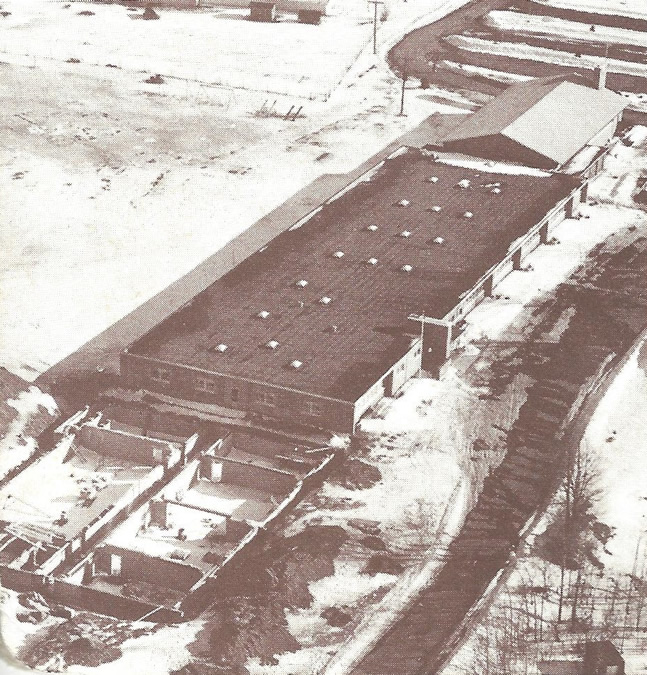
A 1958 fundraising campaign generated more than $100,000 for a new 12-classroom school connected to the church. Instruction began Sep. 8, 1959, and the building eventually grew to 18 classrooms.
Substantial growth characterized St. Pius X during the 1960s. In May 1963, collection boxes supplanted collection baskets. Bingo games started Apr. 25, 1964 as a fundraising activity. Work on a new Sisters of St. Joseph convent commenced Oct. 22, 1965, with the sisters moving in on May 14, 1966. Early in 1966, a marble altar from the Abbey of the Genesee monastery was installed. Attendance swelled to the point that folding chairs were placed in school hallways until St. Christopher's founding in North Chili in 1968 eased the crowding.
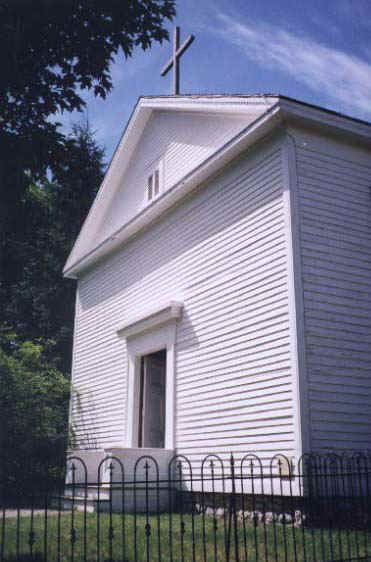
On June 18, 1967, the St. Pius X credit union was established. A religious education program for Catholic youth not enrolled in parochial schools began Oct. 11, 1967 near Churchville Chili High School. In 1969, the former St. Feehan church was given to the Genesee Country Museum and moved (without its steeple) to Mumford, where it still hosts weddings today.
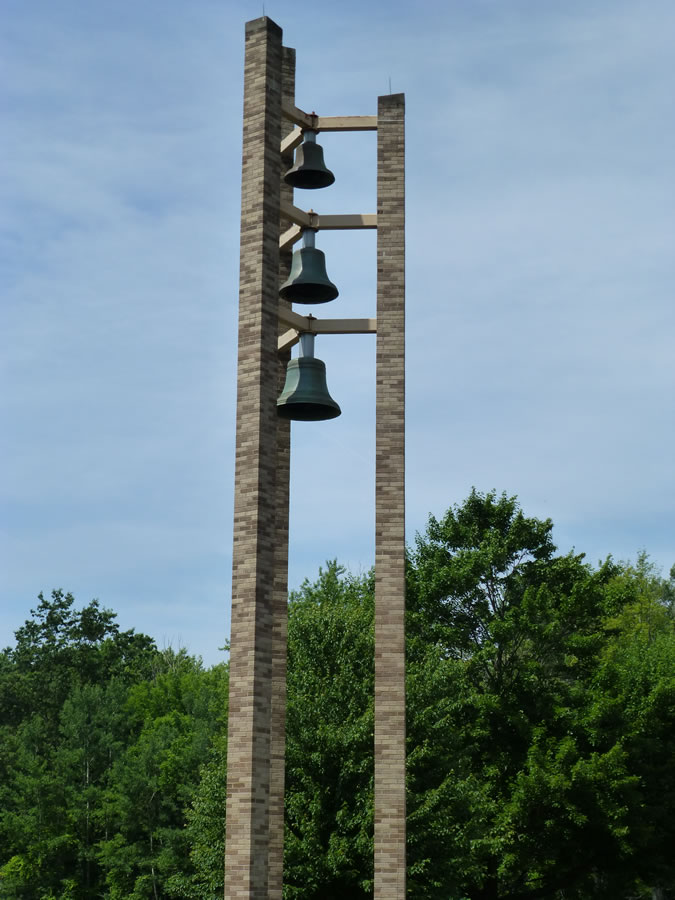
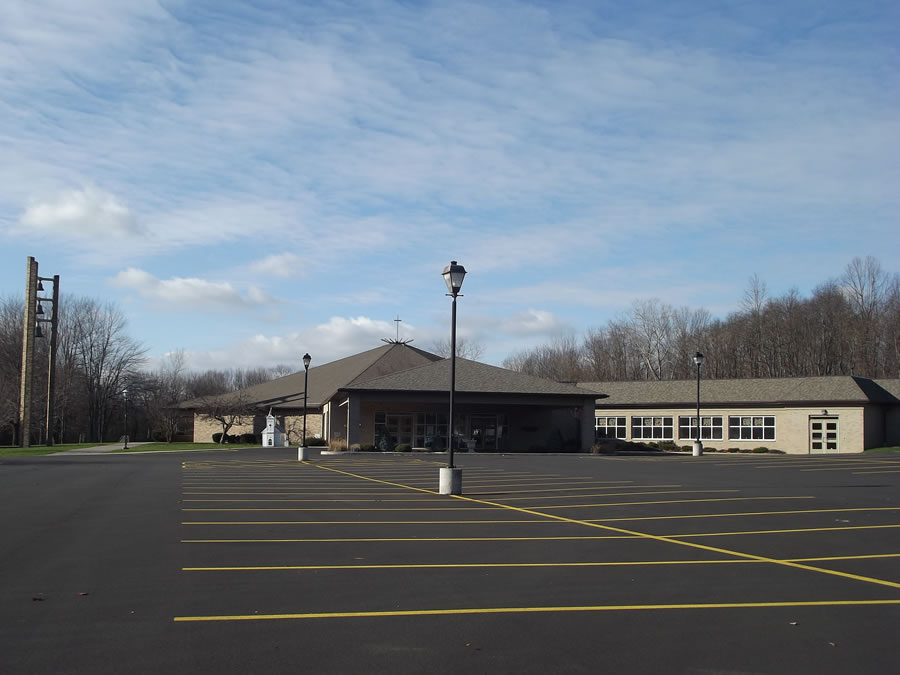
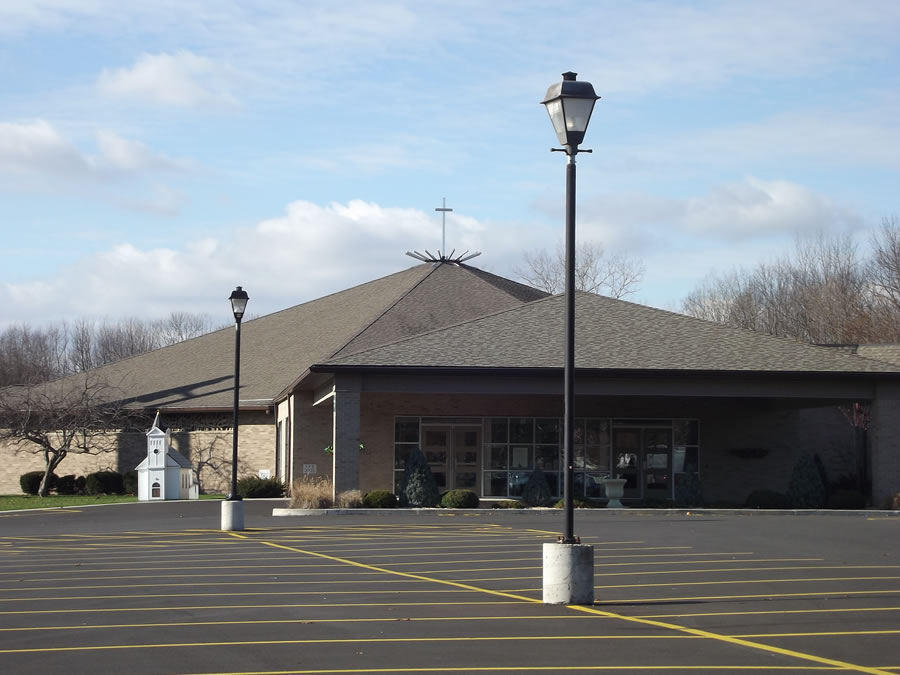
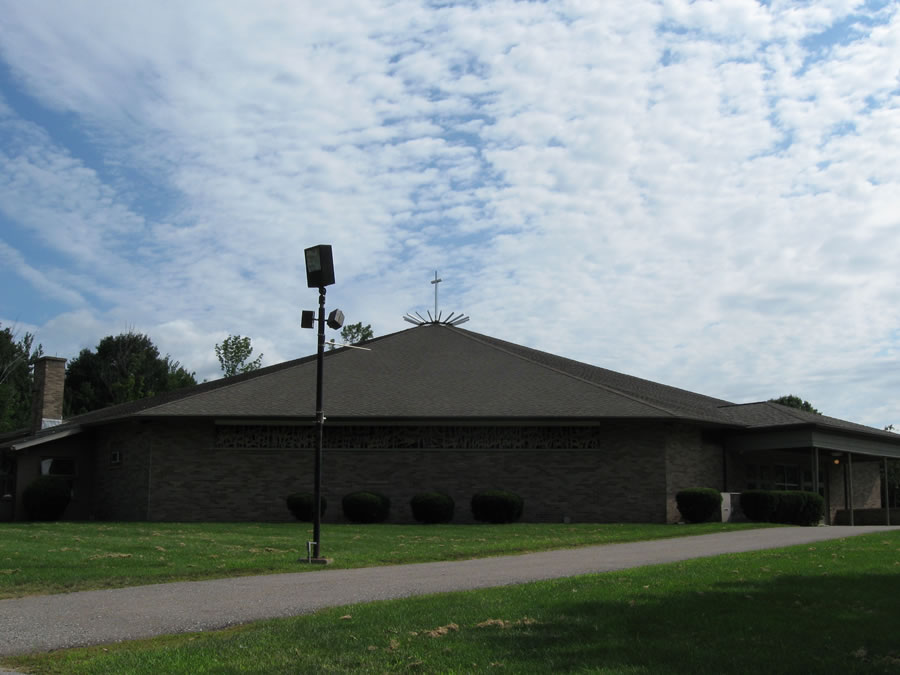
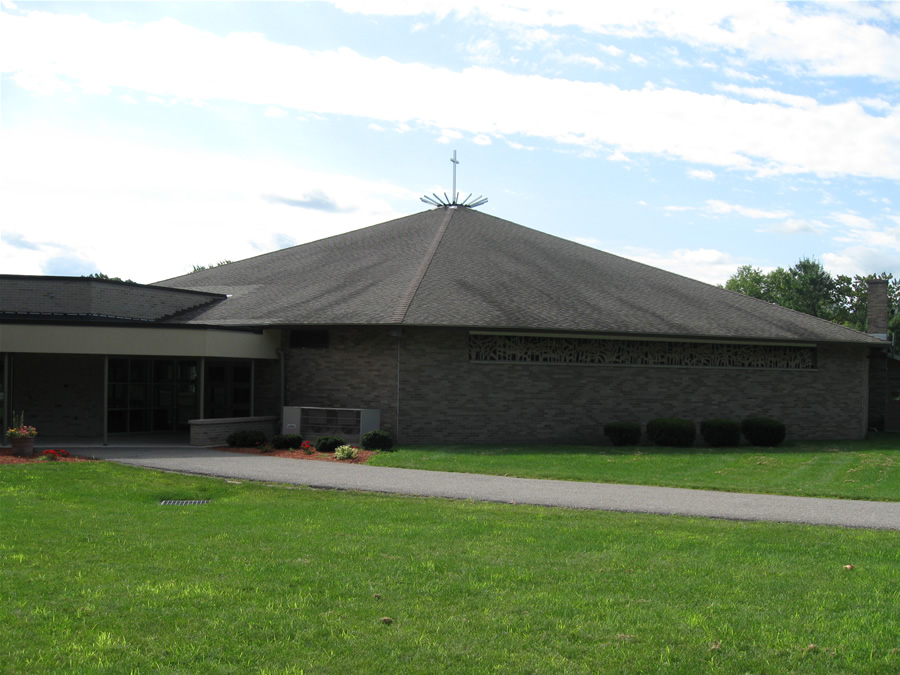
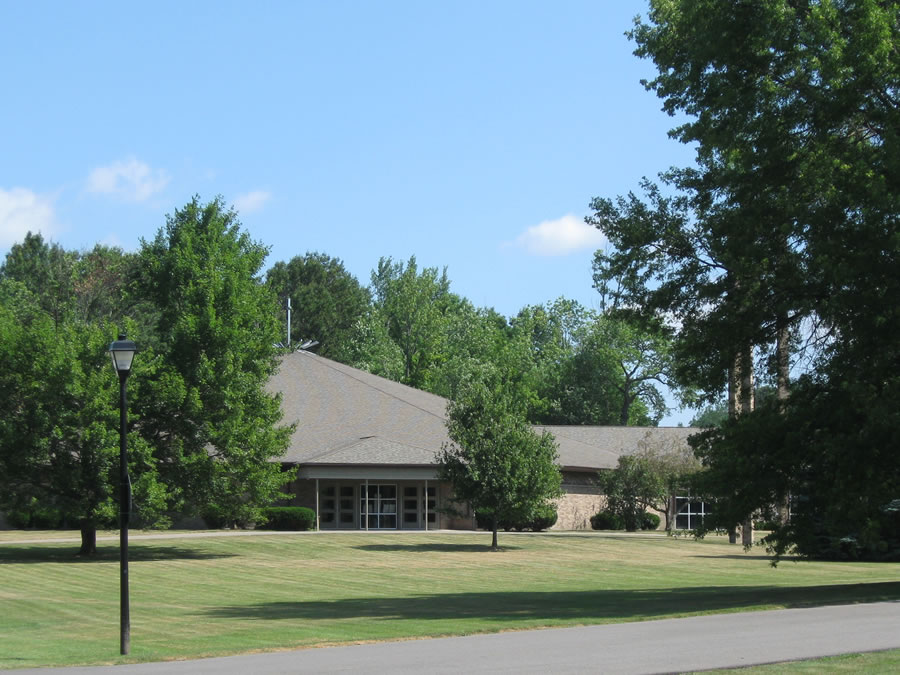
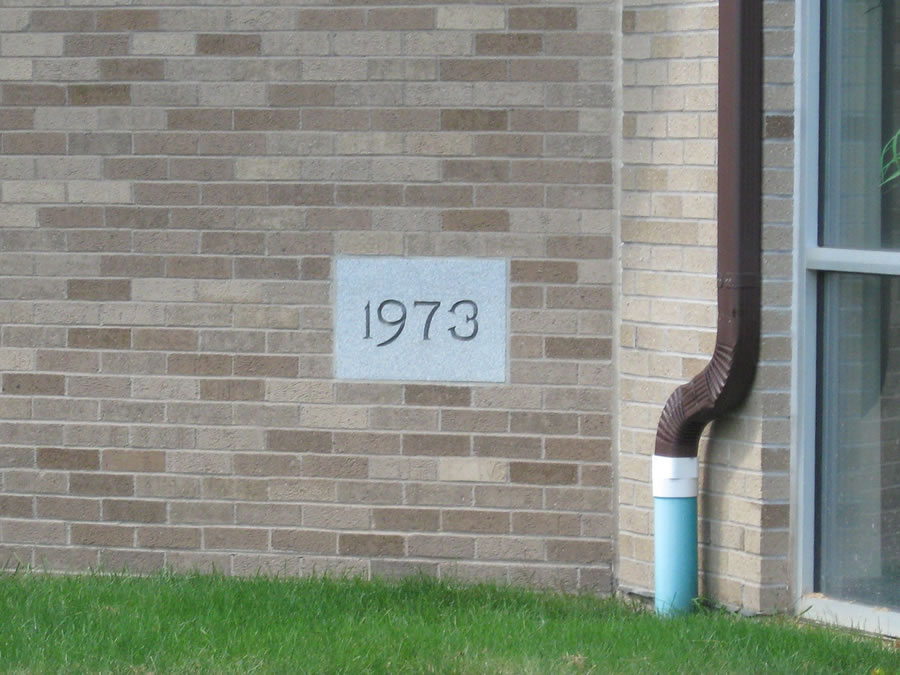
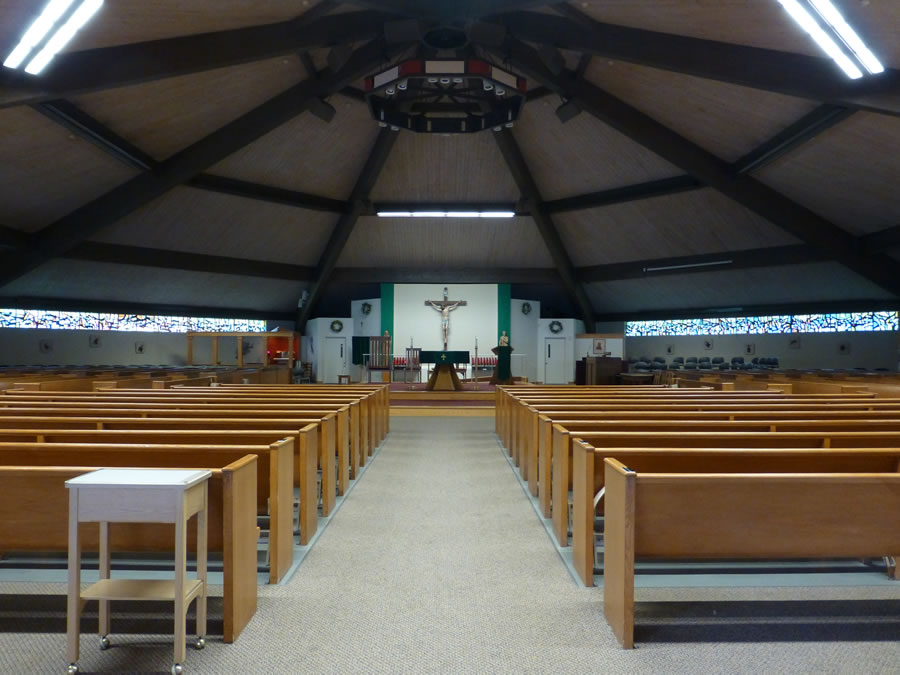
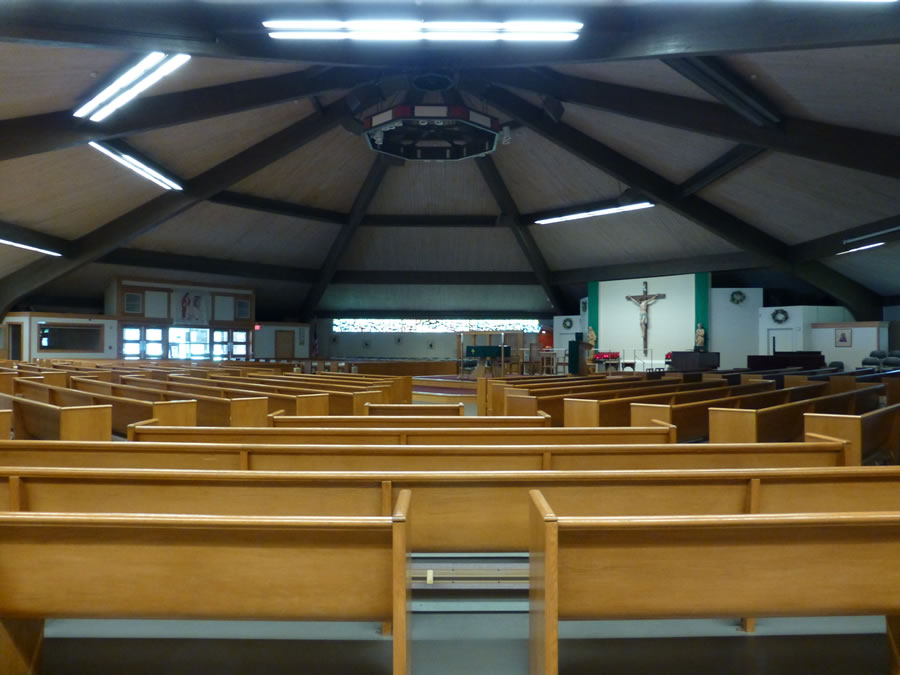
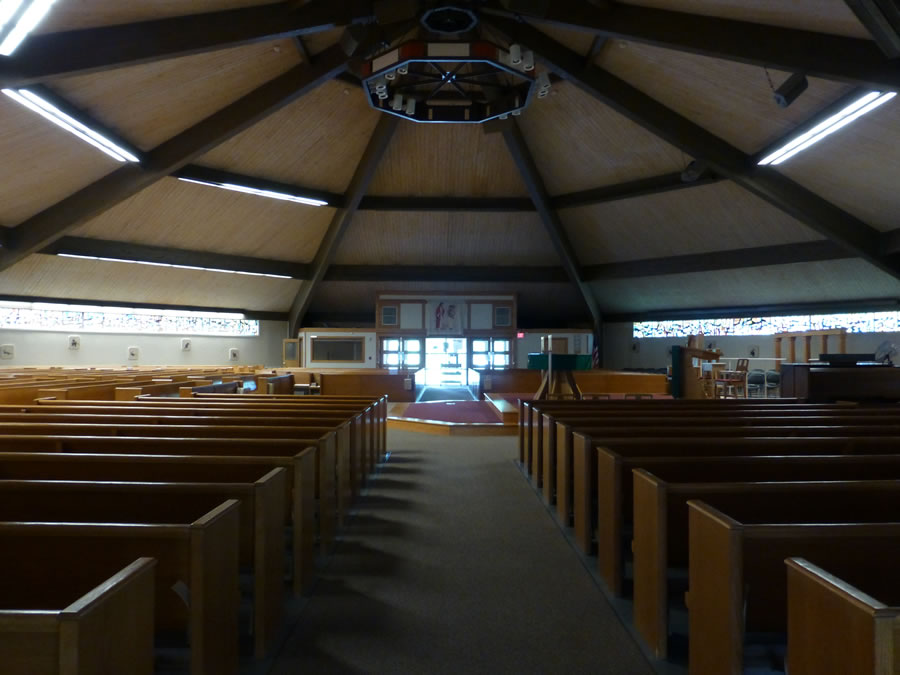
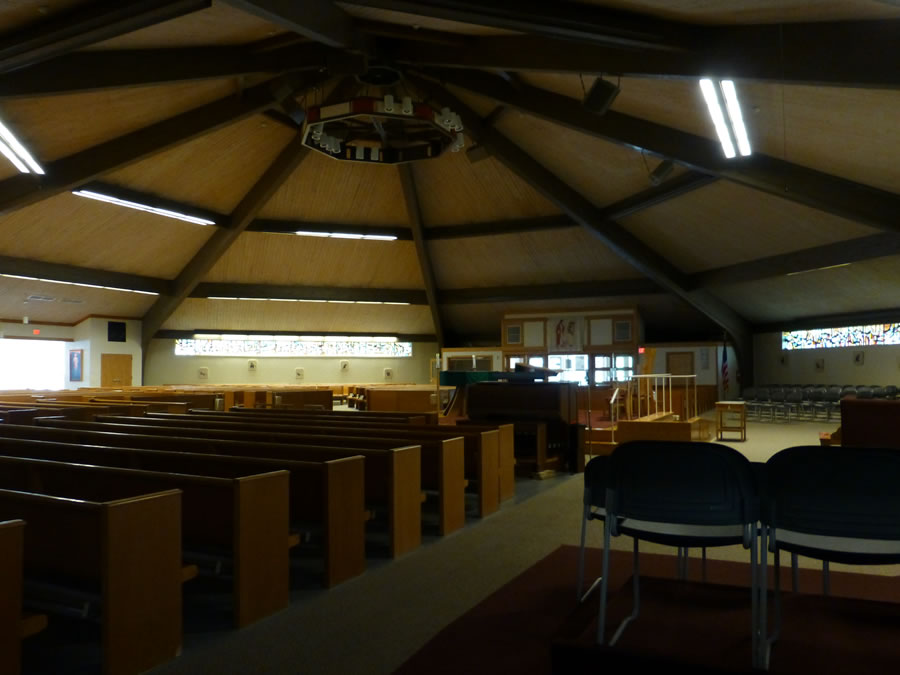
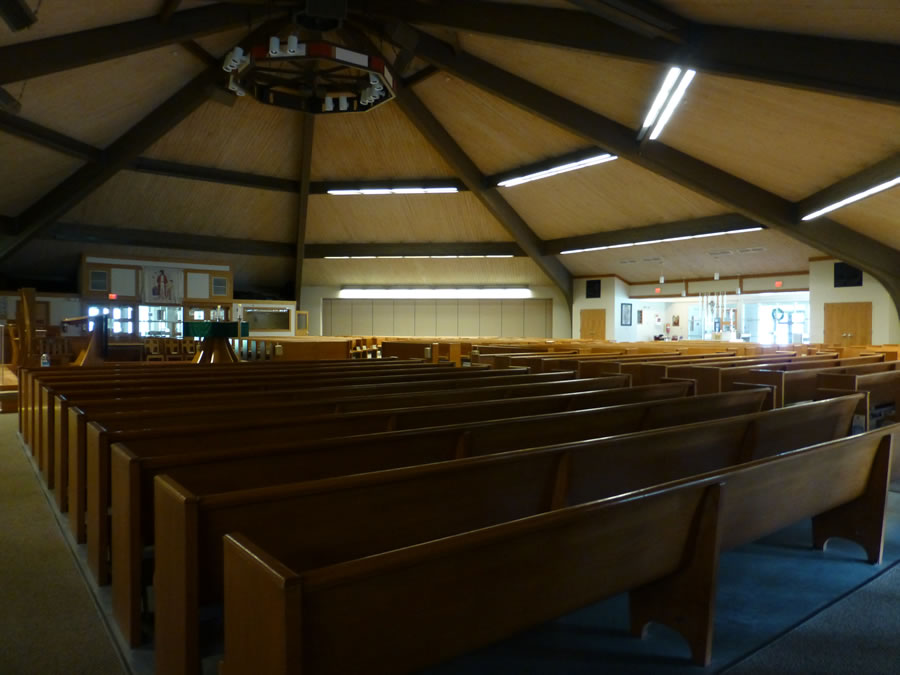
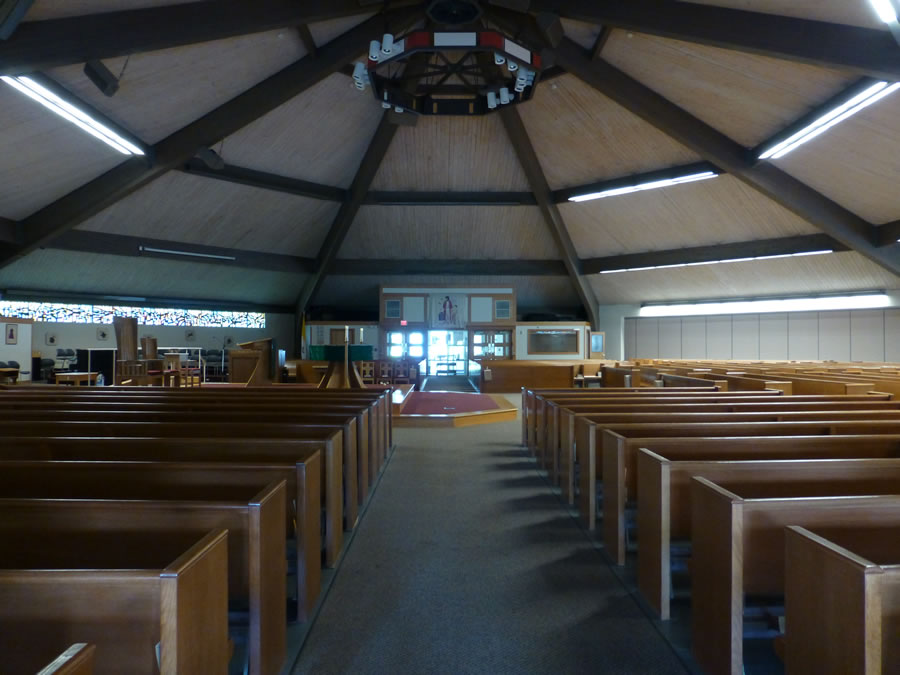
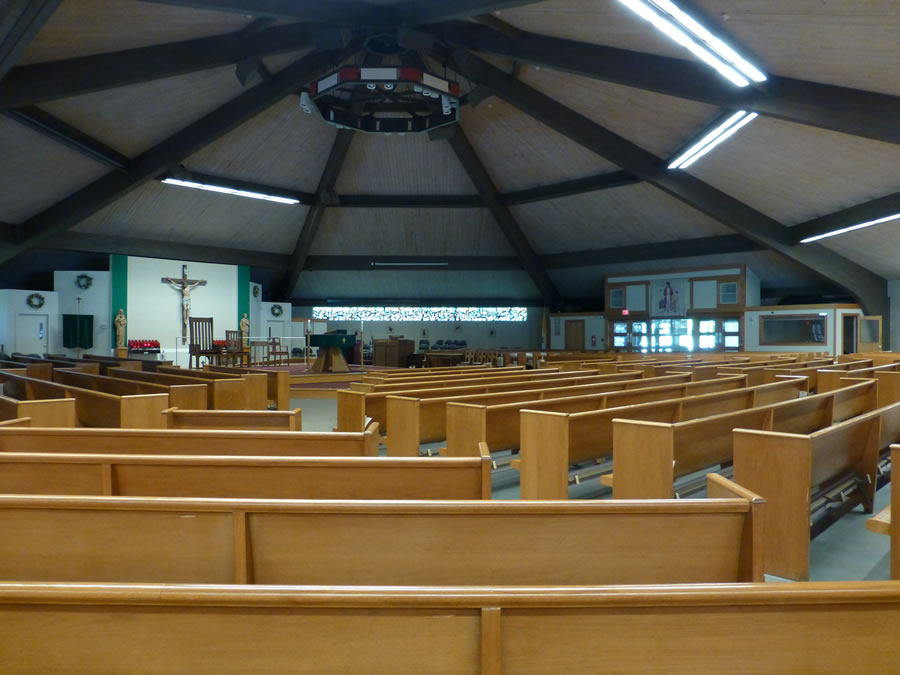
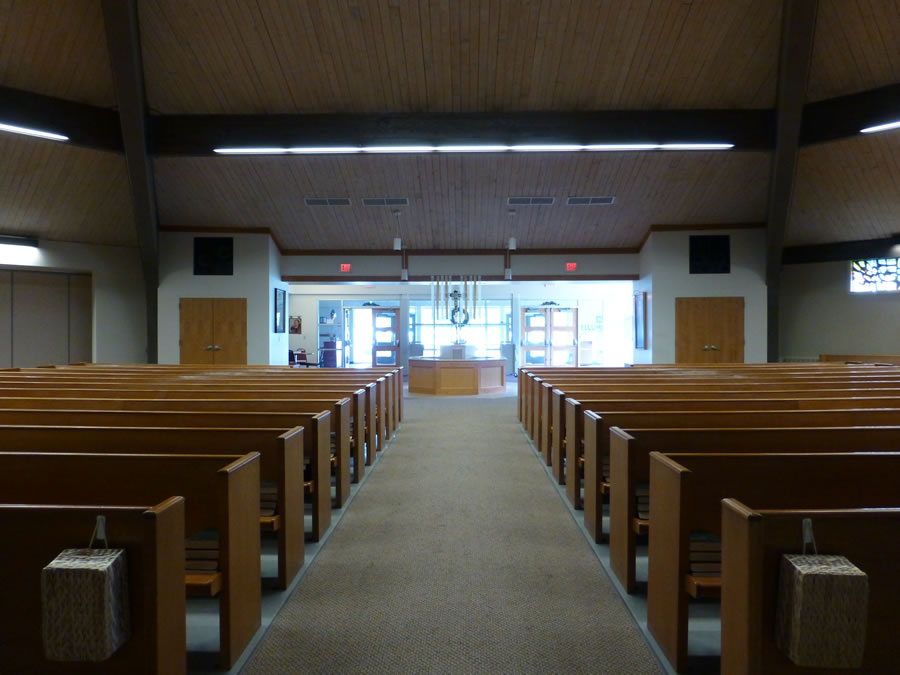
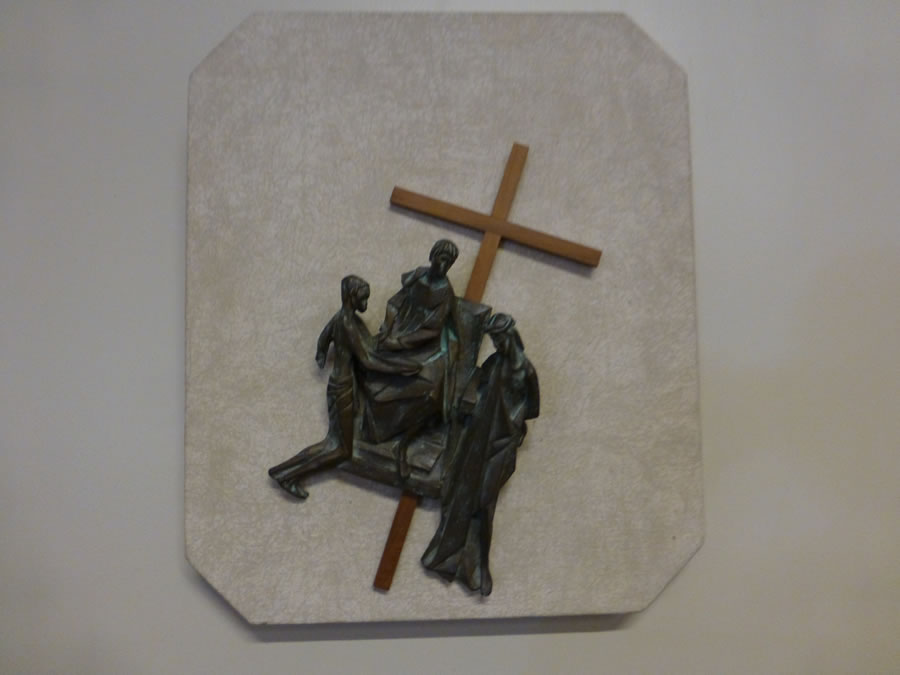
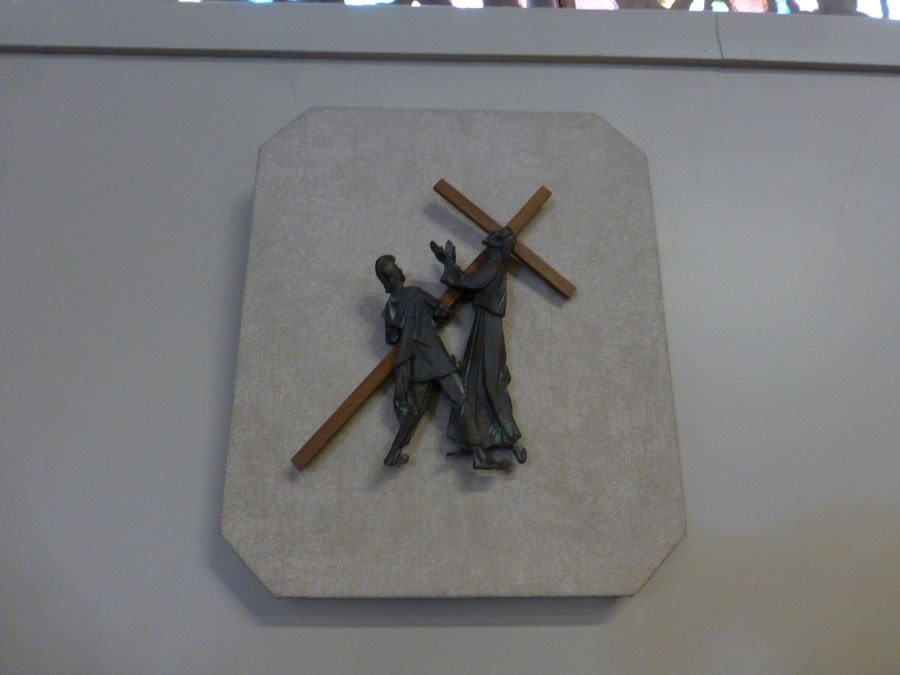
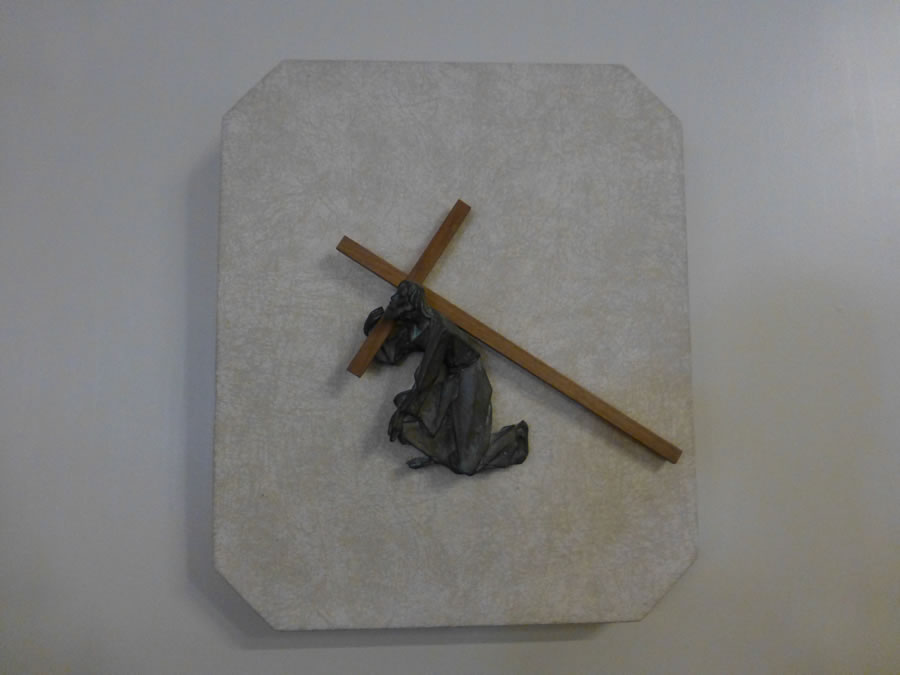
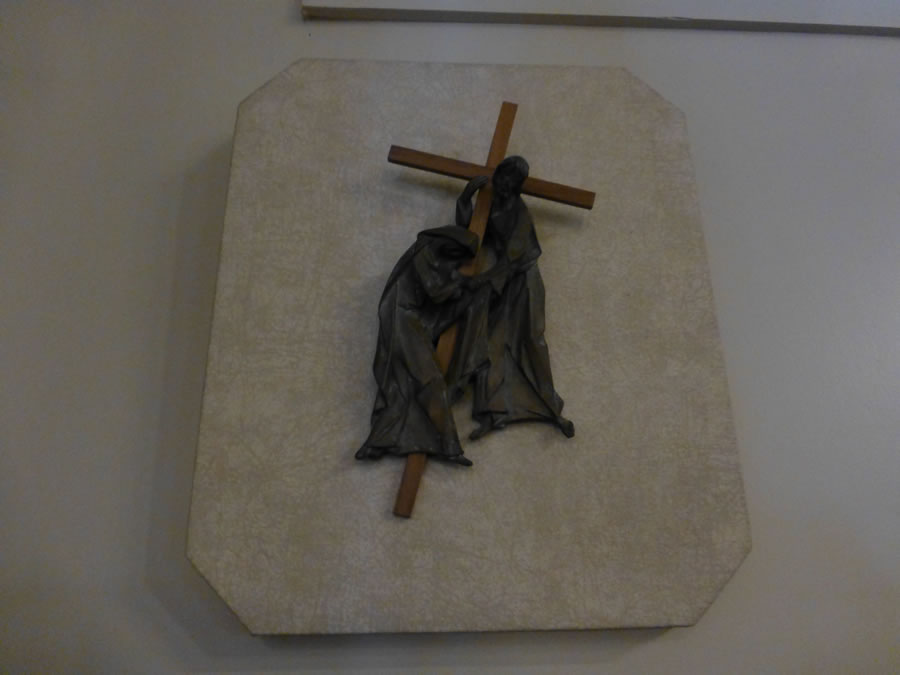
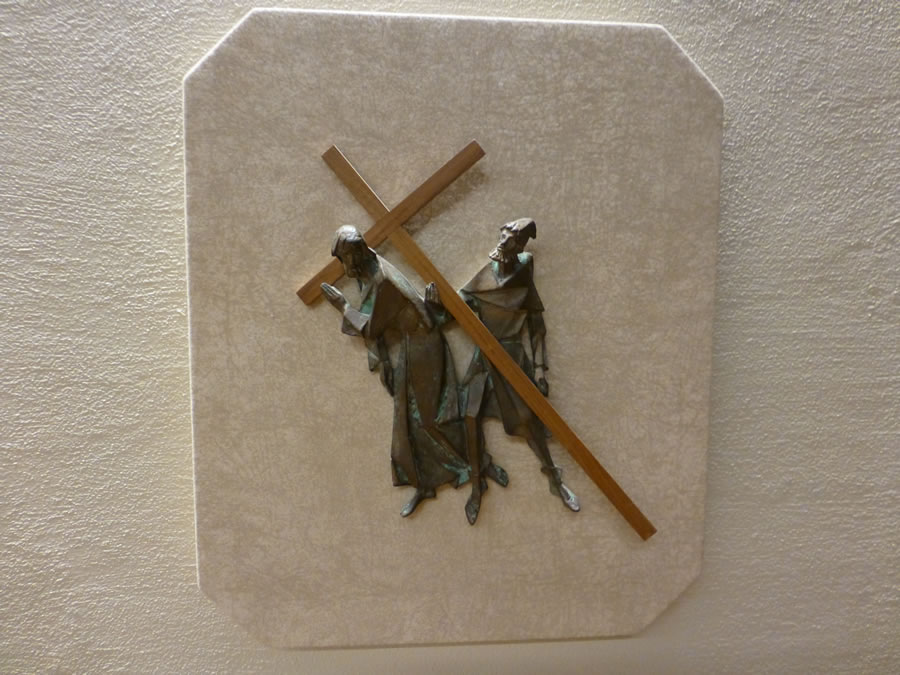
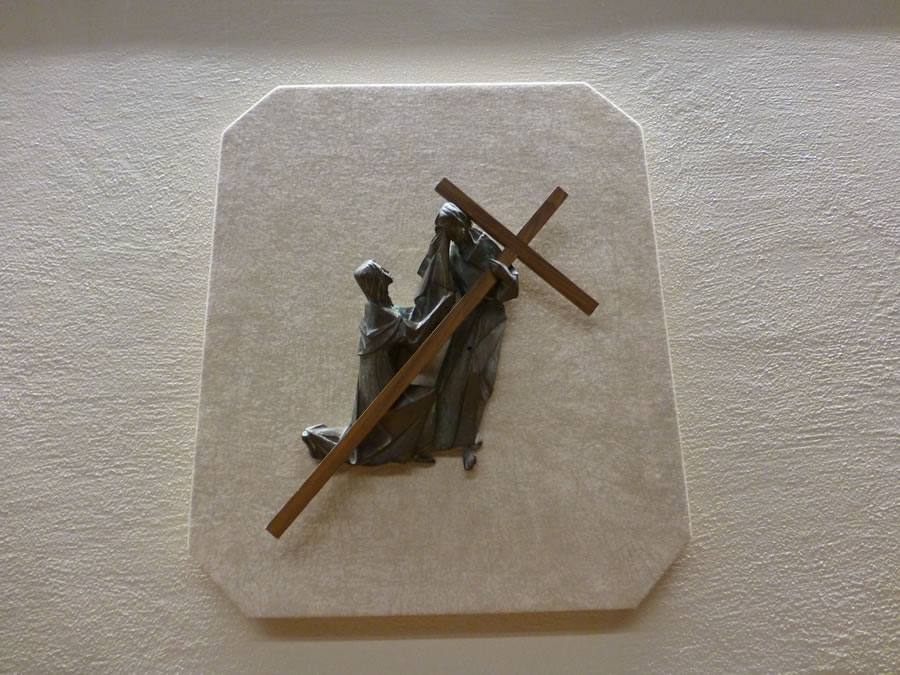
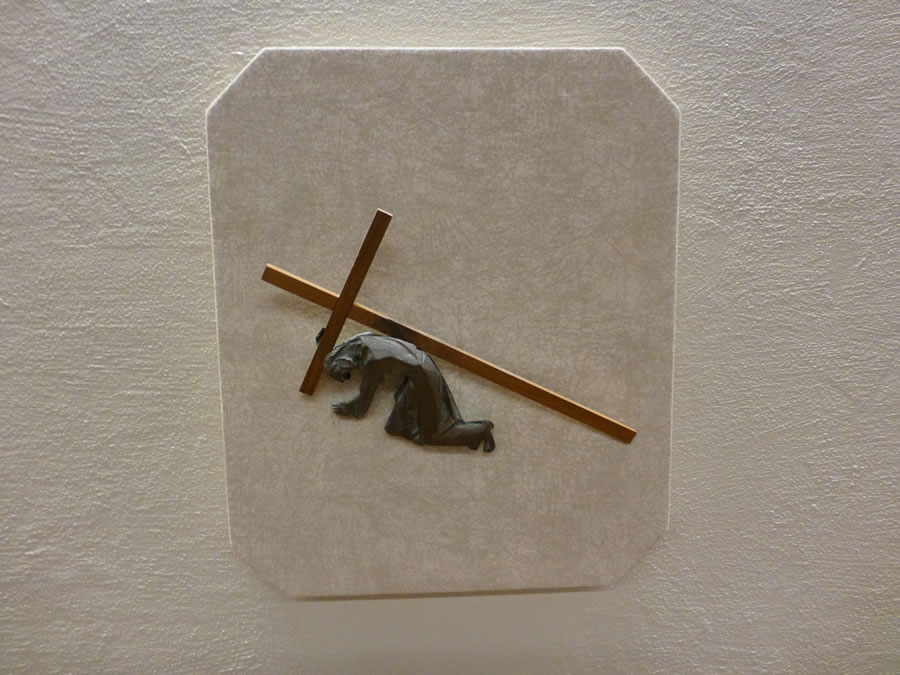
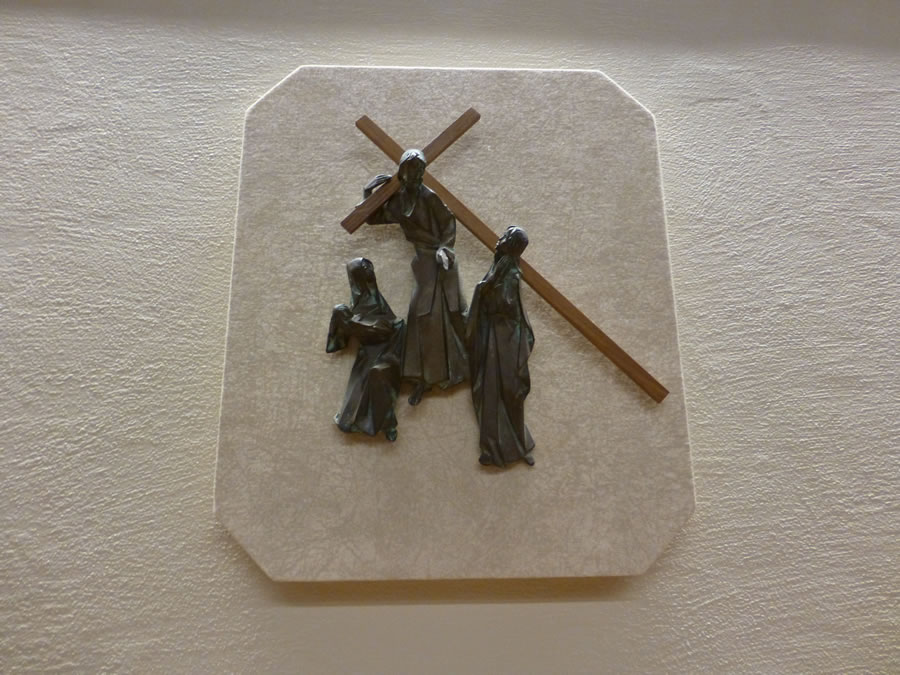
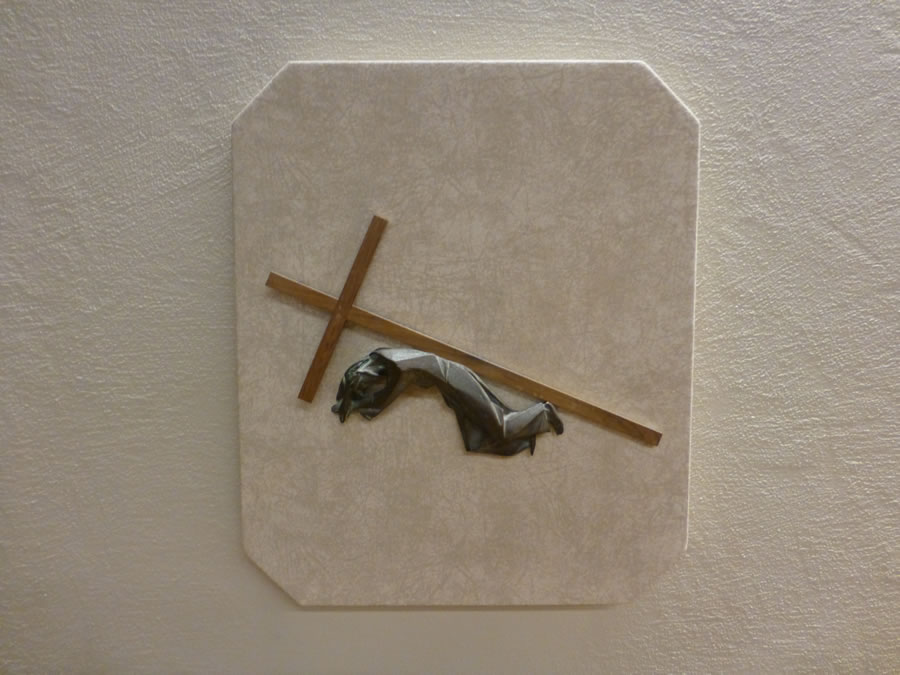
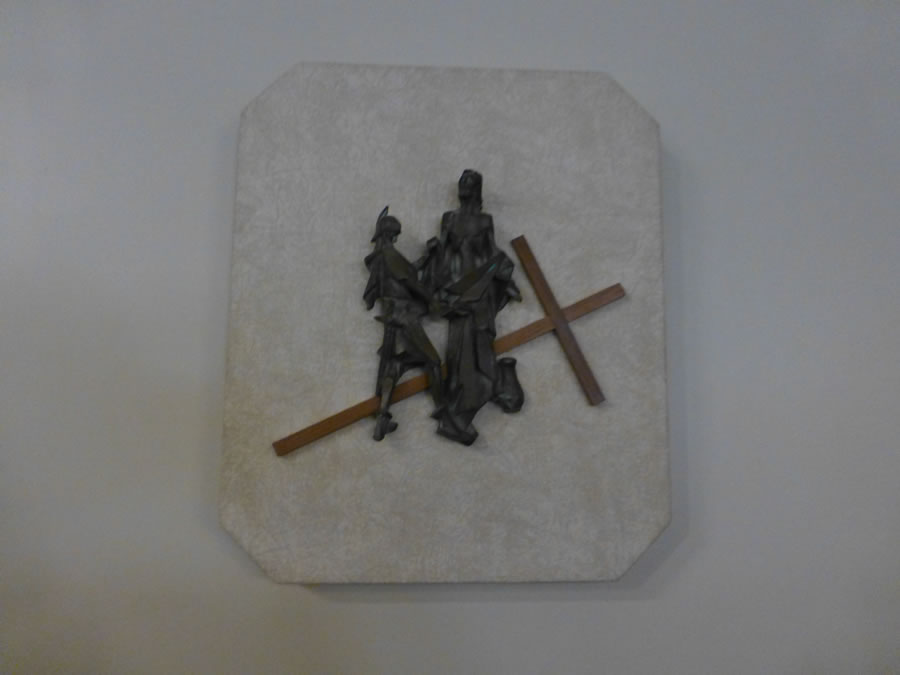
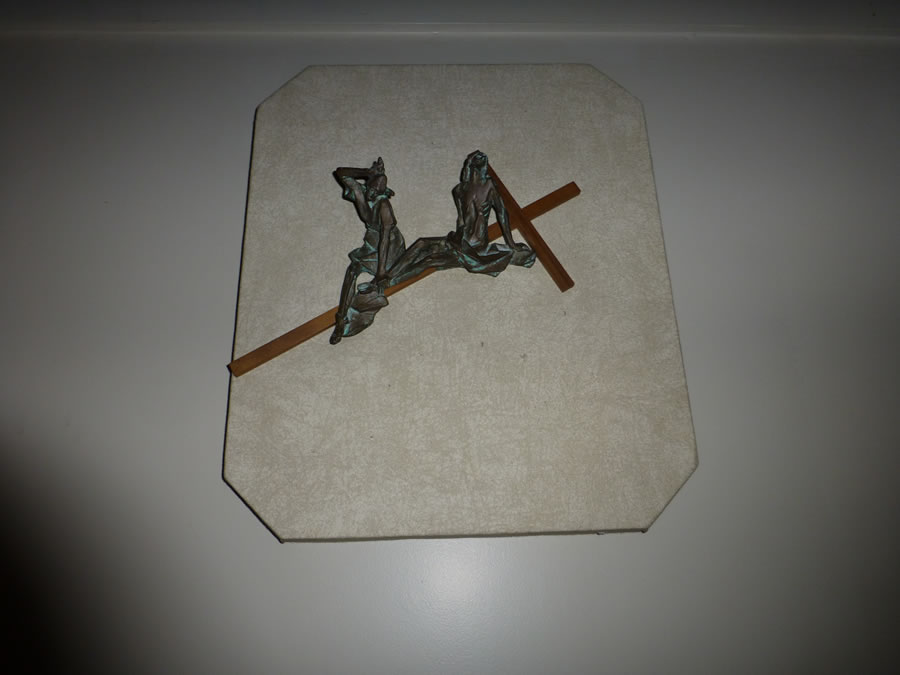
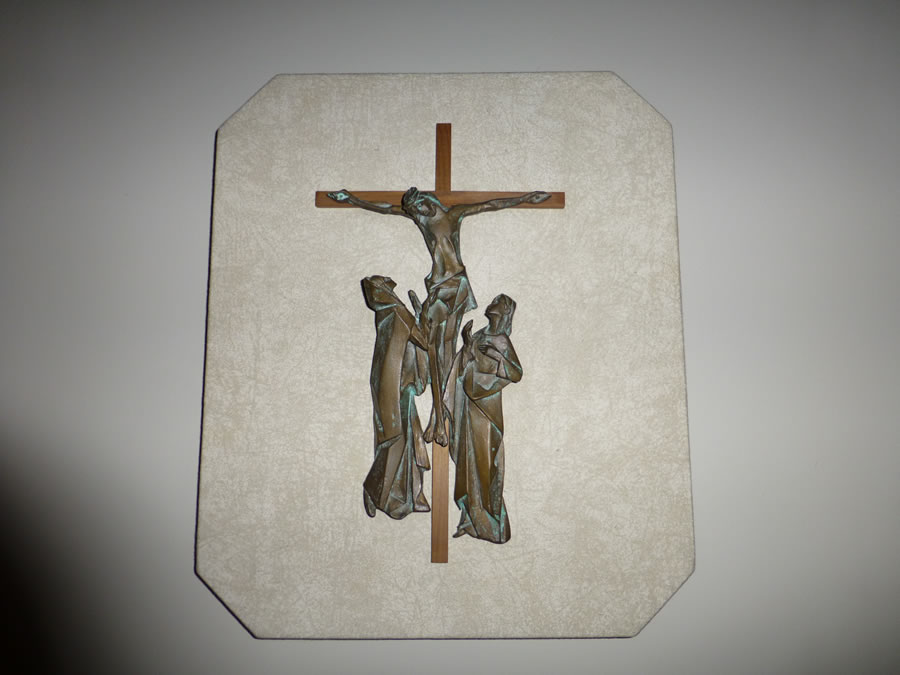
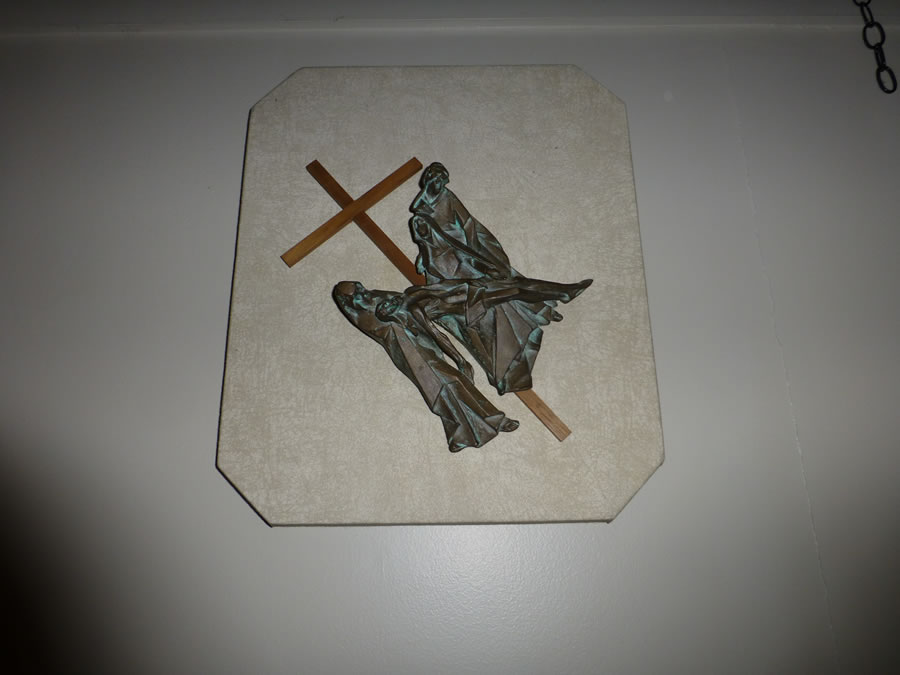
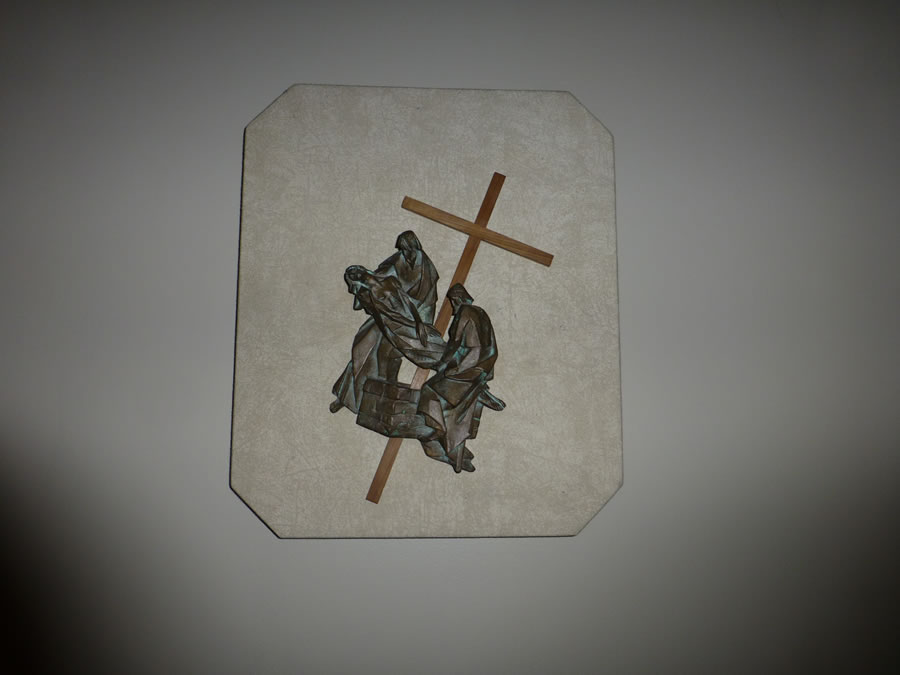
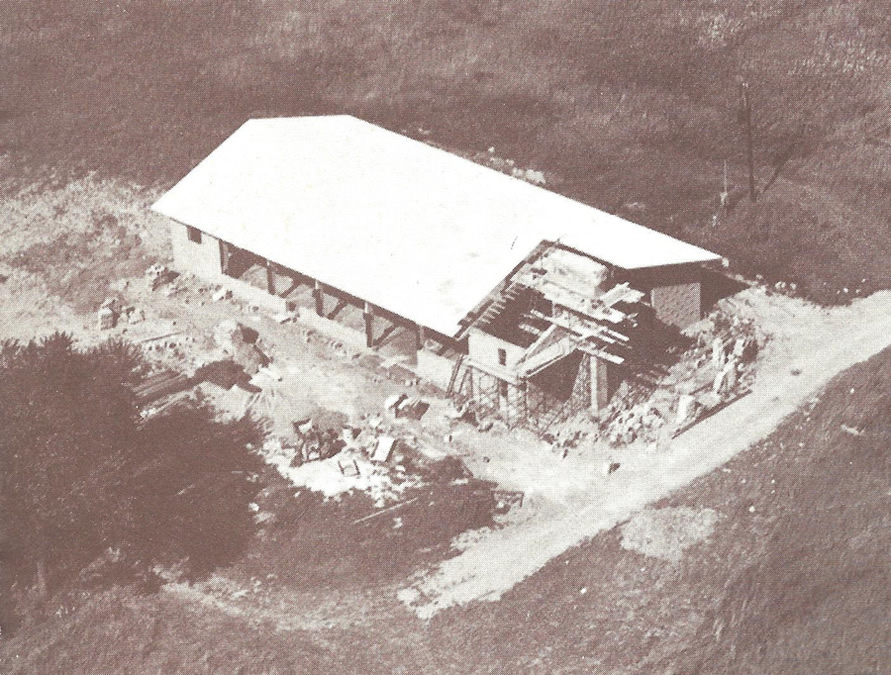
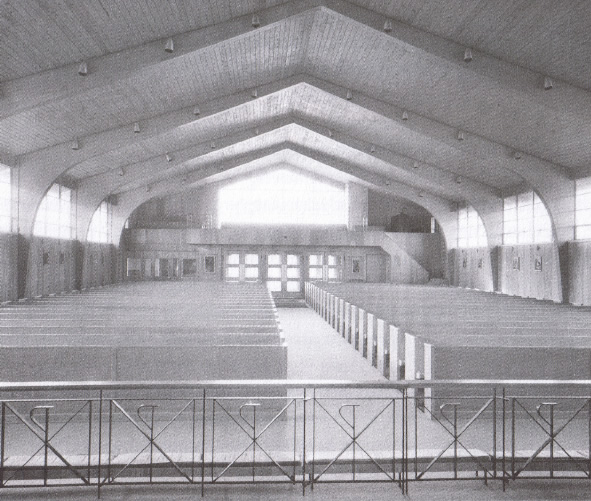
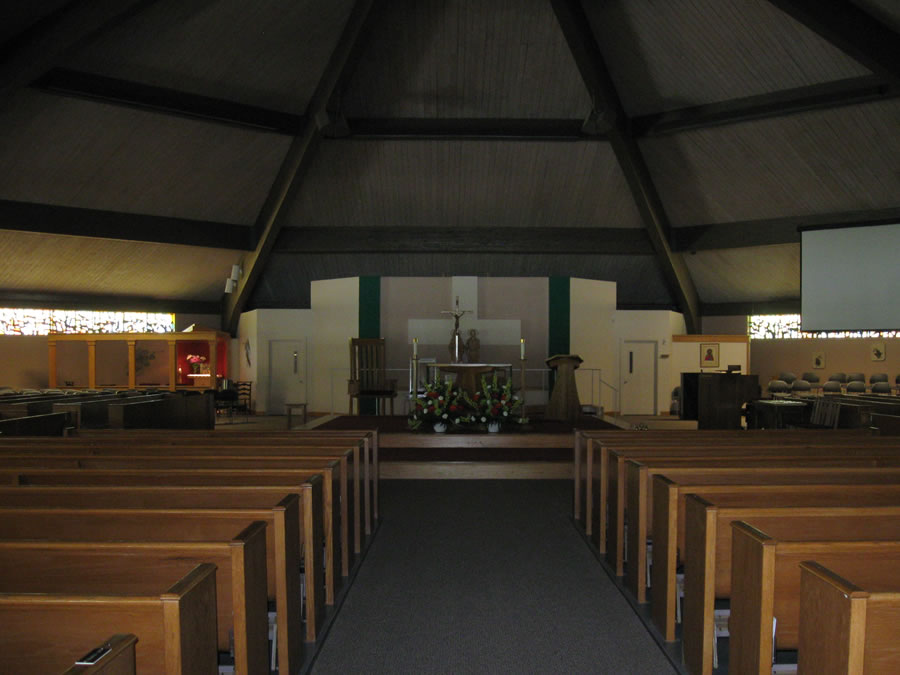
Sustained expansion led Ven. Fulton J. Sheen to authorize a new St. Pius X church on June 24, 1970. The octagonal architecture drew inspiration from a Buffalo Diocese church. Ground was broken Aug. 18, 1970. Items symbolizing parishioners' various national backgrounds were incorporated into each supporting arch. The first Masses in the new structure were offered Jan. 26, 1971, and the previous church was converted into a school gymnasium. New Stations of the Cross went up in July 1972. Bp. Hogan performed the dedication in May 1973, and the bell tower was completed later that year.
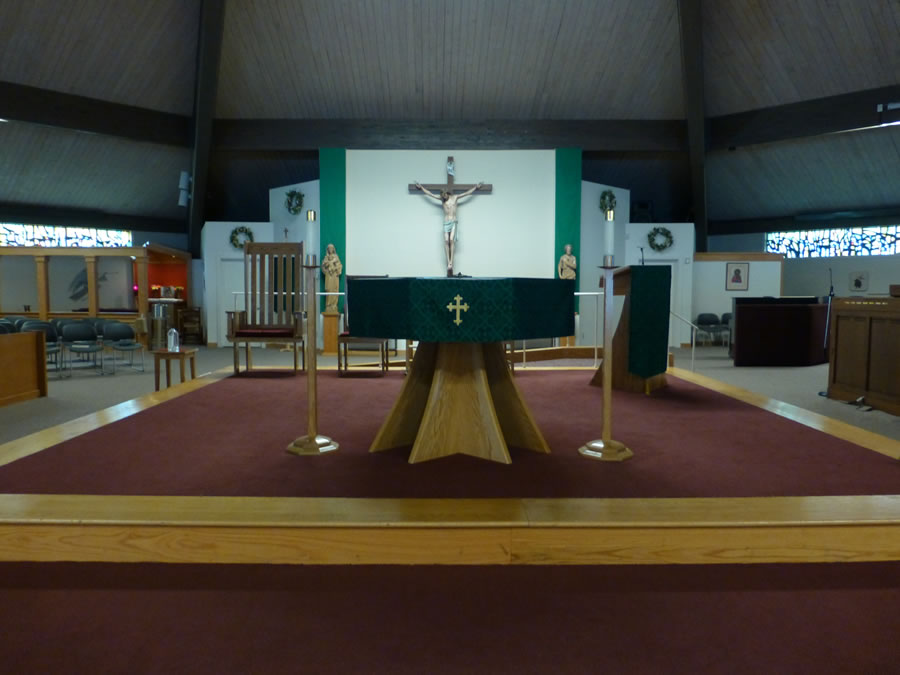
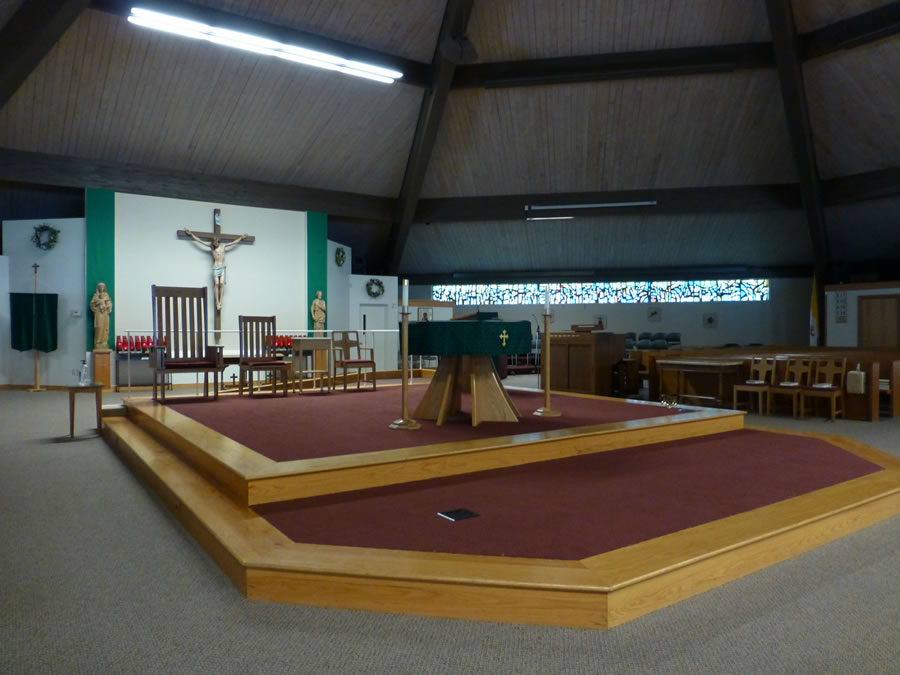
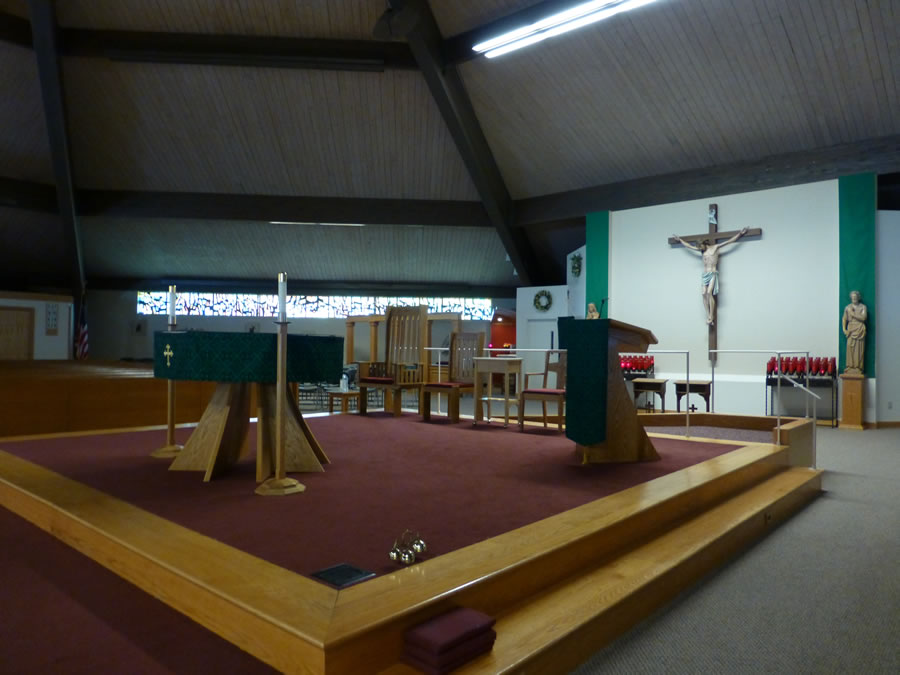
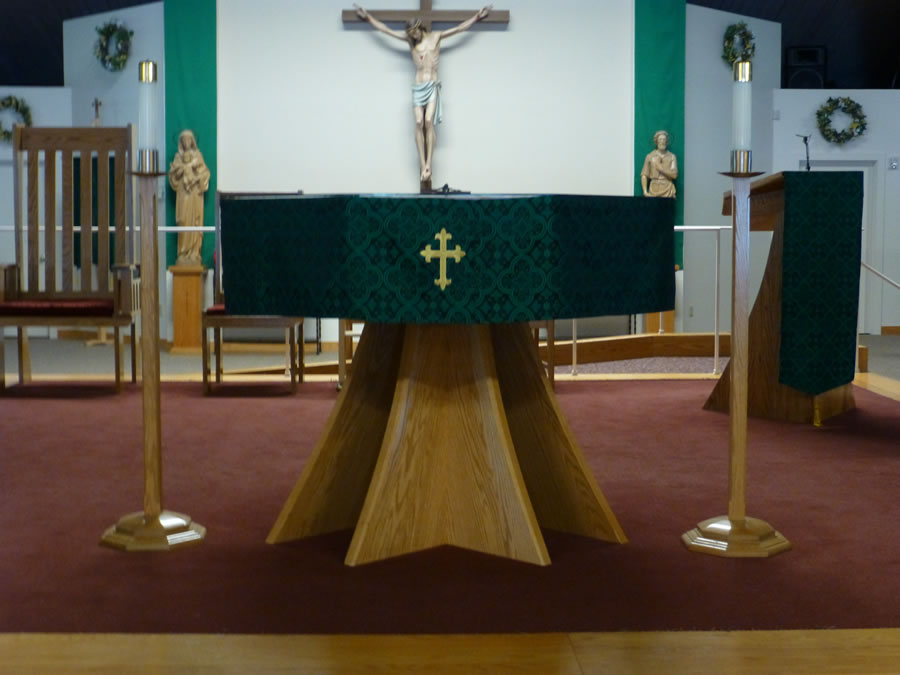
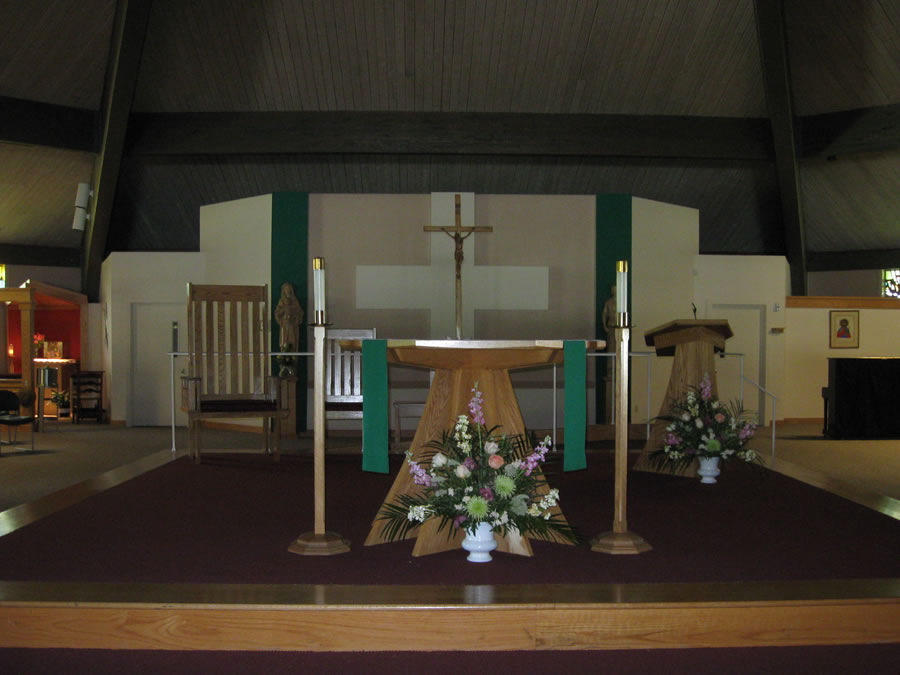
In the decades that followed, St. Pius X expanded dramatically to become one of the diocese's largest parishes—exceeding 2,400 families and 7,000 parishioners by 2000. Renovations in summer 1997 included adding a wall behind the altar, substituting the marble Abbey altar with an octagonal wooden one, reconfiguring the pews, and moving the tabernacle to the left side. During the work, Masses were temporarily held at the Party House on Beahan Rd.
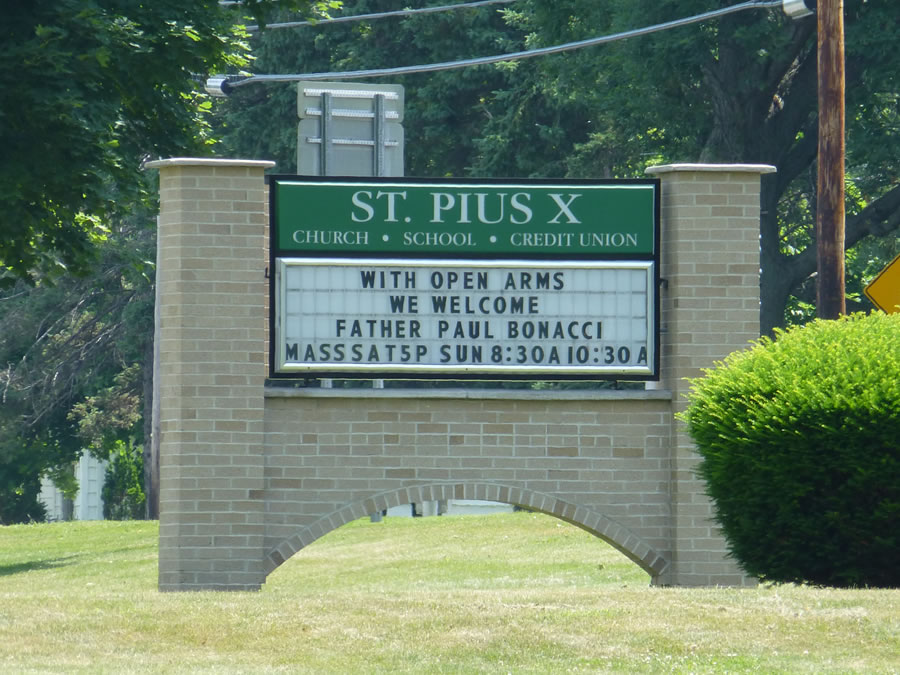
A shortage of priests and no applicants for the vacant pastorate resulted in St. Pius X being assigned to lay pastoral administrator William Rabjohn (who was later ordained a deacon) in June 2010. Following Dn. Rabjohn's departure, Rose Davis served as interim lay administrator during summer 2013. The return of priestly leadership came on June 24, 2014 with Fr. Paul Bonacci's appointment.
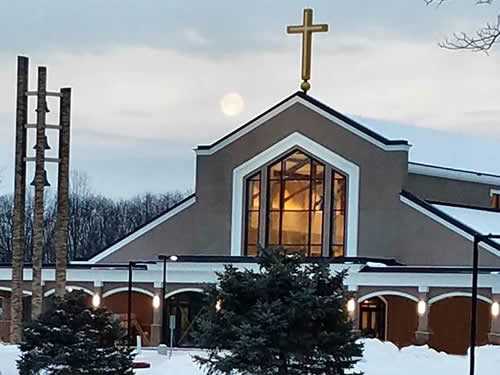
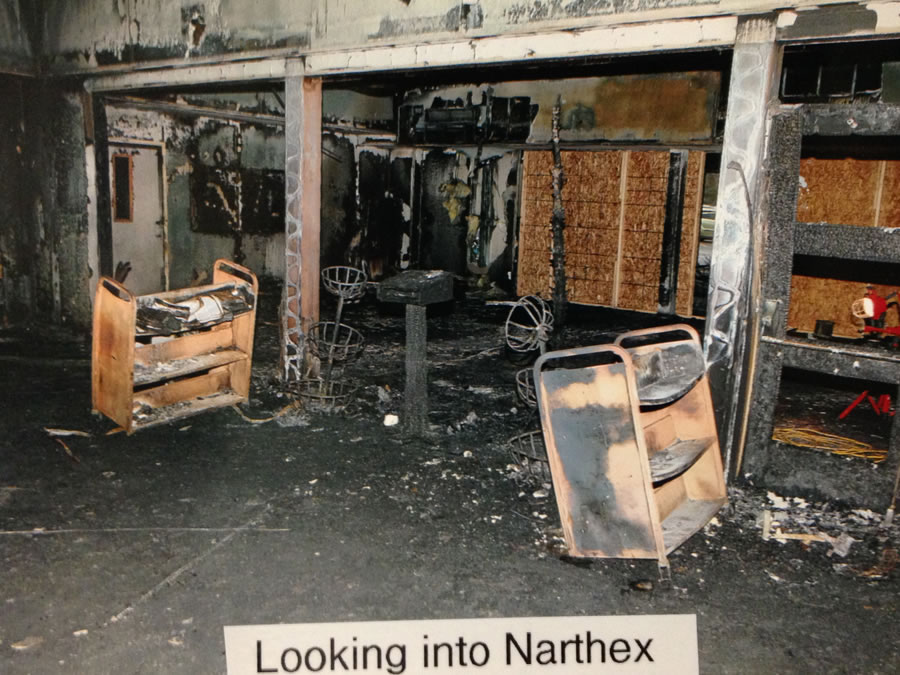
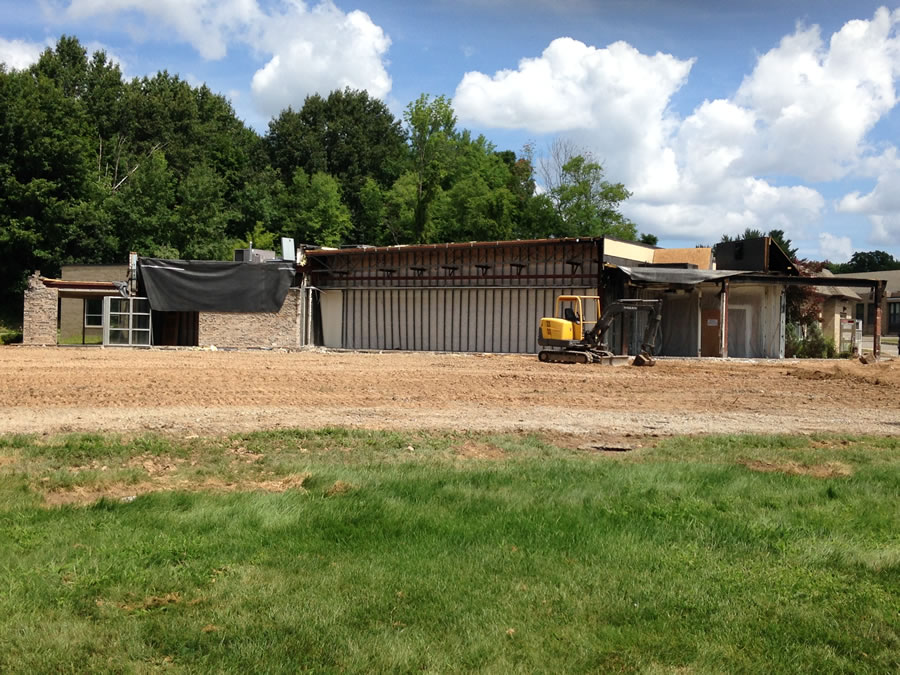
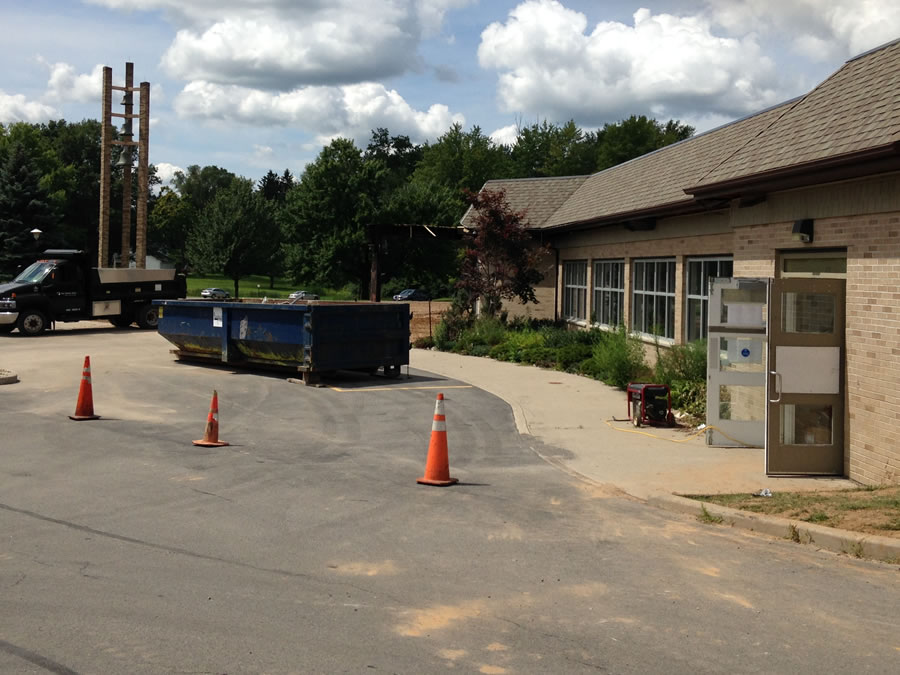
Disaster befell the St. Pius X community on New Year's Day 2015 when fire broke out in the narthex around 11:45 PM, causing extensive interior damage. Following deliberations, the parish disclosed on Feb. 22nd that the church would be torn down and reconstructed. The fire-damaged building was demolished, and a replacement church was built on the same location. Parishioners gathered in the adjacent parish hall while construction proceeded. The new church welcomed worshippers in Spring 2018 and received its formal dedication from Bishop Salvatore Matano on March 19, 2018.
Exterior Photographs
Former Church
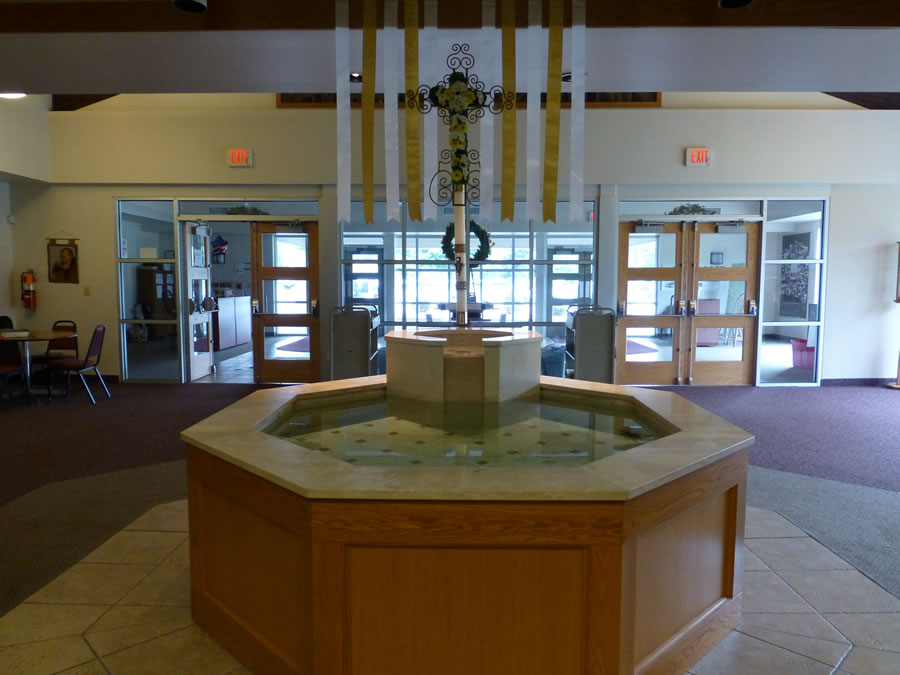
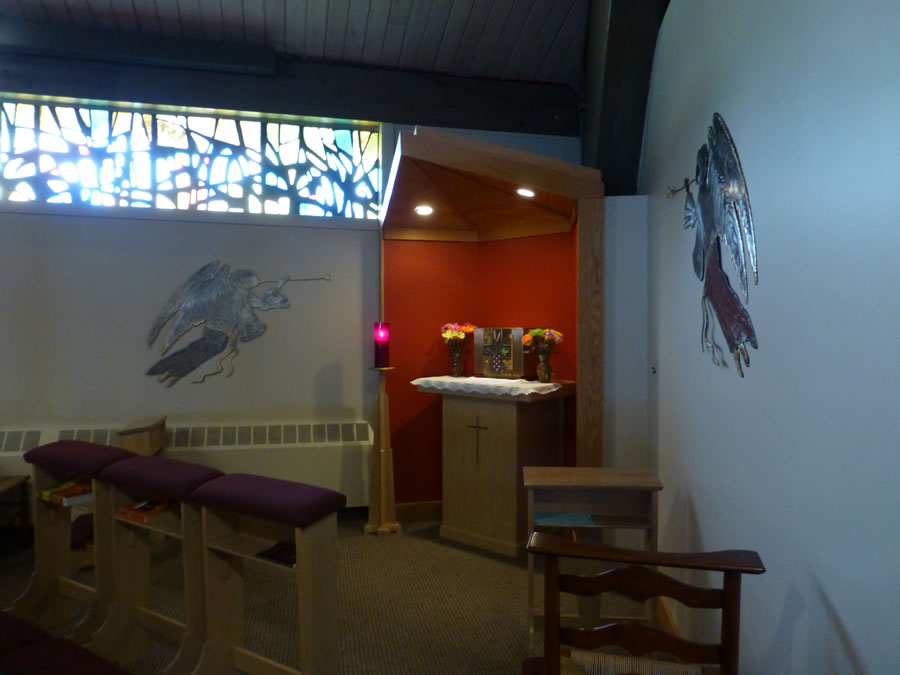
Interior Photographs
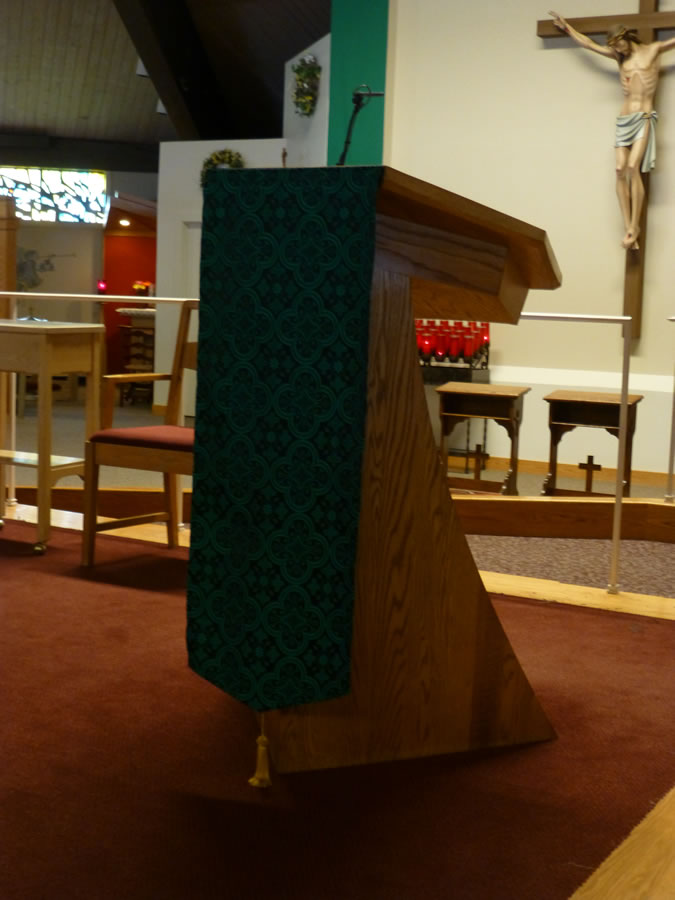
Interior - Former Church
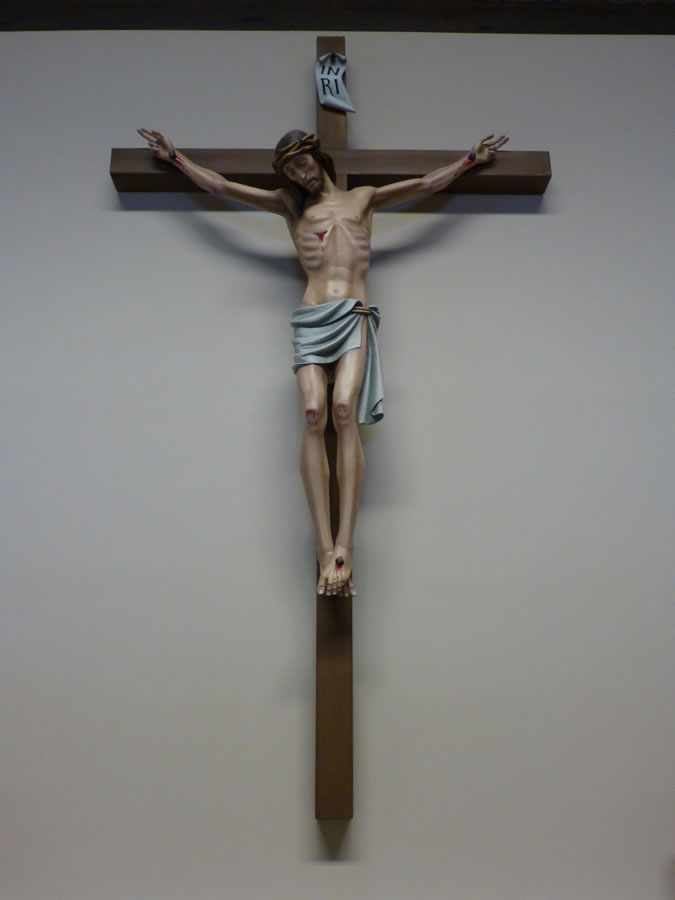
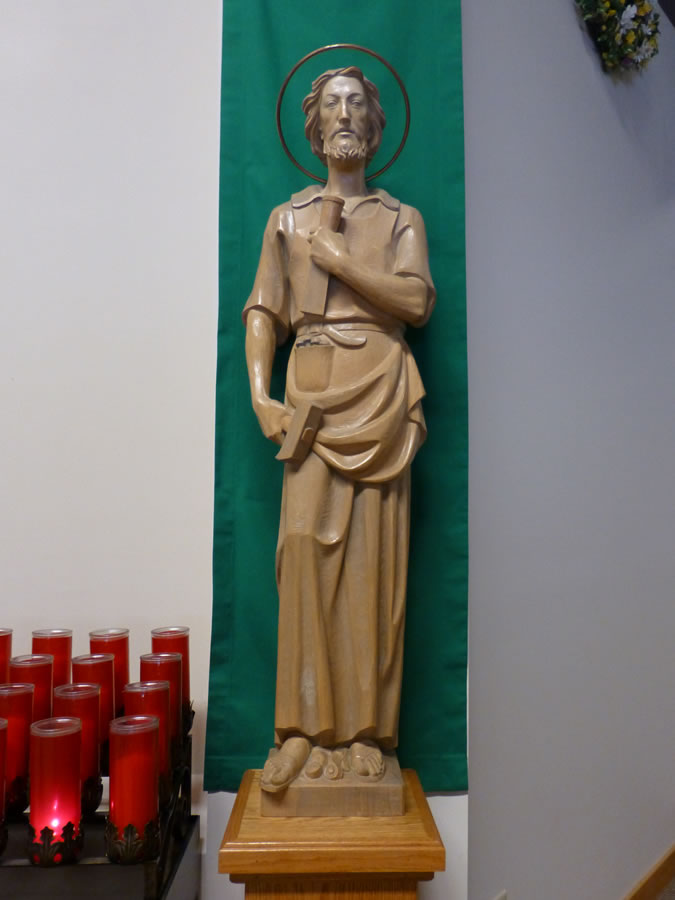
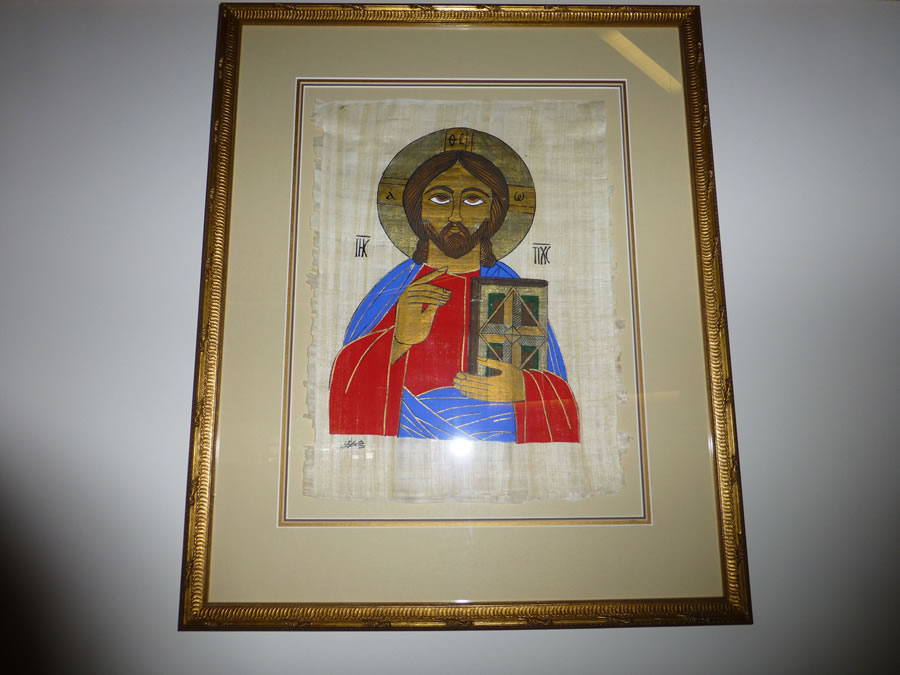
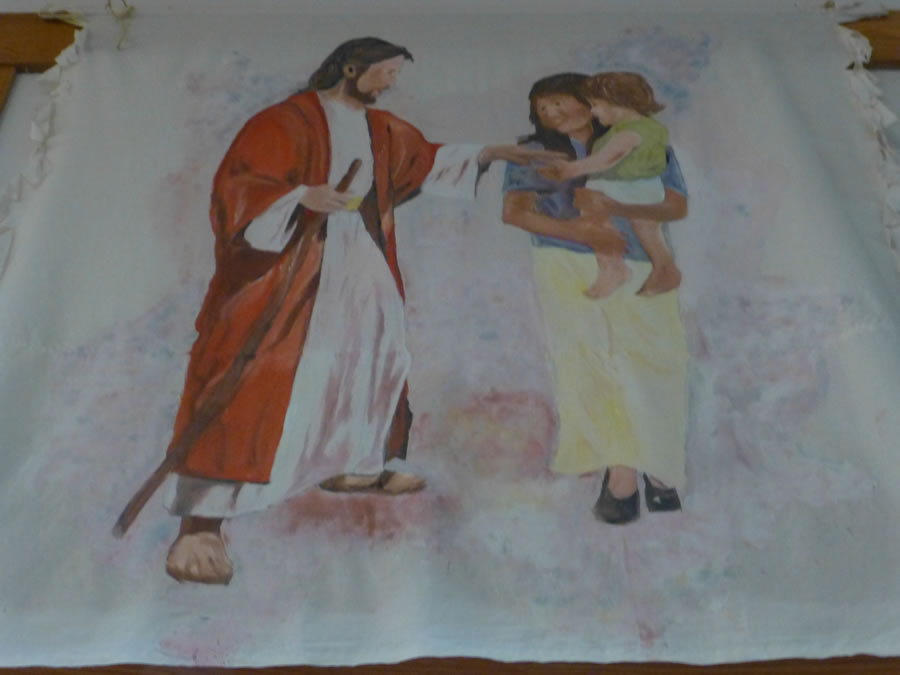
Stations of the Cross - Former Church
Historical Photographs
St. Fechan (predecessor to St. Pius X)