St. Thomas the Apostle
ActiveIrondequoit, Monroe County
The history of St. Thomas the Apostle begins in 1907 with the founding of St. George summer chapel on St. Paul Boulevard in Summerville. Expansion of this small community, along with expected suburban growth in Irondequoit, led Bp. Thomas Hickey to create a new parish on July 21, 1922, which would be named St. Thomas the Apostle. Fr. John Muckle was appointed as the founding Pastor. The parish territory stretched from Lake Ontario to the north, the Genesee River to the west, Oakview Drive to the east, and Titus Avenue to the south. These boundaries shrank in 1929 with St. Margaret Mary's establishment to the southwest, and again in 1957 when Christ the King was founded to the southeast—leaving the parish with just one-third of its original 1922 geographic footprint.
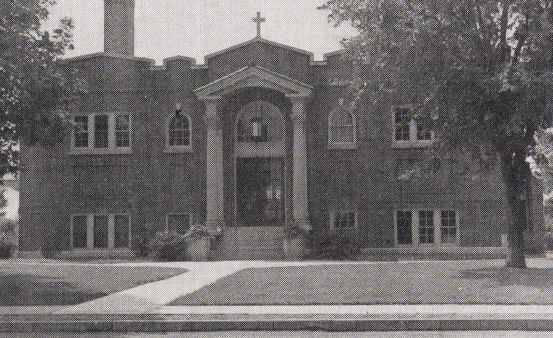
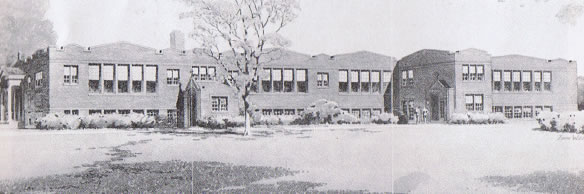
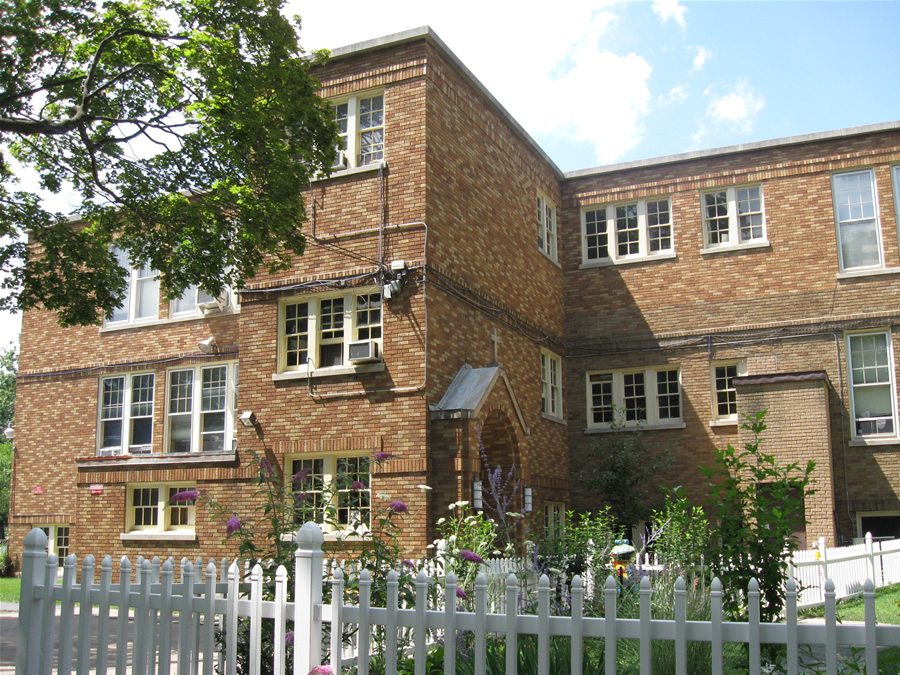
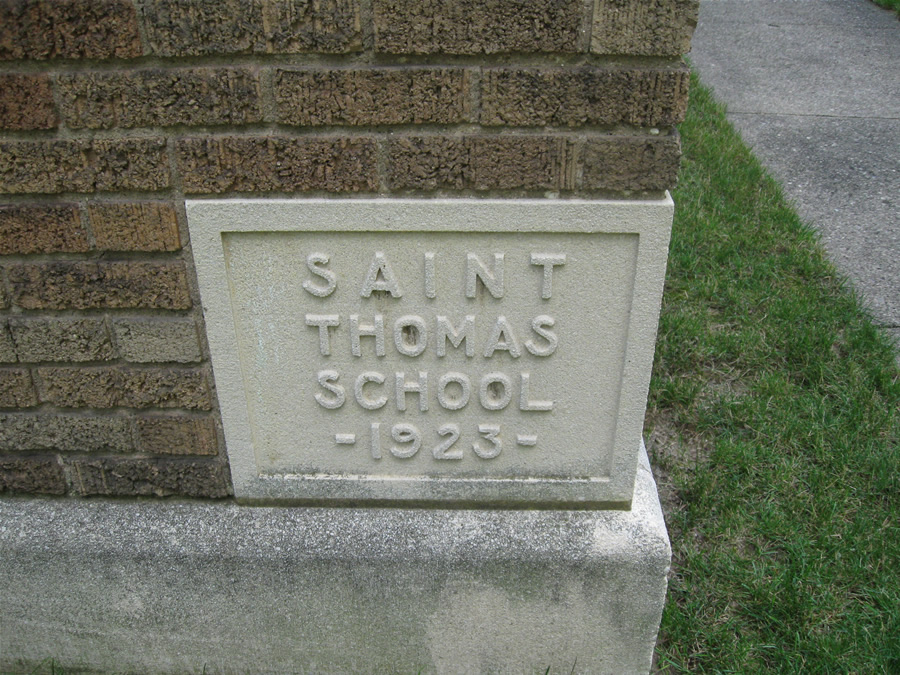
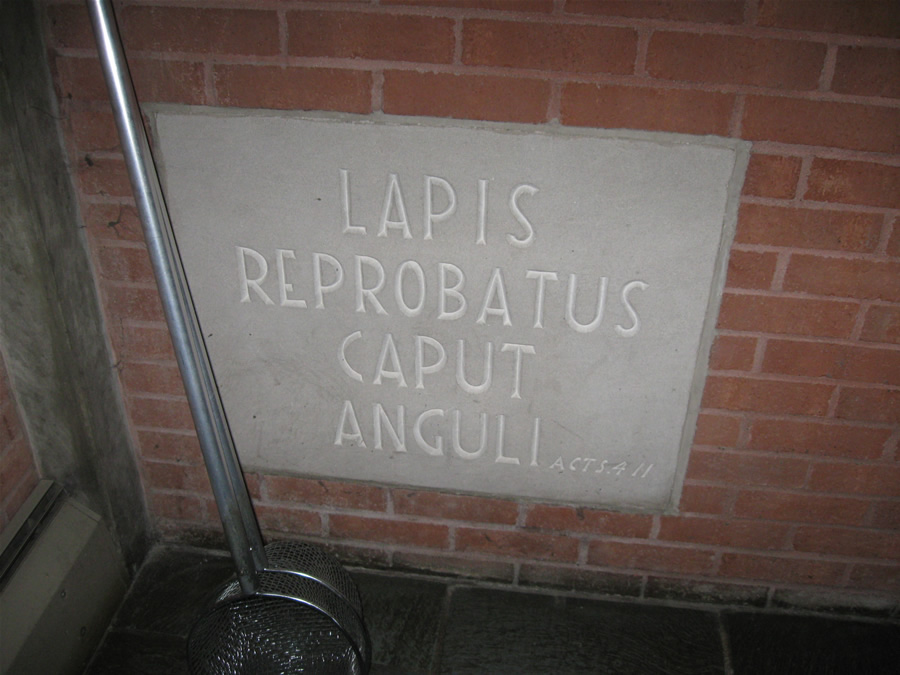
The parish was legally incorporated on August 14, 1922, and school instruction started that September. Land at St. Paul Boulevard and Cole Road (subsequently renamed Colebrook Drive) was purchased from farmer Edward J. Hohman on November 11, 1922 for $15,500. In 1923, architect Frank Frey was hired to design a school building. Additional space was secured through a February 1923 purchase of an adjacent lot. The groundbreaking ceremony occurred April 23rd, and the cornerstone was laid June 24th. Construction costs initially totaled $26,500.
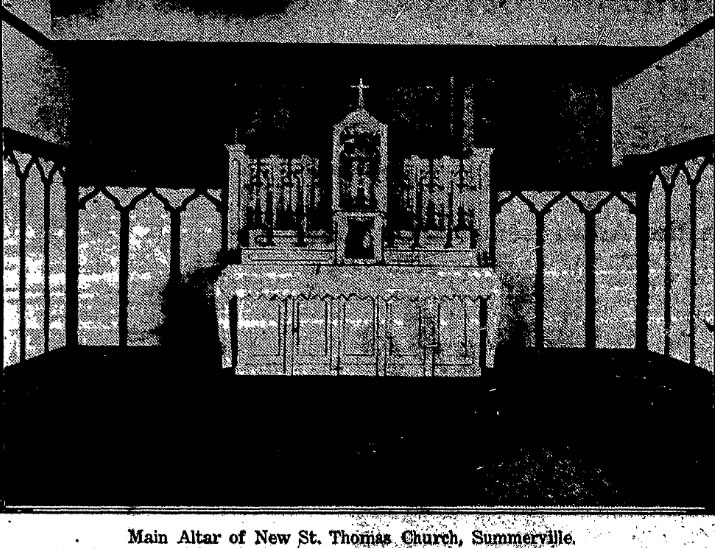
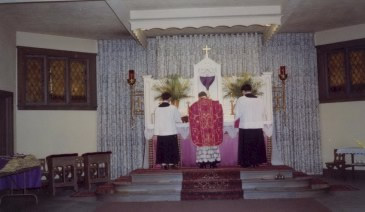
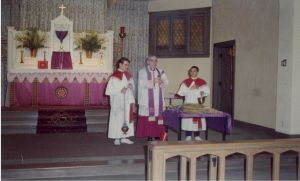
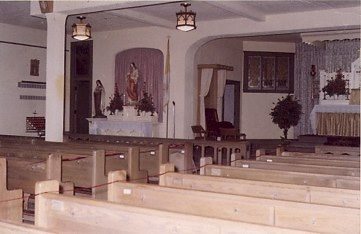
On February 21, 1926, a school addition and 500-person basement chapel were dedicated. Parishioners who had been attending St. George chapel from 1922 to 1926 could now worship in their own facility. After this, St. George functioned solely as a summer chapel offering one weekend Mass until its 1958 closure.
Like most diocesan parishes, St. Thomas experienced financial difficulties during the Great Depression of the 1930s. Despite these challenges, a convent at 138 Washington Avenue was acquired on August 13, 1930. Parish families fell from 302 to 226 in the early 1930s following St. Margaret Mary's founding. Significant growth returned once World War II ended.
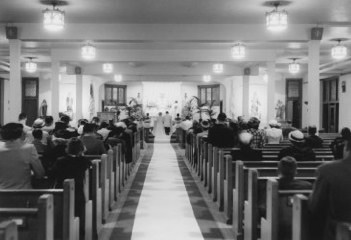
The postwar suburban migration drove exceptional expansion at St. Thomas the Apostle. Membership climbed from 1,187 in 1945 to 1,783 in 1950, then to 2,290 in 1953, reaching 3,338 by 1959. School enrollment more than doubled during this period. In 1949, the basement church was expanded to accommodate 700 worshippers.
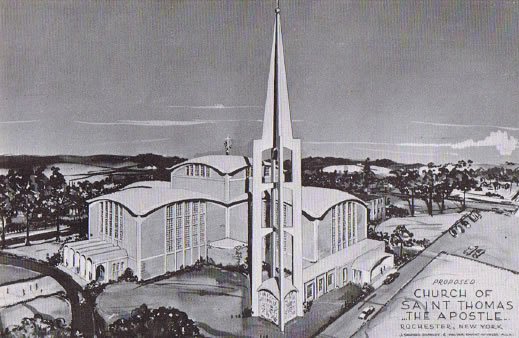
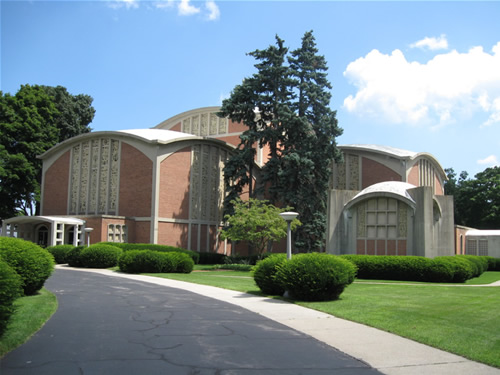
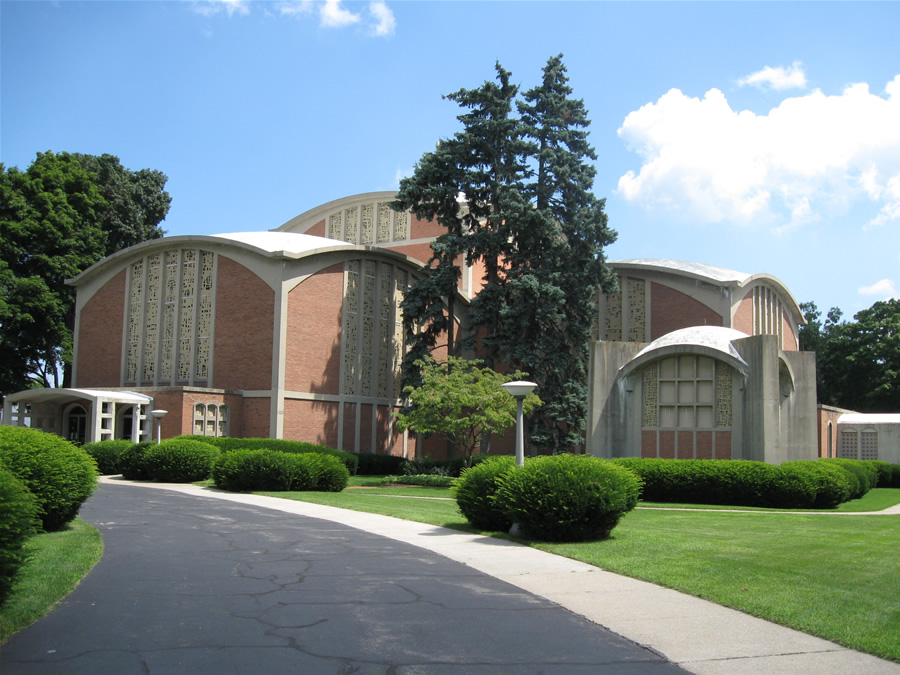
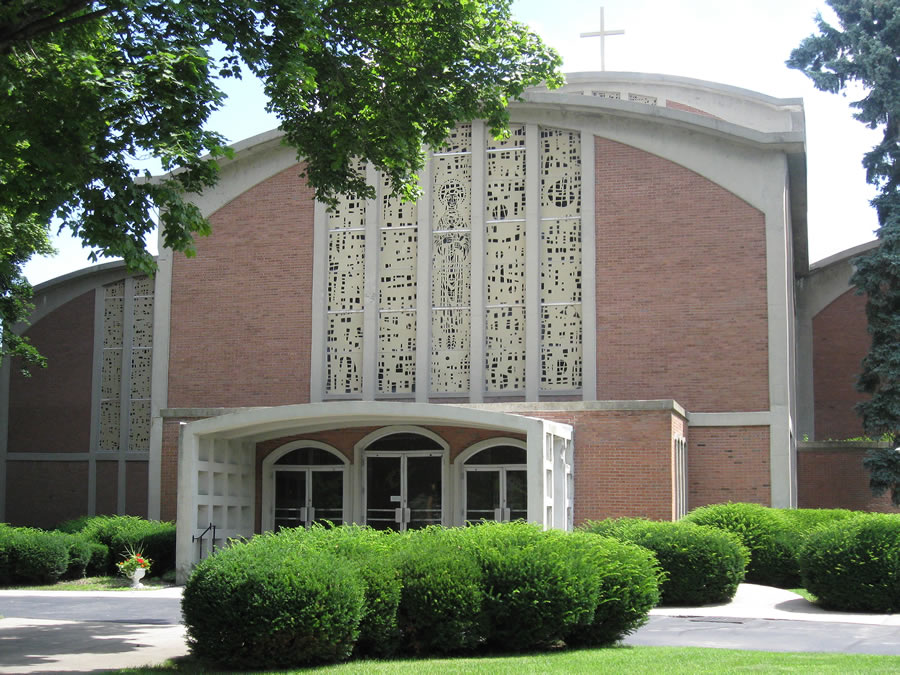
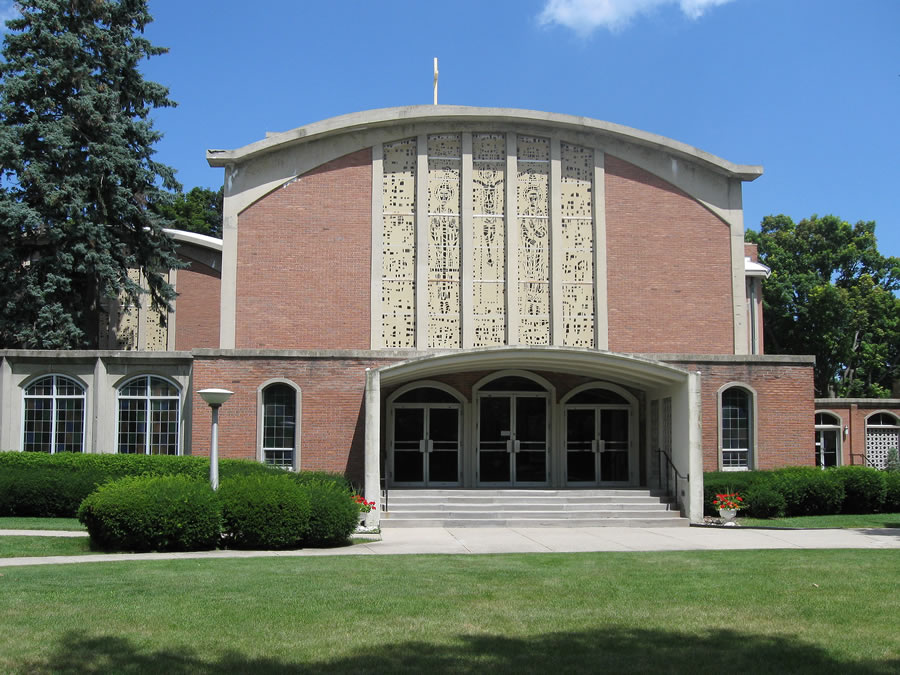
On June 29, 1954, Msgr. Richard Burns succeeded the founding Pastor. Msgr. Burns set out to build a new church, convent, and rectory. Convent planning commenced in 1956, and the Sisters of Mercy moved into the finished building in November 1958. St. George chapel was closed in 1958, sold the next year, and torn down in 1967. Development of the current church moved forward, with Msgr. Burns commissioning Joseph Sanford Shanley—architect of St. Louis church in Pittsford—to design a structure combining contemporary and traditional styles.
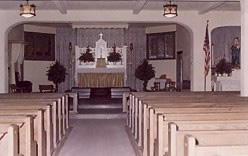
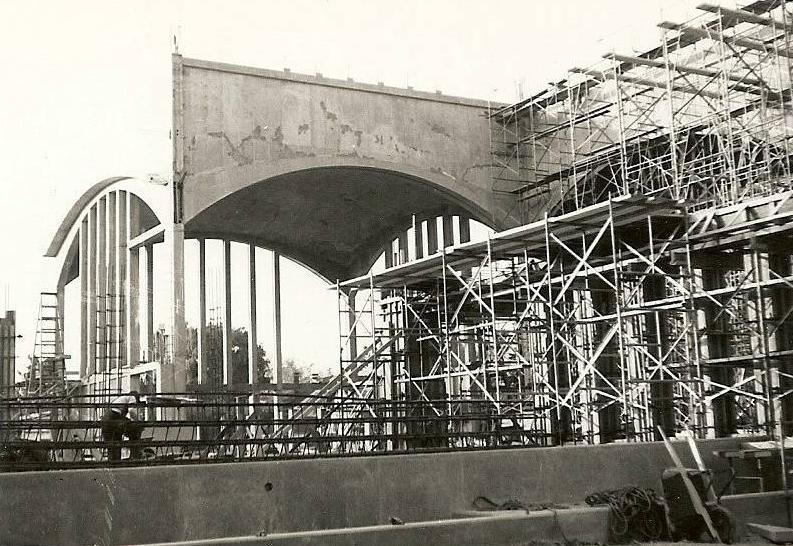
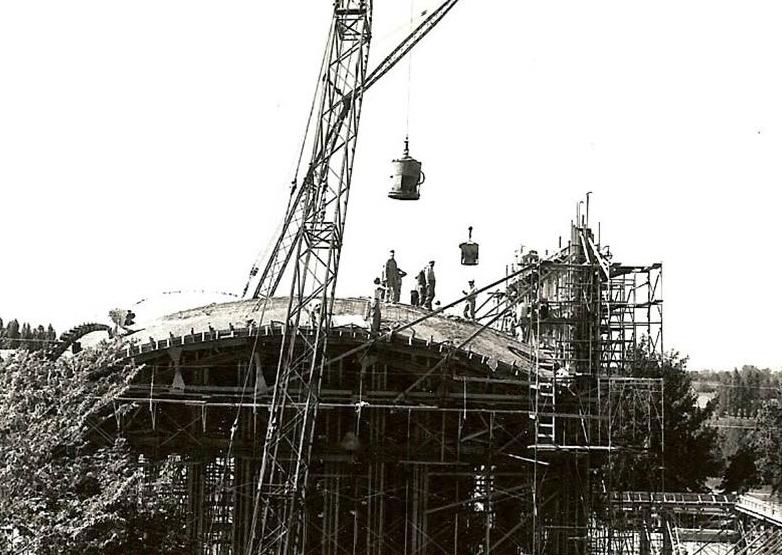
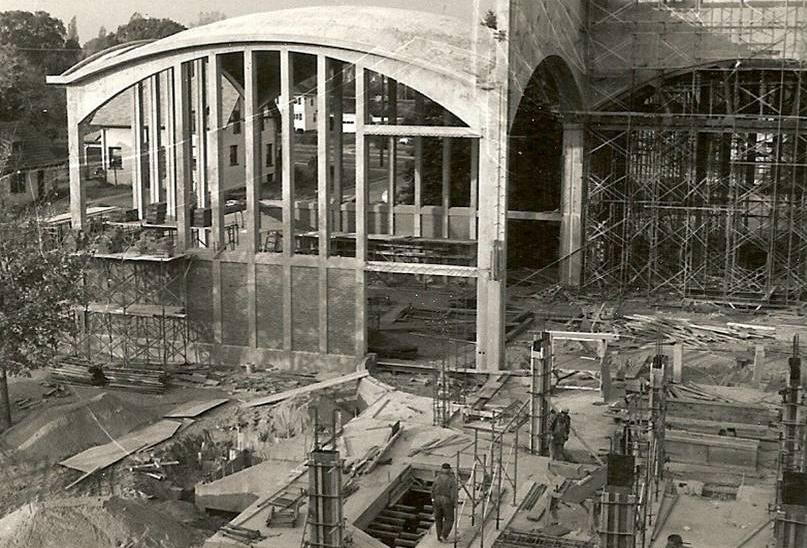
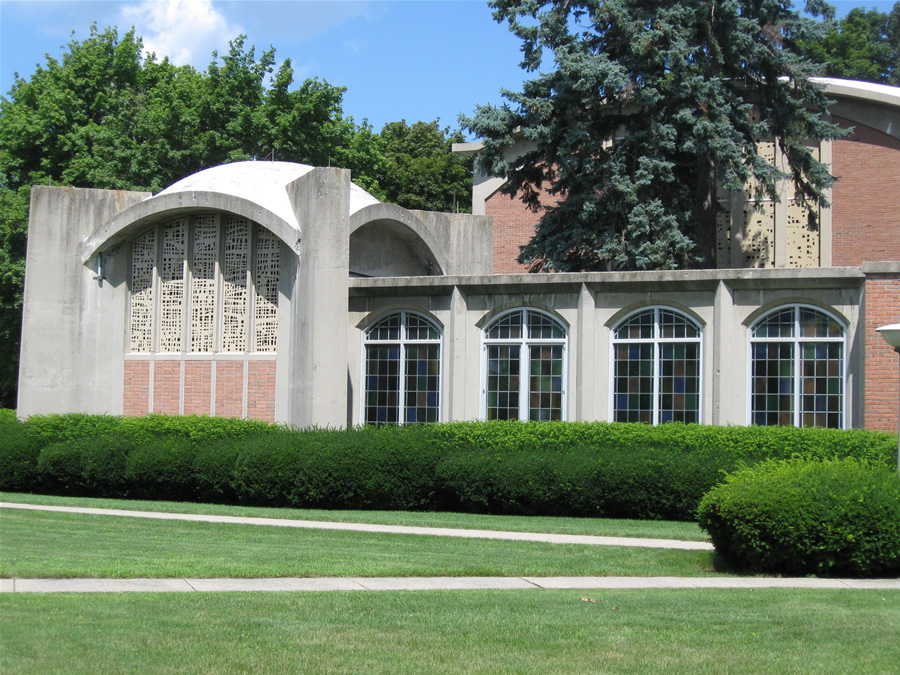
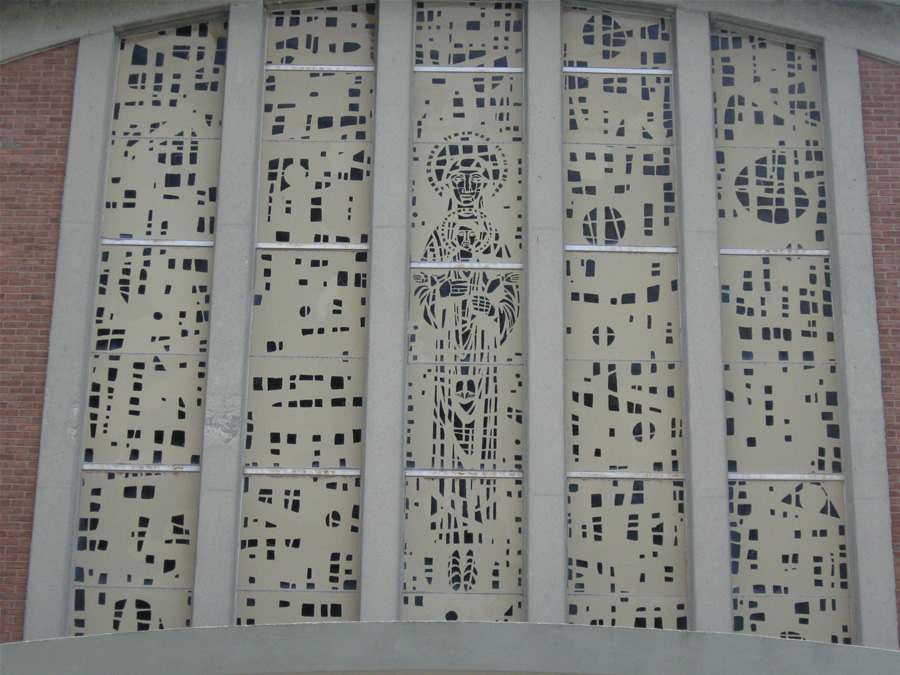
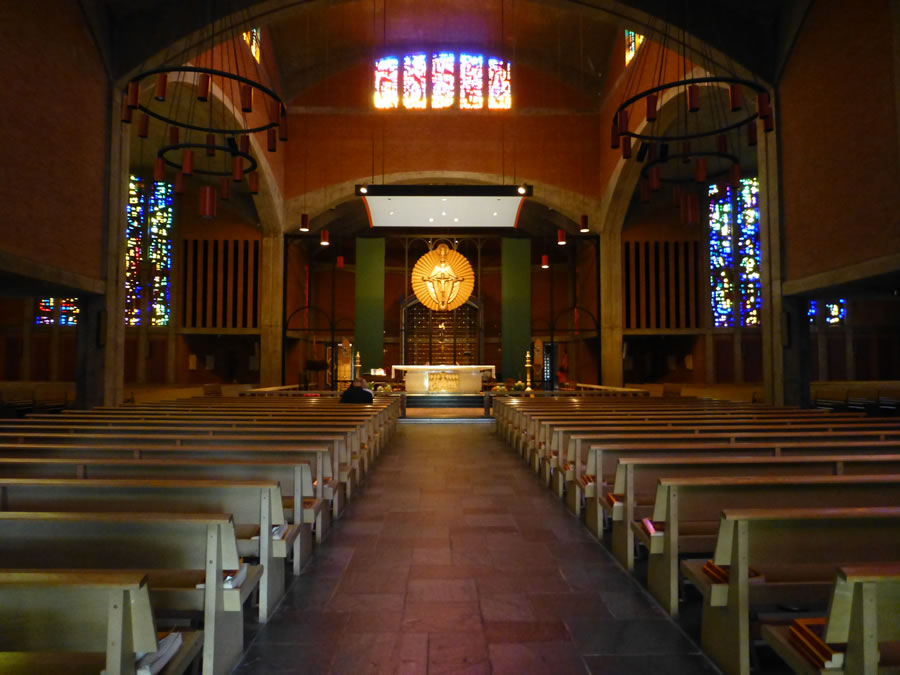
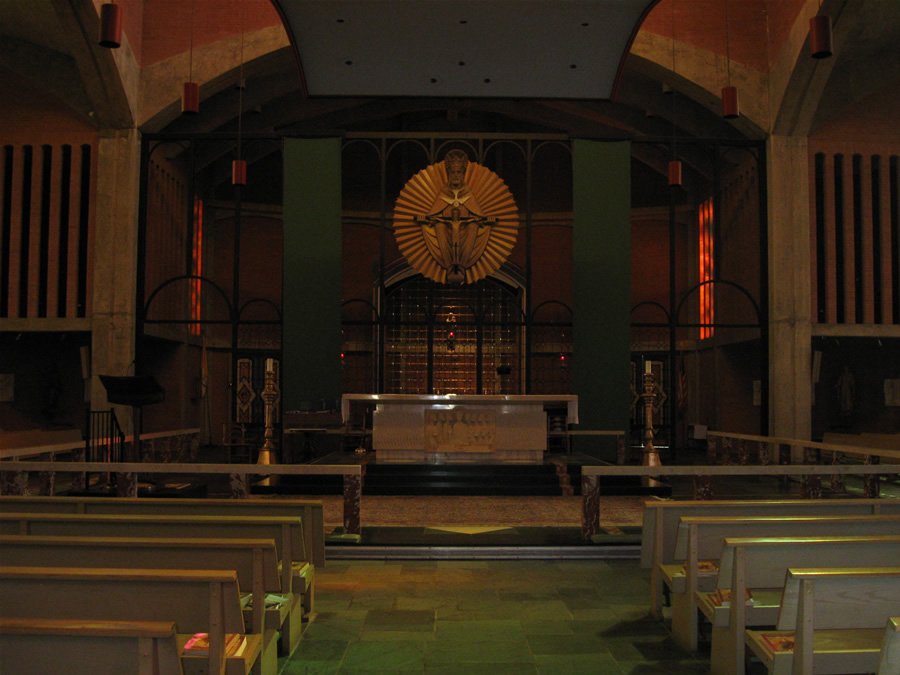
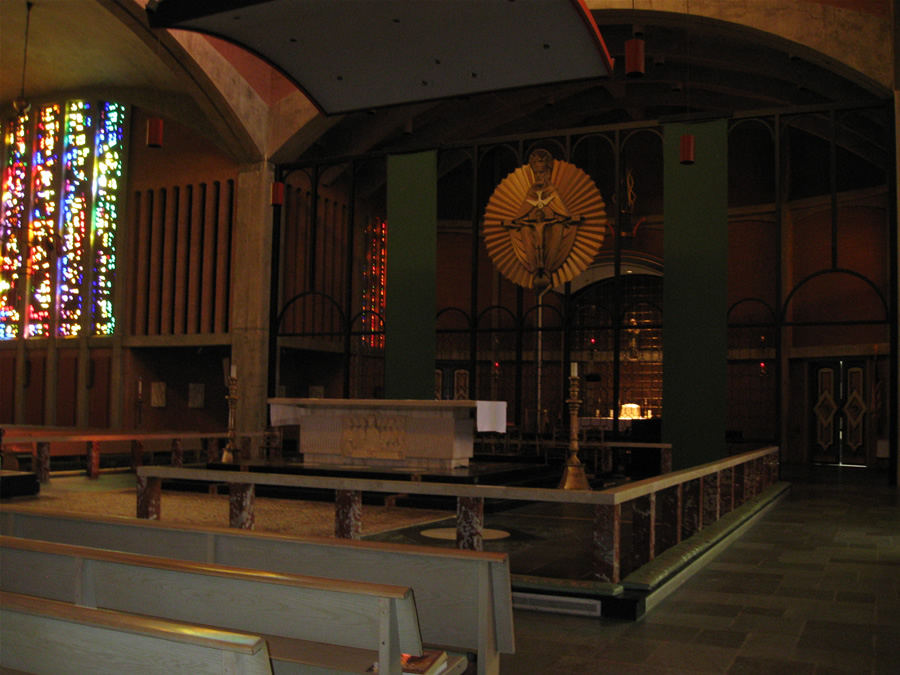
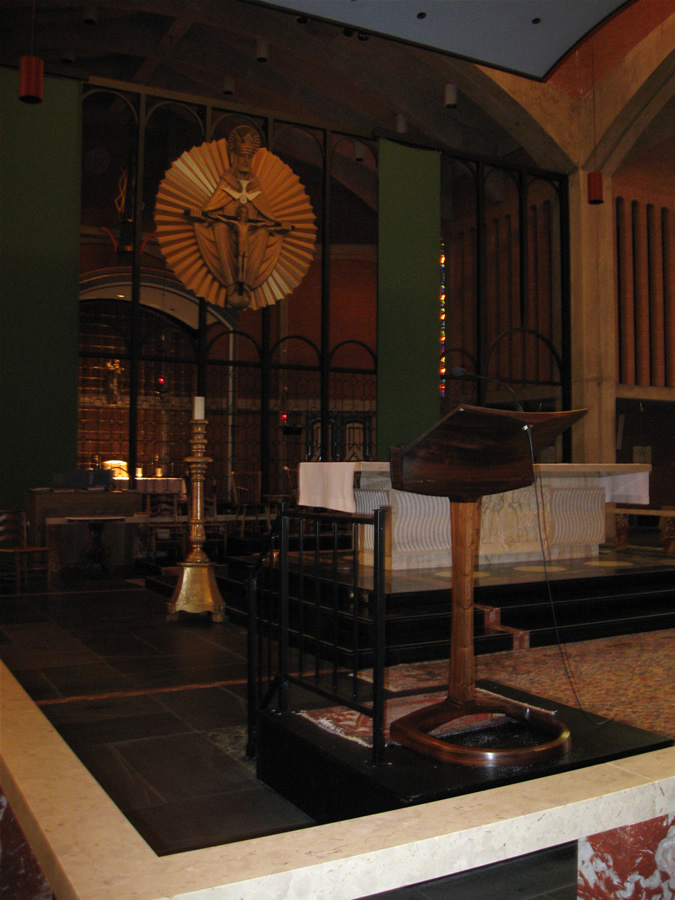
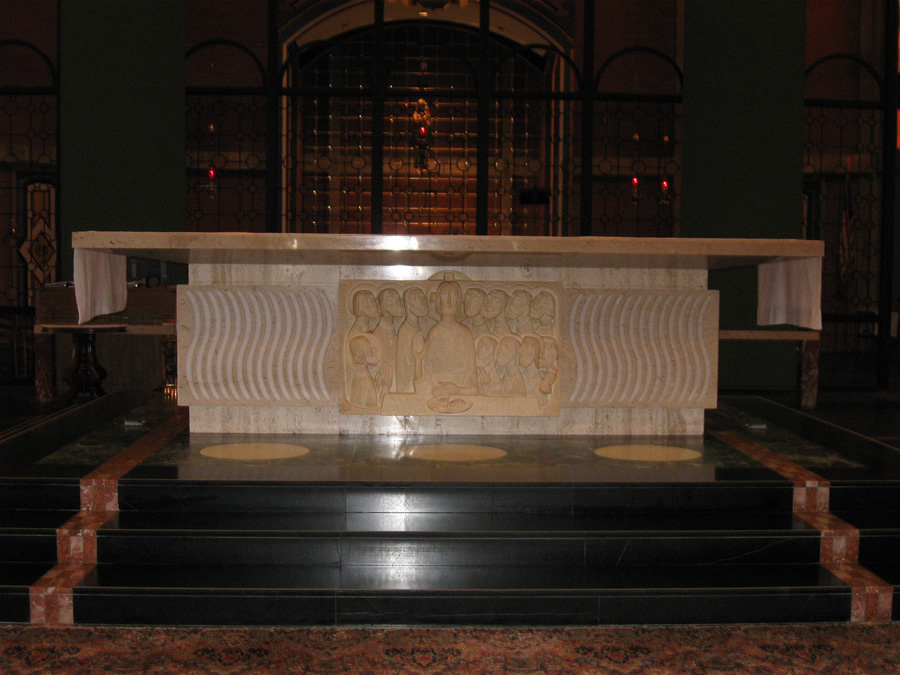
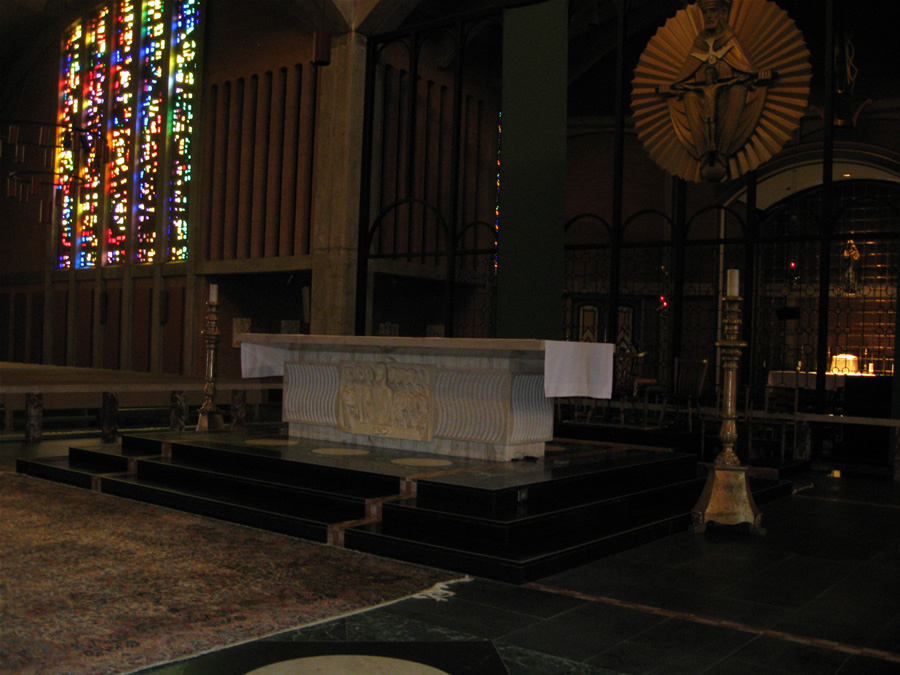
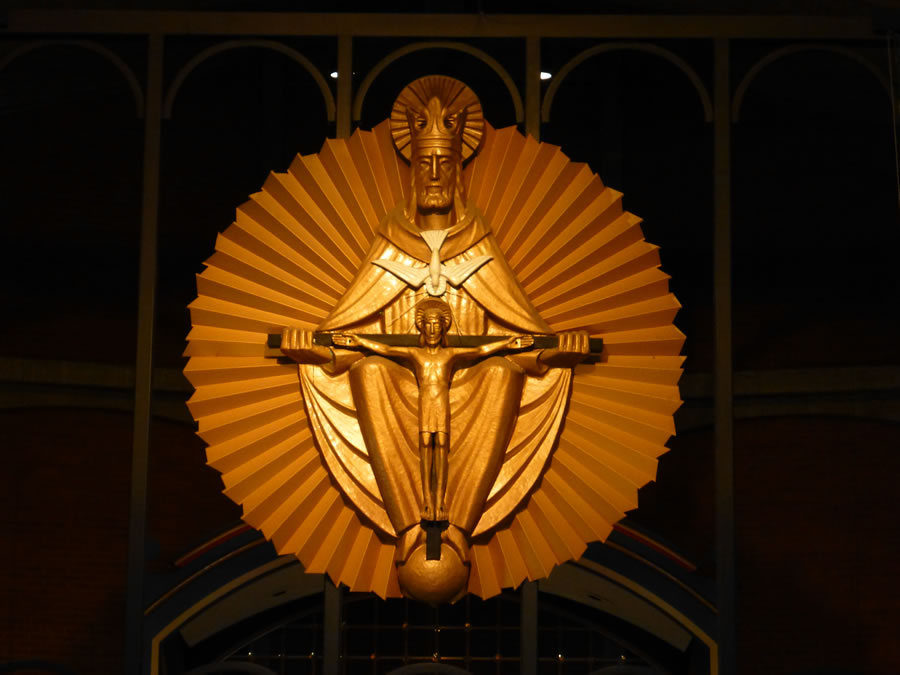
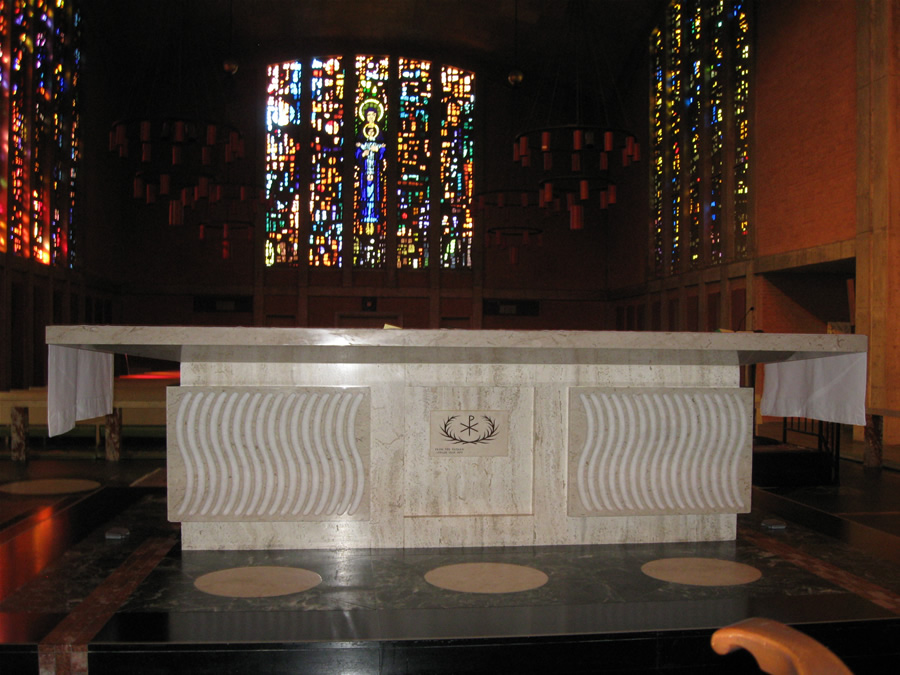
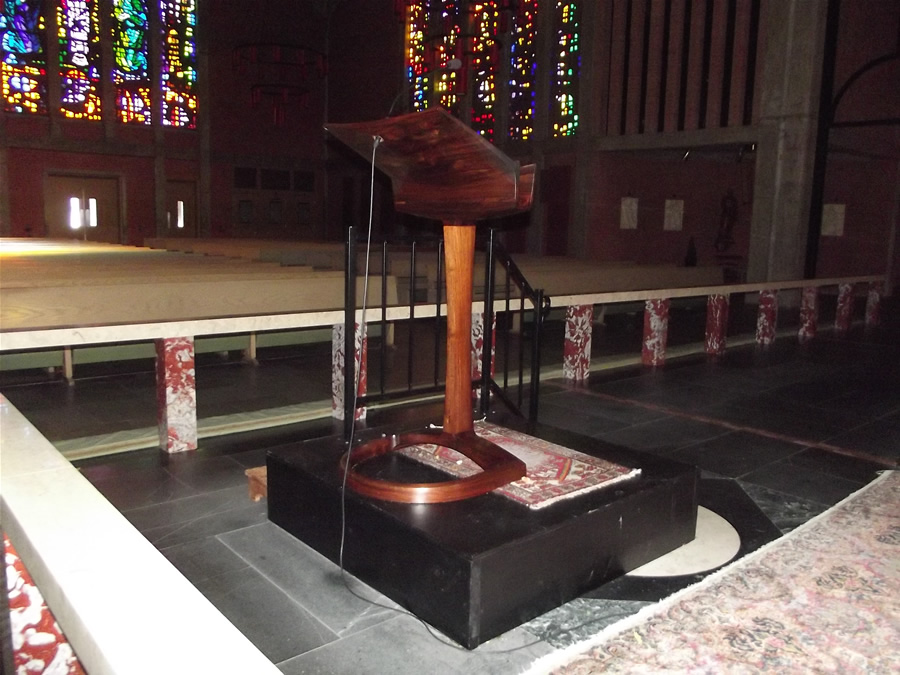
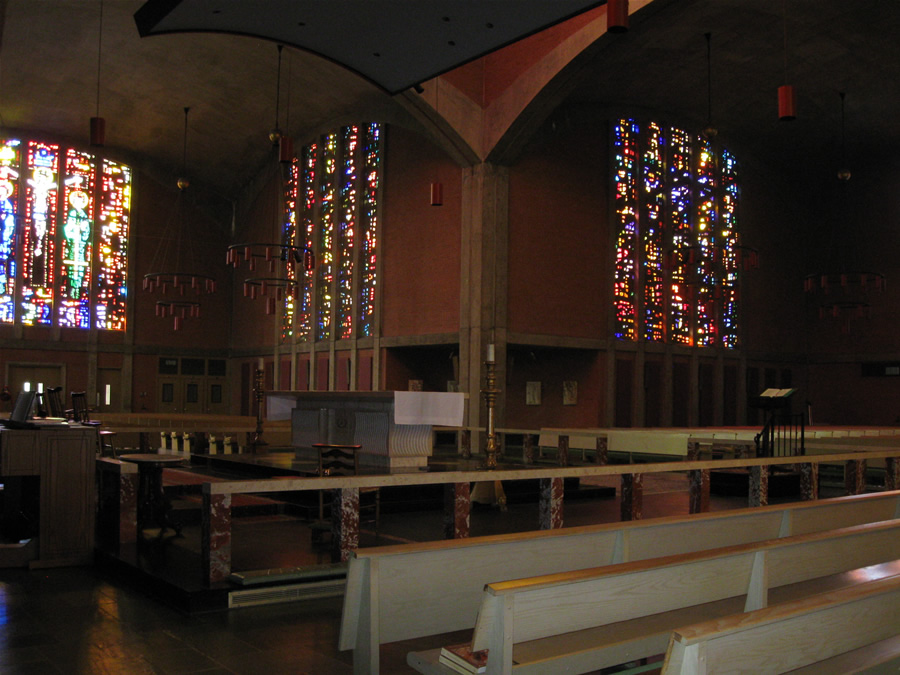
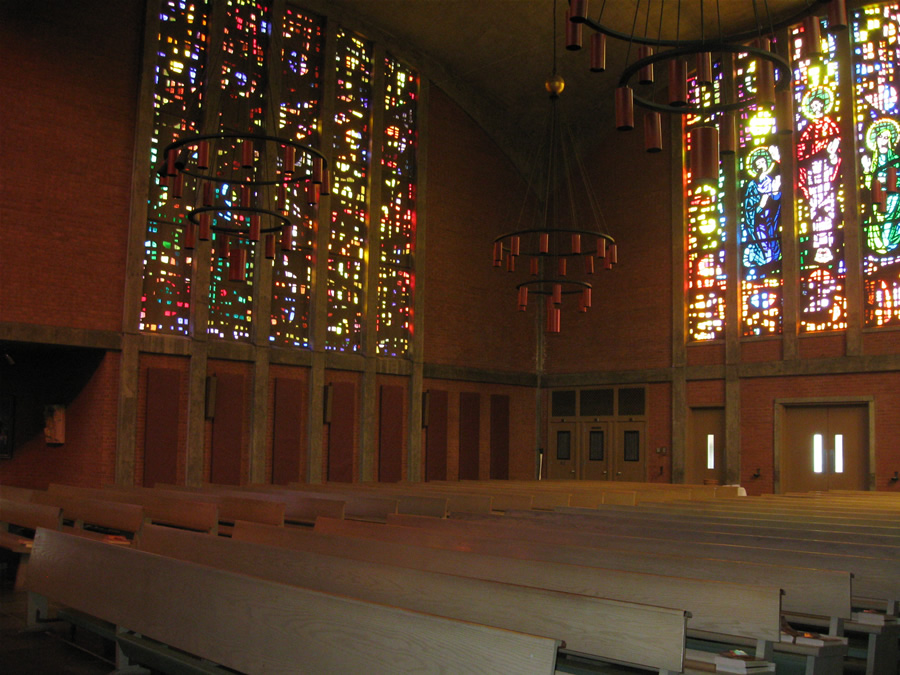
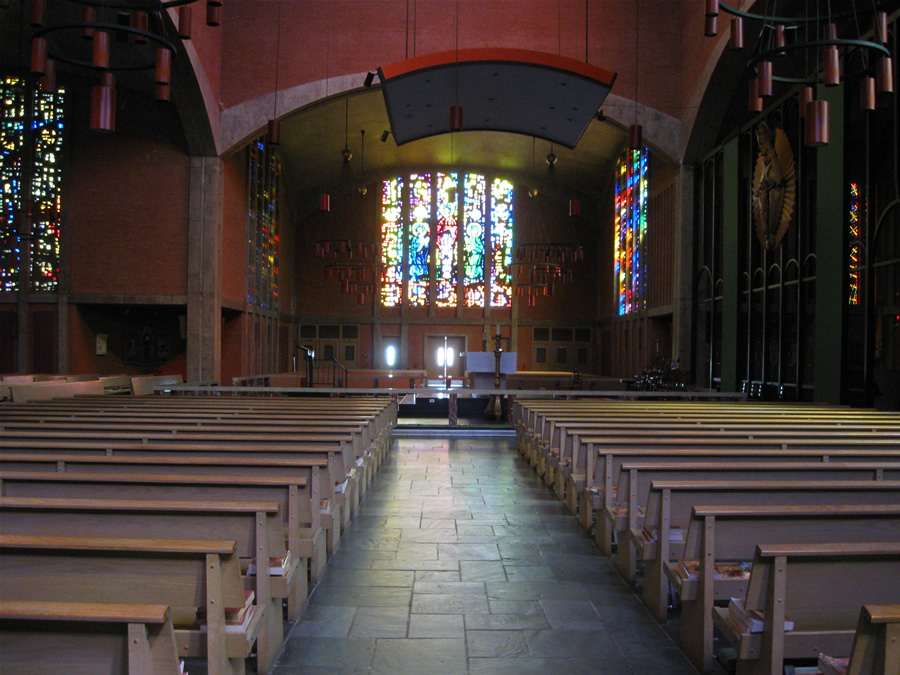
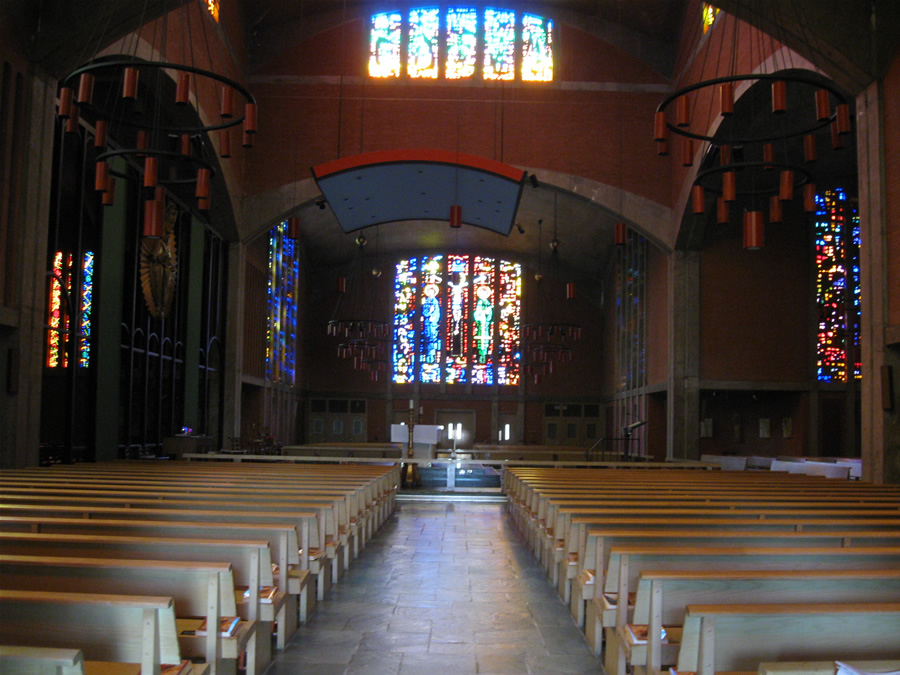
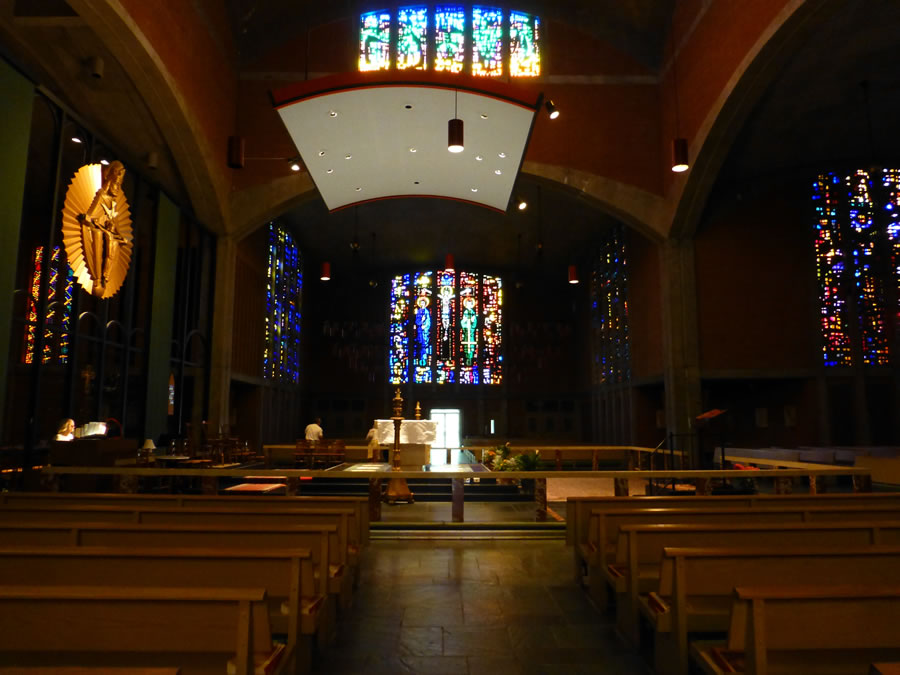
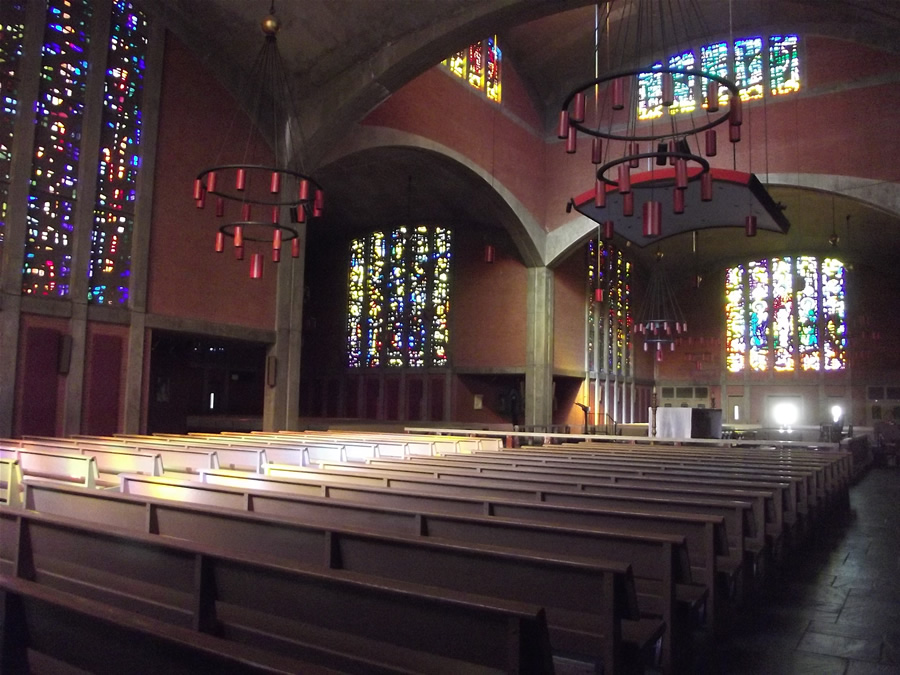
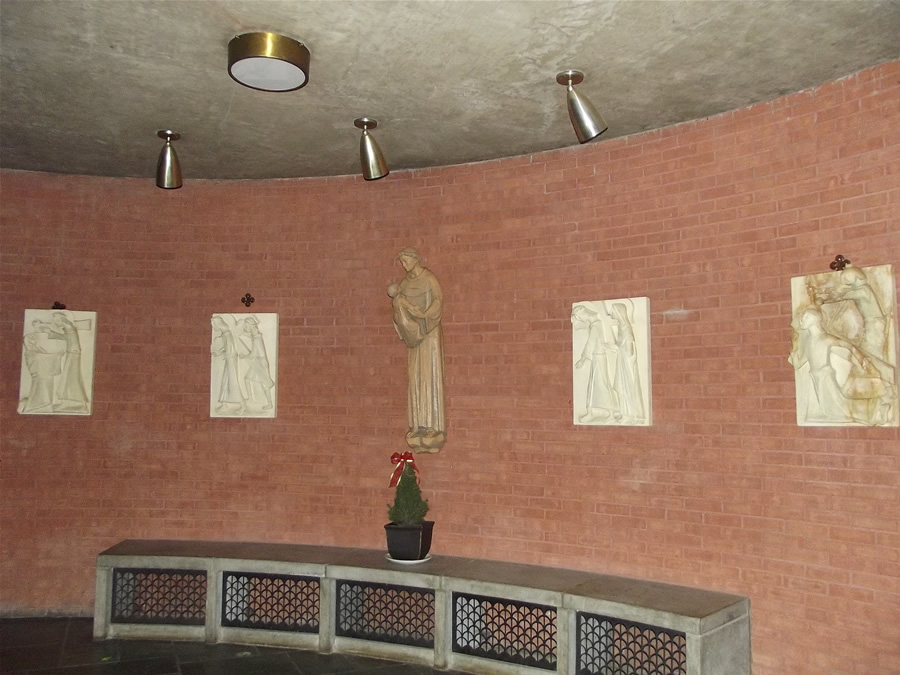
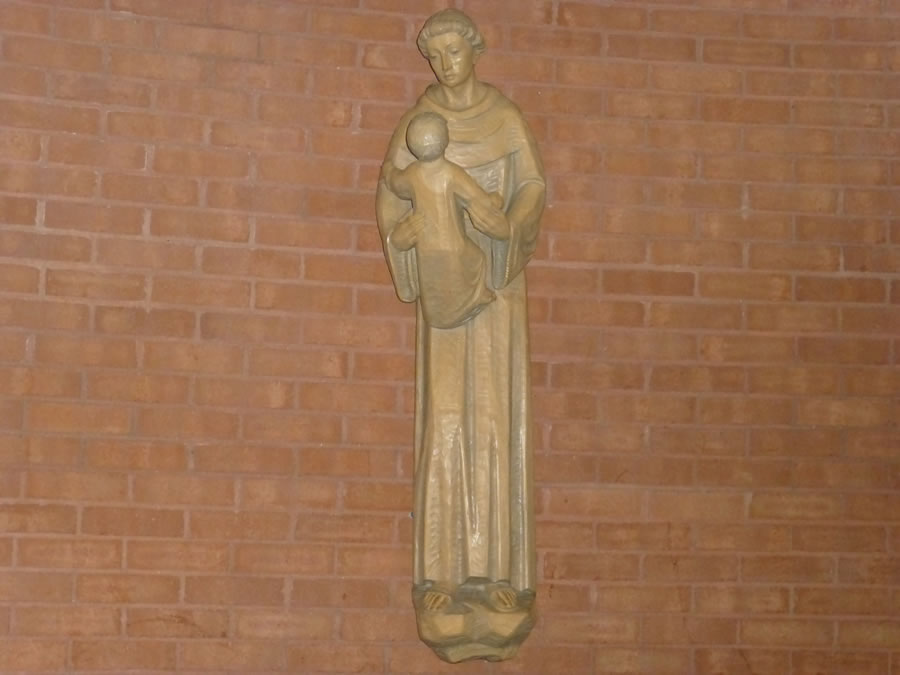
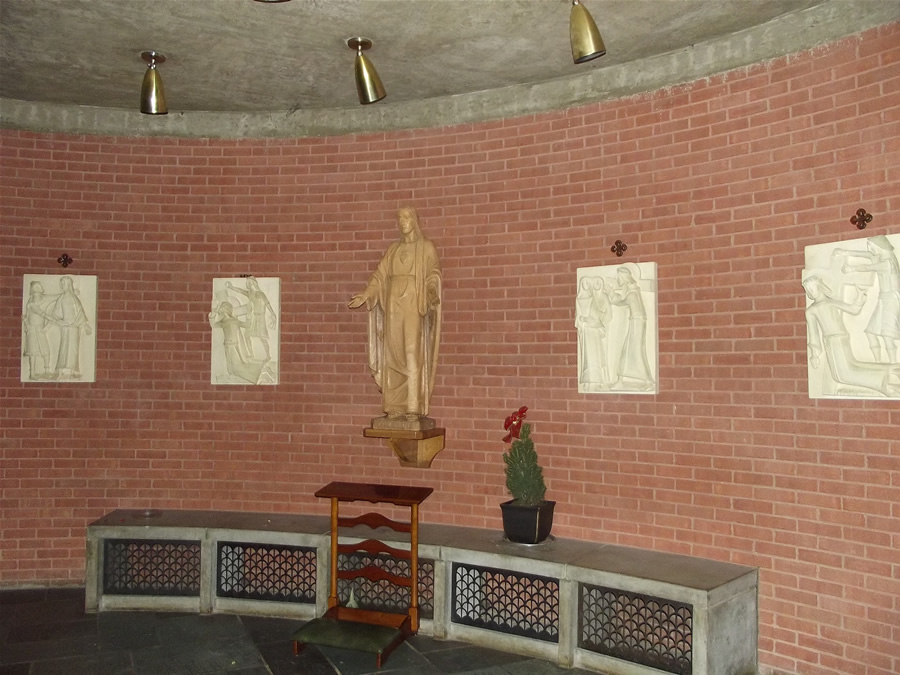
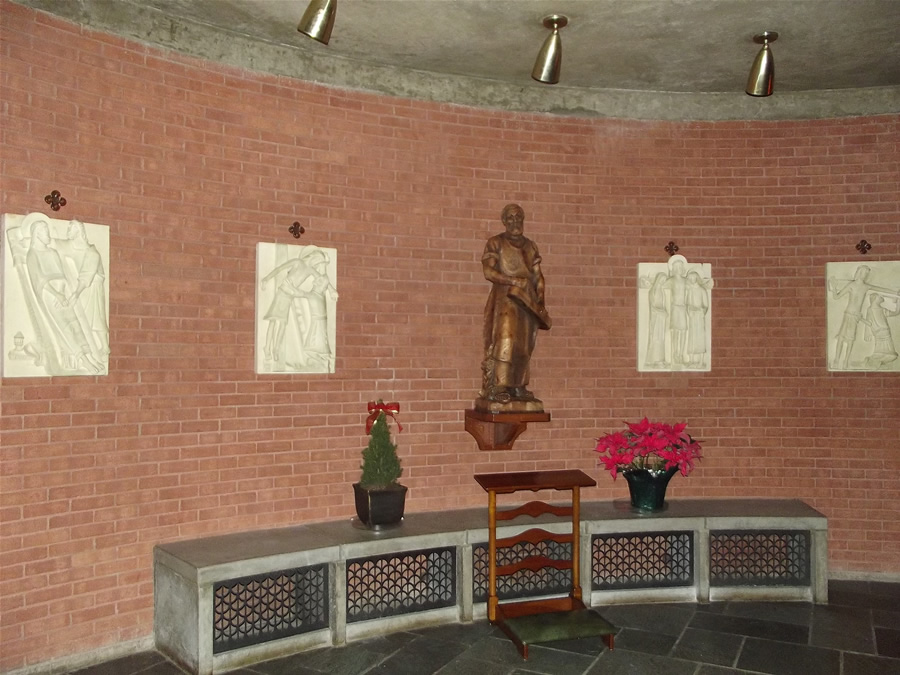
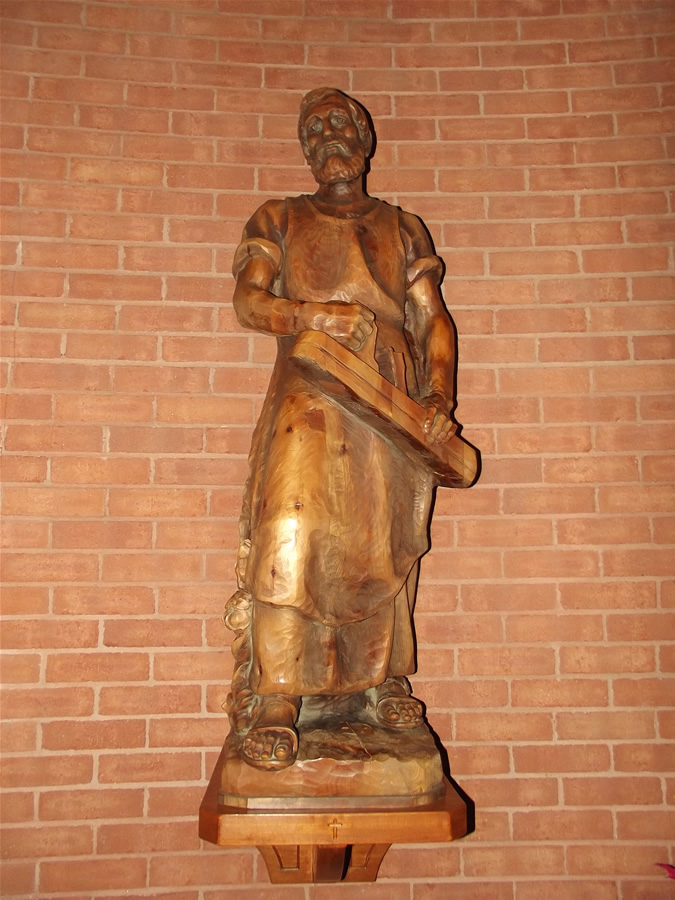
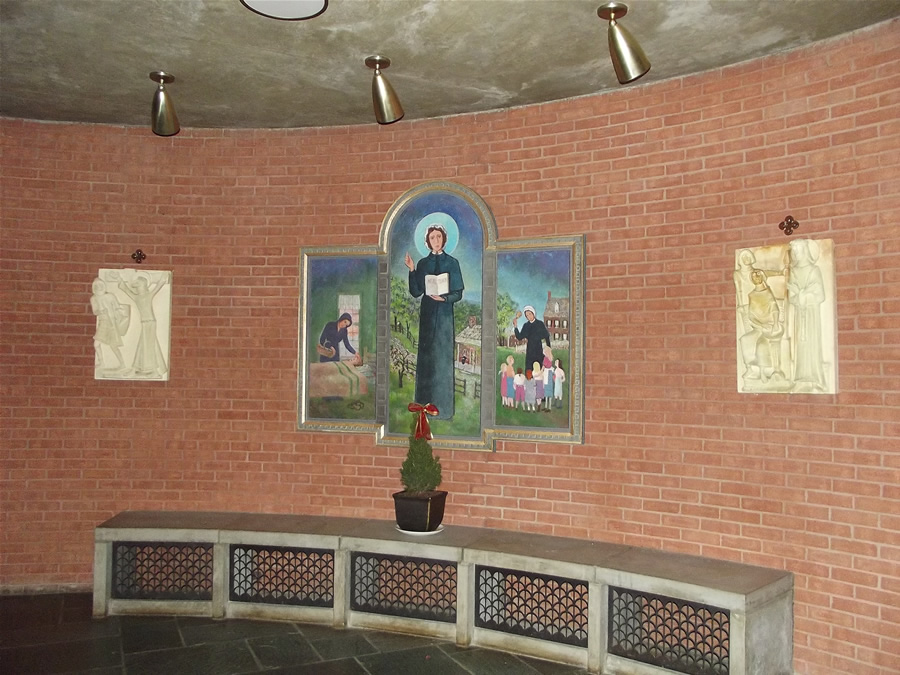
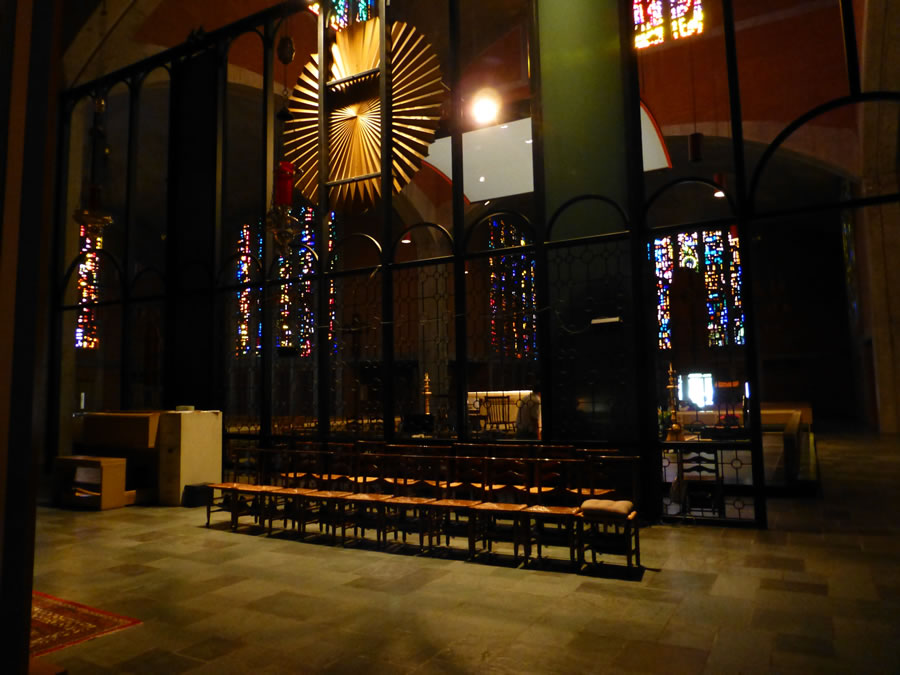
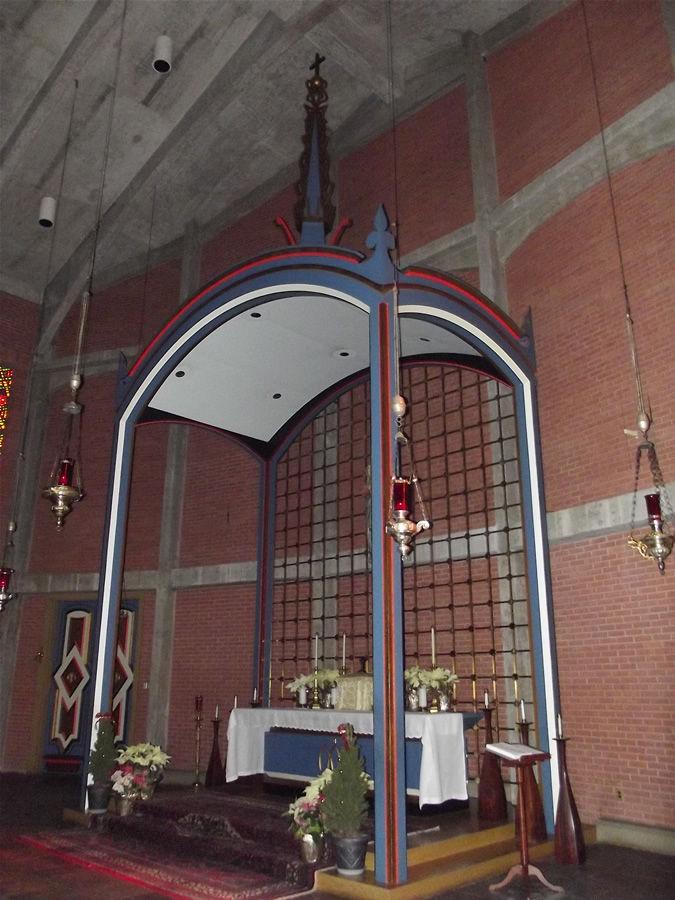
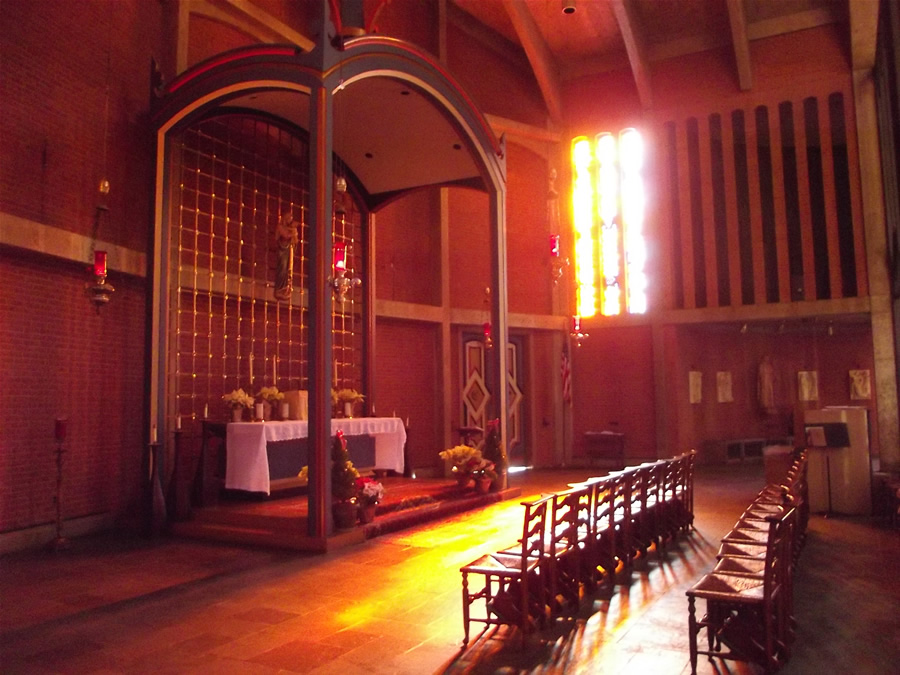
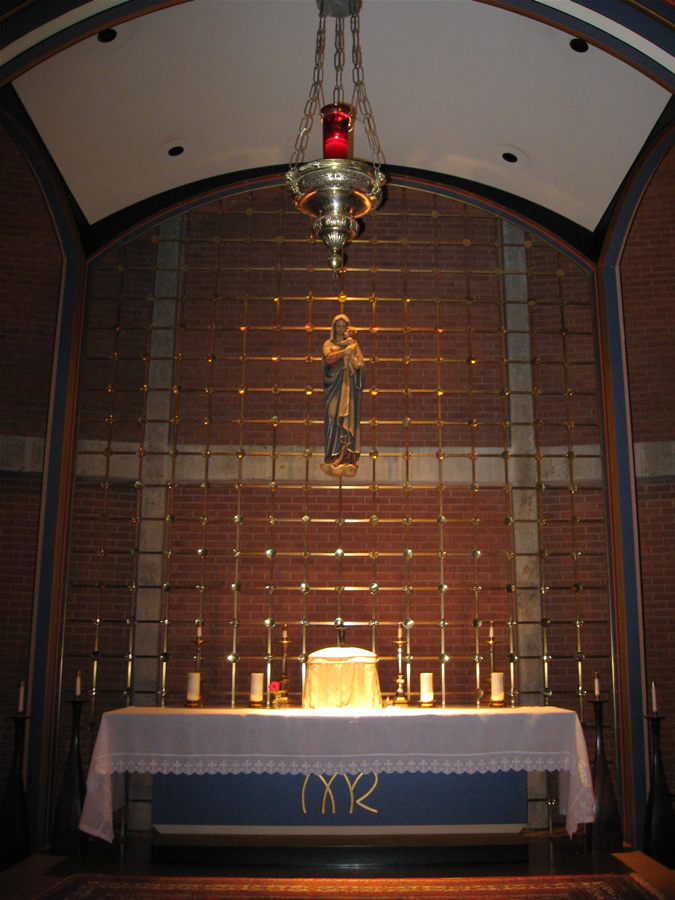
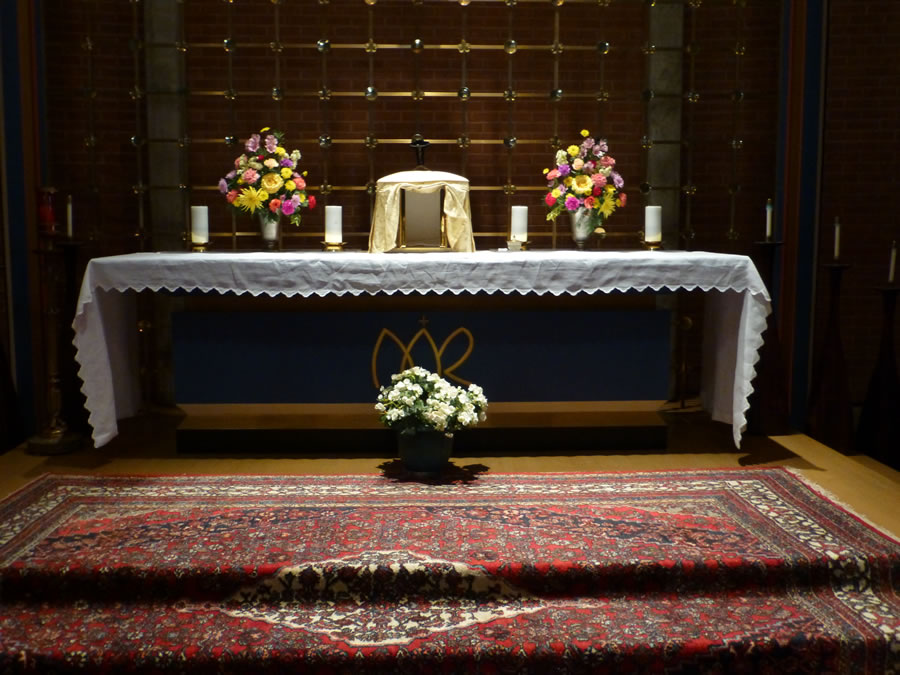
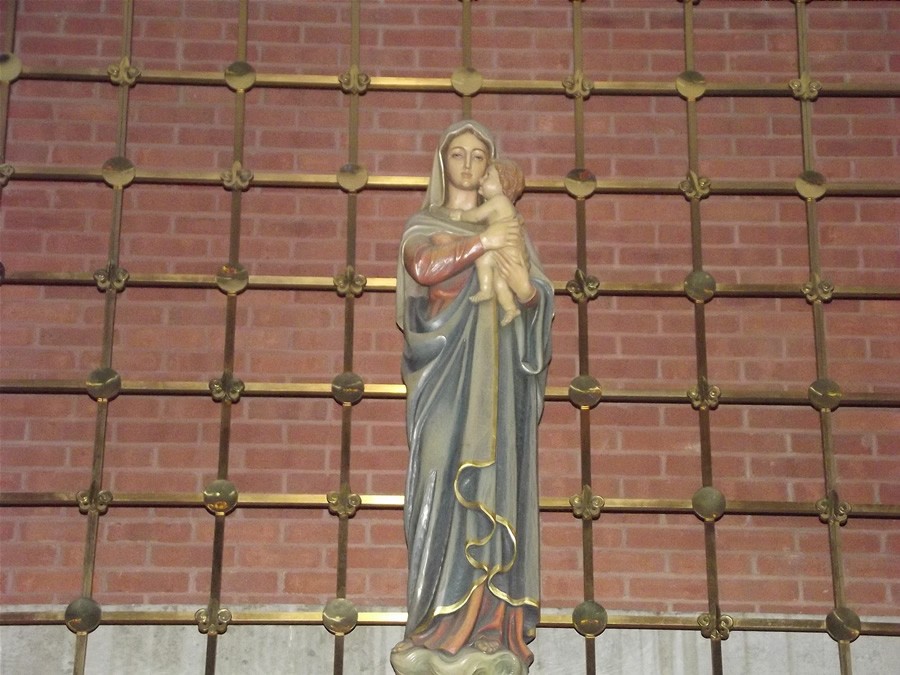
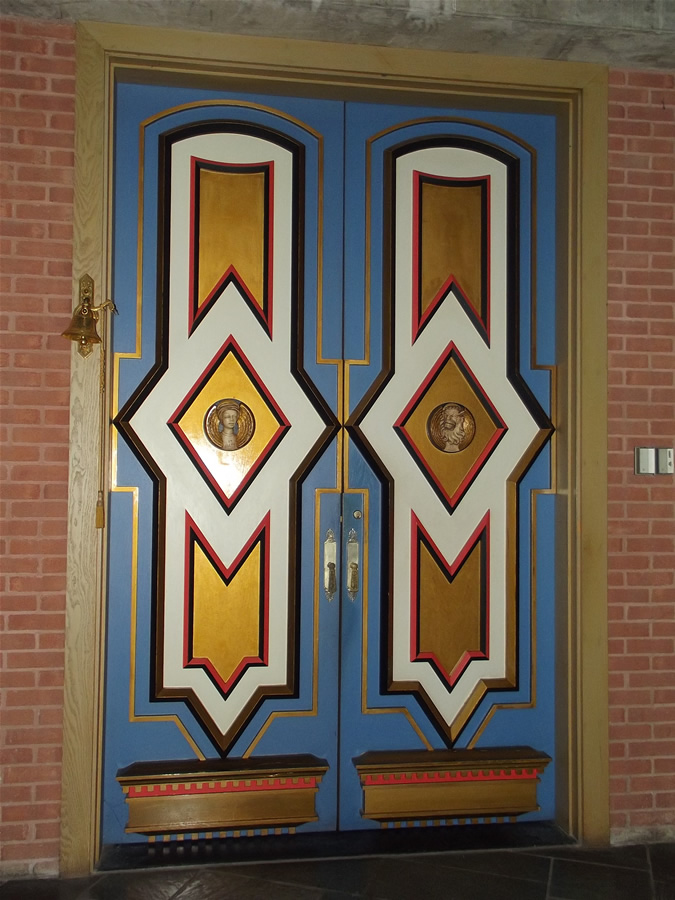
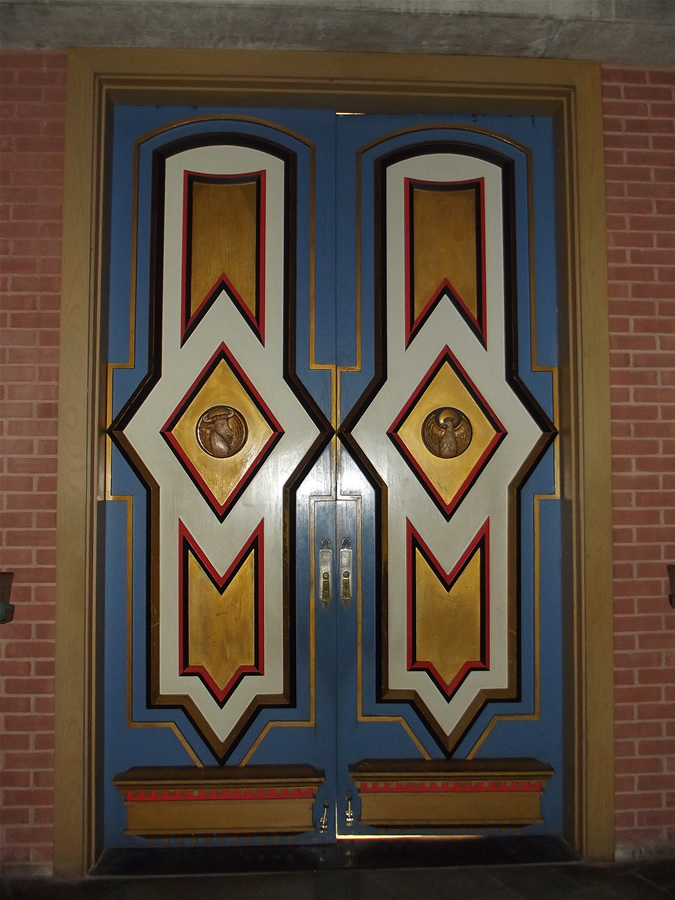
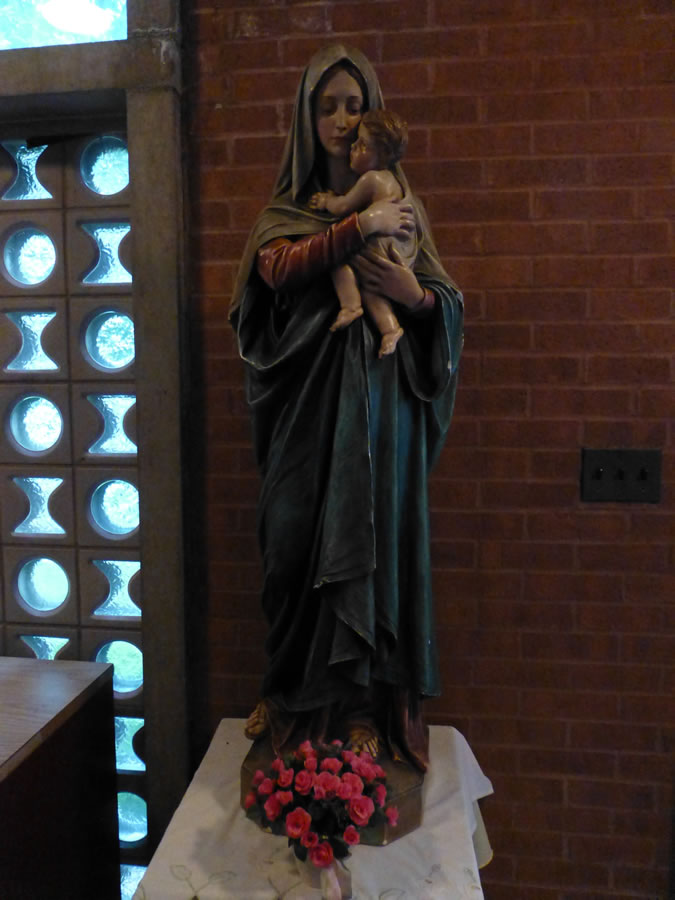
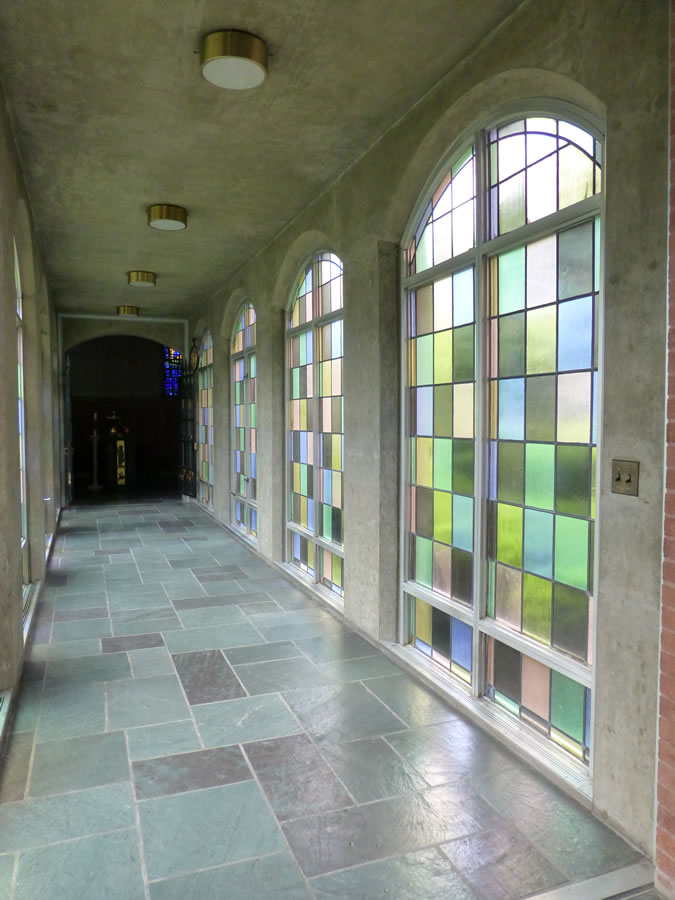
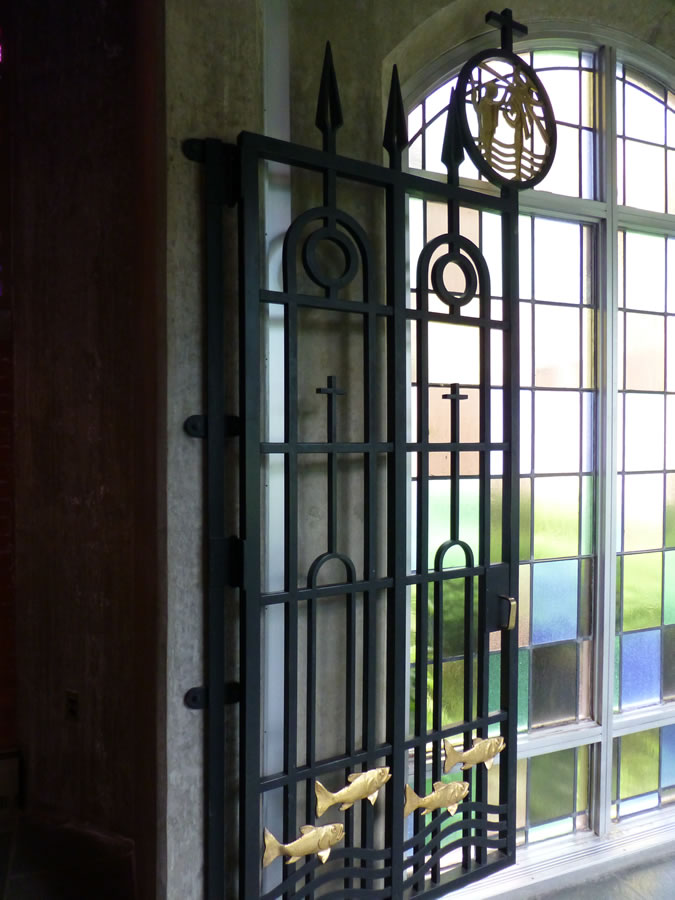
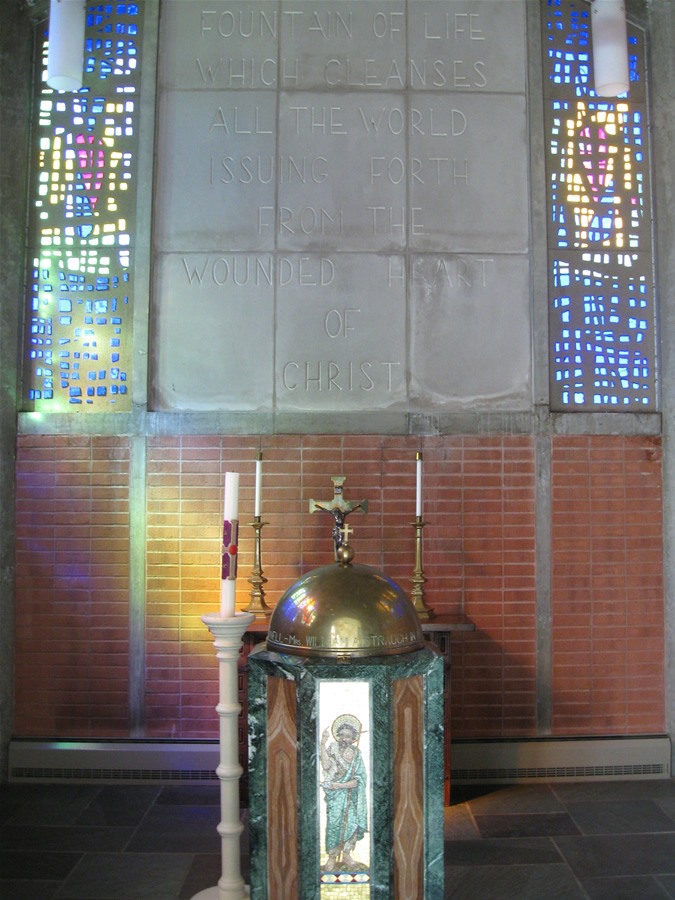
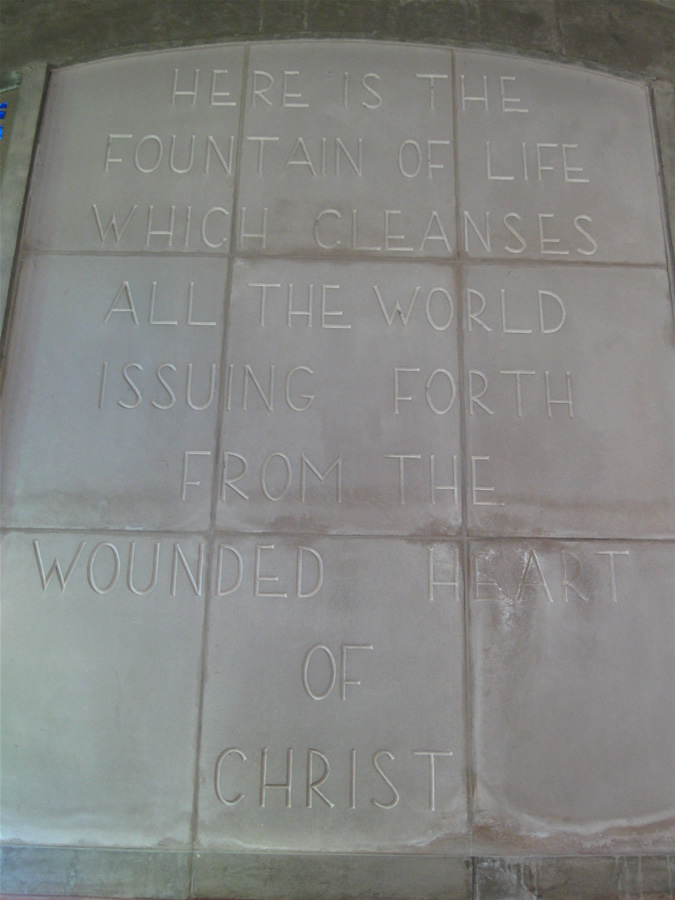
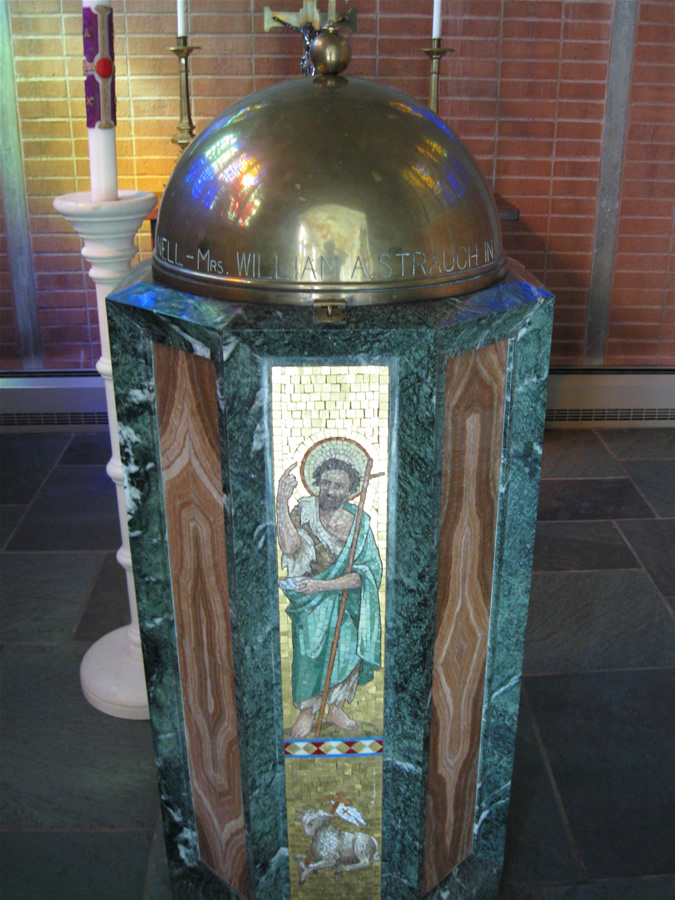
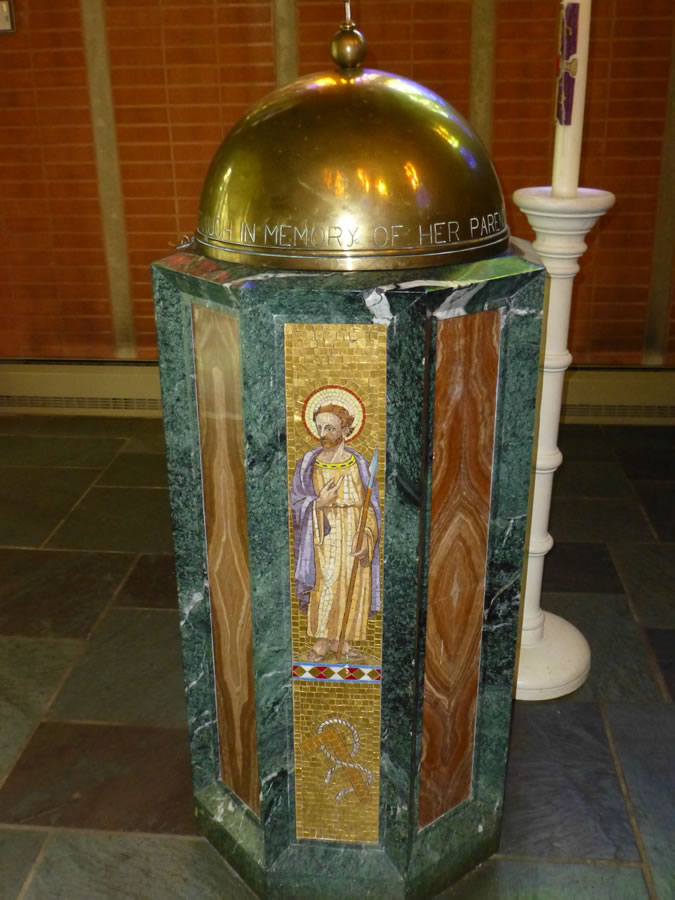
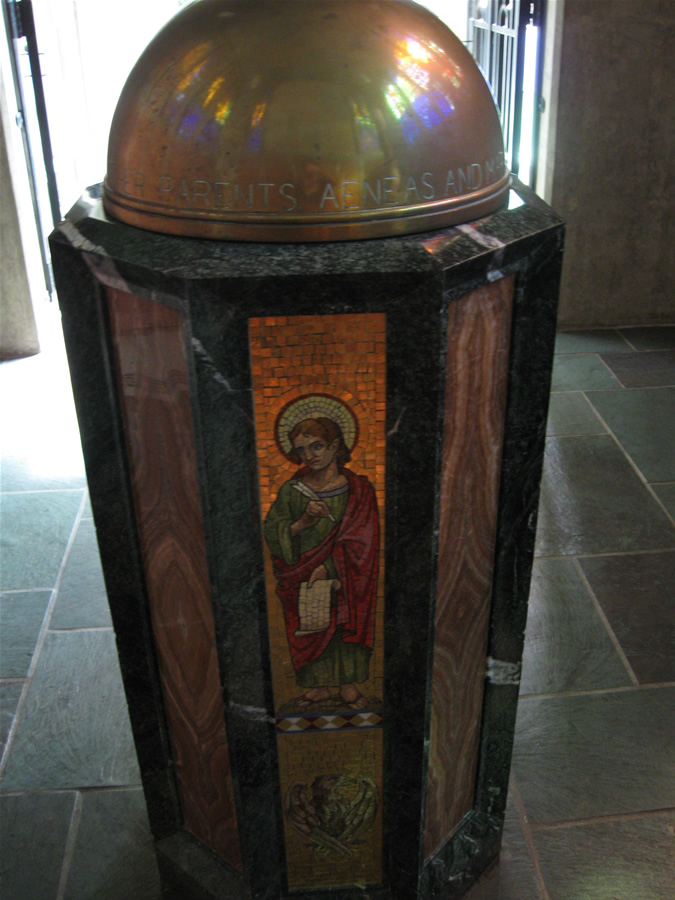
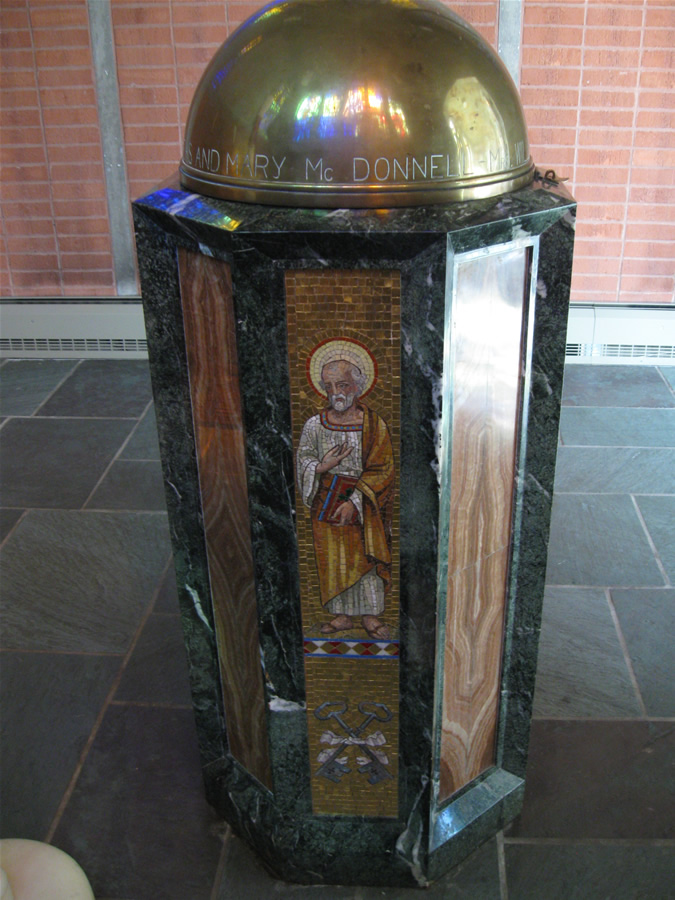
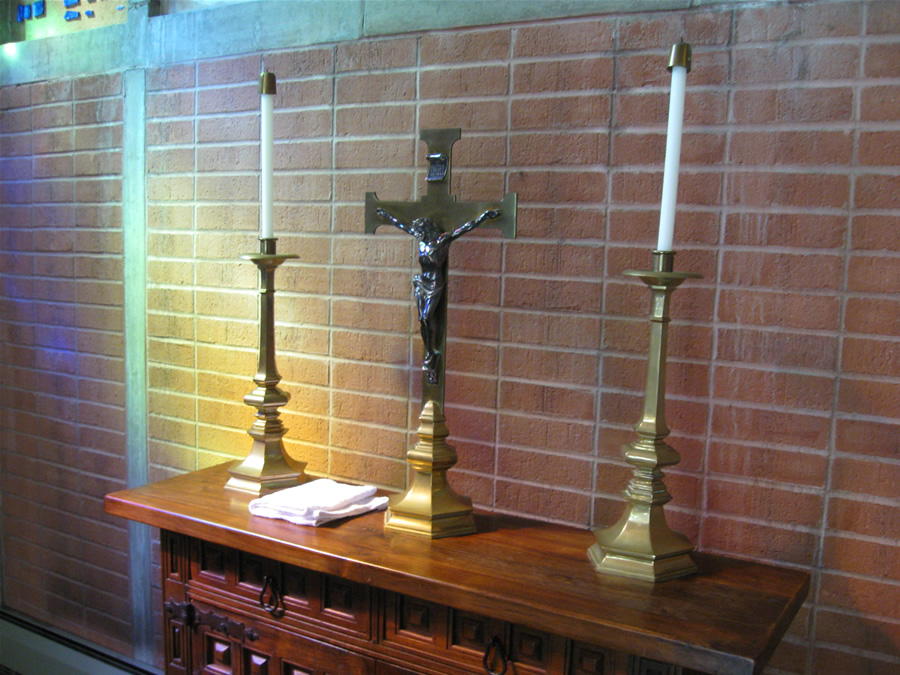
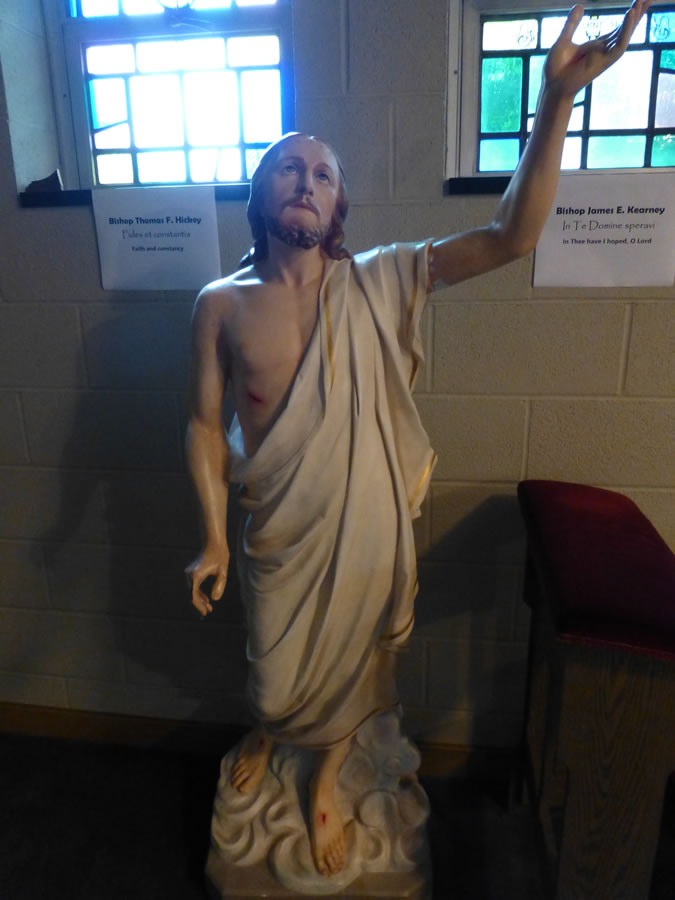
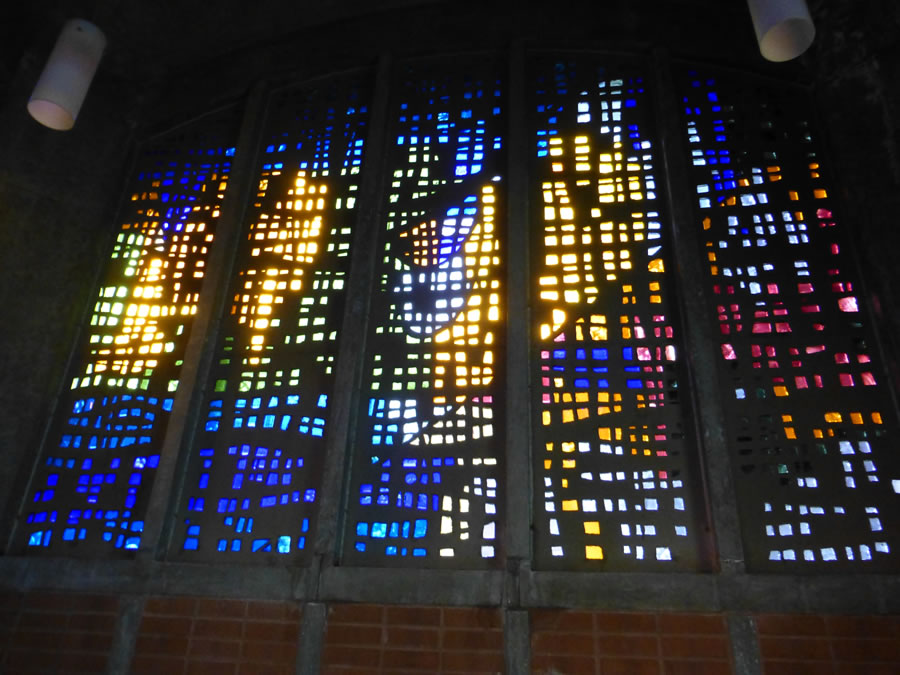
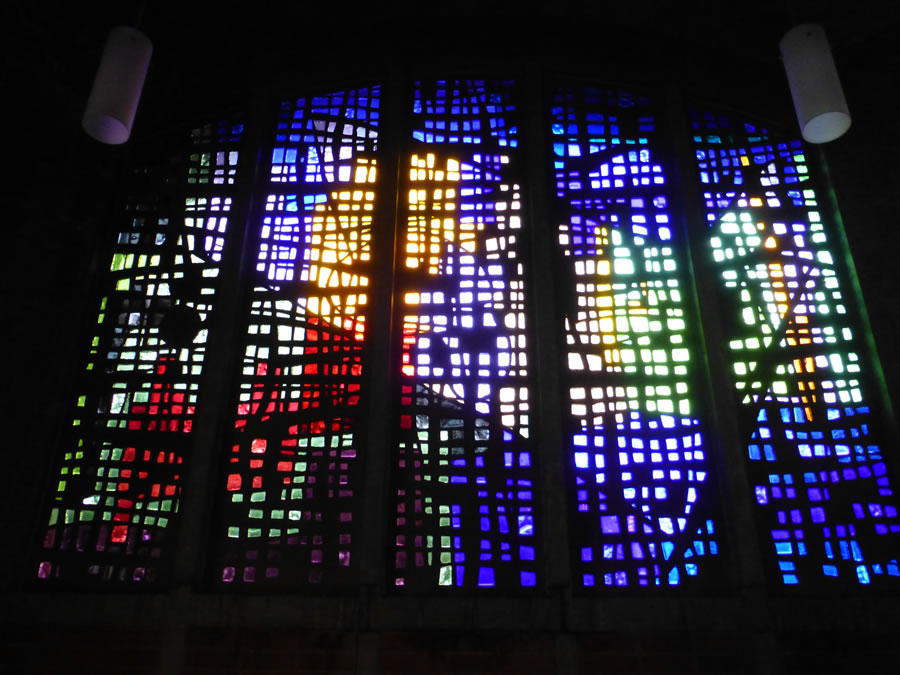
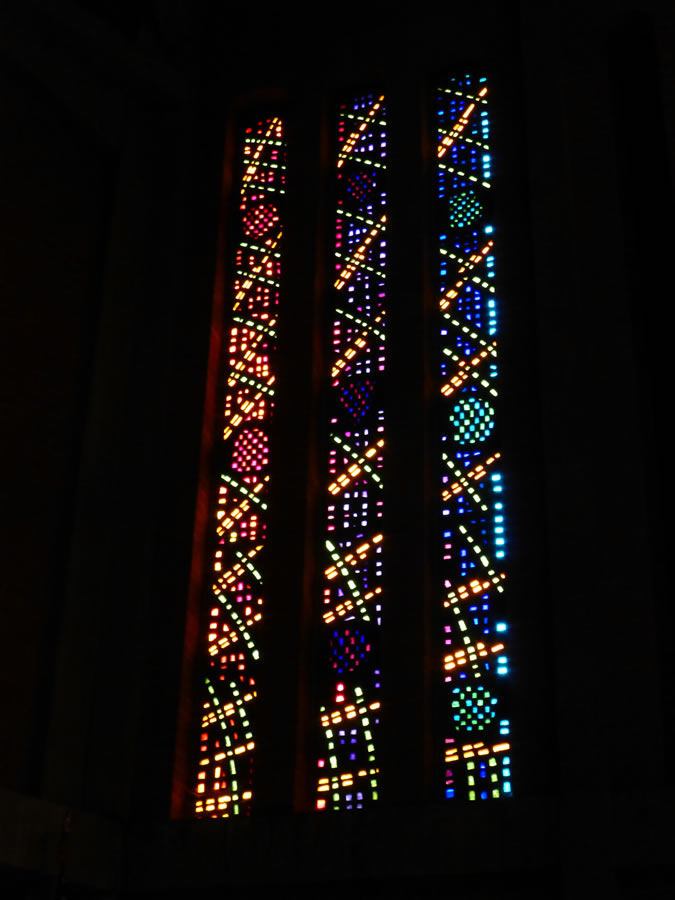
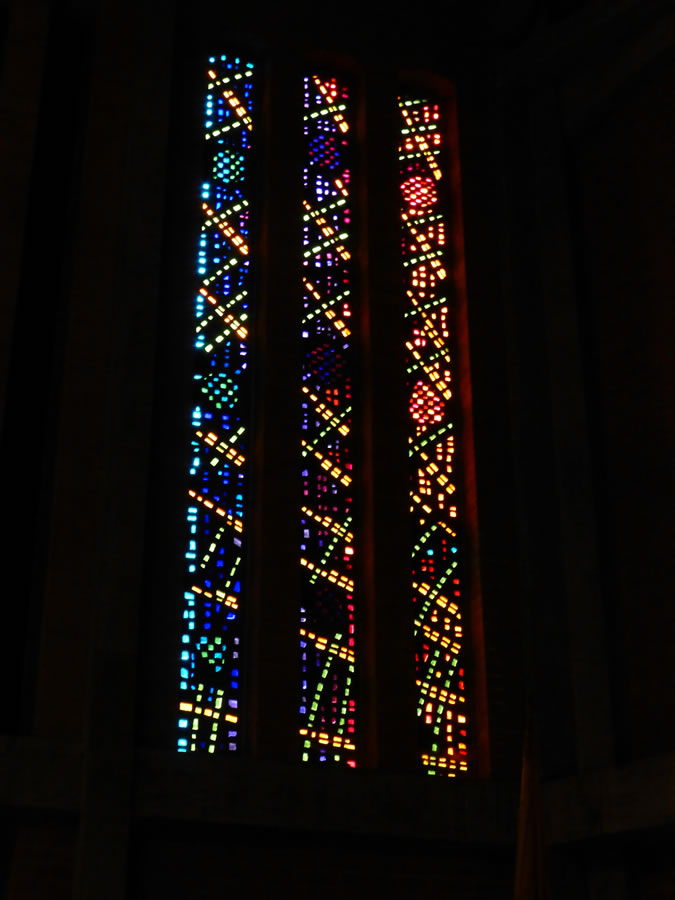
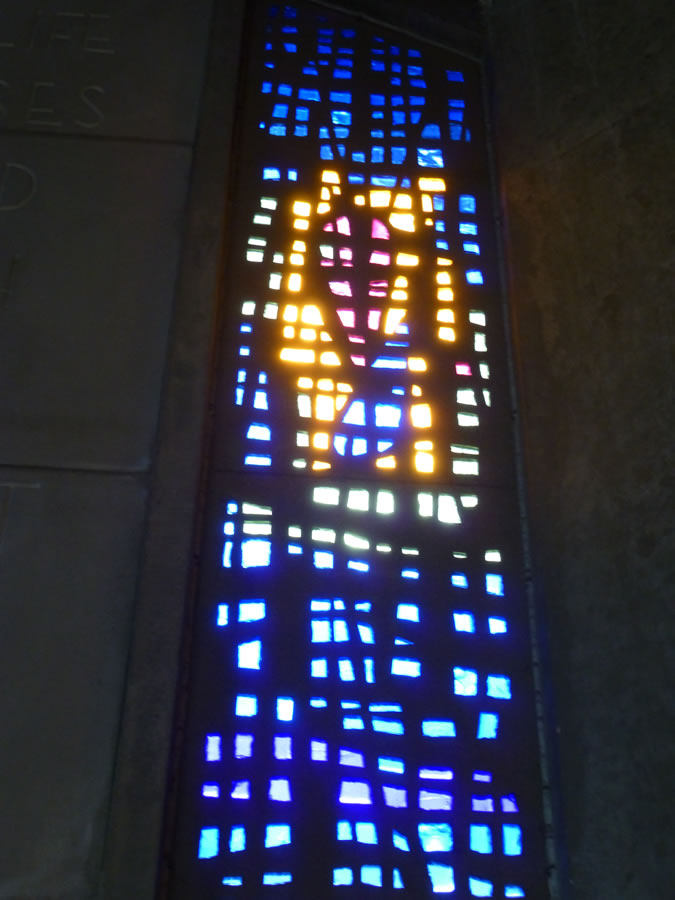
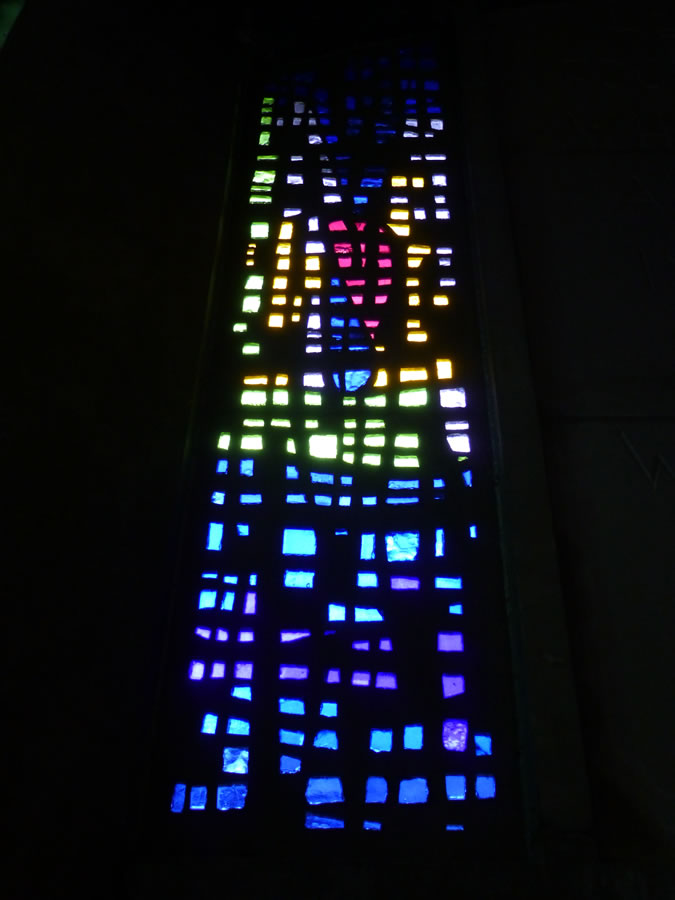
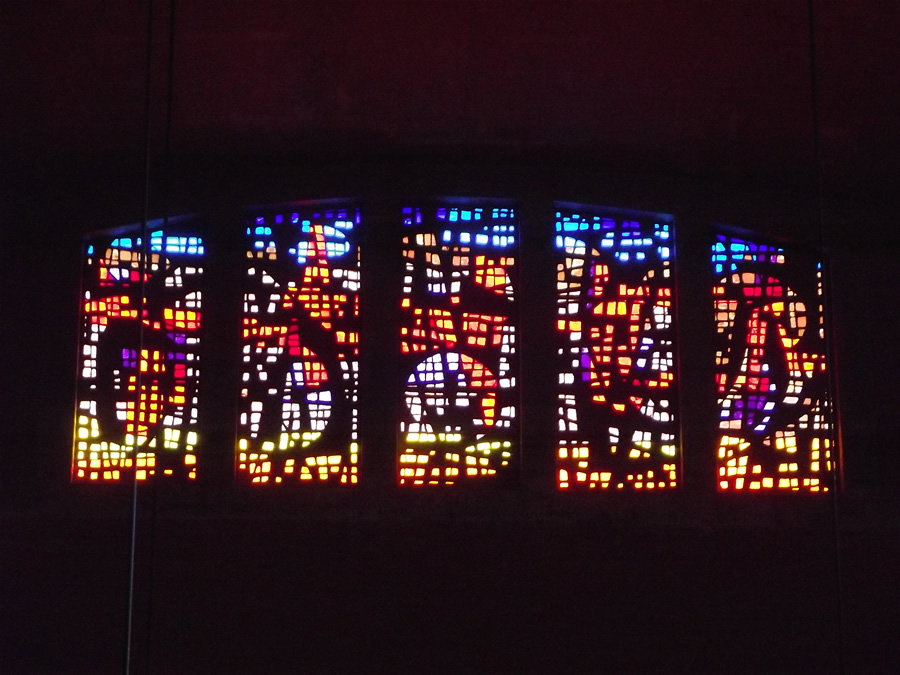
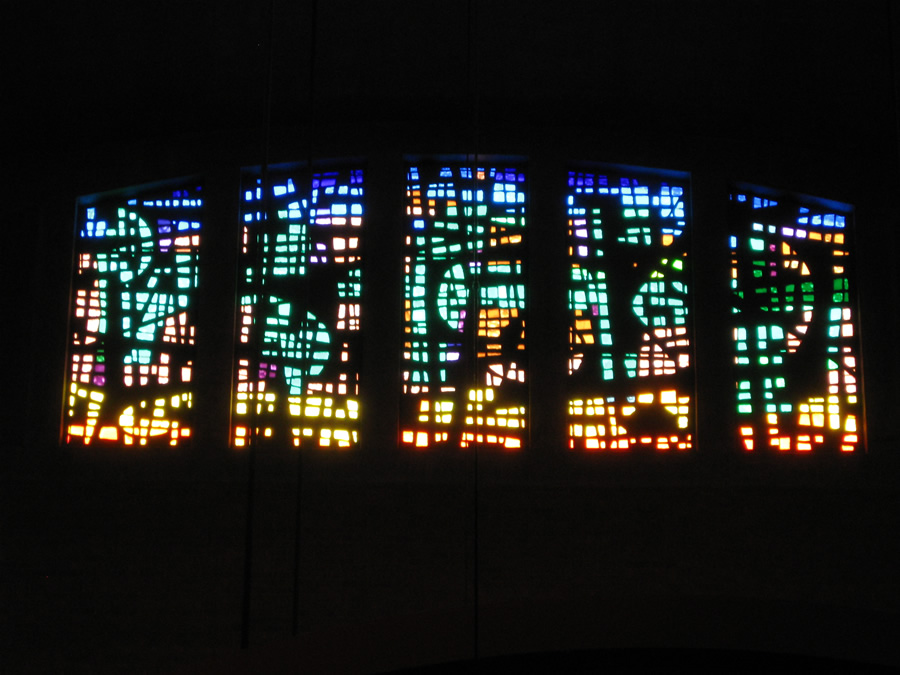
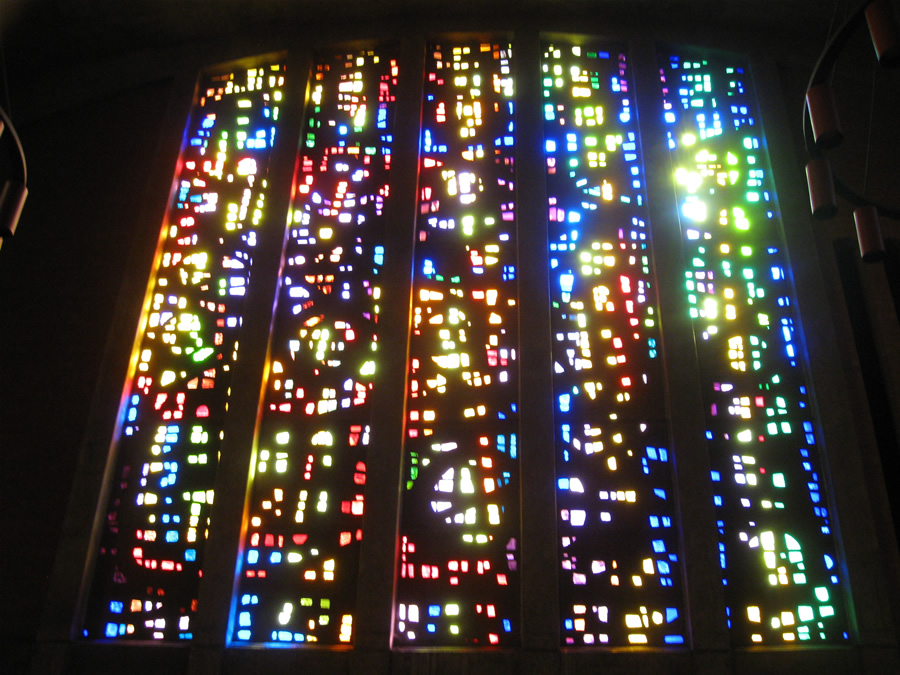
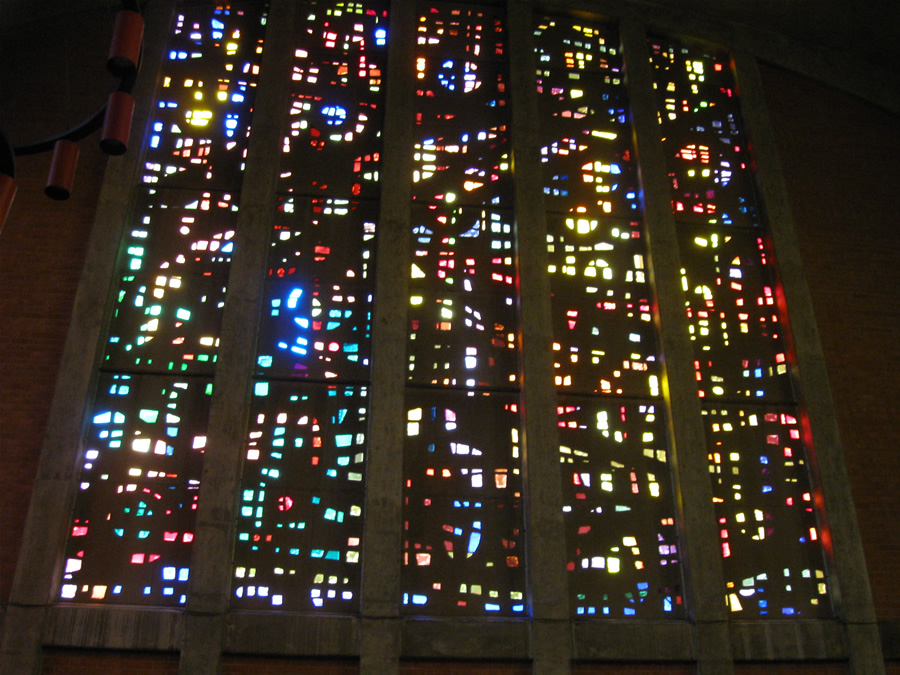
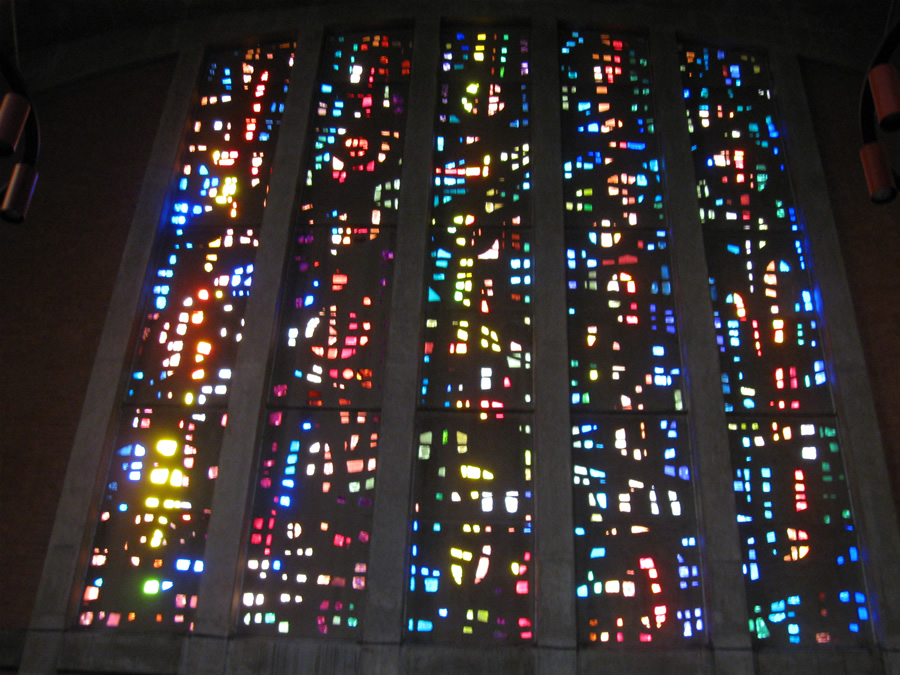
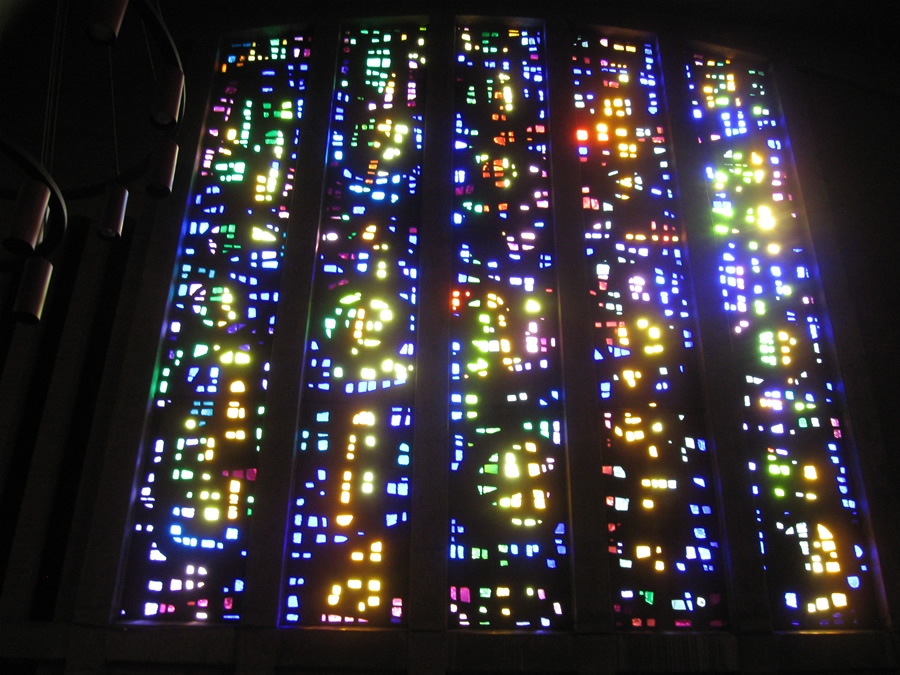
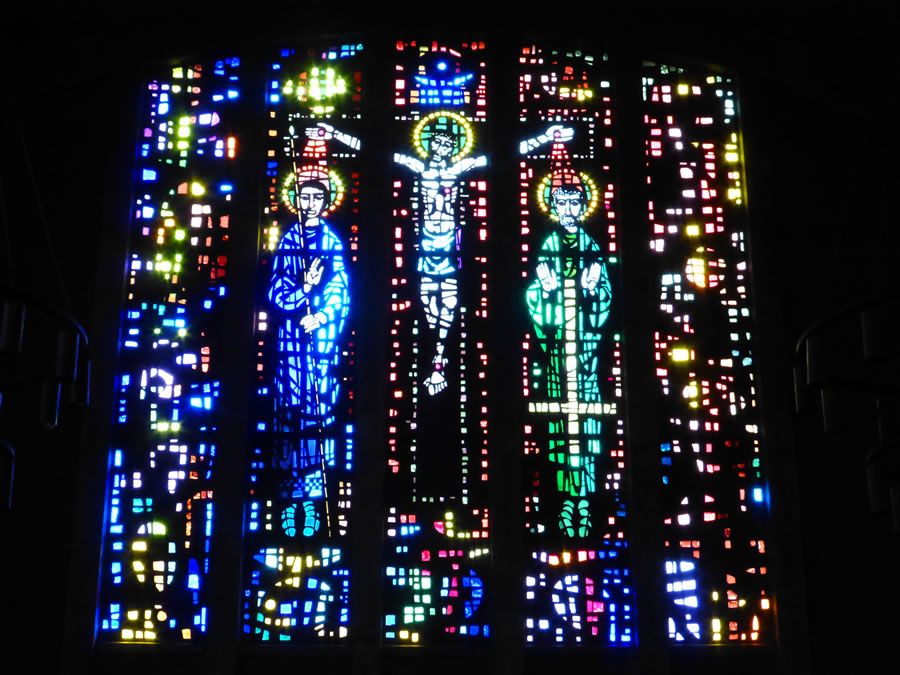
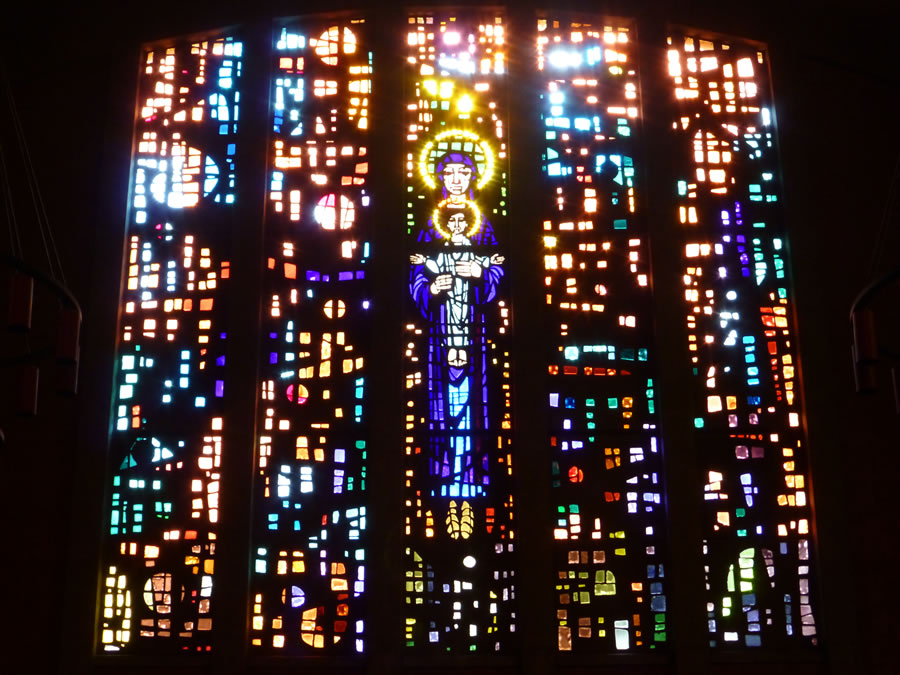
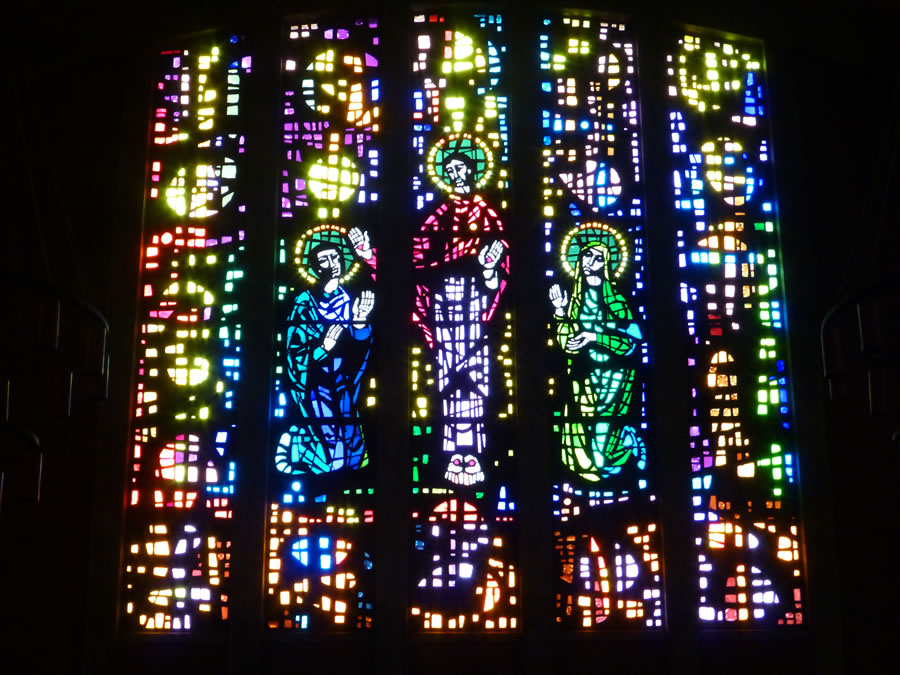
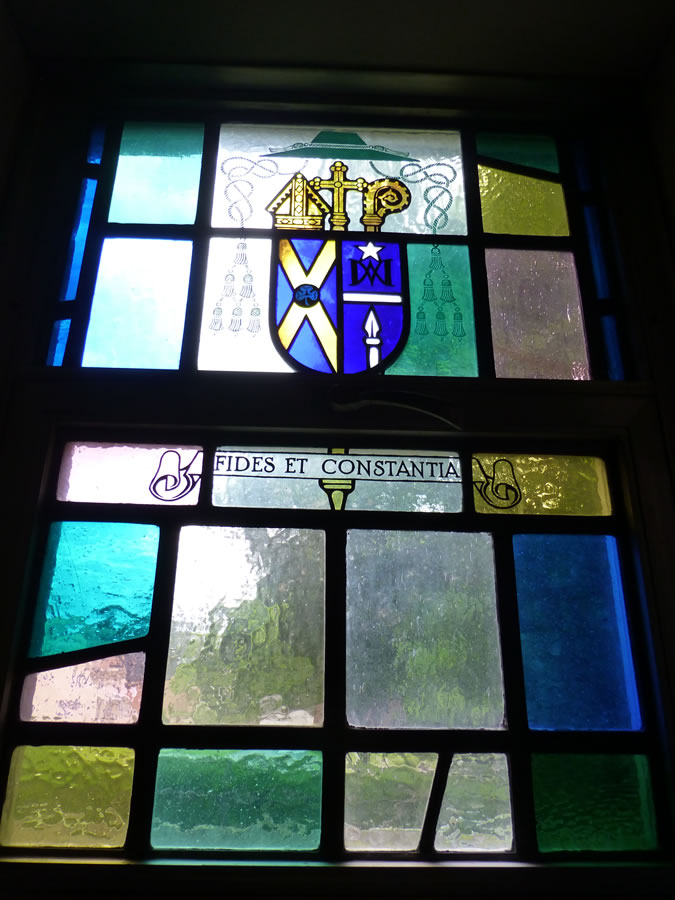
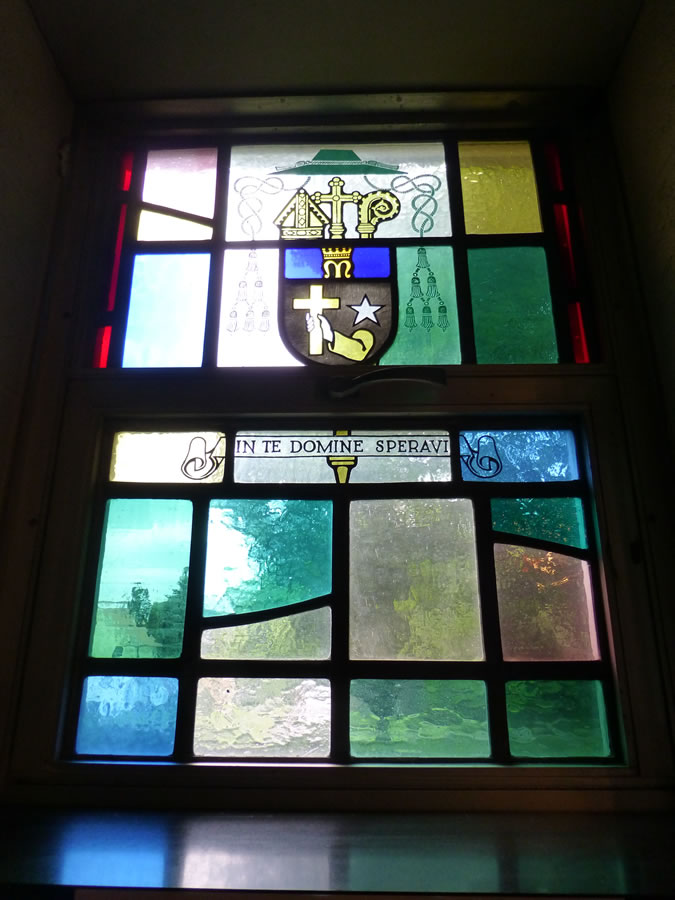
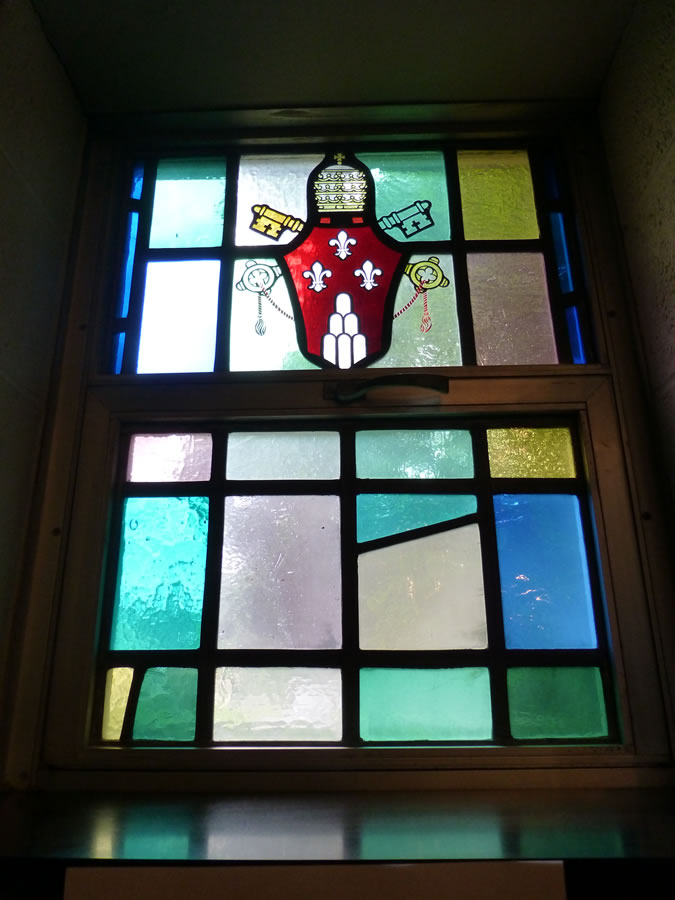
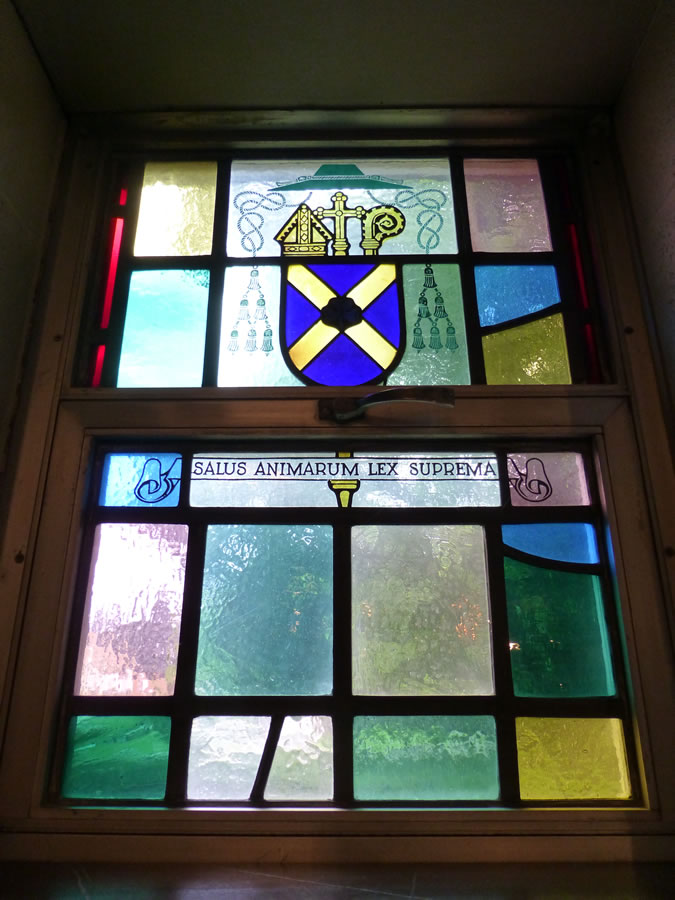
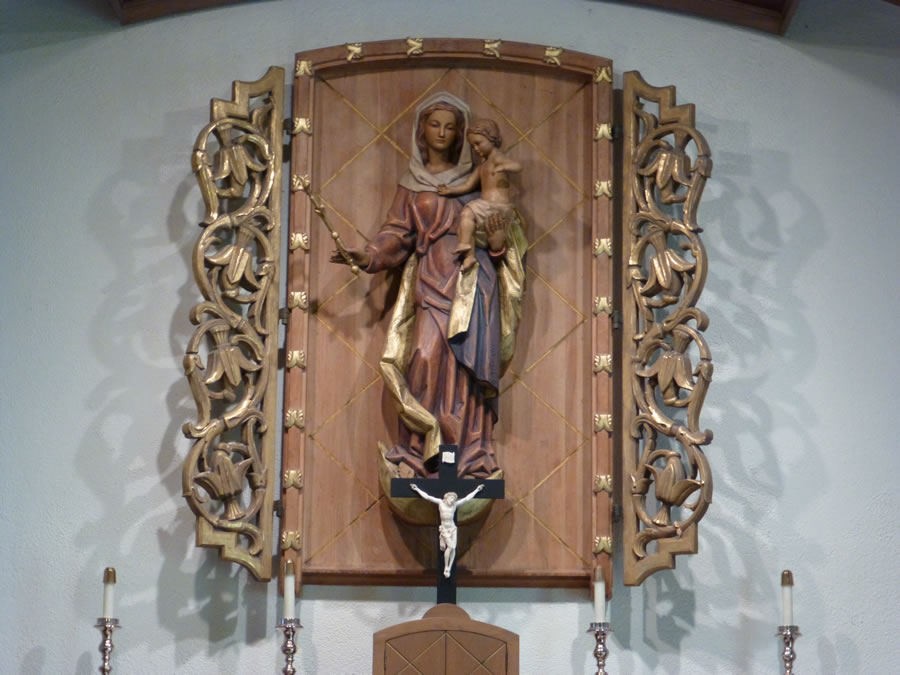
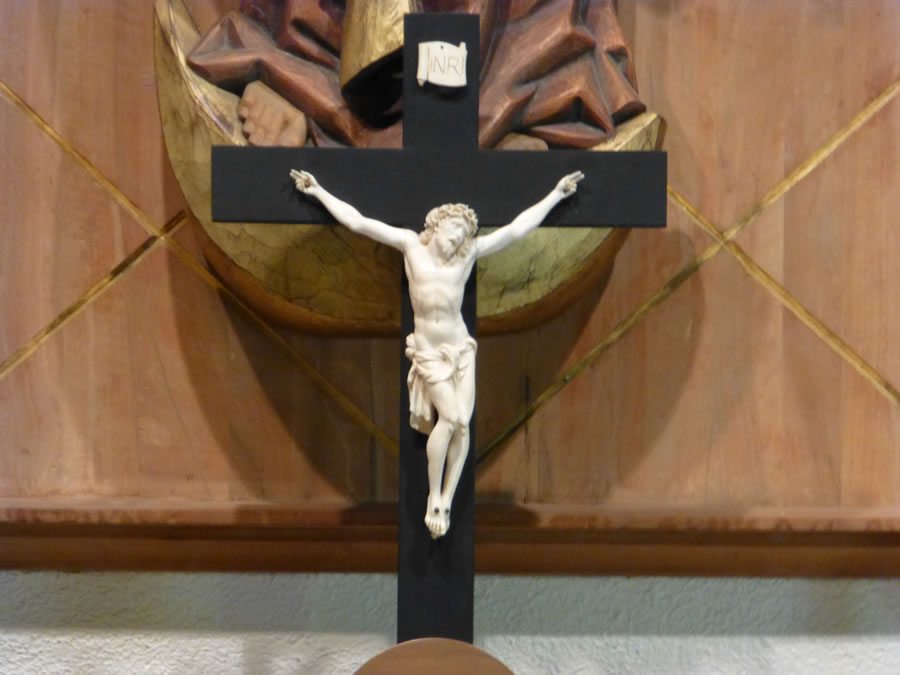
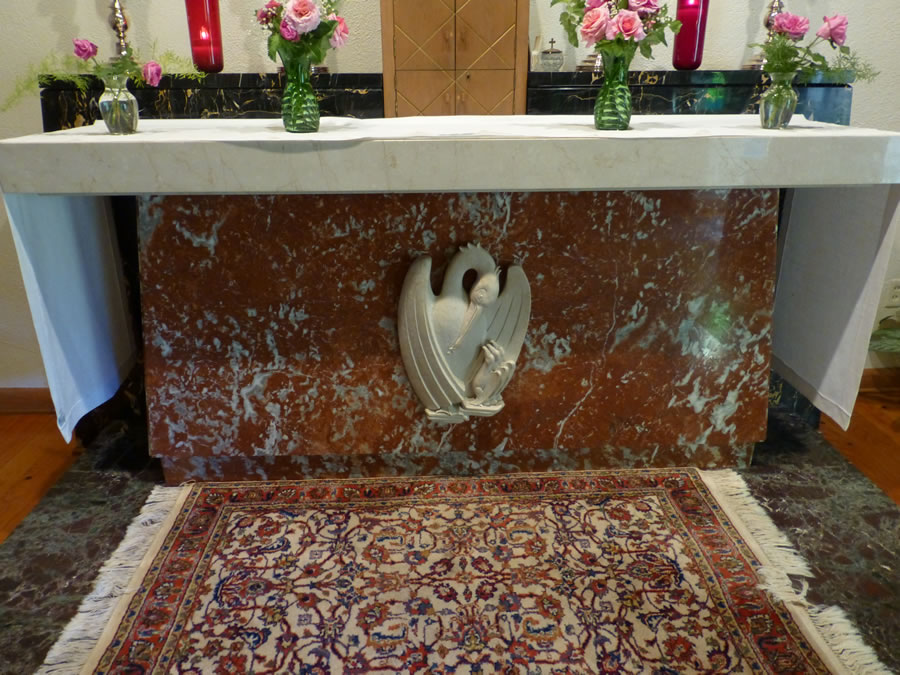
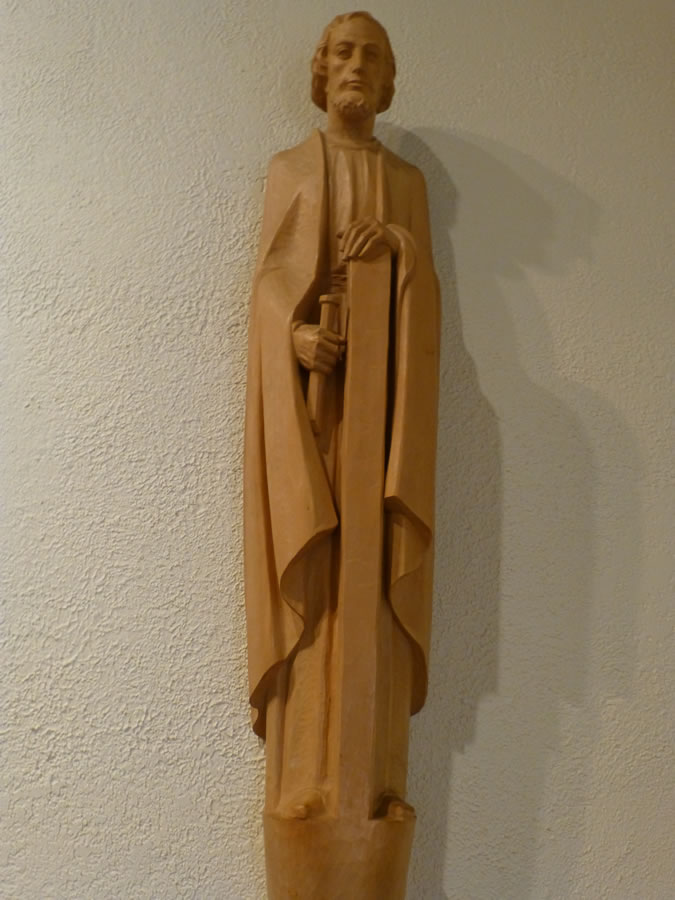
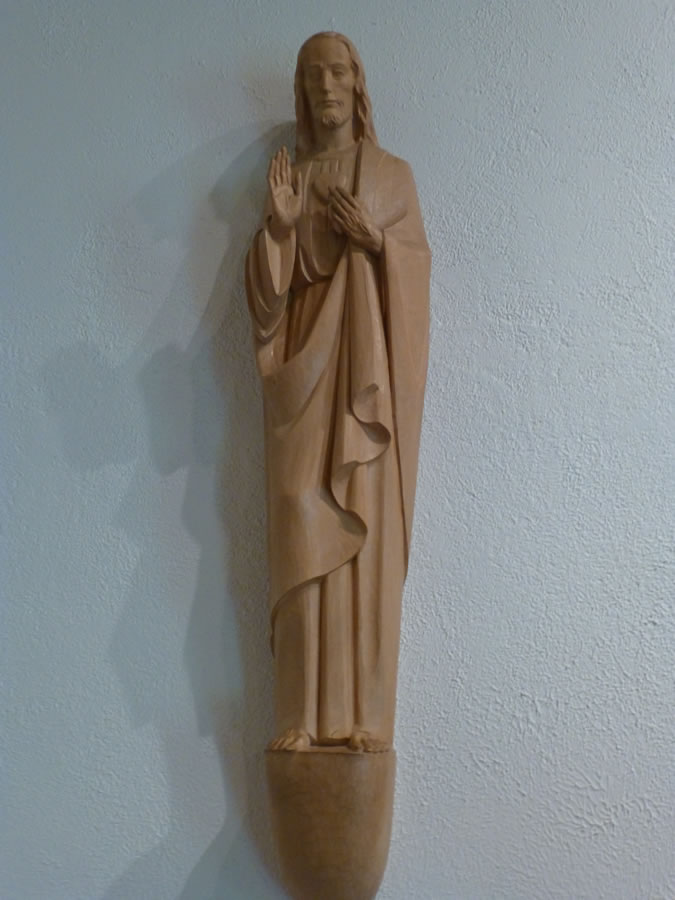
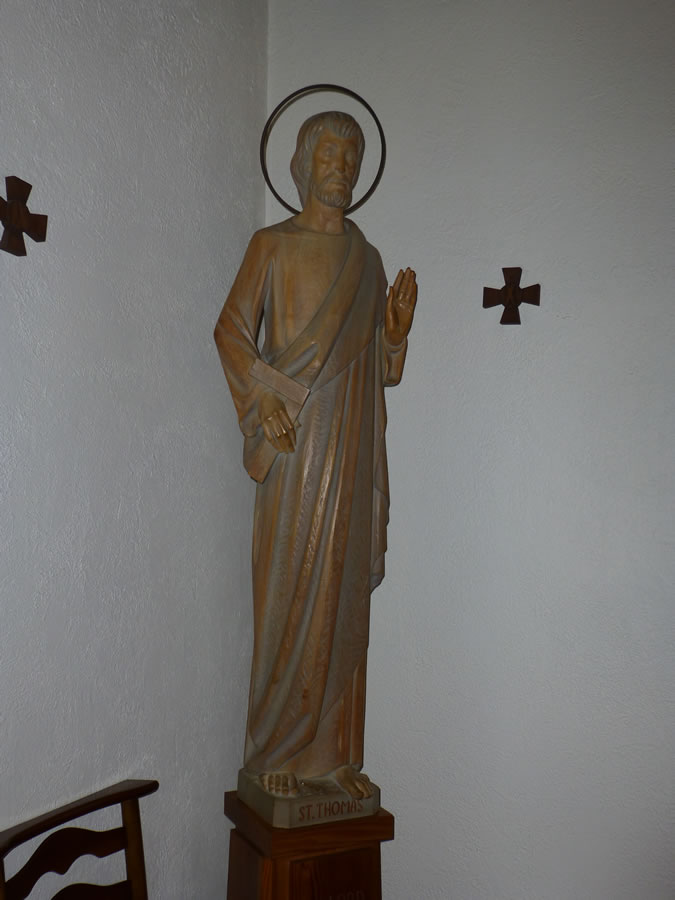
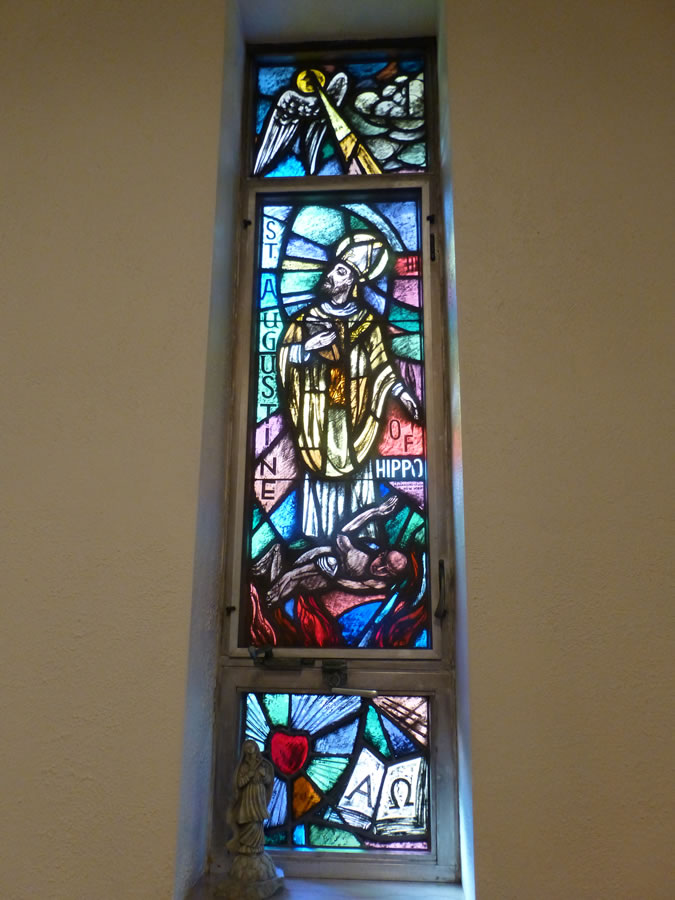
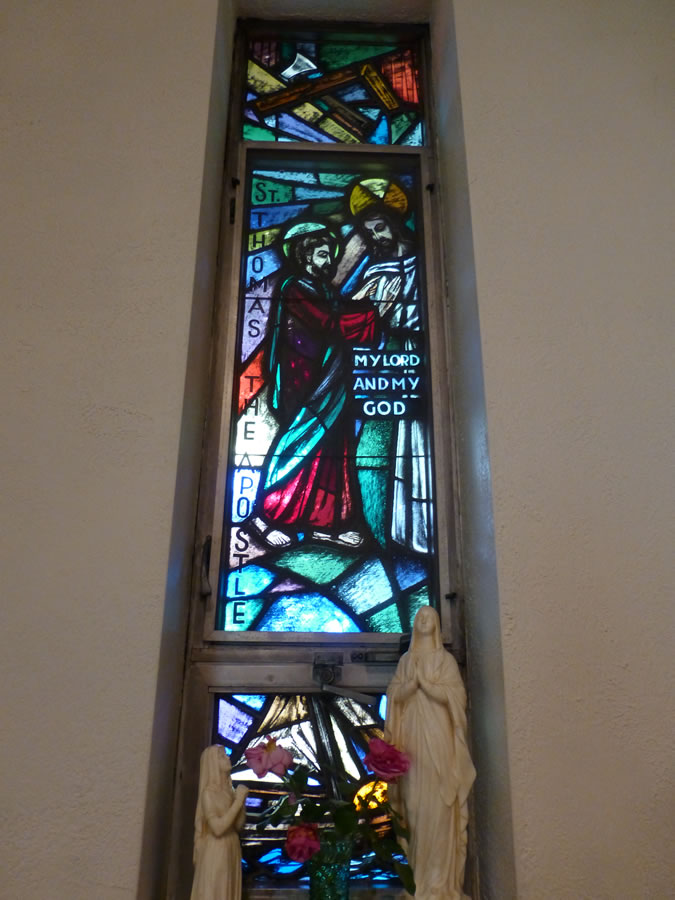
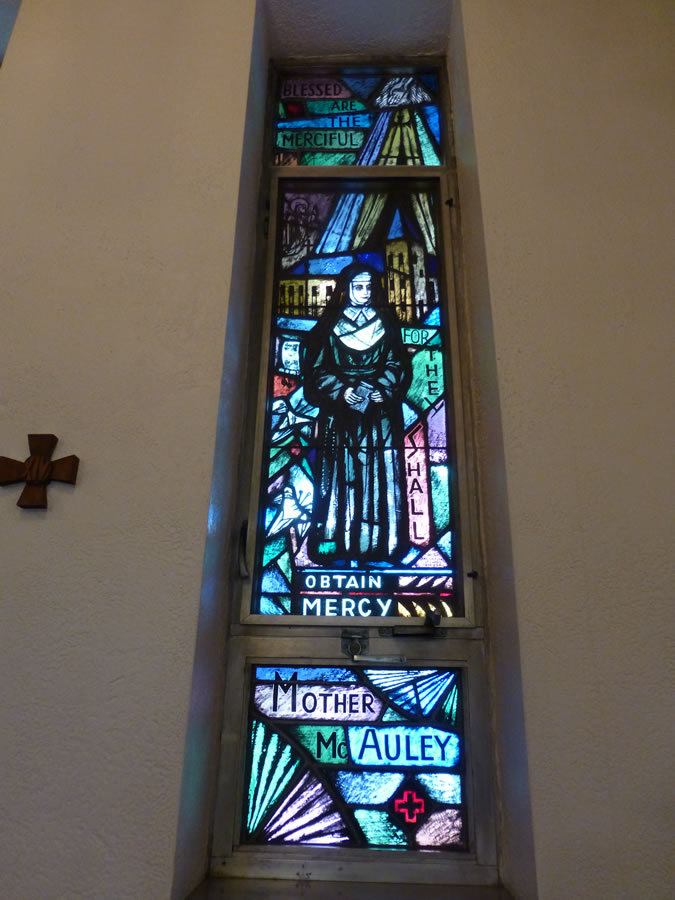
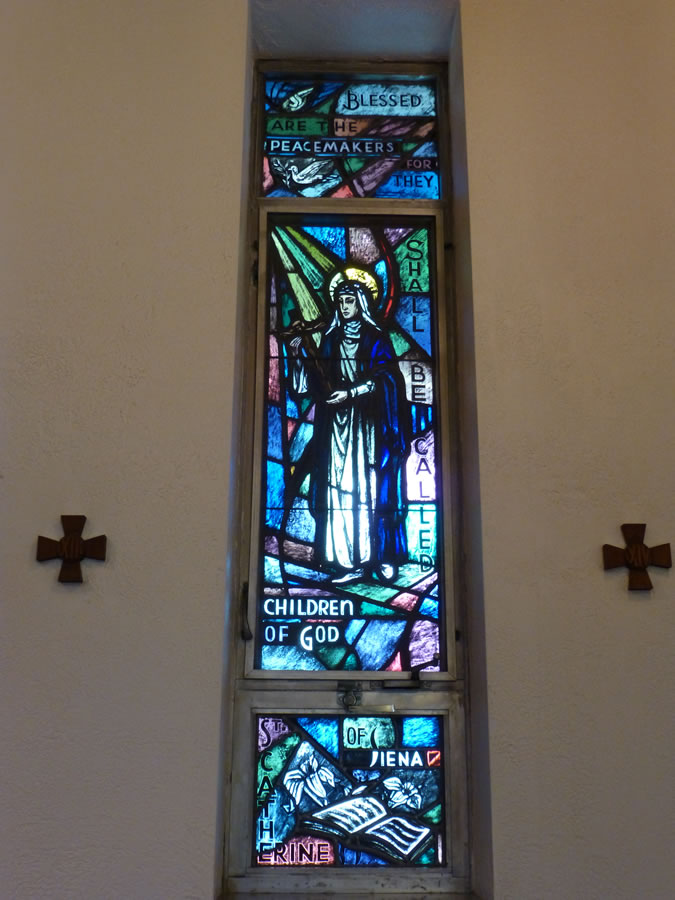
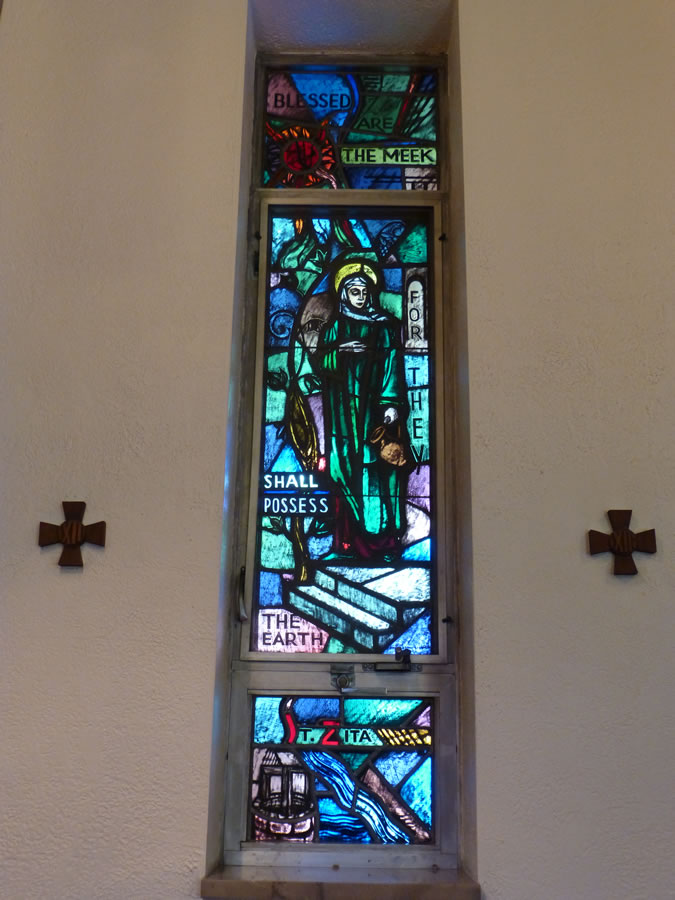
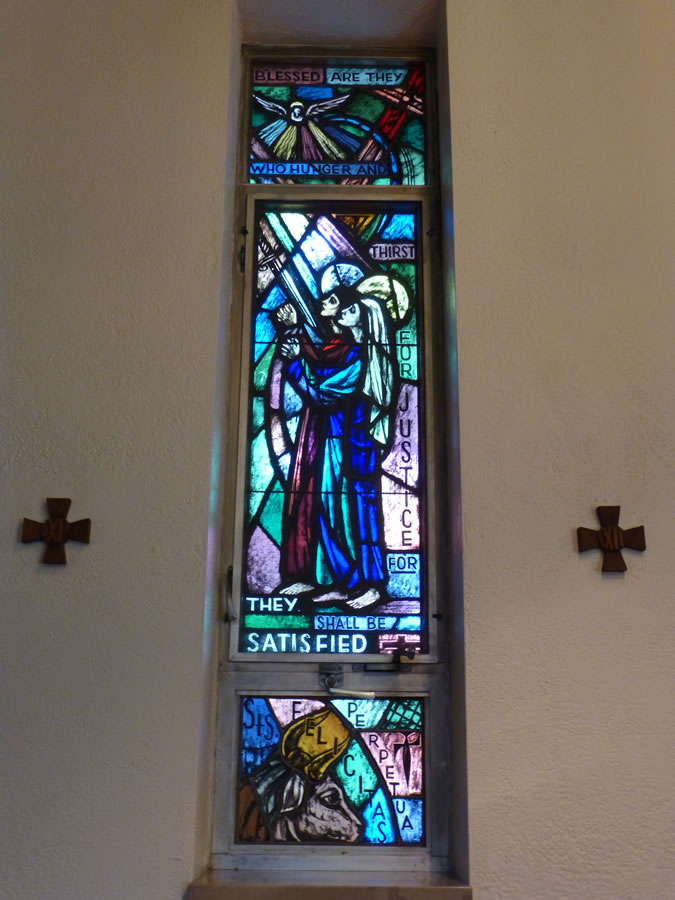
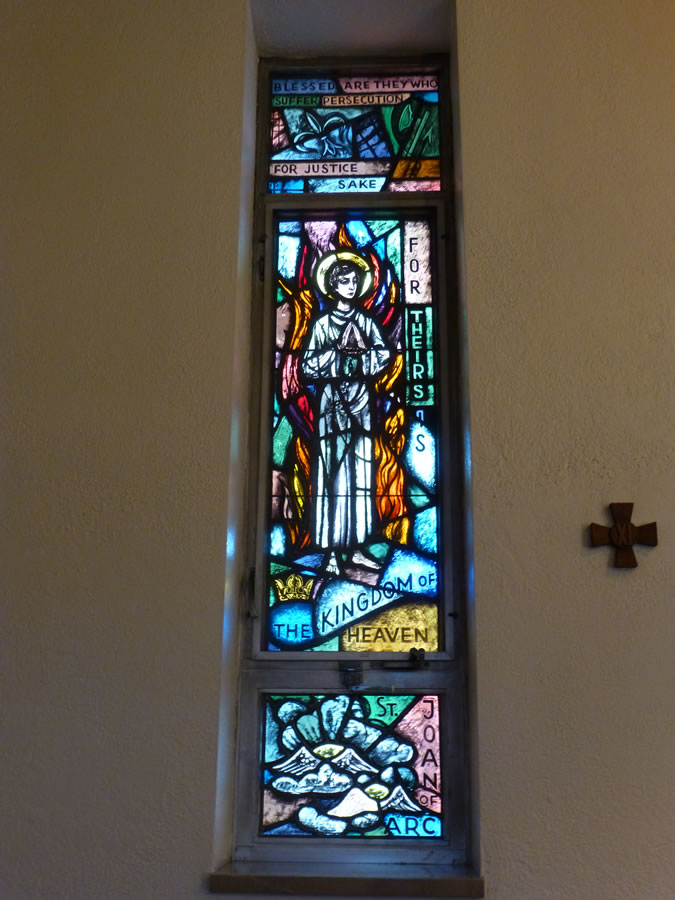
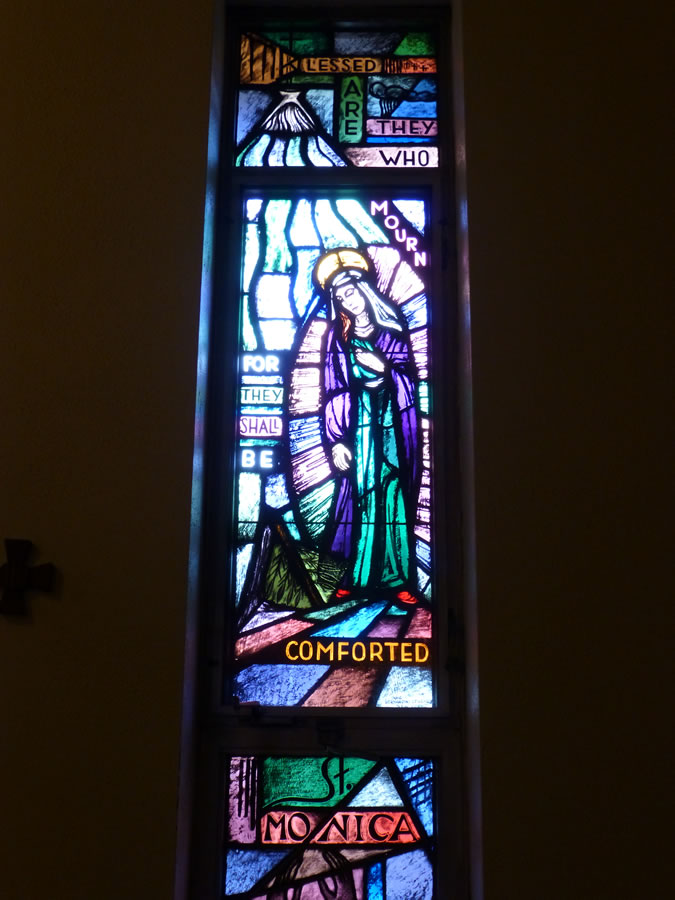
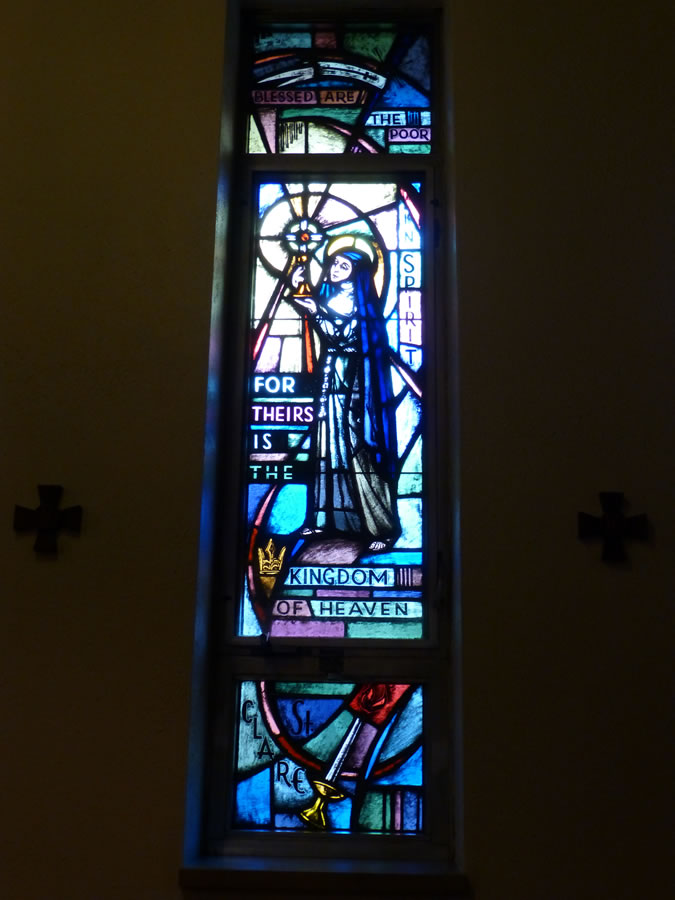
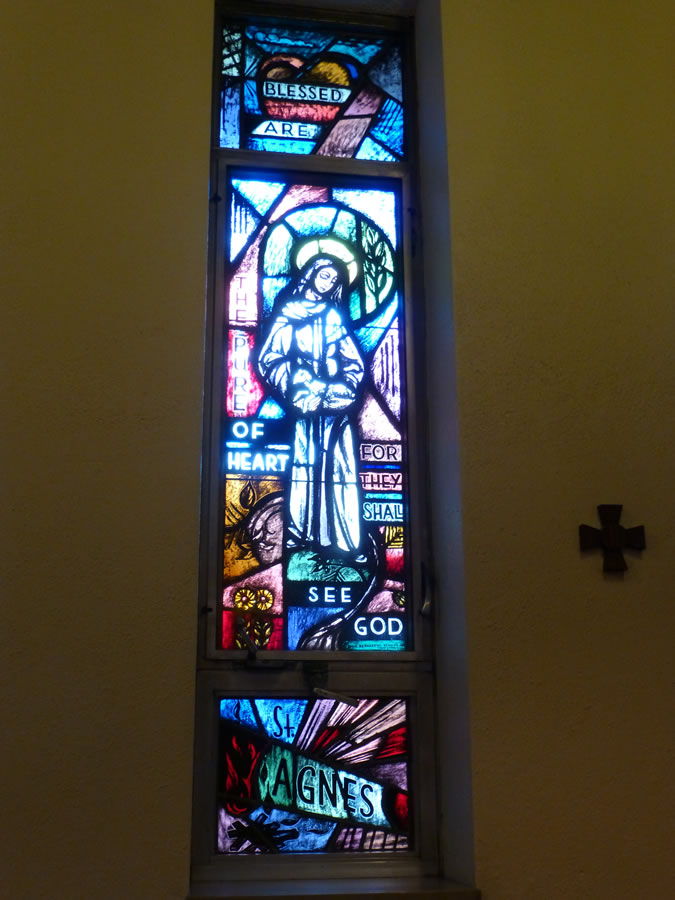
Ground was broken on March 25, 1963, with the cornerstone placed on October 4, 1964. Bp. Kearney dedicated the completed church on Palm Sunday, April 11, 1965. Total costs reached $900,000—well beyond the initial $400,000 estimate. The 1,000-seat church was engineered to give every worshipper an unobstructed view of the sanctuary. Numerous artists contributed to the interior: Gerstner and Scott designed the altar rail; William A. Keyser fashioned the pulpit; Vytautas Kasuba created the Stations of the Cross and altar relief; Herman Wiemann produced the Holy Trinity relief above the altar; Benoit Gilsoul of Willet Studios in Philadelphia designed the windows; and G. Vincenzo Mussner carved the wooden statues for four shrines in Italy. Relics of Ss. Peter and Paul, St. Thomas the Apostle, St. John the Baptist, and the Ugandan martyrs were deposited in the main altar. The tabernacle from the previous church was relocated to the Our Lady altar situated behind the main altar. Budget limitations forced abandonment of plans for a 143-foot bell tower above the baptistry; only the foundation was built.
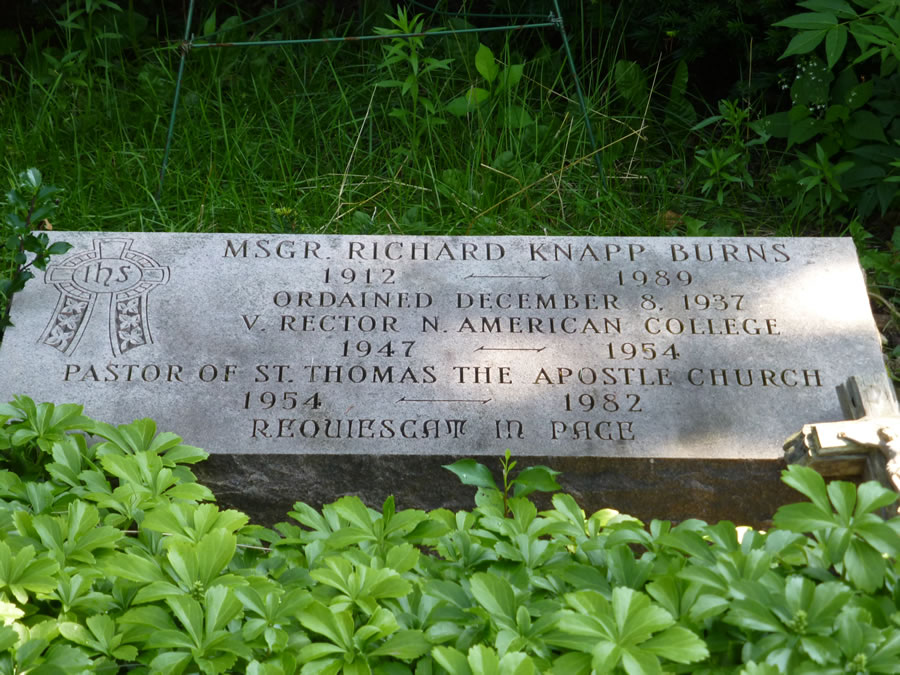
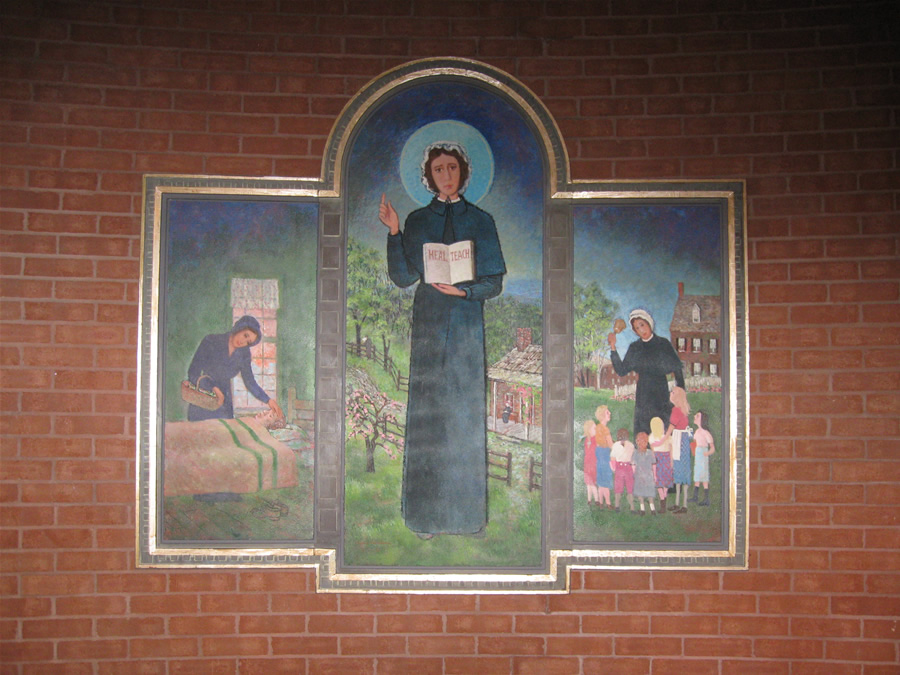
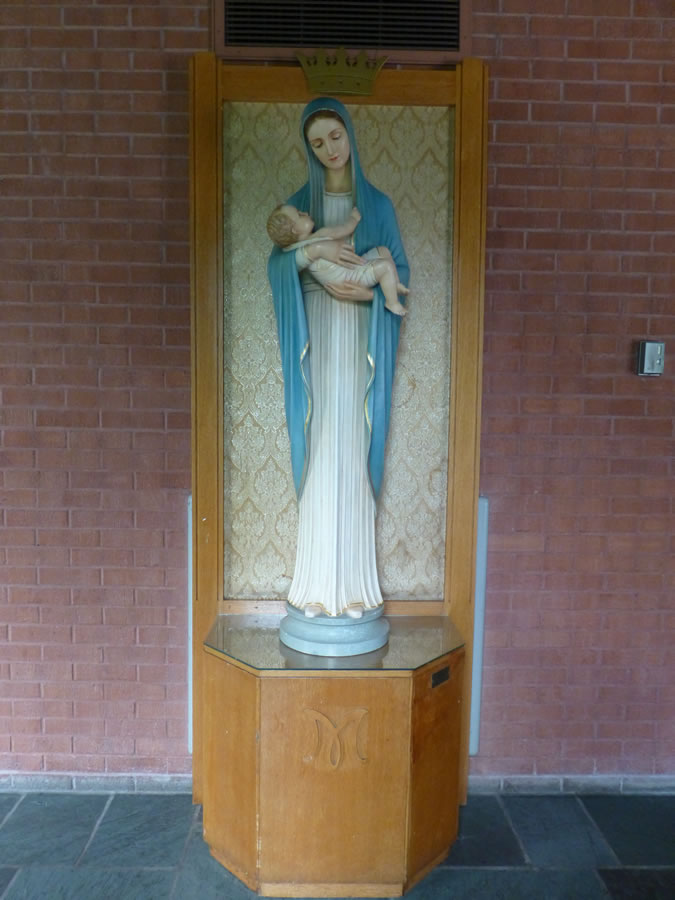
As occurred at most area parishes after Vatican II, attendance at St. Thomas fell—from roughly 2,700 in 1964 to 1,800 by the early 1980s. Campus enhancements continued regardless. On January 21, 1979, Bp. Joseph Hogan installed and blessed the Elizabeth Ann Seton painting. Bp. Dennis Hickey blessed the Our Lady statue above the Our Lady altar on February 11, 1981. Msgr. Burns retired in 1982 and, following his 1989 death, was interred in front of the church. His grave honors the Pastor who guided the parish through its growth and oversaw construction of the church.
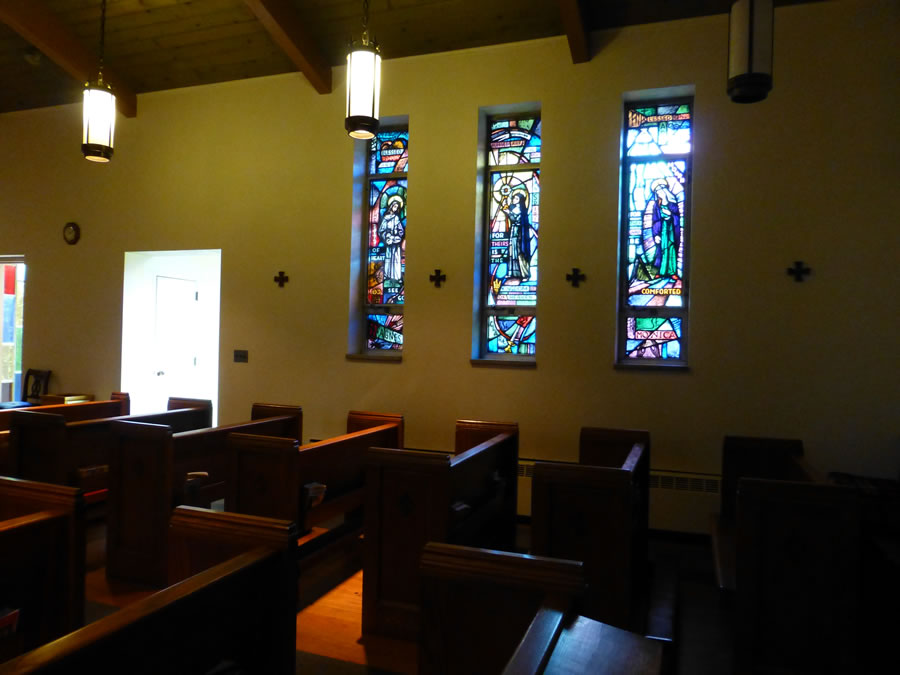
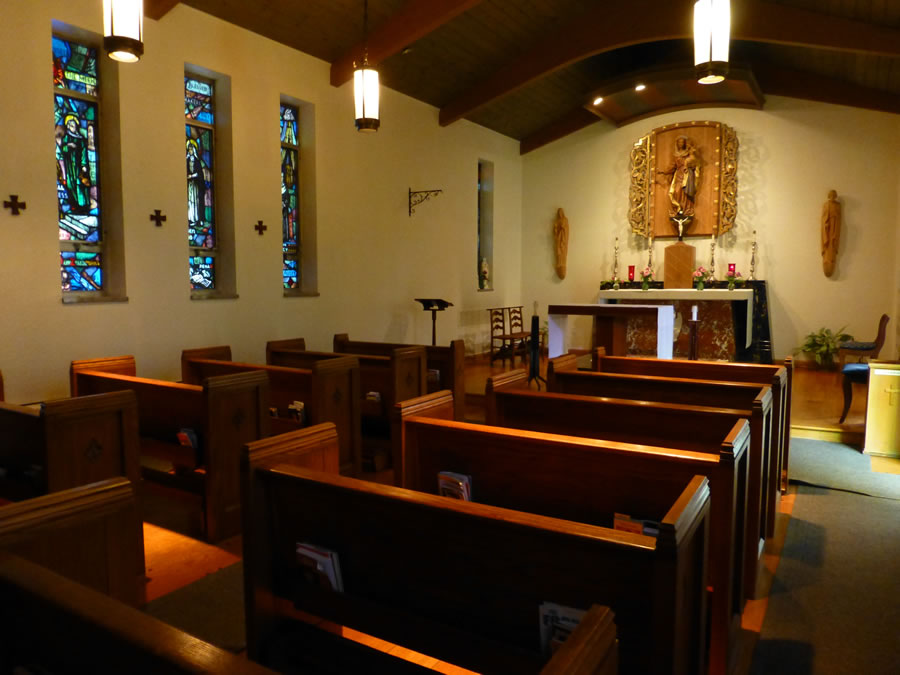
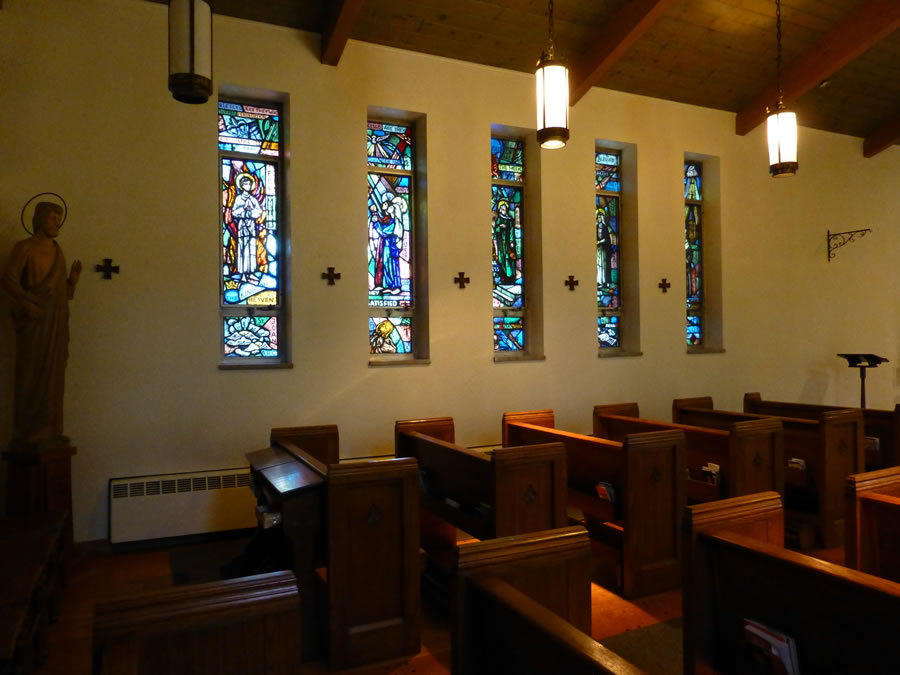
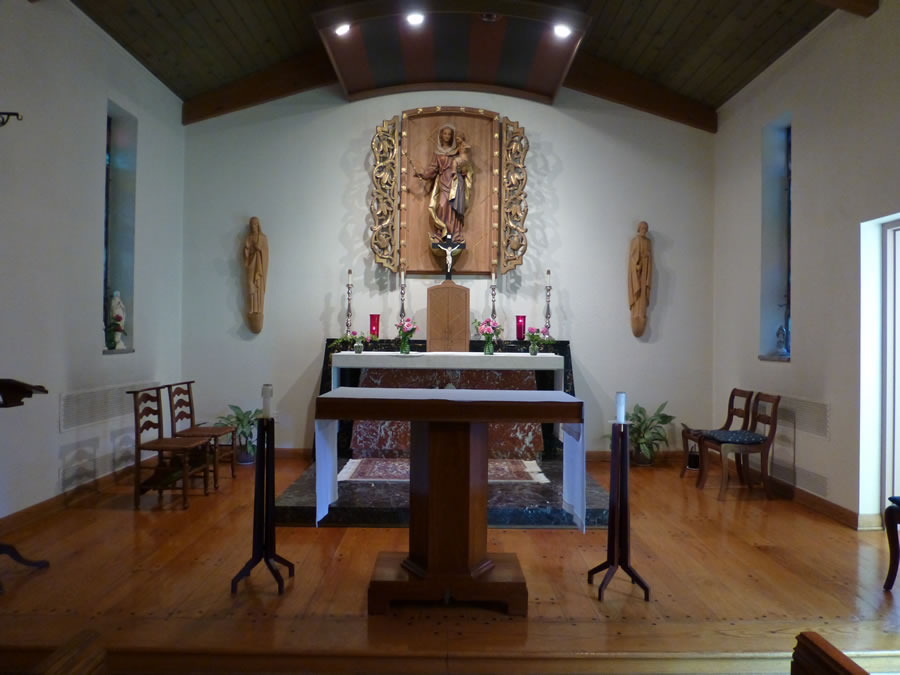
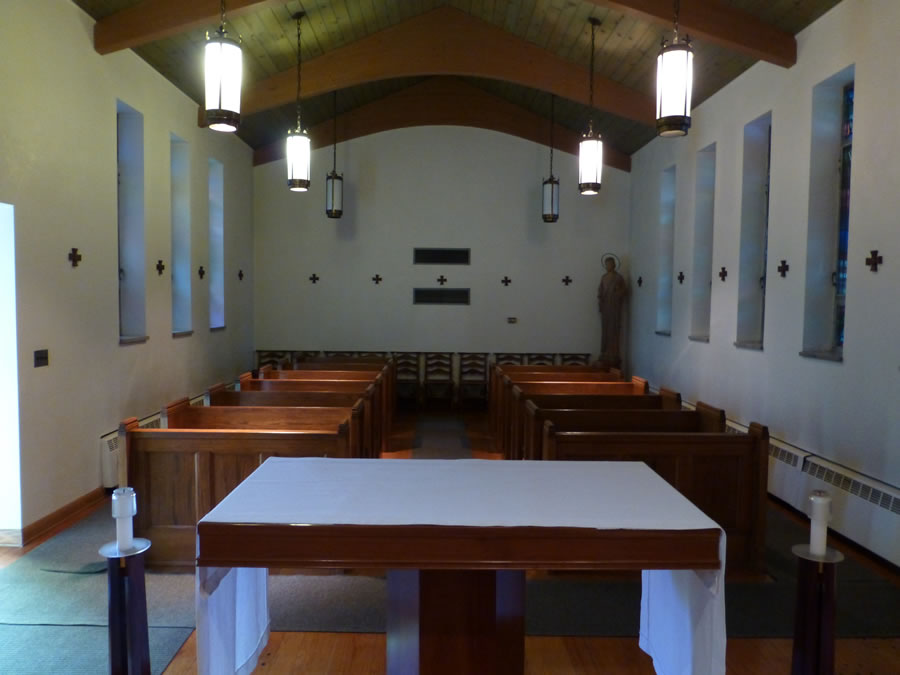
In 1982, Fr. L. James Callan, a cousin of the noted James Callan of Corpus Christi, became the third Pastor. He promoted traditional devotional practices, including Eucharistic adoration, which started in the former rectory chapel on March 2, 1992 and remains ongoing.
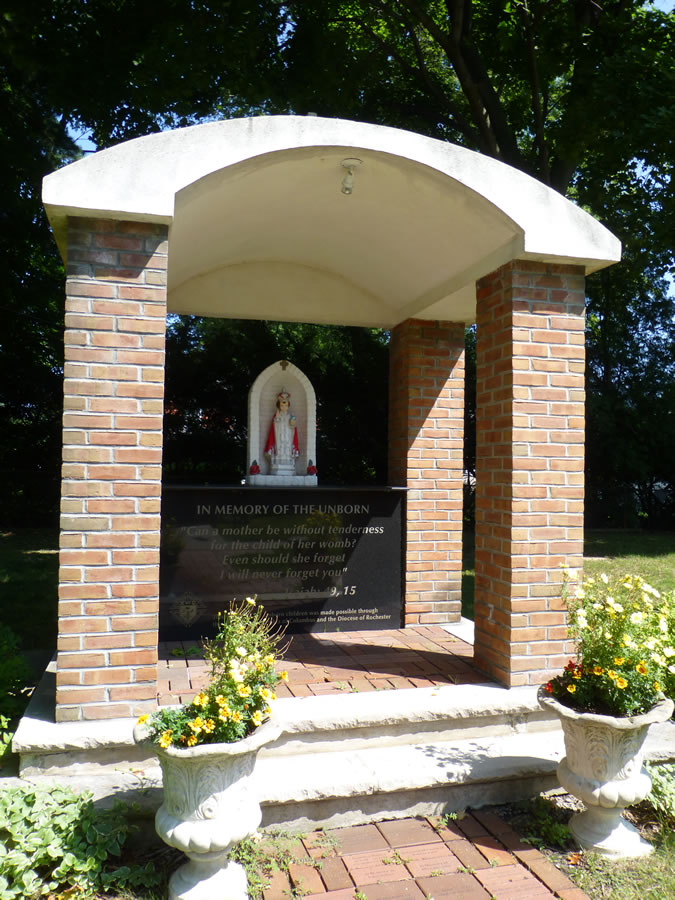
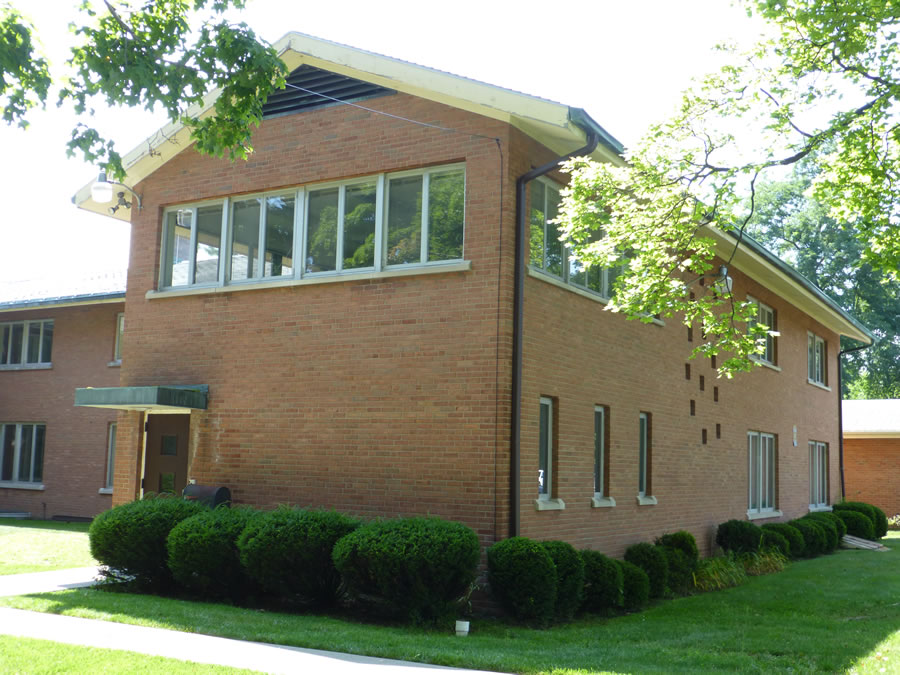
Diocesan restructuring of schools resulted in the parish school closing in June 1992. Beginning August 15, 1994, Stepping Stones Learning Center leased the building. Fr. Robert Bradler assumed the pastorate the following year. In 1996, the Msgr. Richard K. Burns council of the Knights of Columbus was formed. A memorial honoring the unborn was dedicated outside the adoration chapel on September 14, 1997.
Significant changes followed Fr. Bradler's retirement on June 30, 2007. On July 1st, St. Thomas entered a cluster with Christ the King and St. Salome parishes, with Fr. Norm Tanck CSB serving as Pastor of all three. Within a few years, the "Irondequoit Pastoral Planning Group" (IPPG) started proposing that St. Thomas the Apostle and St. Salome churches be closed. Parishioners disputed these proposals, raising concerns about whether St. Thomas received fair representation and adequate advocacy within the planning group. Pressure for closure mounted from 2009 to 2010.
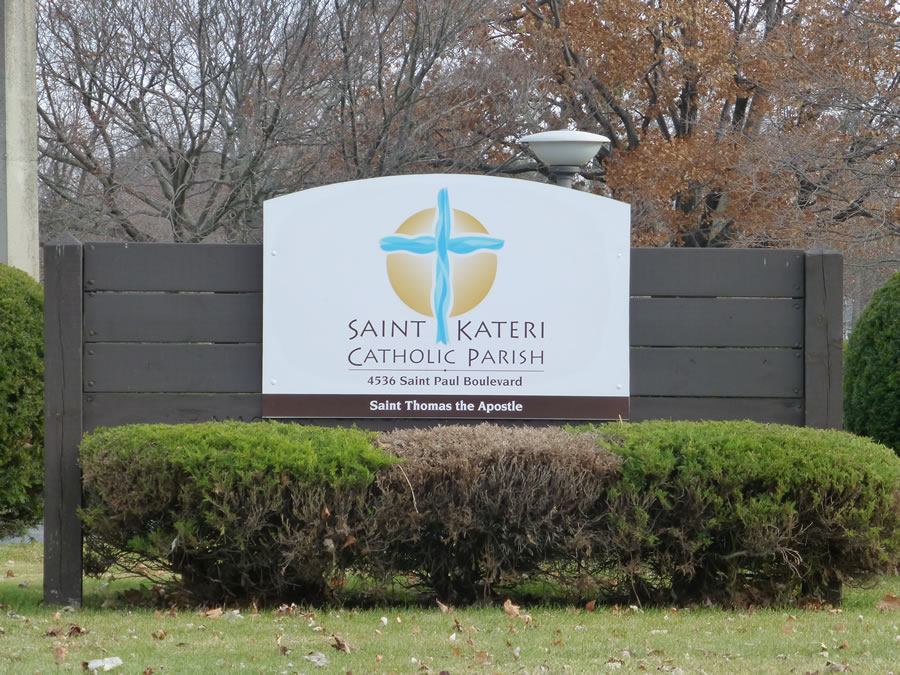
The IPPG's recommendation was presented to Bishop Matthew Clark in early 2010. After consulting with his presbyteral council in May 2010, the bishop released a May 26, 2010 decree mandating amalgamation—but not closure—of St. Thomas with four other Irondequoit churches into "Blessed Kateri Tekakwitha parish." Fearing that closure would ultimately result, parishioners contested the amalgamation decree on June 4th and subsequently appealed to the Vatican; canonical questions remain unresolved. Blessed Kateri parish moved ahead with plans to discontinue Masses at St. Thomas and St. Salome, and the last Sunday Mass attracted an overflow congregation on November 14, 2010. Since that time, no regular Sunday or weekday Masses have been held at St. Thomas the Apostle. On the feast day of St. Thomas, July 3, 2014, Bishop Salvatore Matano celebrated Mass there and pledged to examine the church's status and issue a determination.
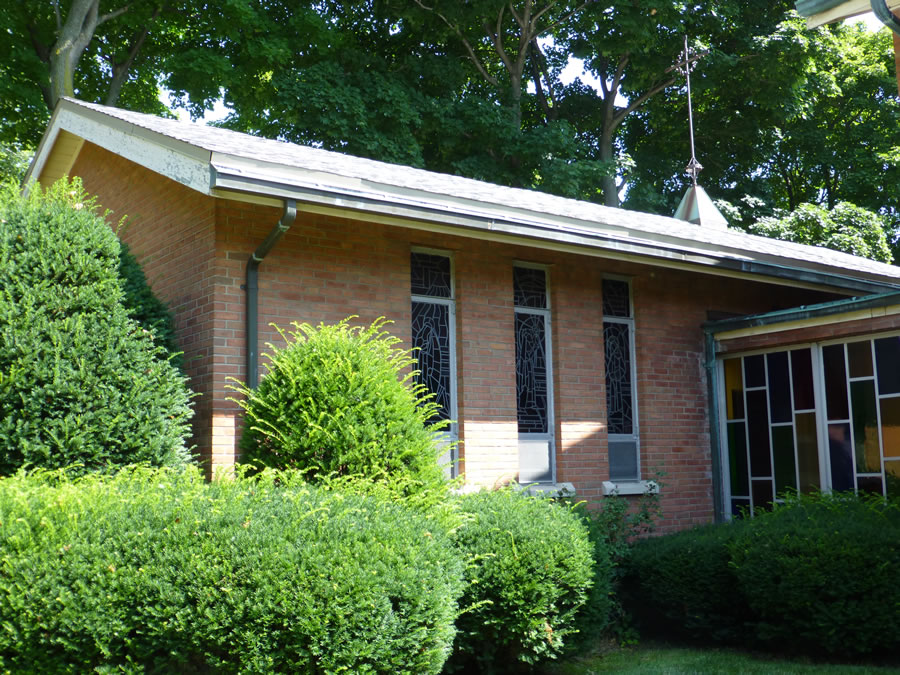
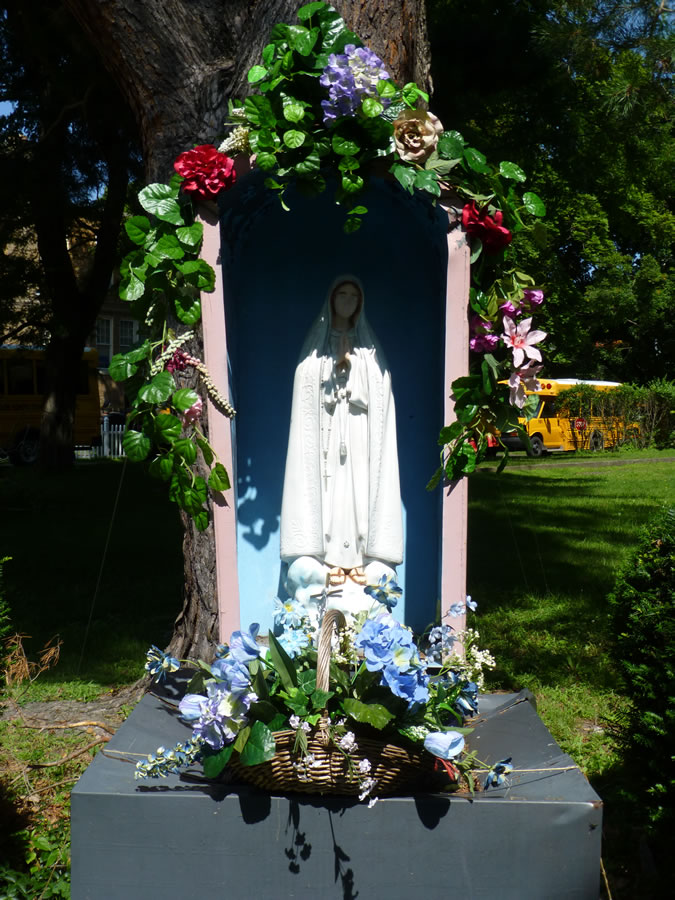
Exterior Photographs
Interior Photographs
Stained Glass
Adoration Chapel
Historical Photographs